What is Experiential Marketing?

What is Experiential Marketing? | Definition, Importance & Examples
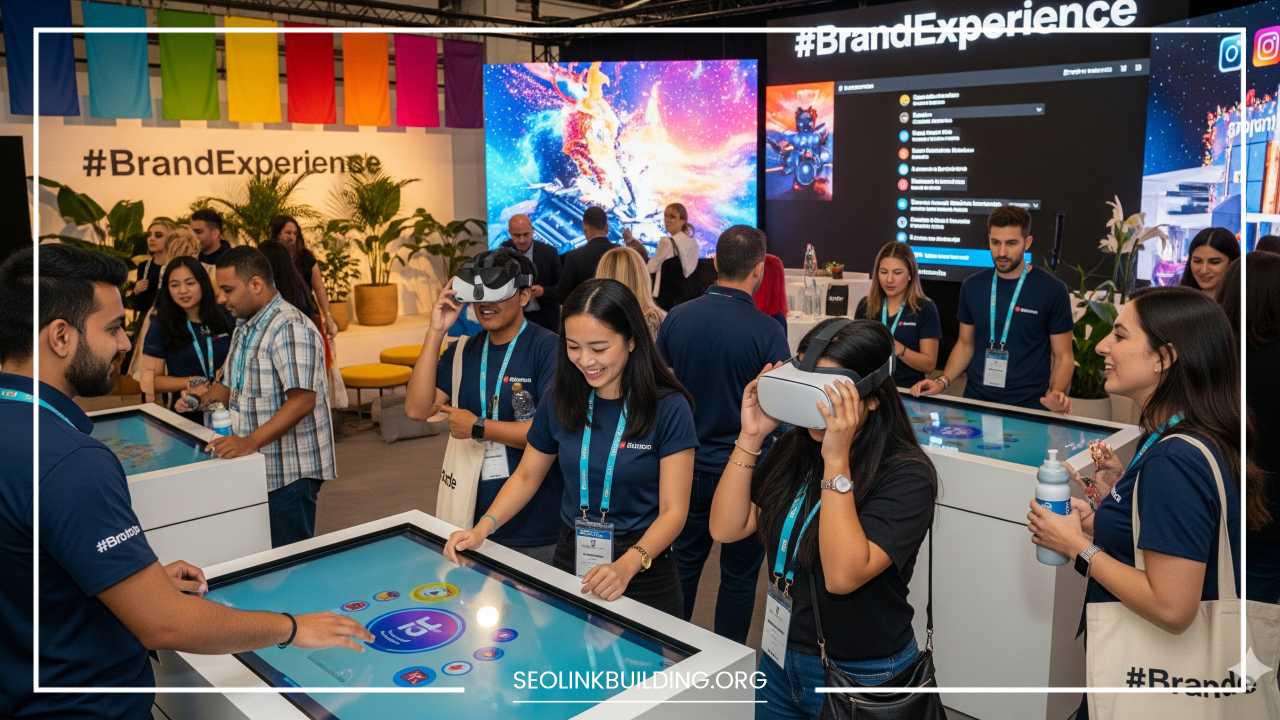
In an age saturated with digital noise and fleeting attention spans, a fundamental shift is occurring in the world of marketing. The days of simply broadcasting a message to a passive audience are giving way to a more dynamic, interactive, and memorable approach: experiential marketing. At its core, experiential marketing is the practice of creating direct, in-person, and immersive experiences that allow consumers to interact with a brand in a meaningful way. Unlike traditional advertising, which tells a story, experiential marketing lets the consumer live the story.
This form of marketing isn’t about pushing a product; it’s about building a relationship. It’s the difference between seeing a car ad on TV and test-driving the car on a virtual reality track. It’s the brand coming to life, stepping out from behind a screen or a billboard, and engaging with its audience on a human level. In a world where consumers are increasingly wary of traditional sales pitches, creating a genuine, impactful, and shareable experience is the most powerful way to cut through the clutter and forge a lasting connection. It’s a strategy that recognizes that a consumer’s journey is not just a transaction—it’s an emotional and psychological one.
Why Experiential Marketing is Important
Experiential marketing is not just a trend; it’s a strategic necessity for brands looking to thrive in the modern market. Its power lies in its ability to go beyond the superficial and create deep, meaningful connections with consumers.
- Increased Consumer Engagement: Traditional marketing often operates on a one-way street, where a brand sends a message and hopes the consumer receives it. Experiential marketing, however, is a two-way conversation. By inviting consumers to participate in an activity, a challenge, or a discovery, brands can achieve a level of engagement that is simply impossible with a static ad. This active participation leads to a more profound understanding and appreciation of the brand’s values and offerings.
- Building Emotional Connections: Experiences are inherently emotional. A well-executed experiential campaign can evoke feelings of excitement, joy, or even awe. These emotional touchpoints are far more memorable than a list of product features. When a brand creates a positive emotional memory, it becomes intertwined with that feeling in the consumer’s mind. This emotional bond is the foundation of long-term loyalty and advocacy, turning a simple purchase into a deeply personal decision.
- Breaking Through the Noise: In an oversaturated market, consumers are bombarded with thousands of marketing messages every day. Most are ignored, but an experience is hard to forget. An immersive pop-up store, a dazzling light show, or an interactive installation stands out because it demands attention and offers something of value—entertainment, a unique moment, or a tangible interaction—in return. It’s a strategy of disruption, not through interruption, but through invitation.
- Influence on Consumer Behavior: Positive brand experiences directly influence consumer behavior. When someone has a great time at a brand event, they are more likely to think favorably of the brand, consider its products, and make a purchase. The experience acts as a powerful motivator, lowering the psychological barrier to a sale and making the consumer more receptive to future marketing messages.
- Social Media Amplification: Experiential marketing is designed for a social-first world. A unique, visually appealing, or emotionally resonant experience is a goldmine for user-generated content (UGC). Attendees become brand ambassadors, sharing photos, videos, and stories with their social networks. This organic reach is incredibly valuable, as it serves as authentic, peer-to-peer endorsement that carries far more weight than a paid ad. The “social amplification” of an event can often reach a far wider audience than the event itself, multiplying its impact exponentially.
How to Measure Experiential Marketing
Measuring the success of an experiential marketing campaign is crucial for justifying its investment and informing future strategies. While not as straightforward as tracking clicks on a digital ad, a comprehensive approach using a mix of qualitative and quantitative data can provide a clear picture of an event’s impact.
- Key Performance Indicators (KPIs): The first step is to establish clear KPIs. These might include:
- Brand Awareness: Measured through pre- and post-event surveys or brand tracking tools.
- Customer Satisfaction: Assessed via direct feedback and post-event surveys.
- Sales Impact: Directly linking attendance to post-event sales data.
- Lead Generation: Tracking the number of new leads or sign-ups collected at the event.
- Customer Feedback: Direct feedback is invaluable. This can be gathered through on-site surveys, follow-up emails, or dedicated feedback forms. Asking attendees about their experience, what they liked, and what could be improved provides rich qualitative data that helps in refining future campaigns.
- Event Metrics: Basic event metrics are a starting point. These include:
- Attendance Numbers: The number of people who attended.
- Engagement Levels: How long attendees stayed, how many participated in activities, and what their level of interaction was with brand representatives.
- Follow-Up Interactions: Tracking how many attendees signed up for a newsletter or downloaded an app as a result of the event.
- Sales Data and Conversions: The ultimate measure of business success is revenue. Brands can measure the direct impact of an event by tracking sales from attendees who registered or interacted with the brand at the event. This might involve unique discount codes, a specific URL for post-event purchases, or simply comparing sales in the event’s geographical area before and after the campaign.
- Brand Sentiment Analysis: Social listening tools are essential for measuring the qualitative impact. By monitoring mentions of the brand, the event hashtag, and relevant keywords on social media, you can analyze the tone of the conversation. Was it positive, negative, or neutral? Did the event change people’s perception of the brand for the better? This data provides a window into the emotional and psychological impact of the experience.
How to Write an Experiential Marketing Strategy
A successful experiential marketing campaign is the result of careful planning and strategic execution. It’s not just about throwing a party; it’s about creating an experience that serves a specific business objective.
- Define Your Objectives: Before anything else, clarify what you want to achieve. Are you aiming to increase brand awareness, generate leads, launch a new product, or foster brand loyalty? Your objectives will dictate every decision, from the type of experience you create to how you measure its success.
- Know Your Audience: Who are you trying to reach? What are their interests, habits, and values? A deep understanding of your target demographic is critical for tailoring an experience that will resonate with them. The goal is to meet your audience where they are—both literally and figuratively—and offer them something they genuinely want to engage with.
- Choose the Right Experience: The type of experience you create should align with your objectives and audience. Options include large-scale public events, small and intimate pop-up stores, interactive installations, guerrilla marketing stunts, or virtual and augmented reality experiences.
- Set a Budget: Experiential marketing can be expensive, so a clear budget is essential. Plan for all potential costs, including venue rental, staffing, materials, and technology. It’s also crucial to project the potential ROI to ensure the campaign is a worthwhile investment.
- Marketing Integration: An experiential campaign should not exist in a vacuum. It must be a seamless part of your overall marketing strategy. Promote the event through your digital channels, integrate it with social media, and ensure the messaging is consistent with your brand’s voice and values.
- Leverage Technology: Incorporating technology can elevate an experience. Use QR codes to gather data, create an event-specific app, or use augmented reality (AR) filters to allow attendees to digitally interact with your brand. Technology can enhance engagement, capture data, and provide a shareable digital component.
What is an Example of Experiential Marketing?
Real-world examples illustrate the power of experiential marketing far better than any definition.
- Red Bull’s “Stratos Jump”: This is perhaps one of the most iconic examples of experiential marketing. Red Bull, a brand synonymous with energy and extreme sports, sponsored Felix Baumgartner’s freefall from the edge of space. The event was not a product launch; it was a pure brand experience that embodied the company’s core message: “Red Bull gives you wings.” The event generated massive global media coverage, live-streamed to millions, and cemented Red Bull’s image as a brand that pushes boundaries and achieves the impossible. It wasn’t about the drink; it was about the feeling the drink represented.
- Coca-Cola’s “Share a Coke” Campaign: This campaign transformed a simple product into a personalized experience. By printing common names on their bottles, Coca-Cola encouraged consumers to find their own name or that of a friend, share a Coke, and share the moment online. It tapped into the human desire for personalization and connection, creating a viral, social-first experience that drove immense user-generated content and sales. The campaign turned a mundane purchase into a quest for a personal connection, fostering a sense of ownership and fun.
- Interactive Product Launches: Companies like Apple and Samsung use immersive launch events to create buzz and excitement for new products. These events go beyond a simple announcement, allowing journalists and fans to get hands-on with the new technology in a curated, high-energy environment. This direct interaction builds anticipation and creates a memorable moment that becomes part of the product’s narrative.
- Pop-Up Stores and Events: Brands often use pop-up stores to create a temporary, immersive retail experience. These aren’t just stores; they’re designed to be destinations. They might feature unique product offerings, interactive photo booths, or workshops that align with the brand’s values. A great example is when a beauty brand might open a pop-up store with free makeovers, a DJ, and unique photo backdrops to create a sense of fun and community.
How to Get into Experiential Marketing
Experiential marketing is a dynamic and creative field that combines strategic thinking with hands-on execution. For those interested in a career in this space, a blend of specific skills and experience is essential.
- Skills and Qualifications: A strong foundation in marketing principles is crucial. However, beyond traditional marketing knowledge, you’ll need:
- Creativity: The ability to think outside the box and come up with unique, engaging ideas.
- Event Management: Practical skills in logistics, budgeting, vendor management, and on-site execution.
- Consumer Psychology: An understanding of what drives human behavior and how to create experiences that resonate emotionally.
- Communication Skills: The ability to work with clients, vendors, and team members to bring a vision to life.
- Digital Fluency: A working knowledge of social media, digital marketing, and how to integrate technology into physical experiences.
- Industry Experience: Experience is the best teacher. Look for internships or entry-level positions with experiential marketing agencies, event planning companies, or in the marketing departments of brands that use this strategy. Even volunteering to help organize local community events can provide valuable, hands-on experience in logistics and project management.
- Network with Industry Experts: The world of experiential marketing is often built on connections. Attend industry conferences, workshops, and networking events. Use platforms like LinkedIn to connect with professionals in the field. Ask for informational interviews to learn about their career paths and get advice.
- Stay Updated: The field is constantly evolving, driven by new technologies and changing consumer behavior. Read industry blogs, follow key influencers, and stay on top of the latest trends in virtual reality, augmented reality, AI, and social media.
- Start Small: You don’t need a massive budget to start. Experiment with small-scale events, grassroots campaigns, or collaborations with local businesses. This allows you to learn the ropes, build a portfolio, and refine your skills before taking on larger projects.
What to Do After an Experiential Marketing Event
The work isn’t over when the last attendee leaves. What happens after an event is often as important as the event itself. This post-event phase is critical for maximizing ROI and building long-term relationships.
- Follow-Up Engagement: Don’t let the connection die. Send a follow-up email thanking attendees for coming, sharing photos from the event, and offering a special promotion. Continue the conversation on social media by posting event recaps and asking for feedback. This keeps the brand top-of-mind and reinforces the positive experience.
- Leverage User-Generated Content: UGC is a brand’s most valuable asset from an experiential campaign. Encourage attendees to share their photos and videos by providing a unique hashtag and creating visually appealing moments. Post and share their content on your own channels, giving them a sense of recognition and further amplifying the event’s reach.
- Analyze Data & Metrics: Immediately after the event, gather and analyze all the data you collected—attendance numbers, survey results, social media mentions, and sales data. Compare these against your initial KPIs to determine if you met your objectives. Use this data to create a comprehensive post-event report that outlines successes, challenges, and key learnings.
- Nurture Relationships: The goal of many experiential campaigns is to turn attendees into long-term customers. Use the contact information you collected to segment your audience and enter them into a targeted nurture campaign. Provide them with valuable content and exclusive offers that build on the experience they had at the event.
- Continual Improvement: Use the feedback and data to identify what worked and what didn’t. Was the venue too small? Was a certain activity more popular than others? Did the message resonate? This analysis is vital for continually improving your experiential marketing strategy and ensuring that each successive campaign is more impactful than the last.
How Experiential Marketing Boosts Brand Loyalty
Brand loyalty is the holy grail of marketing. It’s what transforms a one-time customer into a lifelong advocate. Experiential marketing is a powerful tool for fostering this deep-seated loyalty.
- Creating Memorable Experiences: An unforgettable experience sticks with a consumer long after the event is over. The positive emotions and memories associated with the brand create a subconscious affinity and a sense of gratitude. When a consumer is faced with a choice, they will often gravitate toward the brand with which they have a positive, memorable connection.
- Building Trust and Authenticity: Experiential marketing is about transparency. By creating a physical space for interaction, a brand shows confidence in its product and its values. When a brand allows a consumer to experience its world firsthand, it builds a level of trust that a traditional ad can’t. It’s a genuine, authentic connection that bypasses the cynicism often associated with marketing.
- Brand Advocacy: When a consumer has a truly remarkable experience, they become more than a customer; they become a brand advocate. They will willingly share their positive story with friends, family, and social networks. This word-of-mouth marketing is incredibly powerful, as it comes from a trusted source and is more likely to influence purchasing decisions than a paid advertisement.
- Repeat Engagement: Loyal customers are not only more likely to make repeat purchases but also more likely to engage with future brand campaigns. They will seek out news about the brand, follow it on social media, and be the first to sign up for new events or promotions. The experiential campaign serves as the initial spark that ignites a long-term relationship.
- Personalization: Experiential marketing allows for a high degree of personalization. Whether it’s a custom-made product or an experience tailored to individual preferences, this personal touch makes the consumer feel seen and valued. This level of care and attention fosters a strong sense of brand loyalty that is difficult for competitors to replicate.
How to Use Food Trucks for Experiential Marketing
Food trucks are a fun and increasingly popular vehicle for experiential marketing. They offer a unique blend of mobility, engagement, and a universally loved product: food.
- Unique Brand Experience: Food trucks offer a mobile brand experience that is dynamic and unexpected. They can pop up at a variety of locations, bringing the brand to the consumer rather than waiting for the consumer to come to them. This creates a sense of spontaneity and excitement that a traditional storefront cannot replicate.
- Targeting Specific Locations and Events: Food trucks can be strategically placed at high-traffic areas like festivals, concerts, or farmers’ markets. This allows brands to directly engage with a large, captive audience that is already in a receptive, social mindset. It’s a highly targeted approach that maximizes reach and engagement.
- Interactive and Shareable Moments: A food truck’s unique design, creative menu, and on-site activities create great opportunities for social media content. Consumers are naturally inclined to photograph and share visually appealing food, and a branded food truck provides the perfect backdrop. The interactive nature of ordering and receiving food also makes for a fun, shareable moment.
- Collaborations with Local Communities: A food truck can be a fantastic way to collaborate with local communities. By featuring local ingredients, partnering with local charities, or setting up shop in a specific neighborhood, a brand can show its support for the community. This builds goodwill and a sense of authenticity that strengthens the brand’s local presence.
- Sampling and Promotions: Food trucks are ideal for product sampling and promotions. A brand can use a food truck to give away free samples, offer limited-time menu items, or host contests and giveaways. This creates buzz and excitement around a new product, enticing customers to try something new without any commitment.
Final Thoughts
Experiential marketing is far more than a passing fad; it’s the future of how brands connect with their audiences. In a world where consumers have more choices and less time than ever before, simply having the best product is no longer enough. The winning brands will be those that create the most meaningful and memorable experiences.
The power of this strategy lies in its ability to humanize a brand, to build trust, and to foster genuine emotional connections. It recognizes that consumers are not just data points or targets—they are people with desires for connection, authenticity, and moments of joy. By embracing innovation, leveraging technology, and focusing on creating truly unforgettable experiences, brands can move beyond the transactional and into the realm of the transformational. The future of marketing is not just about what you sell, but about the experiences you create and the stories you allow your customers to live.