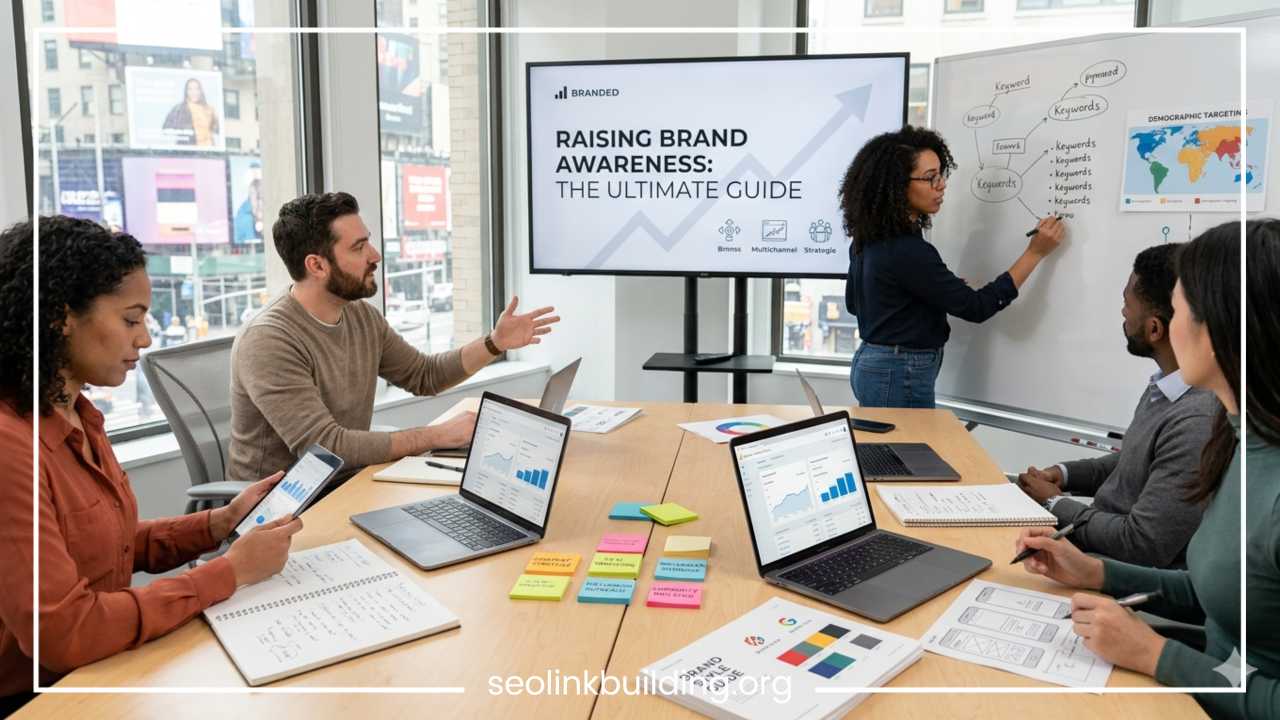
How to Enhance Brand Awareness: The Ultimate Guide


How to Enhance Brand Awareness: Ultimate Guide to Build a Powerful Brand
In the modern marketplace, where thousands of messages compete for a consumer’s attention every single day, the ability to stand out is not just an advantage—it is a necessity. Brand awareness is the silent engine that drives long-term business growth. It is the measure of how memorable and recognizable a brand is to its target audience. Without a foundation of awareness, even the most innovative products or services can languish in obscurity.
Enhancing brand awareness is more than just a marketing goal; it is about building a presence that lives in the minds of your potential customers. In an era defined by short attention spans and an overwhelming volume of digital noise, establishing a brand that people know, like, and trust is the ultimate competitive moat. This guide explores the multi-faceted approach required to build and sustain brand awareness through digital and offline channels, ensuring your business remains top-of-mind when it is time for a customer to make a purchase.
Before diving into strategies, it is essential to distinguish between three core concepts: brand awareness, brand recognition, and brand recall. Brand awareness is the broad umbrella term for how familiar people are with your brand. Brand recognition is a consumer’s ability to identify your brand based on visual or auditory cues, such as a logo or a jingle. Brand recall, the most difficult to achieve, is when a consumer thinks of your brand spontaneously when a product category is mentioned. This guide will provide the roadmap to achieving all three.
What is Brand Awareness?
Brand awareness represents the first stage of the marketing funnel. It is the level of familiarity a consumer has with a specific brand’s name, image, and qualities. It is not a binary state; rather, it exists on a spectrum of depth and quality.
The Levels of Awareness
Understanding where your audience sits on the awareness spectrum allows you to tailor your marketing efforts effectively:
-
The Unaware Audience: These individuals have no knowledge of your brand or the problem your product solves. The goal here is education and initial exposure.
-
The Recognition Stage: At this level, consumers can identify your brand when they see your logo or packaging. They might say, “I’ve seen that brand before,” but they may not know exactly what you do.
-
The Recall Stage: This is a deeper level of awareness. When a customer thinks of a category—such as “running shoes”—they can list your brand among a few others without seeing a visual prompt.
-
Top-of-Mind Awareness: This is the “gold standard.” When a customer thinks of a product category, your brand is the very first one they name. Think of Kleenex for tissues or Google for search engines.
The Foundation of the Funnel
Brand awareness is critical because it seeds the rest of the buyer’s journey. Before someone can consider your product (Consideration) or buy it (Conversion), they must first know you exist. By casting a wide net through awareness campaigns, you fill the top of your funnel with potential leads who can eventually be nurtured into loyal advocates.
For example, consider how brands like Apple or Nike operate. They do not just sell features; they sell a lifestyle and an identity. Because their brand awareness is so high, they do not have to explain what they sell every time they launch a new product. The “who” is already established, allowing them to focus on the “what” and “why.”
Why Brand Awareness Matters for Businesses
Investing in brand awareness is often viewed as a “soft” marketing metric because it does not always lead to an immediate sale. However, the long-term business impact is profound and measurable over time.
Building Trust and Credibility
In a world full of scams and low-quality products, consumers lean toward what is familiar. A brand that is consistently seen and heard feels safer. This perceived “safety” translates into trust, and trust is the primary currency of the digital economy. When you enhance brand awareness, you are essentially pre-selling your credibility.
Efficiency and Cost Reduction
As brand awareness grows, the cost of acquiring a customer (CAC) typically decreases. When people already know your name, they are more likely to click on your ads, open your emails, and engage with your social posts. This higher engagement rate improves the efficiency of your paid media spend. Furthermore, strong brand awareness fuels word-of-mouth marketing—the most cost-effective marketing channel in existence.
Competitive Advantage
In crowded markets, awareness serves as a tie-breaker. If a consumer is looking at two identical products at the same price point, they will almost always choose the brand they recognize. Brand awareness gives you a seat at the table during the decision-making process.
Know Your Target Audience
You cannot build awareness if you do not know who you are trying to reach. Attempting to be “everything to everyone” usually results in being “nothing to anyone.” A core foundation of brand awareness is audience clarity.
Creating Detailed Buyer Personas
A buyer persona is a semi-fictional representation of your ideal customer based on data and research. To build effective awareness, you must understand:
-
Demographics: Age, location, gender, income level, and job title.
-
Interests: What do they do in their free time? What other brands do they follow?
-
Pain Points: What problems are they trying to solve? What keeps them up at night?
-
Online Behavior: Where do they hang out online? Are they on LinkedIn for professional growth or TikTok for entertainment?
Using Data to Refine Your Focus
To move beyond guesswork, utilize tools like surveys, customer interviews, and platform analytics. Analytics platforms provide a wealth of information about who is currently visiting your site, while social media insights can reveal the interests of your followers. By narrowing your focus to a specific “tribe,” your brand awareness efforts become more concentrated and impactful.
Build a Strong Brand Identity
Brand awareness is not just about your name; it is about the “vibe” and visual language associated with your business. Consistency is the secret ingredient that turns exposure into recognition.
Visual Identity
Your logo, color palette, and typography are the face of your brand. They should be distinct and used consistently across every touchpoint—from your website and social media profiles to your email signature and physical packaging. Think of Coca-Cola’s specific shade of red or Apple’s minimalist aesthetic. These visual cues trigger instant recognition.
Voice and Tone
How does your brand “sound”? Is it professional and authoritative, or quirky and humorous? Defining a brand voice ensures that whether a customer reads a tweet or an in-depth whitepaper, they feel like they are talking to the same entity.
Values and Mission
Modern consumers, particularly younger generations, align themselves with brands that share their values. Clearly articulating your mission—whether it is sustainability, innovation, or community support—gives people a reason to remember you beyond just the products you sell. It creates an emotional connection that hardens brand recall.
Content Marketing for Brand Awareness
Content is the vehicle through which your brand’s personality and expertise are delivered to the world. It is one of the most sustainable ways to build awareness because it provides value rather than just asking for a sale.
Blogging and SEO Content
By creating high-quality, educational blog posts, you position your brand as a thought leader. When users search for answers to their problems on search engines, your brand appears as the solution provider. This “passive” awareness is incredibly powerful because it reaches the user at the exact moment they are seeking help.
Video and Visual Storytelling
Video is the most engaging form of content available today. Short-form videos, webinars, and brand stories allow you to show the “human” side of your business. Infographics are another excellent tool for awareness, as they are highly shareable and can condense complex information into a visually appealing format that often goes viral.
Distribution Strategy
Creating great content is only half the battle; you must also ensure it reaches people. This involves sharing content on social media, distributing it via newsletters, and using platforms like HubSpot to manage your content ecosystem. The goal is to create a “surround-sound” effect where your audience sees your content across multiple platforms.
Social Media Marketing Strategies
Social media is the modern-day town square. It is where brand awareness is often sparked through viral moments or consistent community engagement.
Choosing the Right Platforms
You do not need to be on every platform. A B2B software company may find more success on LinkedIn, while a fashion brand will likely thrive on Instagram or TikTok. Focus your energy where your target audience is most active.
Organic vs. Paid Strategy
-
Organic: This involves posting regular updates, responding to comments, and participating in trends. It is about building a long-term relationship with your audience.
-
Paid: Social media ads (such as those on Meta Platforms or LinkedIn) allow you to target specific demographics who haven’t heard of you yet. These ads are excellent for “seeding” awareness quickly.
Engagement and Community
Brand awareness is a two-way street. Don’t just broadcast; listen and respond. Engaging with followers in the comments or running polls and contests makes your brand feel accessible. Community building, such as through specialized groups or forums, turns casual observers into brand advocates.
Influencer and Partnership Marketing
One of the fastest ways to enhance brand awareness is to borrow the trust that others have already built.
The Power of Influencers
Influencer marketing works because of “trust transfer.” When a creator that an audience likes and trusts recommends your brand, that credibility is immediately associated with you. While “macro-influencers” have massive reach, “micro-influencers” (those with smaller, niche audiences) often have higher engagement rates and a more loyal following.
Strategic Partnerships
Co-marketing campaigns with non-competing brands that share your target audience can be a win-win. For example, a fitness app might partner with a healthy meal-delivery service. Both brands gain exposure to a new but relevant audience, doubling their reach with half the effort.
Search Engine Optimization (SEO)
SEO is the long game of brand awareness. While paid ads stop the moment you stop paying, a well-optimized website continues to generate awareness for years.
Keyword Research and Intent
By targeting “top-of-funnel” keywords—those that are broad and educational—you catch potential customers early in their journey. For example, a company selling organic tea might target keywords like “benefits of herbal tea” rather than just “buy green tea.”
On-Page and Technical SEO
Ensuring your titles, meta descriptions, and headings are optimized makes it easier for search engines to understand and rank your content. Furthermore, a fast-loading, mobile-friendly site provides a better user experience, which reflects positively on your brand image.
Local SEO
For brick-and-mortar businesses, local SEO is non-negotiable. Claiming your business listings and appearing in “near me” searches is the primary way local customers discover your brand.
Paid Advertising for Faster Awareness
While organic growth is sustainable, paid advertising is the “accelerant” that can put your brand in front of millions of eyes overnight.
Search and Display Ads
Google Ads allow you to appear at the very top of search results for specific queries. Display ads, on the other hand, show your visual banners on millions of websites across the internet, ensuring that your logo and messaging follow your target audience as they browse.
Retargeting
Retargeting is a sophisticated awareness tactic where you show ads to people who have already visited your website but didn’t convert. This keeps your brand top-of-mind and nudges them back to your site, reinforcing the awareness they already have.
PR, Media Coverage, and Brand Mentions
Third-party validation is often more believable than self-promotion. Public Relations (PR) is the art of getting other people to talk about your brand.
Online PR and Guest Posting
Getting featured on high-traffic industry websites or news outlets provides a massive boost to your credibility. Guest posting on reputable blogs not only provides a backlink for SEO but also introduces your brand to an established community.
Reputation Management
Awareness can be a double-edged sword if the sentiment is negative. Actively managing your brand mentions and responding to reviews (both good and bad) shows that you are an active and responsible business. High-quality PR ensures that when people search for your brand, they find positive, authoritative stories.
Community Building and Engagement
The strongest brands are those that foster a sense of belonging. Moving from a “customer base” to a “community” is the pinnacle of brand awareness.
Creating Dedicated Spaces
Whether it is a Discord server, a Facebook group, or a dedicated forum on your website, providing a space for your fans to interact with each other strengthens their bond with your brand.
User-Generated Content (UGC)
Encourage your customers to share photos or videos of themselves using your product. When a “real person” shares your brand with their own network, it acts as a powerful endorsement that reach far beyond your own marketing channels.
Measure Brand Awareness
You cannot manage what you do not measure. Since brand awareness is somewhat intangible, you must look at a combination of metrics to gauge success.
Key Metrics to Track
-
Website Traffic: Look specifically at “Direct” traffic and “Branded Search” (people typing your brand name into Google). An upward trend here is a direct sign of growing awareness.
-
Social Reach and Impressions: These numbers tell you how many unique eyes have seen your content.
-
Engagement Rate: Are people just seeing your posts, or are they interacting with them? High engagement suggests that your brand is making an impression.
-
Earned Media: Track how many times your brand is mentioned by influencers, news sites, or other blogs without you paying for it.
Tools for Tracking
Utilize Google Analytics to track traffic sources and behavior. Social media platforms provide native insights into reach and demographics. For more advanced tracking, brand lift surveys can be used to ask your audience directly if they recognize or remember your brand.
Common Mistakes to Avoid
In the quest for awareness, many brands fall into traps that can actually hinder their growth.
-
Inconsistency: Changing your logo, colors, or voice too often confuses the audience and prevents recognition from taking hold.
-
Ignoring Research: Guessing what your audience wants instead of looking at data leads to wasted spend on the wrong channels.
-
Over-Promotion: If every post is a “buy now” pitch, people will tune you out. Awareness is about providing value and building a relationship first.
-
Quantity over Quality: It is better to have a strong presence on two social platforms than a weak, automated presence on ten.
Depth in Awareness Tactics: Going Beyond the Surface
To truly reach the 2600-word depth, we must examine the “why” behind these tactics and how they integrate into a holistic strategy. Awareness is not a single event but a cumulative effect of multiple impressions.
The Power of Narrative in Awareness
Humans are hardwired for stories. A list of features is forgettable; a story about how a founder overcame an obstacle or how a customer’s life changed is memorable. To enhance awareness, your brand story must be the thread that connects all your content. When you tell a consistent story, you create an emotional anchor in the consumer’s mind.
The Role of Corporate Social Responsibility (CSR)
In the modern market, awareness is often tied to what a brand stands for. Ethical branding—practices that support the environment, social justice, or local communities—creates a “halo effect.” When your brand is associated with a positive cause, awareness spreads naturally through advocates who support that same cause. This “purpose-driven” awareness is often more resilient than awareness built solely on product utility.
Exploiting the Psychology of Color and Shape
In building brand identity, the choice of a blue logo (trust, stability) versus a red logo (excitement, urgency) is a strategic decision for awareness. These psychological triggers work at a subconscious level. When you consistently use these triggers, you reduce the “cognitive load” required for a customer to recognize you. This makes your brand feel familiar even to someone who has only seen it a few times.
Final Thoughts
Enhancing brand awareness is not an overnight task; it is a marathon of consistency, creativity, and strategic thinking. By understanding your audience, building a cohesive identity, and utilizing a mix of content, SEO, and paid strategies, you can move your brand from “unaware” to “top-of-mind.”
The digital landscape will continue to evolve, but the core principles of human psychology remain the same. People buy from brands they know and trust. Start by providing genuine value, stay consistent across every channel, and treat every interaction as an opportunity to reinforce your brand’s story. With patience and persistence, your brand will not just be seen—it will be remembered. Focus on the long-term goal of building a legacy, and the metrics of awareness will naturally follow.