Benefits of SEO Marketing

Top 10 Benefits of SEO Marketing for Small Business
In the modern marketplace, small businesses face a fundamental challenge: how to attract a consistent stream of customers without draining their limited financial resources on expensive traditional advertising. The physical storefront is no longer the sole primary point of interaction. Today, the customer journey almost always begins on a digital device. When a consumer needs a local service, a specialized product, or an answer to a pressing problem, they do not open a phone book or look at billboards. They open a browser and use a search engine.
For a small business, digital visibility is not merely a technical advantage; it is the cornerstone of commercial survival. While large corporations possess massive marketing budgets capable of funding extensive paid ad campaigns, smaller enterprises must operate more strategically. This is where search engine optimization, or SEO, becomes a powerful equalizer. SEO marketing for small business offers a reliable methodology to earn prominent visibility, establish brand authority, and attract a sustainable flow of qualified customers.
Instead of treating digital marketing as a recurring, transactional expense, forward-thinking small business owners view optimization as a long-term investment in digital real estate. By aligning your online presence with the specific algorithms of search networks, your business can claim a top spot on the results page where your audience is already looking. This comprehensive guide will explore the profound importance of SEO, detail the core mechanics of optimization, analyze the top ten specific benefits of SEO marketing for small business, and provide actionable frameworks to build a high-yielding SEO strategy.
What Is SEO Marketing?
Before exploring the commercial advantages, it is essential to establish a clear, technical understanding of what search engine optimization actually entails. Far from being a collection of arbitrary tricks or temporary hacks, optimization is a structured discipline focused on making digital content easily discoverable and highly valuable to both human users and automated systems.
Definition of SEO Marketing
Search engine optimization is the practice of enhancing a website to improve its visibility when people search for products, services, or topics related to a specific business. The ultimate objective is to secure prominent positioning on search engine results pages, commonly referred to as SERPs. Unlike paid advertising, which relies on a pay-per-click framework, true optimization focuses exclusively on winning organic search traffic. This means you do not pay the platform when a user clicks on your listing; instead, you earn that visit by creating superior, highly relevant web infrastructure.
How SEO Works
To appreciate the value of an optimized web property, you must understand the underlying mechanics of modern search platforms. Search engines rely on a continuous, multi-stage process to organize the world’s information.
-
Crawling: Search engines deploy automated software programs, frequently called bots, spiders, or crawlers, to explore the vast landscape of the public internet. These crawlers follow links from one webpage to another, scanning code, text, images, and overall site architecture to discover new and updated content.
-
Indexing: Once a crawler discovers a webpage, the data is sent back to the search platform’s massive data centers. Here, the page undergoes indexing, which means it is processed, analyzed, and stored in a colossal digital catalog. If a website possesses poor technical health or broken links, crawlers may struggle to read it, preventing it from being indexed properly.
-
Ranking: When a human user enters a query into a search bar, the engine evaluates its index to find the most accurate, reliable, and user-friendly answers. Complex mathematical formulas, or algorithms, analyze hundreds of distinct ranking variables within milliseconds to determine the precise order in which websites appear on the screen.
Types of SEO
A complete digital strategy does not rely on a single optimization technique. Instead, it balances four complementary pillars to maximize search platform visibility.
-
On-Page SEO: This refers to the adjustments made directly to the visible elements of your website. It includes optimizing your written copy, refining title tags, writing clear meta descriptions, managing your heading structure, and naturally integrating targeted keywords to help search systems understand your topical relevance.
-
Off-Page SEO: This involves actions taken outside your own website to influence your standings within the SERPs. The primary mechanism of off-page optimization is earning high-quality backlinks, which occur when reputable, authoritative external websites link back to your content. These links act as digital votes of confidence.
-
Technical SEO: This pillar focuses entirely on the backend infrastructure of your website. It ensures that search engine crawlers can navigate your site without encountering structural roadblocks. Technical optimization includes maximizing server speeds, ensuring secure data transmissions, and building a logical XML sitemap.
-
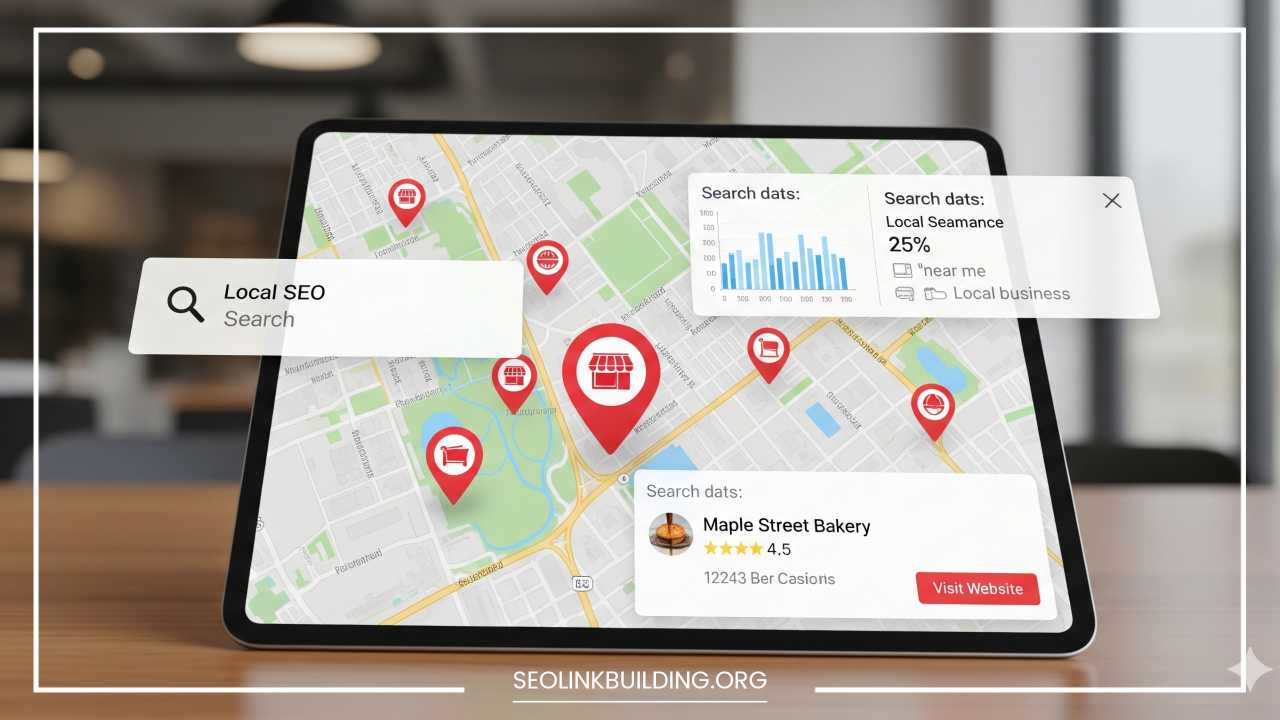
Local SEO: Crucial for brick-and-mortar storefronts and regional service providers, this specialization optimizes a business’s online footprint specifically for geographically relevant queries. It focuses heavily on directory listings, map visibility, and regional relevance.
Why SEO Matters for Small Businesses
Many small business owners fall into the trap of believing that search optimization is a luxury reserved exclusively for multi-national corporations. In reality, the exact opposite is true. Large enterprises can survive minor strategic inefficiencies due to their immense financial reserves; a small business must ensure that every marketing dollar delivers a tangible, measurable return.
The modern consumer path is explicitly digital. Studies consistently demonstrate that over eighty percent of consumers conduct online research before committing to a purchase, even if that purchase ultimately takes place inside a physical store down the street. If a consumer searches for a service you offer and your website is buried on the third or fourth page of the results, your business effectively does not exist to that buyer.
Furthermore, relying solely on paid traffic creates a highly fragile business model. The moment a small business stops feeding money into paid advertising platforms, its traffic drop-off is immediate and absolute. Organic search traffic, by contrast, acts as an enduring asset. An optimized article or location page continues to pull in relevant visitors month after month, creating a reliable foundation for digital customer acquisition. By prioritizing a dedicated SEO strategy, small business owners transition from renting temporary attention to owning permanent digital market share.
Top Benefits of SEO Marketing for Small Business
Implementing a structured optimization framework yields widespread benefits across every facet of a small enterprise. Below is an analytical breakdown of the top ten distinct ways search engine optimization empowers small businesses to thrive.
Increases Website Visibility
The most immediate and apparent outcome of structural optimization is a dramatic increase in website visibility. When a consumer uses a search engine, their attention is overwhelmingly concentrated at the very top of the screen. The top three organic listings capture the vast majority of all available clicks, while less than one percent of searchers ever click through to the second page of results.
By ascending the search rankings, a small business maximizes both its impressions and its real click-through volume. This creates a compounding wave of brand awareness. Even if a user does not click your link immediately on their first search, seeing your business name repeatedly at the top of the SERPs builds strong familiarity.
Consider a practical example: a small artisan bakery operating in a highly competitive urban neighborhood. If that bakery does not invest in optimization, it relies entirely on foot traffic and occasional social media posts. However, by optimizing their website for phrases like “organic sourdough near me” or “best custom birthday cakes,” they secure a first-page position. Now, every single person searching for premium baked goods in that city is exposed to the bakery’s brand, unlocking a continuous stream of discovery that would be impossible through traditional foot traffic alone.
Drives High-Quality Organic Traffic
All website traffic is not created equal. A social media post might go viral and bring thousands of casual onlookers to your website, but if those individuals have no genuine intent to buy, that traffic will not help your bottom line. Optimization is uniquely powerful because it generates intent-driven visitors.
When someone types a highly specific phrase into a search bar, they are actively looking for information, a particular service, or a product to purchase. They are demonstrating high commercial intent. By aligning your small business SEO strategy with these specific queries, you ensure that the people landing on your pages are already deeply interested in what you offer.
To capitalize on this, an effective strategy maps content across the three primary categories of user intent:
| Intent Type | User Objective | Small Business Strategy |
| Informational | Seeking answers, guides, or problem-solving insights. | Publish educational blog posts, detailed how-to guides, and tutorials. |
| Commercial | Investigating options, comparing brands, or reading reviews. | Create product comparison pages, detailed case studies, and feature lists. |
| Transactional | Ready to complete a purchase or book a service immediately. | Optimize high-converting landing pages, booking forms, and product checkouts. |
By structuring your site to serve these distinct layers of intent, you transform your web property into a filter that captures casual searchers and gently guides them toward making a purchase decision.
Generates More Leads and Sales
At its core, SEO is a highly efficient machine for lead generation and direct sales. Because optimization brings highly qualified, intent-driven users directly to your virtual doorstep, your conversion rates naturally outpace those of traditional outbound marketing methods.
When a consumer lands on a website via organic search, they are not being interrupted by an annoying pop-up or a television commercial; they are actively seeking an answer to their specific problem. If your webpage immediately presents a clear solution, along with a friction-free conversion path, the user is highly likely to take action. For service-based small businesses, this translates directly into filled contact forms, incoming phone calls, and automated booking requests. For e-commerce stores, it means instant product sales.
To fully unlock this benefit, small businesses must merge their keyword optimization with conversion rate optimization. This involves ensuring your digital phone numbers are clickable on mobile devices, keeping intake forms short and simple, and placing clear calls to action in prominent locations on your landing pages. When technical search health is paired with a clear conversion design, your website effectively functions as an automated, twenty-four-hour sales representative.
Builds Trust and Credibility
In the digital business environment, trust is a highly valuable currency. Consumers are naturally skeptical of unfamiliar brands, especially smaller companies that lack national recognition. Interestingly, search engine users have developed a deep, subconscious trust in search engine algorithms. They understand that platforms like Google work tirelessly to filter out spam and prioritize highly reputable sources.
Consequently, when your small business consistently appears at the top of the organic rankings, users automatically associate your brand with authority, industry expertise, and trustworthiness. This psychological benefit cannot be bought through paid advertising; in fact, many consumers deliberately skip past paid ads at the very top of the page, viewing them as biased or unearned.
Building this enduring credibility requires a holistic approach to optimization:
-
Helpful Content: Regularly publishing deeply researched, accurate, and educational content proves to your audience that you are an expert in your trade.
-
Security Standards: Implementing an HTTPS encryption protocol protects user data and signals to both visitors and search engines that your platform is safe.
-
Review Accrual: Actively gathering authentic client reviews on external directories validates your real-world performance.
-
Backlink Authority: Earning editorial mentions and links from other established local businesses or industry blogs confirms your reputation within your professional niche.
Provides Long-Term Results
One of the most frustrating aspects of traditional small business marketing is its fleeting nature. A direct-mail flyer campaign ends the moment the flyers hit the recycling bin. A paid advertising campaign on social media or search platforms stops generating clicks the exact second your daily budget runs dry or your credit card is charged.
Search engine optimization provides a completely different model: compounding, long-term returns. While it requires a significant upfront investment of time, research, and content creation, an optimized asset does not disappear overnight. A comprehensive, deeply valuable article or a perfectly structured local landing page can maintain its premium search rankings for months, or even years, after its initial publication.
This creates a dynamic of sustainable, evergreen traffic. Instead of starting from scratch at the beginning of every month, your small business builds upon the structural foundations laid in the past. As your overall site authority climbs, it becomes significantly easier to rank new content, creating a compounding growth curve where your marketing costs stabilize while your organic lead generation continues to scale upward.
Improves Local Customer Reach
For local service providers, physical retail outlets, medical practices, and regional contractors, local search optimization is the single most valuable component of digital marketing. Modern mobile users frequently search for immediate solutions using location-specific phrases or the common “near me” qualifier.
When a user executes a local search, search engines present a specialized feature known as the Local Map Pack. This element sits prominently above the standard organic listings, displaying a map alongside the top three matching local business profiles. Securing a spot in this Map Pack gives small businesses immense exposure to buyers who are frequently standing within driving distance and are ready to buy immediately.
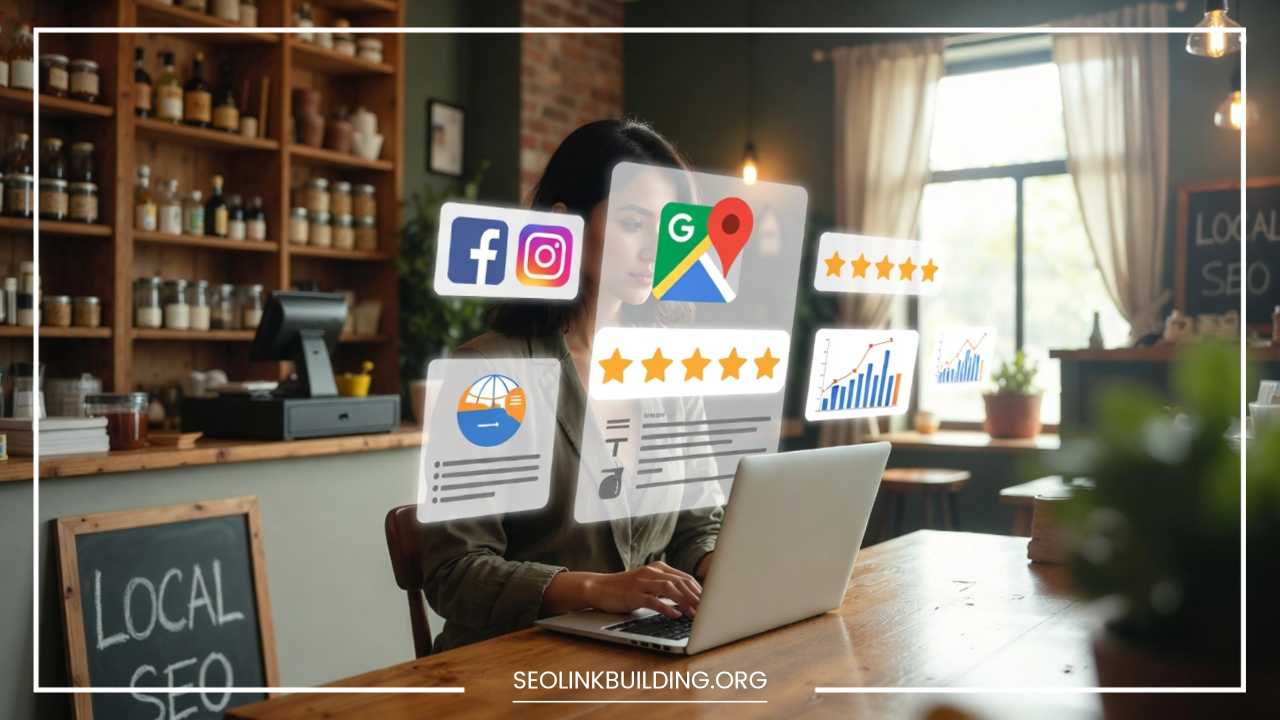
To dominate local search optimization, you must claim and fully optimize your Google Business Profile, ensuring your official company name, physical address, and telephone number are completely accurate and updated. Next, you must build consistent local citations across reputable online directories, encourage a steady stream of positive customer reviews, and explicitly mention your target neighborhoods, historic landmarks, and service regions within your website’s core copy. When these regional signals are strong, your business becomes the default option for your local community.
Delivers Better Return on Investment (ROI)
Every small business manager must keep a watchful eye on customer acquisition cost, or CAC. Outbound marketing channels like radio spots, billboard displays, local newspapers, and distributed flyers are notoriously difficult to track accurately and often suffer from exceptionally low conversion rates. This is because these channels push messages out to a broad, unfiltered audience, the vast majority of whom have zero current interest in your products.
Inbound optimization flips this dynamic on its head, delivering a remarkably high return on investment. Because you are only presenting your brand to consumers who have explicitly self-identified as searching for a solution, you waste zero capital on uninterested audiences.
Consider how optimization stacks up against alternative promotional formats:
| Marketing Channel | Targeting Accuracy | Asset Longevity | Cost Structure |
| Print & Radio Ads | Very Low (Broad Audience) | Temporary (Days to Weeks) | High Recurring Flat Fee |
| Paid Ads (PPC) | High (Keyword/Demographic) | Instant Cut-off when budget stops | Continuous Pay-Per-Click Fee |
| Organic SEO | Extremely High (User Intent) | Permanent (Months to Years) | Upfront Sweat Equity / Compounding Return |
By driving down your long-term customer acquisition cost, optimization frees up critical operational capital. That saved money can be funneled back into product development, hiring talented staff, or expanding your physical infrastructure, fueling further small business growth.
Enhances User Experience
A common misconception is that search optimization is designed purely to please complex computer algorithms. In reality, modern search engines have engineered their ranking systems to mirror human satisfaction. The ultimate goal of a search platform is to provide users with a flawless, helpful experience. Therefore, to rank highly, your website must deliver an outstanding experience to every visitor.
When you engage in structural optimization, you are inherently making your web property faster, easier to understand, and much more intuitive to navigate. This includes making sure your site layout works beautifully on mobile devices, organizing information with clear headings, and ensuring pages load within milliseconds.
These enhancements have a direct impact on how users interact with your business. When a potential customer lands on a fast, beautifully organized website, they naturally stay longer, read more articles, and explore your service offerings. This dynamic significantly lowers your bounce rate, which measures the percentage of visitors who leave your site after viewing only a single page. A low bounce rate sends a powerful positive signal back to search engines while quietly driving up your conversion rates.
Helps Small Businesses Compete with Bigger Brands
Competing directly with corporate conglomerates can feel like an impossible uphill battle for a small business owner. Massive national brands possess household names, endless advertising budgets, and immense digital authority. However, search optimization provides an arena where agility, deep specialization, and hyper-local relevance can defeat raw capital.
While a national corporation must optimize for highly competitive, broad search terms, a small business can use a focused SEO strategy to target long-tail keywords and niche search phrases. Long-tail keywords are highly specific phrases that typically contain three or more words. While these terms see lower overall monthly search volumes, they carry incredibly high commercial intent and are far less competitive.
For instance, a massive corporate footwear retailer will easily dominate the broad search phrase “running shoes.” A small, independent local running shop cannot hope to rank for that term. However, that local shop can easily optimize for “best orthopedic running shoes for marathon training in [City Name].” By focusing entirely on hyper-targeted local searches and creating highly detailed, helpful content around that specific niche, the small business can claim the top ranking, outmaneuvering the corporate giant and winning the highest-converting local customers.
Supports Overall Digital Marketing Strategy
It is a mistake to view search optimization as an isolated silo operating independently of your other marketing initiatives. In reality, optimization serves as the bedrock that strengthens and elevates your entire digital marketing ecosystem.
When you create high-quality, optimized text assets for your website, you are simultaneously building a library of premium content that can be cross-utilized to power all your other marketing channels:
-
Content Marketing: The deeply researched informational guides you create to win search traffic provide your brand with an ongoing supply of thought-leadership assets.
-
Social Media: Instead of constantly trying to think of new social media posts, your marketing team can break down your long-form optimized articles into short, engaging social media snippets that drive followers back to your site.
-
Email Marketing: These valuable resources can be packaged into weekly or monthly digital newsletters, nurturing your existing leads and driving repeat traffic.
-
Paid Campaigns (PPC): The rigorous technical optimization you perform to increase page speeds and refine user relevance directly boosts your quality scores in paid ad networks, effectively lowering your cost-per-click fees.
By investing heavily in optimization, you build a versatile digital foundation that amplifies the reach, efficiency, and return of every single marketing channel your small business utilizes.
Tips to Maximize SEO Results for Small Businesses
Achieving sustainable search platform visibility requires moving from theory to execution. Small business owners do not need to be master programmers to see meaningful growth; instead, they need to execute a handful of fundamental technical practices with absolute consistency.
Focus on Keyword Research
Effective keyword research is the foundation of any successful optimization campaign. You must avoid guessing what your prospective buyers are typing into search bars. Instead, use data-driven keyword research tools to discover the precise phrases, questions, and terms your audience uses. Prioritize identifying long-tail keywords that blend a healthy, reachable monthly search volume with clear commercial intent.
Create Helpful Content
Search platform algorithms have evolved to prioritize helpful, reliable, and user-centric content. Avoid publishing short, superficial articles that merely repeat common knowledge. Instead, focus on creating truly authoritative resources that fully resolve a searcher’s query. Take the time to answer common industry questions thoroughly, integrate practical examples from your own business experiences, and ensure your text is written in an accessible, highly scannable format using bold text and clear headings.
Optimize for Mobile
The vast majority of modern search traffic originates from handheld mobile devices. Search engines utilize mobile-first indexing, which means they evaluate the mobile version of your website to determine your overall rankings. You must ensure your web design is completely responsive, your text remains large and easy to read on small screens, and touch targets like buttons or forms are spaced out appropriately to prevent user frustration.
Improve Website Speed
Modern consumers expect websites to load almost instantly. A delay of even two or three seconds causes a massive spike in user abandonment. You can dramatically improve your website speed by compressing oversized product images, utilizing modern next-generation image file formats, cleaning up unnecessary website code, and leveraging a reliable web hosting provider. Regularly evaluate your platform’s technical metrics using free performance tools to monitor your Core Web Vitals.
Earn Quality Backlinks
To build real search platform authority, you must actively pursue high-quality backlinks from reputable external websites. Avoid low-quality link building schemes or buying backlinks, as these manipulative tactics can result in severe algorithmic penalties. Focus instead on organic outreach: build strong relationships with local business associations, pitch guest articles to respected industry blogs, or create unique data resources that local news outlets will naturally want to cite and link to.
Optimize Google Business Profile
For any enterprise reliant on regional clientele, fully claim and verify your free Google Business Profile. Ensure your operational hours, business address, and contact details match your website exactly. Regularly upload clear photos of your storefront, products, or team projects, post brief company updates directly to the platform, and build a systemized process to encourage your satisfied clients to leave authentic, detailed reviews.
Track SEO Performance
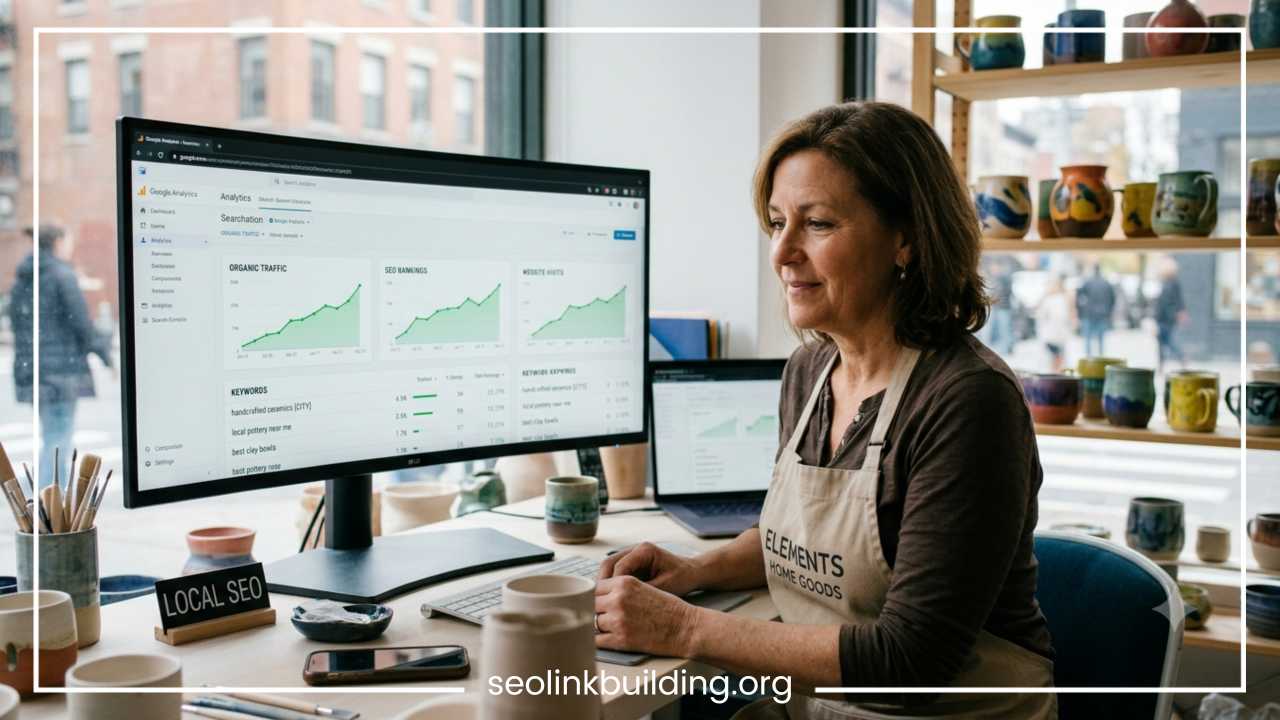
You cannot optimize what you do not measure. Small businesses should immediately integrate free tracking infrastructure like Google Analytics and Google Search Console. These tools allow you to monitor your organic search traffic growth, identify exactly which keywords are driving clicks, analyze user behavior, and catch technical indexing errors before they hurt your performance.
Common SEO Mistakes Small Businesses Should Avoid
When first launching an optimization strategy, it is remarkably easy for a small business to fall victim to outdated practices or counterproductive habits. Being aware of these pitfalls can save you months of stalled progress.
-
Keyword Stuffing: Artificially forcing your target keywords into your paragraphs over and over again ruins the readability of your content and can lead to search engine penalties. Write naturally for human beings first.
-
Buying Backlinks: Purchasing cheap packages of links from questionable web forums is a direct violation of webmaster guidelines. These toxic links destroy your site’s credibility. Focus entirely on earning authentic editorial links.
-
Ignoring Technical SEO: Even the most beautifully written blog post cannot rank if search engine crawlers are blocked from reading your code. Regularly monitor your site for broken links, duplicate content issues, and crawl errors.
-
Neglecting Local Optimization: Many regional service providers focus entirely on broad, national keywords, missing out on the highly valuable, hyper-localized buyers right in their own neighborhoods.
-
Expecting Instant Results: Optimization is a long-term strategy that requires patience. Expecting to rank number one for a highly competitive term within a week of launching a new site will only lead to premature frustration. True authority takes time to build.
Final Thoughts
Implementing a dedicated SEO strategy is one of the most powerful, transformative decisions a small business owner can make. In a digital marketplace where giant corporations command massive advertising budgets, optimization serves as an accessible equalizer, giving agile local businesses a clear path to win premium digital real estate.
By increasing your website visibility, capturing high-intent organic search traffic, building deep brand credibility, and enhancing user experience, search optimization creates an automated machine for long-term customer acquisition. Unlike the temporary gains of paid advertising, the digital authority you build through proper optimization acts as a permanent corporate asset that yields compounding, sustainable returns for years to come.
While the discipline requires a consistent upfront investment of focus and energy, the long-term competitive advantages are absolute. Do not allow your competitors to claim the top spots where your customers are already looking. Take control of your digital footprint, audit your technical health, and start optimizing your small business website today.
Frequently Asked Questions About Small Business SEO
How long does it take to see results from SEO for a small business website?
For most small businesses, noticeable results from organic search engine optimization typically take between four to six months. Unlike paid advertising campaigns that launch instantly, search platforms require time to crawl your new content, map user engagement metrics, and calculate your site’s overall authority relative to competitors.
During the first sixty to ninety days, your backend technical health is established and long-tail keywords begin to index. By months four through six, your target landing pages generally start climbing into higher visibility spots, driving a steady, compounding increase in organic traffic and local inbound leads.
What is the average monthly cost of SEO services for a small business?
The ongoing cost of professional optimization services typically ranges from $500 to $2,500 per month, depending completely on your industry’s local competition, the current technical state of your website, and your geographic targeting scale.
-
Local Campaign Scaling: Local service businesses targeting a single metropolitan suburb generally find entry-level packages highly effective.
-
Aggressive Regional Growth: Highly competitive markets (such as regional medical centers, legal services, or competitive e-commerce niches) require more intensive content production and technical resources, pushing investments toward the higher end of the scale.
Is hiring an affordable SEO agency better than doing DIY search optimization?
The choice between a specialized digital marketing agency and a do-it-yourself framework hinges entirely on your available weekly time versus your operational marketing budget.
Executing a successful organic strategy requires dozens of hours spent building custom location pages, resolving technical indexing errors, writing long-form content, and auditing keyword analytics data. While learning the basics of local optimization is highly achievable for small business owners, partnering with an experienced agency saves significant time and prevents costly technical optimization mistakes, allowing you to focus completely on your daily business operations.
Can a local small business rank on Google without a physical storefront?
Yes, a service-based business can easily rank at the top of local search listings without possessing a commercial retail location. When setting up your free Google Business Profile, you can specify your operation as a Service Area Business.
This feature allows you to define your explicit operational delivery radius by typing in specific zip codes, cities, or entire counties while keeping your residential address hidden from the general public. Combining a properly configured service area profile with hyper-targeted neighborhood landing pages on your primary website ensures you retain maximum visibility in regional map searches.
Which is better for immediate lead generation: SEO or Google PPC ads?
For small business models requiring a rapid influx of customer leads within forty-eight hours, Pay-Per-Click (PPC) advertising is the superior choice. Paid ads allow you to buy immediate traffic at the top of search networks by paying for every user click.
However, for a sustainable, high-yielding marketing asset that lowers your long-term customer acquisition costs, organic search optimization wins definitively. While paid traffic vanishes the exact moment your daily budget runs dry, a structurally optimized webpage acts as a permanent asset that brings in qualified, intent-driven customers for months without ongoing click costs.