Boost Website Traffic for Free | Proven Strategies to Increase Visitors

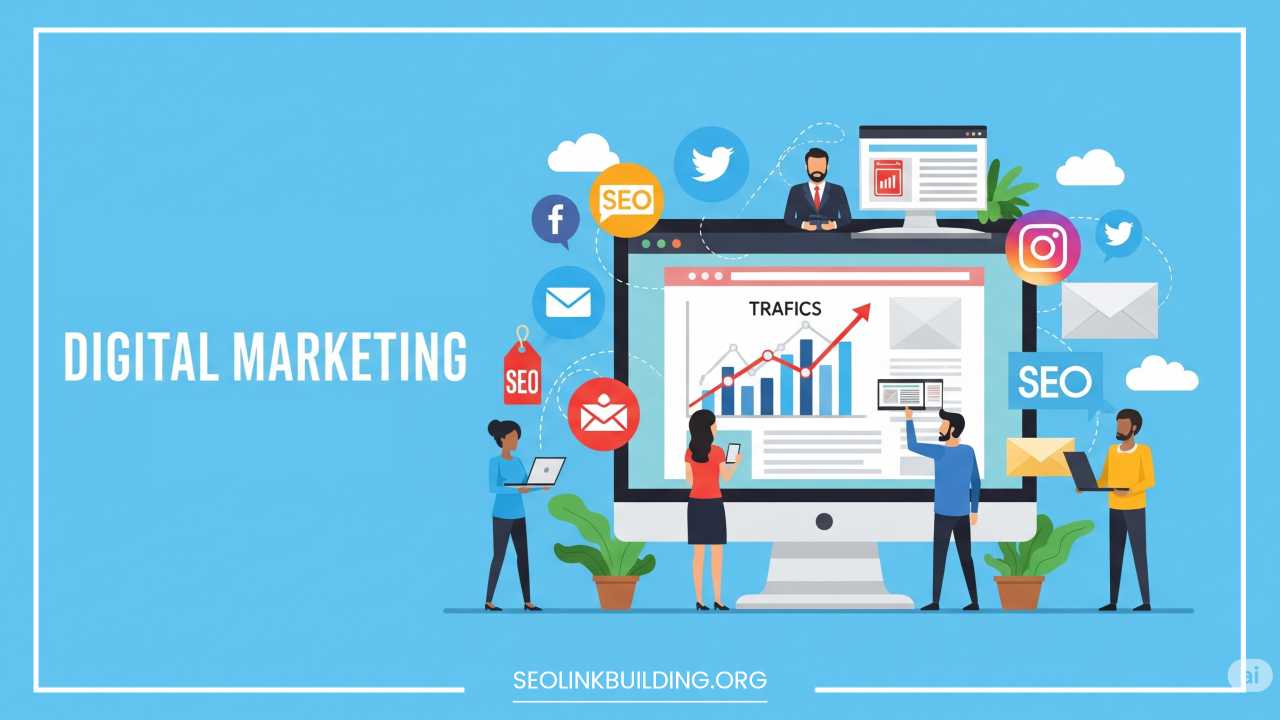
Boost Website Traffic for Free: A Comprehensive Guide to Organic Growth
In the dynamic digital landscape of today, a thriving online presence is no longer a luxury but a fundamental necessity. Whether you’re a burgeoning blogger, a small business owner, or an aspiring creative showcasing your portfolio, the lifeblood of your online venture is website traffic. Without visitors, even the most meticulously crafted website remains a digital ghost town. While paid advertising often appears to be the quickest route to visibility, it’s not always sustainable or accessible for everyone.
This comprehensive guide is dedicated to unlocking the immense potential of free website traffic – focusing exclusively on organic methods that require no monetary investment, only strategic effort and a commitment to delivering value.
This article will equip you with a robust arsenal of actionable strategies, from optimizing your site for search engines to leveraging the power of social media and community engagement. By the time you reach the end, you’ll have a clear roadmap to significantly boost your website’s visibility and attract a consistent stream of highly engaged visitors, all without spending a single penny on ads.
1. Optimize Your Website for SEO: Laying the Foundation for Discovery
Search Engine Optimization (SEO) is the cornerstone of organic website traffic. It’s the process of making your website more appealing to search engines like Google, increasing its chances of ranking higher in search results and thus being discovered by potential visitors. Far from being a mystical art, basic SEO principles are accessible and incredibly effective.
Basic On-Page SEO: Your Website’s First Impression
On-page SEO refers to the optimizations you make directly on your website. This includes:
- Meta Titles: The title tag is what appears in the browser tab and as the clickable headline in search results. It should be concise, compelling, and include your primary keyword. Aim for around 50-60 characters to ensure it’s fully displayed.
- Meta Descriptions: This short paragraph appears under your meta title in search results. While not a direct ranking factor, a well-written meta description acts as an “advertisement” for your page, enticing users to click. Include keywords naturally and create a compelling call to action. Keep it under 160 characters.
- Headers (H1, H2, H3, etc.): Headers break up your content, making it more readable for both users and search engines. Your H1 tag should contain your main topic/keyword, and subsequent H2s and H3s can be used for sub-topics, incorporating related keywords.
- URL Structure: Create short, descriptive, and keyword-rich URLs. Avoid long strings of numbers or irrelevant characters. For example,
yourwebsite.com/boost-website-traffic-freeis far better thanyourwebsite.com/p=12345.
Keyword Research with Free Tools: Understanding Your Audience’s Language
Keywords are the words and phrases people type into search engines. Identifying the right keywords is crucial for attracting relevant traffic. Fortunately, several free tools can assist you:
- Google Keyword Planner: While primarily designed for Google Ads, it offers valuable insights into search volume and competition for keywords. You’ll need a Google account to access it.
- Ubersuggest (Free Tier): Neil Patel’s Ubersuggest provides keyword ideas, content suggestions, and competitive analysis, with a limited number of free daily searches.
- AnswerThePublic: This tool visualizes questions, prepositions, comparisons, and alphabetical searches related to your chosen keyword, helping you uncover long-tail keyword opportunities and content ideas.
- Google Search Suggestions & “People Also Ask” Box: Simply typing a query into Google often reveals related searches and common questions, offering direct insights into user intent.
Focus on long-tail keywords (phrases of three or more words) as they often have lower competition and higher conversion rates, as they indicate more specific user intent.
Mobile Optimization & Site Speed: A Non-Negotiable for Modern Websites
With the majority of internet users Browse on mobile devices, a mobile-friendly website is no longer optional; it’s a critical ranking factor. Google’s mobile-first indexing means they primarily use the mobile version of your content for ranking. Ensure your website is responsive, meaning it adapts seamlessly to different screen sizes.
Site speed is another crucial element. Slow-loading websites frustrate users and lead to higher bounce rates, negatively impacting your SEO. Use Google’s PageSpeed Insights to identify areas for improvement, such as optimizing images, leveraging browser caching, and minimizing1 code.
Internal Linking Strategy: Guiding Users and Search Engines
Internal links connect one page on your website to another. They serve several purposes:
- Improved User Experience: They help users navigate your site and discover more valuable content.
- SEO Value: They distribute “link equity” (or “link juice”) throughout your site, signaling to search engines which pages are most important.
- Enhanced Crawlability: They help search engine spiders discover and index more of your pages.
Aim to link relevant content within your articles, using descriptive anchor text (the clickable text of the link) that includes keywords where appropriate.
Use of Alt Text for Images: Making Your Visuals Accessible and Searchable
Alt text (alternative text) is a short description of an image. It serves two primary functions:
- Accessibility: It provides context for visually impaired users who rely on screen readers.
- SEO: Search engines cannot “see” images, so alt text helps them understand the image’s content, which can improve your image’s chances of ranking in image search and contribute to overall page relevance for your target keywords.
Be descriptive and concise, and include keywords naturally where relevant.
2. Create High-Quality, Evergreen Content: The Magnet for Sustained Traffic
Content is king, and high-quality, evergreen content is the crown jewel of free traffic generation. Evergreen content is material that remains relevant and valuable to readers over a long period, rather than becoming outdated quickly. Think of it as a timeless resource that continues to attract visitors months and even years after publication.
What is Evergreen Content and Why It Matters
Unlike news articles or trend-based posts, evergreen content addresses fundamental problems, offers lasting solutions, or provides foundational knowledge. Examples include:
- “How-to” guides
- Tutorials
- Definitive guides
- Case studies
- Glossaries or encyclopedic entries
- Resource lists
The beauty of evergreen content lies in its compounding nature. Once published and optimized, it can consistently rank in search results and attract organic traffic without continuous updates (though periodic reviews and minor refreshes are always beneficial). This creates a steady stream of visitors over time, reducing the need for constant new content creation.
Content Formats: Catering to Diverse Learning Styles
Varying your content formats can appeal to a wider audience and keep your website engaging:
- How-To Guides: Step-by-step instructions for completing a task.
- Listicles: Articles presented in a list format (e.g., “10 Ways to Boost Website Traffic”).
- Tutorials: More in-depth, often visual guides, for specific processes.
- Case Studies: Real-world examples demonstrating a problem, solution, and results.
- Pillar Pages: Comprehensive guides on a broad topic, linking to more specific sub-topics.
Use Free Tools Like AnswerThePublic or Google Trends for Topic Ideas
Beyond keyword research, these tools help you understand what people are genuinely interested in:
- AnswerThePublic: As mentioned earlier, it’s fantastic for generating questions and prepositions related to a core topic, providing a wealth of long-tail content ideas.
- Google Trends: This tool shows the popularity of search queries over time, allowing you to identify rising trends or consistent interest in particular topics. It can also help you compare the popularity of different keywords.
Look for topics that solve common problems, answer frequently asked questions, or provide unique insights within your niche.
Consistency in Publishing Schedule: Building an Expectation
While evergreen content offers long-term value, maintaining a consistent publishing schedule signals to search engines that your website is active and regularly updated. It also trains your audience to expect new content from you. Whether it’s once a week, twice a month, or even monthly, choose a schedule you can realistically stick to and adhere to it. Quality always trumps quantity, but consistency amplifies your efforts.
3. Leverage Social Media: Expanding Your Reach and Engagement
Social media platforms are not just for personal connections; they are powerful tools for driving free traffic to your website. The key is to understand which platforms are best suited for your niche and how to engage authentically.
Best Platforms for Your Niche: Go Where Your Audience Is
Don’t try to be everywhere at once. Focus your efforts on the platforms where your target audience spends most of their time:
- Pinterest: Excellent for visually driven content, DIY, fashion, recipes, and educational infographics.
- LinkedIn: Ideal for B2B businesses, professional networking, and thought leadership.
- Facebook: Versatile for a wide range of niches, especially through groups and communities.
- Instagram: Strong for visual content, lifestyle brands, and influencers.
- X (formerly Twitter): Good for quick updates, news, and engaging in real-time conversations.
- YouTube: Perfect for video tutorials, product reviews, and educational content.
Use of Relevant Hashtags: Increasing Discoverability
Hashtags act as keywords on social media, making your content discoverable by users interested in specific topics. Research popular and relevant hashtags in your niche. Tools like Hashtagify (free tier) can help you find trending and related hashtags. Don’t overdo it; a few well-chosen, relevant hashtags are more effective than a long string of irrelevant ones.
Join and Engage in Niche Communities or Groups: Becoming a Trusted Voice
Many social media platforms host groups and communities centered around specific interests. Join these groups and actively participate by:
- Answering questions and offering helpful advice.
- Sharing valuable insights and resources (including your own content, but sparingly and only when directly relevant).
- Engaging in discussions and building relationships.
The goal is to become a trusted and valuable member of the community. Once you’ve established credibility, people will naturally be more inclined to check out your website.
Repurpose Content for Different Platforms: Maximize Your Effort
You don’t need to create entirely new content for every social media platform. Repurpose your existing content into different formats:
- Transform a blog post into an infographic for Pinterest or Instagram.
- Extract key quotes from an article for X (formerly Twitter) updates.
- Turn a how-to guide into a short video tutorial for YouTube or Instagram Reels.
- Summarize a case study for a LinkedIn post.
This strategy maximizes the reach of your valuable content and saves you time.
4. Utilize Email Marketing: Building a Direct Line to Your Audience
Email marketing remains one of the most effective ways to drive traffic and nurture leads. It allows you to communicate directly with your audience, bypassing algorithmic changes on social media or search engines.
Build a List Using Free Lead Magnets: Offering Value in Exchange for Contact
A “lead magnet” is a valuable piece of content or resource that you offer for free in exchange for an email address. Examples include:
- Free e-books or guides
- Checklists or templates
- Exclusive webinars or workshops
- Email courses
- Resource libraries
Place clear calls to action and sign-up forms prominently on your website.
Tools Like Mailchimp (Free Tier): Getting Started Without Investment
Several email marketing platforms offer free tiers that are perfect for beginners:
- Mailchimp: Offers a free plan for up to 500 contacts and 2,500 sends per month, along with basic automation features.
- MailerLite: Provides a free plan for up to 1,000 subscribers and 12,000 emails per month, with more advanced features than Mailchimp’s free tier.
These tools allow you to design professional-looking emails, manage your subscriber list, and track performance.
Share Blog Updates and Valuable Content: Driving Repeat Visits
Once you have an email list, use it to drive traffic back to your website. Send out newsletters informing subscribers about:
- New blog posts or articles
- Exclusive content or resources
- Important updates or announcements
- Curated content from other reputable sources (to add extra value)
Always provide a clear link back to your website for them to read the full content.
Encourage Sharing Through Email: Expanding Your Reach Organically
In your emails, encourage subscribers to share your content with their networks. You can include “share” buttons for social media or simply ask them to forward the email to anyone who might find it valuable. Word-of-mouth marketing is incredibly powerful, and your email list can be a catalyst for it.
5. Participate in Online Communities & Forums: Becoming a Resource
Engaging in relevant online communities and forums can position you as an expert and drive targeted traffic to your website. The key is to add genuine value before ever considering a link.
Reddit, Quora, Facebook Groups, LinkedIn Groups: Where Conversations Happen
These platforms host millions of active users discussing every conceivable topic:
- Reddit: A vast network of communities (subreddits) on virtually every subject. Find subreddits related to your niche and participate in discussions.
- Quora: A Q&A platform where users ask and answer questions. Look for questions related to your expertise and provide thorough, helpful answers.
- Facebook Groups: Private or public groups focused on specific interests.
- LinkedIn Groups: Professional networking groups for industry-specific discussions.
Add Value First (No Spamming Links): Building Trust and Credibility
This is paramount. Your primary goal in these communities is to help and inform, not to self-promote. Read the community guidelines carefully and adhere to them.
- Answer questions thoroughly and thoughtfully.
- Share your knowledge and expertise without expecting anything in return.
- Engage in genuine conversations.
Spamming links will get you banned and damage your reputation faster than anything else.
Include Links Naturally in Helpful Answers: When It Makes Sense
Only include a link to your website or a specific article when it genuinely adds value to your answer and is directly relevant to the discussion. For example, if someone asks a detailed question about a topic you’ve covered comprehensively on your blog, you can say something like, “I’ve actually written a detailed guide on this topic which you might find helpful. You can find it here [link].”
Build a Reputation as a Knowledgeable Source: The Foundation of Organic Clicks
By consistently providing valuable insights and helpful answers, you’ll build a reputation as an authoritative and trustworthy source within your niche. People will then naturally seek out your profile and website for more information, leading to highly qualified organic traffic.
6. Collaborate with Others: Expanding Your Network and Audience
Collaborating with other content creators, businesses, or influencers in your niche can introduce your website to a new, relevant audience, all without direct advertising costs.
Guest Posting on Other Blogs: Leveraging Established Audiences
Guest posting involves writing an article for another blog in your industry. In return, you usually get:
- A valuable backlink to your website (crucial for SEO).
- Exposure to the host blog’s established audience.
- Increased brand awareness and credibility.
Identify blogs that cater to a similar audience but aren’t direct competitors. Pitch unique, valuable content ideas that align with their readership.
Cross-Promotions with Influencers (Non-Paid): Mutual Benefit
Reach out to micro-influencers or content creators with a similar audience size to yours for reciprocal promotions. This could involve:
- Sharing each other’s content on social media.
- Mentions in newsletters or blog posts.
- Collaborative social media campaigns.
The key is to find partners who genuinely align with your brand and whose audience would benefit from your content.
Podcast Interviews or Blog Roundups: Diversifying Your Content and Reach
- Podcast Interviews: If you have expertise to share, pitch yourself as a guest on relevant podcasts. This exposes you to a new audience of engaged listeners who might then visit your website.
- Blog Roundups: Create “best of” or “expert roundup” posts where you feature content or insights from other creators. They will often share your roundup with their audience, sending traffic your way. Conversely, contribute to other people’s roundups when asked.
Broken Link Building (Advanced): A Win-Win for SEO and Traffic
This is a more advanced SEO strategy but highly effective:
- Find Broken Links: Use tools like Ahrefs Broken Link Checker (free for limited use) or the Check My Links Chrome extension to find broken links on relevant websites in your niche.
- Create Better Content: If the broken link was pointing to a piece of content that you have (or can create) that is superior or more up-to-date, create that content on your site.
- Reach Out: Contact the website owner, inform them of the broken link, and suggest your superior content as a replacement. This is a win-win: they fix a broken link, and you get a valuable backlink and traffic.
7. Use Free Tools & Analytics: Tracking, Tweak, and Improve
“What gets measured, gets managed.” To effectively boost your website traffic, you need to understand where your visitors are coming from, how they’re behaving, and what’s working (and what’s not). Fortunately, powerful free tools are available for this purpose.
Google Analytics and Search Console: Your Data Powerhouses
- Google Analytics: Provides invaluable insights into your website traffic. You can see:
- Audience Demographics: Who are your visitors (age, gender, interests)?
- Traffic Sources: Where are they coming from (organic search, social media, direct, referral)?
- Behavior Flow: How do users navigate through your site?
- Content Performance: Which pages are most popular?
- Conversions: Are users completing desired actions (e.g., signing up for a newsletter)? Analyzing this data allows you to refine your content strategy and marketing efforts.
- Google Search Console: This tool is crucial for understanding how your site performs in Google Search. It shows you:
- Search Queries: Which keywords are people using to find your site?
- Impressions and Clicks: How often your site appears in search results and how often it’s clicked.
- Indexing Issues: Any problems Google has crawling or indexing your pages.
- Manual Actions: If your site has received any penalties. Use Search Console to identify opportunities for keyword optimization and troubleshoot technical SEO issues.
Hotjar (Free Tier) for User Behavior Insights: Understanding the “Why”
While Google Analytics tells you what happened, Hotjar’s free tier helps you understand why. It offers:
- Heatmaps: Visual representations of where users click, move their mouse, and scroll on your pages. This helps you identify areas of interest or confusion.
- Recordings: Anonymous recordings of actual user sessions, allowing you to watch how visitors interact with your site.
- Polls & Surveys: Simple ways to ask users direct questions about their experience. Insights from Hotjar can reveal usability issues, content gaps, or elements that are distracting users.
SEO Plugins (Yoast, RankMath): Simplifying On-Page Optimization
If your website runs on WordPress, SEO plugins are indispensable for streamlining your on-page optimization efforts:
- Yoast SEO: A widely popular plugin that helps you optimize titles, meta descriptions, readability, and more. It provides real-time feedback as you write your content.
- RankMath: Another powerful alternative that offers similar features, often with a more extensive free tier, including schema markup integration and an SEO analysis tool.
These plugins make it easier to implement SEO best practices without needing deep technical knowledge.
Free Social Media Schedulers (Buffer, Hootsuite free plans): Streamlining Your Social Presence
Managing multiple social media accounts can be time-consuming. Free scheduling tools help you plan and automate your posts:
- Buffer (Free Plan): Allows you to connect up to 3 social accounts and schedule up to 10 posts at a time.
- Hootsuite (Limited Free Plan): Offers basic scheduling for a few accounts, primarily for monitoring streams.
By scheduling posts in advance, you can maintain a consistent social media presence without being glued to your screen, freeing up time for content creation and other growth activities.
8. Final Tips & Long-Term Strategy: The Marathon, Not the Sprint
Boosting website traffic for free is not a one-time task; it’s an ongoing process that requires patience, persistence, and a willingness to adapt.
Focus on Value Over Volume: Quality Attracts, Quantity Overwhelms
Resist the temptation to churn out mediocre content just for the sake of publishing. High-quality, valuable content that genuinely helps or entertains your audience will always outperform a large volume of sub-par material. Focus on creating fewer, but better, pieces of content that truly resonate.
Patience with Organic Growth: SEO Takes Time
Organic growth is a marathon, not a sprint. SEO results, in particular, can take months to materialize as search engines crawl, index, and rank your content. Don’t get discouraged if you don’t see immediate spikes in traffic. Consistency and adherence to best practices will pay off in the long run.
Keep Updating and Optimizing Existing Content: The Power of Freshness
Evergreen content doesn’t mean “publish once and forget.” Periodically revisit your older, high-performing articles:
- Update statistics and information: Ensure everything is current and accurate.
- Add new insights: Incorporate new findings, tools, or best practices.
- Improve readability: Break up long paragraphs, add more subheadings, and use visuals.
- Strengthen internal links: Add new internal links to your latest content.
- Optimize for new keywords: As your understanding of your audience deepens, you might discover new keyword opportunities. Updating existing content can significantly boost its search engine rankings and refresh its appeal to returning visitors.
Stay Informed on SEO and Digital Trends: The Ever-Evolving Landscape
The digital marketing landscape is constantly evolving. Google algorithms change, social media platforms introduce new features, and user behaviors shift. Dedicate time to staying informed:
- Follow reputable SEO blogs (e.g., Search Engine Journal, Moz, SEMrush blog).
- Subscribe to industry newsletters.
- Participate in online communities where trends are discussed.
- Attend free webinars or online courses. Being proactive about learning will ensure your strategies remain effective and your website continues to grow.
Final Thoughts
Boosting website traffic for free is an achievable goal, but it demands dedication, strategic planning, and a commitment to providing immense value to your audience. We’ve explored a comprehensive array of strategies, from the foundational principles of SEO and the creation of evergreen content to leveraging the power of social media, email marketing, and community engagement. We’ve also highlighted the importance of collaboration and armed you with free tools to track your progress and continuously optimize your efforts.
The digital world rewards those who are patient, persistent, and genuinely helpful. Begin implementing these strategies today, one step at a time. Create compelling content that resonates, optimize it for discovery, share it strategically across relevant platforms, and engage authentically with your target audience. Remember that consistency is the undeniable key to unlocking sustained organic growth and transforming your website into a thriving hub of activity. The journey to free website traffic is an exciting one, and with these actionable insights, you are well-equipped to embark on it successfully.