Difference Between Advertising and Sales Promotion

The Art of Influence: Deciphering the Distinctive Dynamics of Advertising and Sales Promotion
In the dynamic arena of modern commerce, businesses relentlessly strive to capture consumer attention and stimulate demand. At the heart of this endeavor lie two formidable tools: advertising and sales promotion. While both are integral components of the marketing communication mix, often working in concert and occasionally conflated in the popular imagination, they are fundamentally distinct in their objectives, strategies, longevity, and impact.
Understanding these unique dynamics is not merely an academic exercise; it is a critical imperative for marketers aiming to craft effective, sustainable strategies that drive both immediate sales and long-term brand equity.
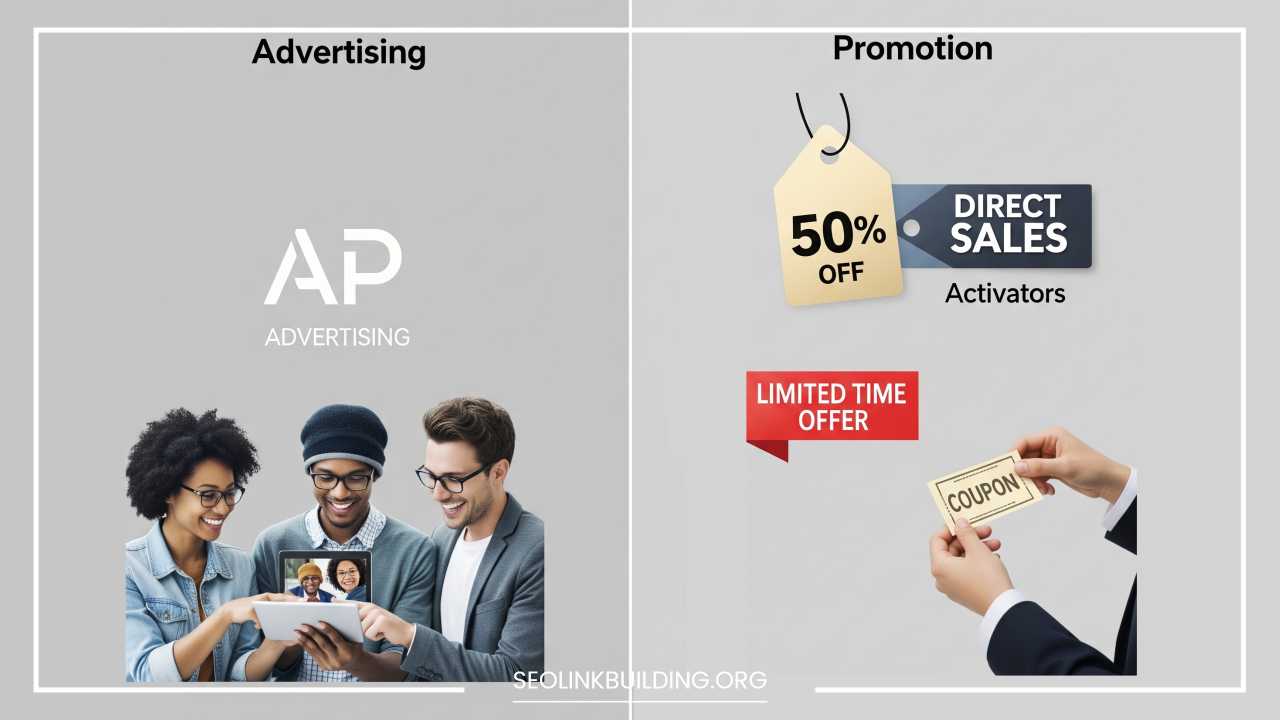
At its core, the distinction lies in their primary aims: advertising endeavors to build a brand, nurturing its image and fostering long-term preference, whereas sales promotion incites immediate action through tangible incentives. This nuanced differentiation underpins the entire marketing landscape, influencing everything from budget allocation to campaign design and performance measurement.
Defining the Pillars: A Foundational Understanding
To truly appreciate their differences, we must first establish clear definitions for each discipline.
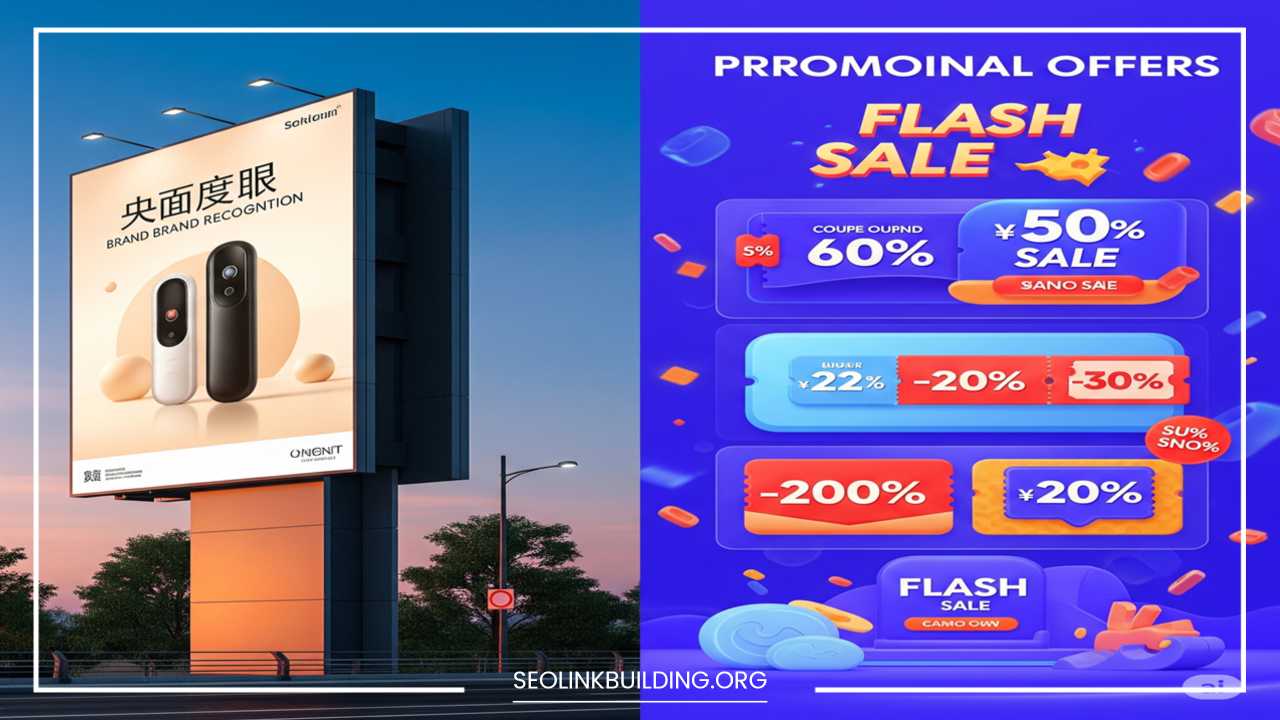
Advertising: Advertising can be defined as any paid, non-personal form of communication from an identified sponsor, disseminated through various mass media channels such as television, radio, print, billboards, and digital platforms. Its purpose transcends mere product information; it aims to persuade, inform, and influence consumer attitudes and perceptions towards a brand, product, or service.
The core objectives of advertising are multifaceted:
- Building Brand Awareness: Ensuring consumers know about the brand’s existence.
- Creating Brand Image: Shaping perceptions, associations, and the overall personality of the brand.
- Educating Consumers: Informing about product features, benefits, and usage.
- Fostering Long-Term Preference: Cultivating loyalty and repeat purchases over time.
- Generating Leads: Indirectly driving interest that can lead to sales.
Key characteristics of advertising include its typically informative and persuasive nature, often employing emotional appeals and aspirational narratives. It focuses on telling a brand’s story, building its narrative, and creating a cumulative, long-term impact that contributes to the brand’s overall value and standing in the market.
Sales Promotion: In contrast, sales promotion refers to a diverse collection of short-term incentives designed to encourage immediate purchase or sales from consumers or trade channels. Unlike advertising, which aims to create a desire, sales promotion focuses on providing a direct, tangible reason to buy now.
The core objectives of sales promotion are distinctly action-oriented:
- Stimulating Quick Sales: Driving immediate revenue spikes.
- Encouraging Trial: Getting new customers to try a product.
- Prompting Repeat Purchase: Encouraging existing customers to buy again sooner.
- Clearing Inventory: Moving excess stock efficiently.
- Countering Competitor Activity: Responding directly to rival promotions.
- Increasing Store Traffic: Drawing consumers into retail environments.
Sales promotion is characterized by its transactional nature, offering often price-related or value-added benefits that are immediate and measurable. Its impact is inherently short-term, designed to elicit a rapid response rather than build enduring sentiment.
Core Distinctions: A Comparative Analysis
While both advertising and sales promotion are critical elements of the marketing mix, a deeper dive into their core distinctions reveals why they are rarely interchangeable and most effective when strategically deployed.
A. Primary Objectives: Building vs. Buying
The most fundamental divergence lies in their primary objectives. Advertising is inherently about brand building. It lays the groundwork, establishing the brand’s identity, communicating its unique value proposition, and creating a positive emotional connection with consumers. Think of iconic advertisements that evoke feelings of nostalgia, ambition, or comfort; their goal is to embed the brand deeply within the consumer’s psyche, fostering long-term preference and loyalty. Without this foundational awareness and positive perception, a sales promotion might fall flat, as consumers have no existing reason to value the brand, even with a discount.
Sales promotion, conversely, is about buying. Its immediate aim is to convert interest into a transaction. It provides a direct, compelling reason for a consumer to complete a purchase, whether through a discount, a bonus offer, or an opportunity to win. For instance, a “Buy One Get One Free” offer isn’t about building brand love; it’s about moving units now. The critical insight here is that advertising establishes the ‘why buy this brand?’, while sales promotion answers the ‘why buy it now?’.
B. Time Horizon: Long-Term vs. Short-Term Gains
The temporal orientation of these two tools is strikingly different. Advertising operates on a long-term horizon. Its effects are cumulative, building brand equity and awareness gradually over sustained periods. A single advertisement might not instantly boost sales, but consistent, strategic advertising over months and years can solidify a brand’s position in the market, making it top-of-mind for consumers. This sustained effort accrues intangible assets like brand reputation and customer loyalty.
Sales promotion, by design, focuses on short-term gains. Its campaigns are typically finite in duration, designed to elicit an immediate response. The impact is felt rapidly, often in spikes of sales during the promotional period. While effective for quick boosts, an over-reliance on sales promotions can lead to a problematic “addiction” for both the consumer and the brand. Consumers may become conditioned to wait for discounts, eroding the brand’s perceived value and making it difficult to sell at full price. Brands, in turn, may find themselves trapped in a cycle of needing promotions to meet sales targets, potentially damaging long-term profitability and brand image.
C. Nature of Communication: Persuasion vs. Incentive
The very essence of their communication differs. Advertising is fundamentally about persuasion. It appeals to emotions, logic, and aspirations. It crafts compelling narratives, showcases benefits, highlights unique selling propositions, and creates desire. An advertisement for a luxury car, for example, doesn’t offer a discount; it evokes feelings of status, performance, and aspiration, creating a strong desire for the product based on its perceived value. It tells a story that resonates with the target audience.
Sales promotion, conversely, operates on the principle of incentive. It offers a direct, often tangible, economic or value-added benefit in exchange for immediate action. A coupon, a free sample, a contest entry – these are concrete benefits designed to overcome purchase inertia. The psychological underpinning is clear: advertising creates perceived value and desire, while sales promotion offers actual, immediate value that makes the purchase decision easier and more rewarding in the short term.
D. Target Audience: Broad Reach vs. Specific Segments
Advertising typically aims for a broad reach, targeting a wide consumer base to establish general brand recognition and favorable attitudes. A prime-time television commercial, for instance, is designed to be seen by millions, regardless of their immediate purchase intent. Its goal is to create widespread awareness and a positive general impression.
Sales promotion, while it can also be broad, often allows for much more specific targeting. Promotions can be tailored for first-time buyers (e.g., “20% off your first order”), loyal customers (e.g., exclusive loyalty program discounts), or even channel partners (e.g., trade allowances for retailers). This precision allows for highly efficient conversion rates, as the incentives are directly aligned with the specific behavior desired from a defined segment. Advertising can prime a wider audience, making them receptive to specific, targeted promotions down the line.
E. Impact on Brand Equity: Building vs. Potential Erosion
This distinction is perhaps one of the most critical for long-term business health. Advertising directly contributes to positive brand equity. By consistently communicating a brand’s value, quality, and unique attributes, advertising strengthens its image, increases its perceived value, and fosters a premium perception. A brand built on strong advertising can command higher prices and inspire greater customer loyalty.
Sales promotion, if overused or poorly managed, carries the risk of eroding brand equity. Constant discounting can cheapen a brand’s image, train customers to wait for sales, and make it difficult to sell at full price. This “promo dependency” can lead to reduced profit margins and a perception that the brand is not strong enough to command its listed value. The delicate balance lies in using sales promotions strategically to complement brand building, rather than as a substitute for it. Judicious use of promotions can drive trial without undermining the brand, while excessive reliance can turn a luxury brand into a discount brand.
F. Measurement and Metrics: Qualitative vs. Quantitative
The methods used to measure the effectiveness of each also differ significantly. Advertising’s impact is often measured through qualitative and indirect quantitative metrics. These include brand recall surveys, recognition studies, sentiment analysis, website traffic driven by campaigns, engagement rates on digital platforms, and shifts in brand perception. While these metrics provide insights into brand health, attributing direct sales increases solely to advertising can be challenging due to numerous confounding factors.
Sales promotion, conversely, offers highly quantitative and direct metrics. Its effectiveness can be precisely measured through redemption rates of coupons, sales volume increases during the promotional period, new customer acquisition numbers, market share shifts, and the return on investment of the promotional spend. The immediate and tangible nature of promotions allows for clear, data-driven analysis of their short-term success. The challenge lies in integrating these direct metrics with the broader, more intangible impact of advertising to create a holistic view of marketing effectiveness.
G. Typical Tools and Techniques: A Differentiated Toolkit
Each discipline employs a distinct set of tools and techniques:
- Advertising Tools: Encompass a vast array of media, including traditional formats like TV commercials, print advertisements (newspapers, magazines), radio spots, and billboards. In the digital age, this extends to digital display ads, search engine marketing (SEM), social media advertising (paid campaigns), native advertising, and content marketing (when paid for distribution).
- Sales Promotion Tools: Include consumer-oriented tactics like discounts, coupons, rebates, loyalty programs, contests, sweepstakes, samples, free trials, bundled offers (“buy one, get one free”), and point-of-purchase (POP) displays. It also extends to trade promotions aimed at intermediaries, such as trade allowances, spiff money, and cooperative advertising.
The evolution of these tools in the digital age has sometimes blurred the lines; for example, sponsored content on social media might serve both brand-building and direct-response purposes, and influencer marketing can combine brand endorsement with specific discount codes. However, the underlying intent – whether to build an image or drive an immediate transaction – remains the critical differentiator.
The Symbiotic Relationship: When Two Are Stronger Than One
Despite their distinct characteristics, advertising and sales promotion are not mutually exclusive. In fact, they are most powerful when integrated and coordinated as part of a holistic marketing strategy. This synergy is best understood through the concepts of “pull” and “push” strategies.
Advertising primarily acts as a “pull” strategy, generating consumer demand and pulling products through the distribution channel. It creates desire and brand loyalty, prompting consumers to seek out the advertised product. Without the “pull” of advertising, sales promotions might struggle to gain traction, as there’s no pre-existing interest in the brand.
Sales promotion often functions as a “push” strategy, providing incentives to distributors, retailers, and consumers to “push” the product through the channel. It facilitates immediate transactions once awareness and desire have been established.
The most successful marketing campaigns employ an Integrated Marketing Communications (IMC) approach, where advertising and sales promotion work in harmony, each reinforcing the other to achieve overarching marketing objectives. Consider these examples of successful synergy:
- Product Launch: Advertising creates buzz and awareness for a new product, educating potential customers about its benefits. Simultaneously, sales promotions (e.g., introductory discounts, free samples) encourage initial trial and adoption, capitalizing on the interest generated by advertising.
- Seasonal Campaigns: Advertising sets the festive mood and positions products for a specific season (e.g., holiday gifts). Sales promotions (e.g., “Black Friday” deals, holiday bundles) then provide the direct incentive for consumers to make purchases during that peak period.
- Loyalty Programs: Advertising builds brand affinity and communicates the value of being a loyal customer. Sales promotions (e.g., exclusive discounts for loyalty members, bonus points) then reward that loyalty, encouraging repeat purchases and deepening the customer relationship.
Misconceptions and Challenges
The interplay between advertising and sales promotion is not without its challenges and common misconceptions:
- Over-reliance on Sales Promotion: A frequent pitfall is the temptation to use sales promotions as a quick fix for declining sales, neglecting the fundamental need for brand building. This can lead to a race to the bottom in pricing, where brands constantly undercut each other, eroding profit margins and consumer perception of value.
- Difficulty in Measuring Advertising ROI: While sales promotions offer clear, direct sales metrics, the long-term ROI of advertising is often harder to quantify directly. This can lead to underinvestment in advertising, especially in times of economic pressure, which can have detrimental effects on brand health in the long run.
- Consumer Expectation of Discounts: In markets saturated with promotions, consumers can become conditioned to expect perpetual discounts, making it challenging for brands to sell at full price without generating resistance.
- Brand Dilution: As discussed, excessive promotional activity can dilute a brand’s premium image, transforming it from a desired item into a commodity.
Final Thoughts: Mastering the Marketing Mix for Sustainable Growth
In the intricate dance of commercial influence, both advertising and sales promotion play indispensable, yet distinct, roles. Advertising acts as the architect of brand identity, building the foundation of awareness, cultivating desire, and fostering long-term emotional connections that resonate with consumers. It is the sculptor of brand equity, ensuring that a brand remains relevant and desired in the minds of its audience over time.
Sales promotion, on the other hand, serves as the catalyst for immediate action, providing the direct impetus for a transaction. It is the accelerant that converts nascent interest into concrete sales, clearing inventory, encouraging trial, and driving rapid shifts in market share.
Effective marketing is not about choosing one over the other; it is about skillfully orchestrating both, understanding their unique strengths and limitations, and deploying them in a complementary fashion. A balanced approach ensures that advertising nurtures the brand’s long-term vitality, while sales promotion drives crucial short-term sales targets.
By respecting their individual dynamics and integrating them into a cohesive strategy, businesses can achieve not only immediate commercial success but also foster enduring brand loyalty and sustainable growth in an ever-competitive marketplace. The art of influence lies in knowing when to build, and when to buy.