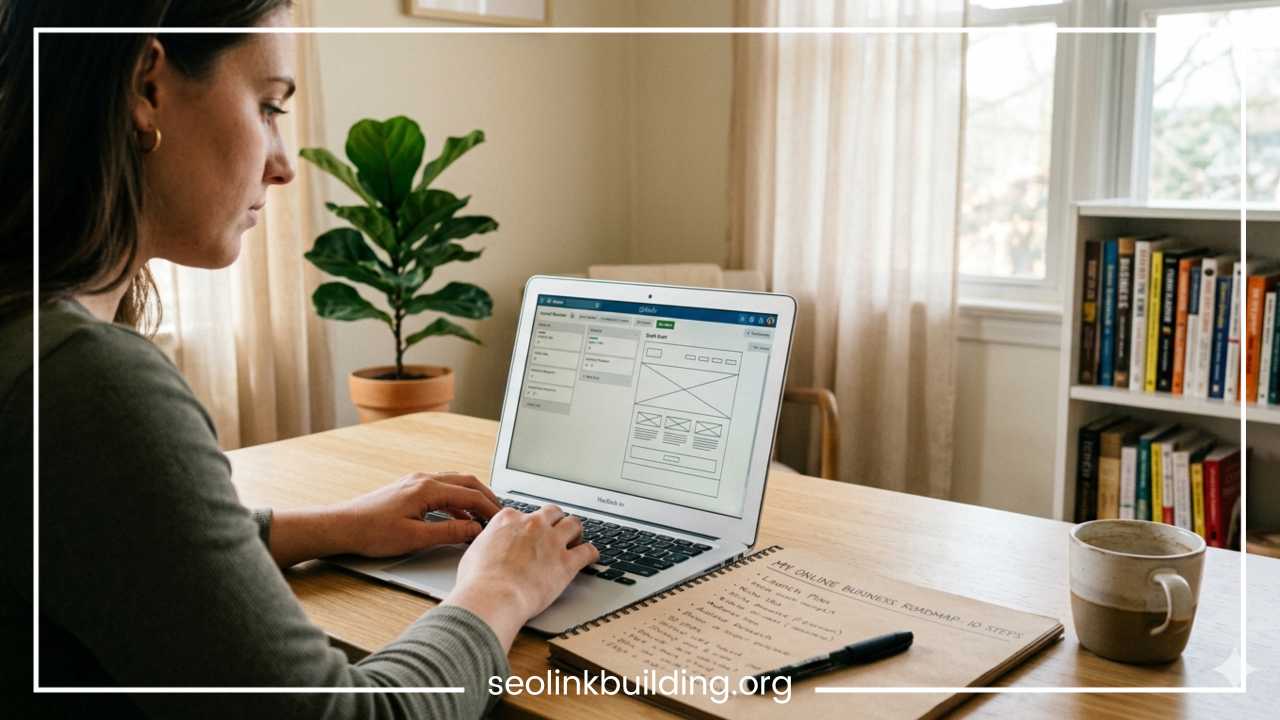
How to Start an Online Store With No Money

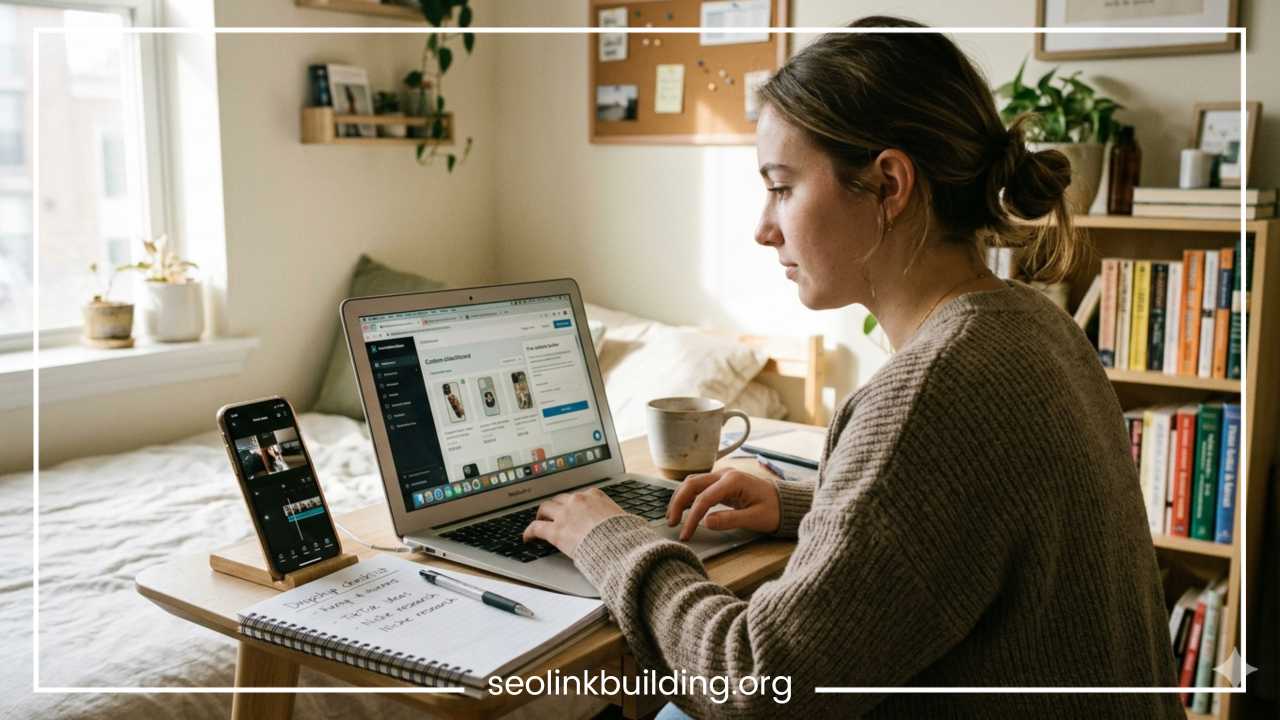
Start an Online Store With No Money – Beginner’s Guide
The Reality of No Money
The dream of starting an online business is often met with a harsh psychological barrier: the belief that you need a massive war chest of capital to even get off the ground. We are conditioned to believe that “it takes money to make money.” While that is true for scaling a multi-national corporation, the digital landscape has fundamentally rewritten the rules for the individual entrepreneur.
Starting an online store with zero dollars is entirely possible, but it requires a perspective shift. You are essentially substituting financial capital with “sweat equity.” Instead of paying for inventory, you will spend time researching. Instead of paying for a professional web designer, you will spend time learning a user-friendly platform. Instead of paying for high-octane advertisements, you will spend time building a community and creating content.
This guide is for the students, the stay-at-home parents, the side-hustlers, and the curious beginners who have more ambition than cash. By the end of this article, you will have a practical, step-by-step roadmap that bypasses the traditional costs of retail. You will learn how to leverage modern business models, free digital tools, and organic marketing strategies to go from an idea to a live, profit-generating storefront without spending a single dime upfront.
Choose a Business Model That Requires $0 Inventory
The most significant expense in traditional retail is inventory. Buying products in bulk, storing them in a warehouse, and hoping they sell is a high-risk gamble. To start for free, you must choose a business model that eliminates the need to hold stock.
Dropshipping
Dropshipping is the most popular “zero-upfront” model. In this setup, you act as the middleman. You list products on your website that are actually held by a third-party supplier. When a customer buys from you, you then purchase the item from the supplier, who ships it directly to the customer.
-
Pros: Minimal risk; wide variety of products available.
-
Cons: Lower profit margins; less control over shipping times and quality.
Print-on-Demand (POD)
Print-on-demand is a specialized version of dropshipping focused on custom designs. You create designs for t-shirts, mugs, posters, or books. These items are only printed and shipped once a customer makes a purchase.
-
Pros: Allows for unique branding and creativity; no “unsold” stock.
-
Cons: Production costs per item are higher than bulk printing.
Digital Products
This is perhaps the “purest” zero-cost model. Selling ebooks, templates, stock photos, or online courses requires no physical shipping and no manufacturing.
-
Pros: Nearly 100% profit margins; infinite “inventory.”
-
Cons: Requires significant time and skill to create the initial product.
Affiliate Stores
Instead of selling products yourself, you create a curated store that links to products on other sites (like Amazon or specialized brands). When someone clicks your link and buys, you earn a commission.
-
Pros: No customer service or shipping responsibilities.
-
Cons: You don’t own the customer relationship; commissions can be small.
Pre-orders and Made-to-Order
This model involves selling a product before it is manufactured. You use the funds from the initial sales to pay for the first production run.
-
Pros: Validates demand before you spend a penny.
-
Cons: Customers must be willing to wait longer for delivery.
Find a Profitable Niche
When you have a billion-dollar budget, you can afford to sell “everything to everyone.” When you have a zero-dollar budget, you must sell a “specific thing to a specific person.” A niche is a focused segment of a broader market. Instead of “pet supplies,” your niche might be “orthopedic beds for aging Great Danes.”
Why Niche Matters More Than Budget
In a saturated market, ads are expensive. In a niche market, organic search and community engagement are free. You can become an authority in a small niche through consistent content, whereas you will always be outspent in a broad market.
How to Validate Demand
Never guess what people want. Use free tools to verify that there is an active audience:
-
Google Trends: Look for topics that have steady or rising interest over time. Avoid “fads” that are crashing.
-
Marketplace Research: Go to Etsy or Amazon. Look at the “Best Sellers” in specific categories. Read the 1-star and 2-star reviews; these are gold mines for identifying what customers feel is missing in current products.
-
Social Media Signals: Look at hashtags on TikTok or Instagram. Are people making “unboxing” videos or asking “where can I buy this?” in the comments?
Avoid These Traps
-
Oversaturated Markets: Trying to sell generic phone cases or basic white t-shirts is a losing battle without a massive ad budget.
-
No-Demand Hobbies: Just because you love making hand-painted rocks doesn’t mean there is a large enough market to sustain a business. Balance your passion with market data.
The Validation Checklist
-
Is there a group of people passionate about this topic?
-
Do these people have a specific problem I can solve?
-
Are they already spending money on similar solutions?
-
Can I reach them for free on social media?
Validate Your Idea Before Building Anything
The biggest mistake new entrepreneurs make is spending weeks building a beautiful website for a product nobody wants. In the “zero dollar” world, you validate first and build second.
Create a Simple Landing Page
You don’t need a 10-page store yet. Use a free landing page builder or even a social media profile to describe your offering. The goal is to see if people will take an action—like signing up for a newsletter or clicking a “Notify Me on Launch” button.
Collect Emails or Pre-orders
An email list is a form of currency. If you can get 100 people to give you their email address in exchange for a “10% off” coupon for a future product, you have validated demand. If nobody signs up, your niche or your messaging is off, and you’ve saved yourself the time of building a store.
Test Interest with Content
Post a video of a product prototype or a mockup of a digital design. If the video gets engagement and questions about pricing, you have a winner. This “lean” approach ensures that when you finally do build your store, you are opening the doors to a waiting audience.
Set Up Your Store for Free
Once you have validated your idea, you need a place to process transactions. You do not need to hire a developer. Several platforms allow you to start for free or with a very low-cost entry point.
Top Platforms for Beginners
-
Shopify: While Shopify is a paid service, they frequently offer extended “trial” periods (e.g., $1 for the first three months). This is often enough time to make your first few sales and fund the subscription.
-
Ecwid: This platform allows you to start a “forever free” plan with up to five products. It’s perfect for beginners who want to embed a store into an existing blog or social media page.
-
Gumroad: Ideal for digital products and artists. There are no monthly fees; they simply take a small percentage of each sale. You only pay when you get paid.
-
WooCommerce: If you already have a WordPress site, WooCommerce is a free plugin. However, keep in mind you will need to pay for web hosting elsewhere.
Domain vs. Free Subdomain
When you start for free, your URL will often look like yourbrand.gumroad.com or yourbrand.myecwid.com. While a custom .com is more professional, it usually costs about $12–$15 per year. If you truly have zero dollars, start with the free subdomain. You can always “point” a professional domain to your store later once you’ve made your first $20.
Themes and Payments
Stick to the free themes provided by the platform. These are usually optimized for mobile and speed. For payments, most platforms integrate easily with PayPal or Stripe. Note that while the platforms might be free, payment processors always take a small transaction fee (usually around 2.9% + $0.30).
Source Products Without Inventory
If you aren’t creating digital products, you need a way to get physical goods to your customers.
Top Sourcing Platforms
-
AliExpress: The giant of dropshipping. You can find almost any consumer good here. Use tools like DSers to sync AliExpress products directly to your store.
-
Printful or Printify: These are the industry leaders for Print-on-Demand. They integrate with most store builders, so when a customer buys your custom-designed hoodie, the order is sent automatically to their factory.
-
CJ Dropshipping: A popular alternative to AliExpress that often offers faster shipping options and better quality control.
Tips for Reliable Sourcing
-
Filter for Shipping Times: Look for suppliers who offer “tracked” shipping or specialized lines that arrive in 7–14 days rather than 30–60.
-
Check Supplier Ratings: Only work with suppliers who have been active for at least a year and have a high positive feedback score (95% or higher).
-
Communicate: Send a message to the supplier. If they don’t respond to a simple question within 24 hours, they won’t be there for you when a customer has a problem.
Build a Store That Actually Converts
A “conversion” is when a visitor becomes a buyer. A store with 10,000 visitors and zero sales is a failure. To convert visitors, your store needs to look trustworthy and professional.
Product Page Essentials
Your product page is your salesperson. It must do three things:
-
Focus on Benefits: Don’t just list the technical specs. Tell the customer how the product will make their life better, easier, or more fun.
-
Use High-Quality Images: If you are dropshipping, do not just use the supplier’s grainy photos. Ask for samples or find creative ways to edit existing photos to look unique.
-
Social Proof: Even if you haven’t made a sale, you can include “trust badges” (secure checkout icons) or reviews from testers.
User Experience (UX)
The majority of your customers will be on their phones.
-
Mobile-First: View your store on your own phone. Is the text readable? Is the “Buy” button easy to click with a thumb?
-
Speed: Avoid large, uncompressed images that slow down the site. A three-second delay can cost you half your traffic.
-
The “Two-Click” Rule: A customer should be able to get from your homepage to the checkout in as few clicks as possible.
Free Marketing Strategies
This is the most critical section. Without money for ads, you must master “Organic Marketing.”
TikTok and Instagram Reels
Short-form video is the “great equalizer” for small businesses. A single clever video can get millions of views for $0.
-
The “Behind the Scenes” Hook: Show how you pick your products, how you design your items, or your “daily routine” as an entrepreneur. People buy from people, not faceless corporations.
-
Educational Content: If you sell skincare, don’t just say “buy this cream.” Make a video on “3 ways to fix dry skin in winter.”
Pinterest is not a social media platform; it is a visual search engine. Users go there specifically to find inspiration for things to buy.
-
Create “Pins” that lead directly to your product pages.
-
Focus on aesthetic, high-quality imagery.
-
Pins have a much longer “shelf life” than a tweet or a Facebook post, often driving traffic for months or years.
SEO (Search Engine Optimization)
Blogging is a slow burn but a powerful one. By writing articles related to your niche (e.g., “The Best 10 Gifts for Mountain Bikers”), you can rank on Google. When people search for those terms, they find your article, which contains links to your products.
Online Communities
Join Reddit subreddits, Facebook groups, or Discord servers related to your niche. Warning: Do not spam your link. Instead, provide genuine value. Answer questions and solve problems. Once you are a trusted member, you can occasionally mention your store where relevant.
Use AI and Free Tools to Save Money
In the past, you had to hire a copywriter, a graphic designer, and a marketing consultant. Today, you have AI.
Content and Copywriting
Use tools like ChatGPT to write your product descriptions, email sequences, and blog posts. However, use AI as a draft generator, not a final output. Infuse the text with your own brand voice so it doesn’t sound robotic.
Design Tools
-
Canva: The free version of Canva is all you need to create professional social media graphics, logos, and even simple product mockups.
-
Remove.bg: A free tool to remove backgrounds from product photos, giving them a clean, professional “studio” look.
Email Marketing
Platforms like Mailchimp or MailerLite offer free tiers for your first 1,000 to 2,000 subscribers. Use this to send weekly newsletters or “abandoned cart” reminders to people who almost bought from you.
Handle Orders and Customer Service
Once the orders start rolling in, your job shifts to fulfillment and reputation management.
Transparency is Key
If you are dropshipping and shipping takes 12 days, tell the customer that upfront. People are generally patient if they know what to expect. They become angry when they are left in the dark. Provide tracking numbers as soon as they are available.
Personal Touch
When you are small, you can do things that large corporations can’t. Send a personalized “thank you” email. Ask for feedback. This builds the kind of loyalty that leads to repeat customers and word-of-mouth marketing.
Common Mistakes to Avoid
-
Spending on Ads Too Early: Many beginners think they can “buy” their way to success. If your store doesn’t convert organic traffic, it won’t convert paid traffic either. You’ll just lose money faster.
-
The “Get Rich Quick” Mindset: This is a real business. It requires patience. Most stores take months to gain real traction.
-
Ignoring Branding: If your store looks like a carbon copy of every other dropshipping site, people won’t trust it. Spend time on your “About Us” page and your brand story.
-
Overcomplicating the Tech: Don’t spend days obsessing over the perfect font or a complex plugin. Focus on what matters: products and marketing.
Scaling Once You Make Your First Sales
Once you have a few hundred dollars in profit, it’s time to move from “survival mode” to “growth mode.”
Reinvest Everything
Don’t spend your first $100 on a dinner out. Reinvest it. Buy your custom domain name. Pay for a professional version of your store platform. Order samples of your products so you can take your own high-quality photos and videos.
Build an Email List
Social media algorithms change. You don’t own your followers on TikTok. But you do own your email list. Focus on moving your social media fans onto your email list so you can sell to them repeatedly without relying on an algorithm.
Start Paid Ads Cautiously
Once you know which products are popular and which marketing messages work, you can put a small amount of money (e.g., $5 a day) into Meta or TikTok ads to amplify what is already working.
Final Thoughts
Starting an online store with no money is not a fairy tale—it is a strategic exercise in resourcefulness. The barrier to entry in e-commerce has never been lower, but the barrier to success remains high because it requires discipline, creativity, and persistence.
Money is rarely the true barrier; execution is. By choosing a low-risk business model like dropshipping or digital products, validating your niche through free research, and leveraging the power of organic social media, you can build a legitimate business from scratch.
Stop waiting for the “perfect time” or for a windfall of cash. Start small, test your ideas quickly, and learn as you go. The most successful entrepreneurs didn’t start with a million dollars; they started with a single idea and the willingness to do the work.
Summary Checklist for Launch
-
Niche Selected: Focused on a specific problem or passion.
-
Model Chosen: Dropshipping, POD, or Digital.
-
Validation Done: Social media interest or email sign-ups confirmed.
-
Storefront Ready: Professional (though free) theme on a platform like Ecwid or Gumroad.
-
Product Sourced: Trusted suppliers with reasonable shipping times.
-
Content Plan: 10–20 video ideas for TikTok/Reels to drive organic traffic.
-
AI Tools Ready: ChatGPT for copy, Canva for visuals.
-
Mindset Set: Committed to at least 90 days of consistent effort.
Frequently Asked Questions
How can I start an online business with no money and no experience?
Starting with no money and no experience requires a focus on sweat equity. The best path is to choose a model like dropshipping or digital products, where the financial risk is zero. Use free educational resources like YouTube and specialized blogs to learn the basics of digital marketing and SEO. Focus on one niche and one social media platform at a time to avoid being overwhelmed while you build your skill set.
Is it possible to sell products online for free without a website?
Yes, you can sell products online without a traditional website by leveraging social commerce. Platforms like Facebook Marketplace, Instagram Shopping, and TikTok Shop allow you to list products directly. Additionally, you can use “link-in-bio” tools or simple landing pages like Gumroad to process payments without needing to design a full-scale e-commerce storefront.
What are the most profitable digital products to sell for beginners?
The most profitable digital products for beginners are often those that solve a specific “pain point.” This includes specialized budget templates, social media content calendars, educational ebooks, and printable planners. Because these items have no manufacturing or shipping costs, your only investment is the time it takes to create the original file.
How do I find free suppliers for my online store?
You don’t typically “buy” a supplier; instead, you partner with platforms that offer free integration. AliExpress, CJ Dropshipping, and Printful allow you to create an account for free. You only pay these suppliers when a customer first pays you, meaning you never have to put up your own money for the products you list in your store.
How long does it take to make money with a zero-dollar startup?
While some people see a “viral” sale within their first week, most zero-dollar stores take 3 to 6 months to see consistent profit. Because you are not paying for ads, you are relying on organic growth, which takes time for search engines and social media algorithms to recognize and reward your content. Consistency in posting and SEO optimization is the key to speeding up this timeline.
Can I do dropshipping with no money for marketing?
Absolutely. Instead of paid Facebook or Google ads, you must become a content creator. Use TikTok, Instagram Reels, and Pinterest to showcase your products in action. Engaging, entertaining, or educational videos can reach thousands of potential customers for free, effectively replacing a traditional advertising budget with your own creativity.
Final Checklist for Success
-
Market Research: Use Google Trends to ensure your niche isn’t a dying fad.
-
Platform Selection: Choose a free-tier platform like Ecwid or a low-cost trial like Shopify.
-
Supplier Sync: Connect your store to a dropshipper or POD service.
-
Content Calendar: Commit to posting 3–5 short-form videos per week.
-
SEO Audit: Ensure your product titles and descriptions use the keywords your customers are searching for.
-
Email Capture: Set up a free newsletter signup to keep in touch with your visitors.
Starting a business without capital is a marathon, not a sprint. By substituting cash with consistency and leveraging the free tools available today, you can build a sustainable income stream from the ground up.