
What Are Lead Magnets?

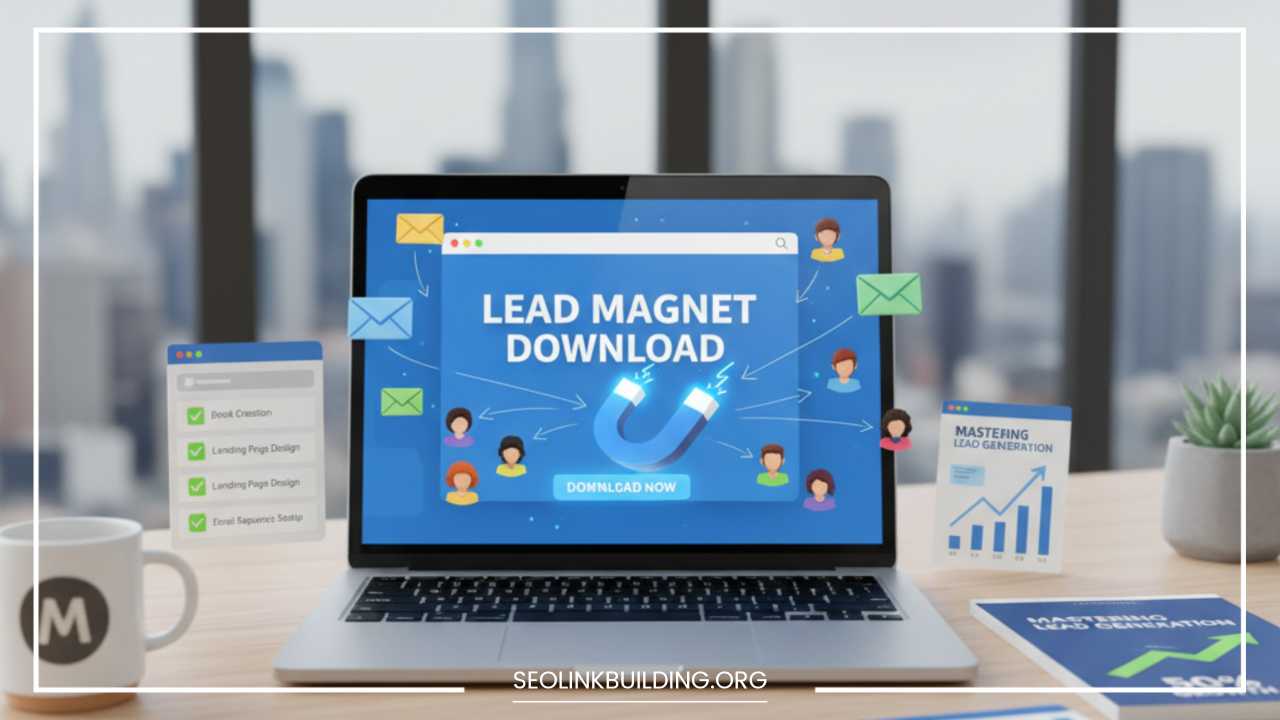
What Are Lead Magnets? A Complete Beginner’s Guide
In the vast, noisy arena of digital marketing, attention is the scarcest resource, and a prospect’s email address is the ultimate prize. Simply broadcasting your message into the void is no longer a viable strategy; success hinges on building a direct, permission-based relationship with your audience. This process, known as lead generation, is the lifeblood of any growing business, whether you’re a local bakery, a SaaS startup, or a global e-commerce powerhouse.
But how do you persuade a skeptical online user, protective of their inbox, to willingly hand over their contact information? The answer lies in the concept of the Lead Magnet.
A lead magnet is more than just a free download; it is a meticulously crafted, high-value asset offered to a prospect in exchange for their contact details, most commonly an email address. It is the crucial first step in turning an anonymous visitor into a recognized, nurtured lead. This comprehensive guide will dissect the anatomy of the lead magnet, explore its strategic importance, categorize the most effective types, and provide a detailed roadmap for creating your own conversion powerhouse.
What is a Lead Magnet?
At its core, a lead magnet is an ethical bribe. It’s a marketing term for a valuable item or service given away for free in order to gather contact information for future marketing efforts.
Definition and Purpose
The primary definition of a lead magnet is a piece of marketing collateral that delivers immediate, tangible value to the user in exchange for their information. Its fundamental purpose is to incentivize that exchange. In the digital economy, an email address is currency, and the lead magnet is the valuable product offered for that currency.
The Sales Funnel Fit
A lead magnet is not a standalone tactic; it is strategically positioned at the very top of the sales funnel—the Awareness and Interest stages.
- Awareness: A visitor discovers your content and recognizes a problem they have.
- Interest/Consideration: The lead magnet provides a solution to a micro-problem, giving the user a taste of your expertise and a reason to trust you.
By collecting the user’s contact information at this early stage, you transition them from an anonymous visitor to a qualified lead who can be nurtured through email marketing until they are ready to purchase.
Key Components of an Effective Lead Magnet
An effective lead magnet is not just any free item; it adheres to several critical criteria:
- High Value: It must solve a specific problem or deliver a clear benefit that the target audience is actively seeking.
- Immediate Gratification: The user should be able to consume or use it quickly, often in under 15 minutes. A 300-page eBook is usually less effective than a 5-point checklist.
- Specific: It should address a single, well-defined pain point, not a broad, general topic.
- Relevance: It must be directly related to the paid products or services you offer, ensuring the leads you capture are genuinely interested in your core business.
- Clarity: The perceived value, title, and call-to-action (CTA) must be crystal clear and compelling.
Why Lead Magnets Are Important
The role of the lead magnet transcends simply collecting emails; it is foundational to modern, sustainable digital growth.
The Shift Toward Permission-Based Marketing
The digital landscape has dramatically shifted away from interruptive, outbound marketing (like cold calls and unsolicited ads) to permission-based marketing. Users now demand control over what content they receive. A lead magnet provides a legitimate, mutual exchange that grants you the permission to enter the user’s inbox, fostering a relationship built on consent and perceived value from the very first interaction.
Building Email Lists with Qualified Leads
An email list is arguably the most valuable asset a digital business owns. Unlike traffic from social media or search engines (which you don’t control), your email list is a direct, owned communication channel. Lead magnets ensure that this list is populated with qualified leads—people who have demonstrated a genuine, documented interest in the specific topic your magnet addresses. A lead who downloads a “Checklist for Starting a Podcast” is far more likely to buy your podcasting course than a random visitor.
ROI Benefits vs. Paid Traffic
While paid advertising (PPC, social ads) is crucial, it is expensive and offers diminishing returns if not optimized. Lead magnets, when used to convert that traffic, drastically improve your Return on Investment (ROI). Instead of paying per click to send a visitor to a sales page (and losing the 98% who don’t buy), you can use the lead magnet to convert them at a lower cost, capture their information, and then nurture them through automated, low-cost email sequences. This turns one-time clicks into long-term, valuable prospects.
Relationship Building and Nurturing
The lead magnet serves as the initial, high-quality sample of your expertise. By delivering instant value, it establishes you or your brand as a trusted authority. The subsequent email sequence, triggered by the download, allows for a prolonged, automated conversation—the nurturing process—that converts trust into a transaction over time.
Types of Lead Magnets
The diversity of effective lead magnets is vast, limited only by your creativity and the needs of your audience. The best choice often depends on your target market and where the user is in the sales funnel.
1. Downloadable Resources
These are the most common and often easiest to create, focusing on high-density information or actionable tools.
- eBooks/Whitepapers: Deep-dive content, best for the Awareness stage, demonstrating expertise on a complex topic. (Word Count: 100-150)
- Checklists: Highly popular due to their speed and actionable nature. They distill a complex process into simple steps. Perfect for the Consideration stage. Example: “The 10-Point SEO Audit Checklist.” (Word Count: 100-150)
- Templates/Worksheets: Ready-to-use documents that save the user time and effort. They offer instant utility. Example: “Social Media Content Calendar Template (Google Sheets).” (Word Count: 100-150)
- Guides/Cheat Sheets: Short, focused documents summarizing key information or shortcuts. (Word Count: 100-150)
2. Educational Tools
These require a greater time commitment from the user but deliver a high perceived value, making them excellent for warming up leads.
- Webinars/Video Training: Live or recorded sessions that allow for deeper, more visual instruction and Q&A. They build significant rapport and trust. (Word Count: 100-150)
- Email Courses (Mini-Courses): A series of short, educational emails delivered over several days. This format is superb for building a daily habit of engagement and establishing expertise. Example: “5 Days to a Better Landing Page.” (Word Count: 100-150)
- Workshops: Hands-on, practical sessions, often leading directly into a paid product or service. (Word Count: 100-150)
3. Interactive Tools
These magnets offer personalized results and a novel experience, dramatically increasing engagement rates.
- Quizzes/Polls: Users love quizzes because they learn something about themselves. They are highly shareable and provide you with segmentation data. Example: “What’s Your Digital Marketing Personality?” (Word Count: 100-150)
- Calculators: Tools that solve a specific numerical problem, such as calculating potential ROI, monthly savings, or loan repayments. Example: “ROI Calculator for SaaS Implementation.” (Word Count: 100-150)
- Assessments/Scorecards: A tool that evaluates the user’s current situation against a standard and provides a personalized result. Example: “Free Website Health Scorecard.” (Word Count: 100-150)
4. Exclusive Offers
These are often used lower in the funnel to push warm leads toward a first transaction.
- Discounts/Coupons: A straight monetary incentive, highly effective for e-commerce. Example: “Sign up for 10% Off Your First Order.” (Word Count: 100-150)
- Free Trials/Demos: Crucial for SaaS businesses, allowing prospects to test the product with minimal commitment. (Word Count: 100-150)
- Limited-Time Offers (LTOs): Creating scarcity or urgency around a special product bundle or offer. (Word Count: 100-150)
5. Community or Access-Based
These magnets offer the value of connection and exclusivity.
- Private Groups (Slack, Discord, Facebook): Access to a community of like-minded individuals provides immense perceived value. (Word Word: 100-150)
- Free Consultations/Audits: High-touch, personalized service, often reserved for high-ticket businesses, ensuring the highest qualification of leads. (Word Count: 100-150)
- Early Access to Content or Features: Taps into the desire to be an insider. (Word Count: 100-150)
How to Create a High-Converting Lead Magnet
Creating a lead magnet that converts at a high rate (often 25%+ is achievable) is a systematic process rooted in audience empathy and clear value delivery.
1. Understanding Your Target Audience
This is the non-negotiable first step. Your lead magnet must address an acute pain point. Ask yourself:
- What is the single biggest quick win I can give my audience?
- What is the one thing they are searching for right now?
- What question do I answer most often in customer support or sales calls?
A successful lead magnet targets a “micro-problem” that is a symptom of the larger problem your paid product solves.
2. Solving a Specific Problem or Providing Instant Value
The magnet must be immediately applicable and results-oriented. The promise should be focused: “How to do X” or “Get Y result.” Avoid general topics like “Marketing Strategies for Business.” Instead, use “The 5-Step Formula for Writing a Facebook Ad that Converts.” Specificity equals perceived value.
3. Choosing the Right Format Based on Funnel Stage
The format should align with the user’s readiness:
- Top of Funnel (TOFU): Low commitment, high-utility (Checklists, Templates, Cheat Sheets).
- Middle of Funnel (MOFU): Higher commitment, deeper value (Webinars, Email Courses, Quizzes).
- Bottom of Funnel (BOFU): Transactional focus (Free Trials, Consultations, Discounts).
4. Crafting Irresistible Titles and CTAs
The title is the sales pitch for the magnet itself. Use power words, numbers, and benefit-driven language.
- Weak: Free Guide to Email Marketing.
- Strong: The Ultimate 10-Minute Checklist for an Email Campaign That 10Xs Your Open Rate.
The Call-to-Action (CTA) must clearly state the value and the exchange. Instead of “Submit,” use “Get My Free Checklist Now” or “Unlock My Assessment.”
5. Design, Branding, and User Experience Tips
A lead magnet, even if free, reflects your brand quality.
- Design: Use professional, clean design (even a simple PDF should be well-formatted). Ensure consistency with your brand colors and logo.
- User Experience (UX): The process of downloading the magnet must be seamless. A dedicated landing page with no other navigation links works best. The content should be easy to consume (e.g., bullet points, clear headings).
Examples of Successful Lead Magnets
Examining successful real-world examples illustrates the power of specificity and value.
- HubSpot: A master of the checklist and template. Their “Free Website Grader” is a classic interactive lead magnet. It requires the user to submit their website URL and email address to get a personalized score and report on their site’s performance. What made it work? It delivers instant, personalized data about a major pain point (website performance), directly leading into HubSpot’s software solutions. (Word Count: 100-150)
- Canva: A design powerhouse that relies on the “Template” magnet. Their vast library of “Free Design Templates” for social media, presentations, and documents serves as a powerful magnet. What made it work? It provides immediate, high-quality utility that requires the user to sign up for their free account—effectively a lead magnet for the platform itself. (Word Count: 100-150)
- Niche Example (Financial Coach): Instead of an eBook on “Budgeting,” a coach offers a “Personalized Financial Freedom Scorecard” delivered via a 5-question quiz. What made it work? It’s quick, personalized, taps into the user’s self-interest, and segment the leads by their level of financial readiness. (Word Count: 100-150)
- Niche Example (e-Commerce): A specialty coffee retailer offers a “Free 7-Day Email Course on Brewing the Perfect Pour.” What made it work? It targets the passion point of their audience (making great coffee) and keeps them engaged for a week, providing multiple touchpoints before an offer for coffee beans is made. (Word Count: 100-150)
Tools to Create and Deliver Lead Magnets
The technical implementation of a lead magnet has become remarkably simple with modern tools, removing most technical barriers.
Design and Content Creation
- Canva/Adobe Express: Essential for creating visually stunning PDFs, checklists, and social media graphics without needing advanced graphic design skills.
- Visme: Excellent for creating infographics, interactive presentations, and professional-grade reports.
Landing Pages and Conversion
- Leadpages/ClickFunnels: Dedicated landing page builders optimized for high-conversion rates, providing pre-built templates for lead capture.
- ConvertKit/Unbounce: Offer similar landing page capabilities focused on the creator or small business market.
Email Marketing and Automation
- Mailchimp/Mailerlite: Ideal for beginners, providing robust tools for list segmentation and basic automation.
- ActiveCampaign/ConvertKit: Powerful for building sophisticated nurture sequences (email courses, follow-up chains) based on lead magnet download behavior.
- HubSpot: An all-in-one CRM and marketing automation platform that can manage the entire process from lead capture to sales conversion.
Workflow Automation
- Zapier: Connects your landing page tool (e.g., Unbounce) to your email provider (e.g., Mailchimp) to automatically send the magnet and start the nurture sequence.
Common Mistakes to Avoid
A poorly executed lead magnet can damage your brand and waste valuable traffic. Avoiding these common pitfalls is crucial for success.
Being Too Generic or Broad
A lead magnet titled “The Ultimate Guide to Marketing” is too vague to be useful. It fails the test of specificity. The audience can’t pinpoint the immediate, specific value they will gain. Solution: Narrow your focus until the title is undeniably specific and solves one clear problem.
Overcomplicating the Process
The download process should be two steps at most: 1. Click the CTA. 2. Enter email and download. Requiring a phone number, company name, and full address for a simple checklist creates unnecessary friction and drops conversion rates. Solution: Request only the minimum amount of information required for the next step of the sales process (usually just the email address).
Gating Content with Little Perceived Value
If the content you’re “gating” is not significantly better or more organized than what a user could find via a quick Google search, they will feel cheated, and your brand trust will suffer. Solution: Ensure the magnet is uniquely actionable, proprietary, or presented in a format that saves the user substantial time.
Not Following Up with a Nurture Sequence
The lead magnet’s job is to capture the lead; the nurture sequence’s job is to convert them. A lead is not valuable until they are primed for purchase. Failing to follow up means you have successfully paid for a lead, but are now ignoring them. Solution: Immediately place the lead into an automated, value-driven email sequence that delivers more helpful content, tells your brand story, and eventually introduces your paid offers.
Lead Magnets and SEO (Optional Section)
While lead magnets are primarily a conversion tool, they play a surprisingly powerful role in your Search Engine Optimization (SEO) strategy.
- Using Blog Content to Promote: You can create specific lead magnets that directly augment your top-performing blog posts. For example, a blog post titled “How to Write a Great Blog Post” can feature a lead magnet CTA for a “Blog Post Writing Template.” This increases the blog post’s conversion rate.
- Lead Magnets for Building Backlinks: High-quality, original data, such as a whitepaper or a proprietary industry report (a specific type of lead magnet), can be incredibly valuable to other industry bloggers and journalists. They often link to these resources as a source, earning you powerful, high-authority backlinks that boost your overall SEO ranking.
- Embedding Lead Magnets in High-Traffic Content: Strategically placing lead magnet CTAs within the body or at the end of high-ranking SEO content leverages existing traffic for lead capture, converting hard-earned organic visitors into measurable leads.
Final Thoughts
The digital economy is defined by the quality of the relationships a business builds, and the lead magnet is the single most effective tool for starting that relationship. It’s not a gimmick or an afterthought; it is a fundamental pillar of sustainable online growth.
A well-designed lead magnet transforms an ephemeral website visit into a tangible asset—an email address—that you own and control. By delivering immediate, specific, and high-quality value, you establish trust, qualify your audience, and earn the right to communicate with them further.
Whether you choose a simple checklist, a powerful calculator, or an exclusive video series, your task remains the same: identify your audience’s most pressing micro-problem and offer an irresistible solution. If you haven’t yet, take the time to audit your existing content and identify the high-value asset that is currently lurking on your site, waiting to be unleashed as your next conversion powerhouse. The moment you start offering exceptional value in exchange for permission, you start building a sustainable, profitable future.