Automated Email Marketing: Grow Your Business

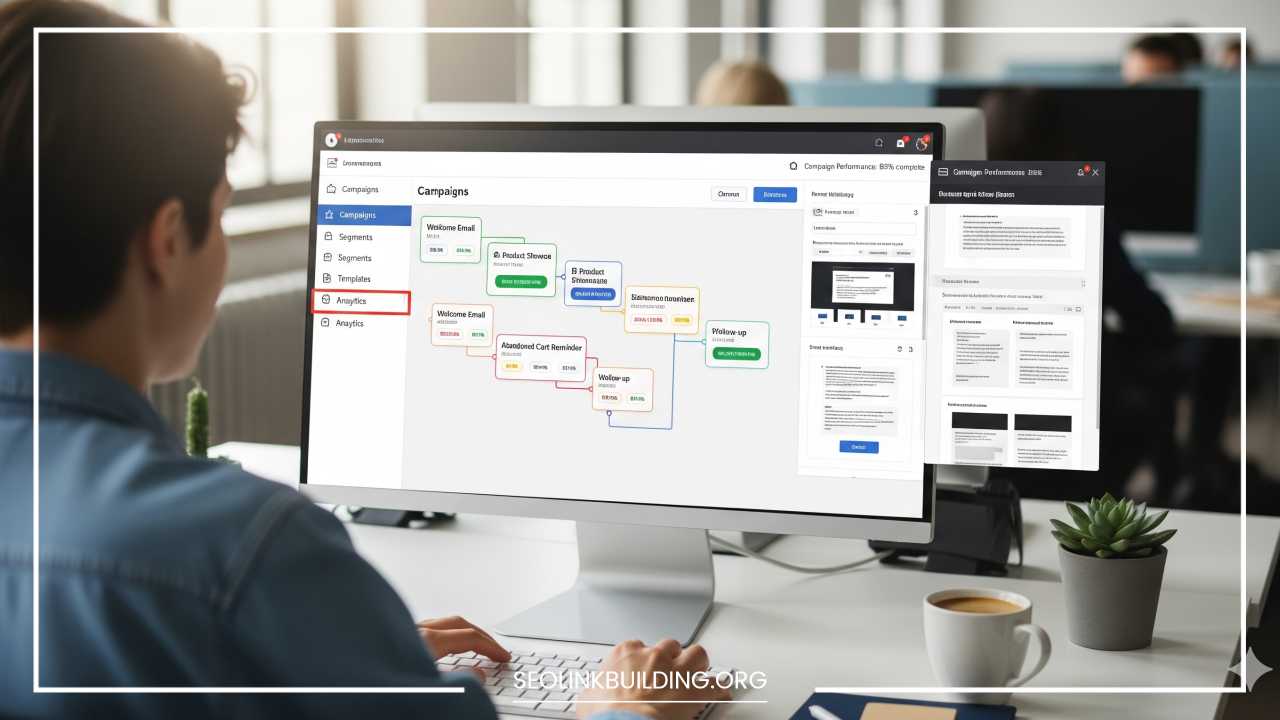
Automated Email Marketing: Grow Your Business
In the dynamic and highly competitive world of modern business, standing out requires more than just a great product or service. It demands a sophisticated and consistent strategy for engaging with customers and prospects. While many marketing channels exist, few offer the power, personalization, and efficiency of automated email marketing. This isn’t just about sending out bulk newsletters; it’s about creating a smart, responsive system that communicates with your audience at the perfect moment, guiding them from a potential lead to a loyal customer. By leveraging automation, businesses of all sizes can build stronger relationships, drive sales, and achieve sustainable growth without the constant manual effort.
Introduction to Automated Email Marketing
What is automated email marketing? At its core, it’s the process of sending pre-written or templated emails to individuals or segments of your audience based on specific triggers or events. Instead of manually drafting and sending a welcome email every time someone signs up for your newsletter, an automation platform handles it instantly and effortlessly. The “trigger” could be a new sign-up, a purchase, an abandoned shopping cart, or even a customer’s birthday. This system ensures that the right message reaches the right person at the right time, creating a highly relevant and timely interaction.
In today’s fast-paced digital landscape, automation is no longer a luxury—it’s a necessity. It frees up valuable time and resources that would otherwise be spent on repetitive tasks, allowing your team to focus on strategic initiatives and creative work. For modern marketers, the ability to personalize communications at scale is a game-changer. It moves beyond the one-size-fits-all approach of traditional marketing and delivers a tailored experience that makes customers feel seen and valued. This leads to higher engagement, better conversion rates, and a more robust connection with your brand. Ultimately, automated email marketing is a foundational pillar of any successful digital marketing strategy, serving as the central nervous system for customer communication and playing a pivotal role in driving long-term business growth.
Benefits of Automated Email Marketing
The advantages of implementing an automated email marketing system are manifold and far-reaching, impacting everything from operational efficiency to bottom-line results.
Time-Saving and Efficiency
Perhaps the most immediate benefit is the massive amount of time it saves. Imagine manually sending a follow-up email to every person who downloaded an e-book or every customer who made a purchase. This would be an impossible task for any growing business. Automation platforms handle these tasks automatically, 24/7. This allows your marketing and sales teams to focus on higher-value activities like strategy, content creation, and one-on-one customer interactions. By automating repetitive tasks, you streamline your workflow and boost overall operational efficiency.
Personalization at Scale
Personalization is a key driver of customer loyalty and sales, and email automation makes it possible to personalize communications for thousands of people at once. By using data points such as a customer’s name, purchase history, location, or browsing behavior, you can create emails that feel like a personal conversation. This level of customization, which would be impossible to achieve manually, fosters a deeper connection with your audience and significantly increases the likelihood of a conversion.
Higher Engagement and Conversion Rates
Automated emails are more targeted and timely than broadcast emails, which leads to better results. An abandoned cart email sent within an hour of a customer leaving an item behind is far more effective than a generic promotional email sent days later. The relevance of the message, combined with its perfect timing, drives higher open rates, click-through rates, and ultimately, higher conversion rates. This isn’t just about sending more emails; it’s about sending smarter emails.
Consistent Communication with Customers
Consistency is crucial for brand building. Automated email sequences ensure that your customers and leads receive a steady stream of communication without fail. This creates a predictable and reliable brand experience. Whether it’s a welcome series that introduces your brand’s values, a post-purchase series that offers support, or a re-engagement campaign that reminds dormant customers of your value, automation guarantees that your brand stays top-of-mind.
Cost-Effectiveness
Compared to traditional marketing methods like direct mail, print advertising, or even paid digital ads, email marketing is incredibly cost-effective. The return on investment (ROI) for email marketing is consistently high, often cited as one of the best of any marketing channel. By automating your campaigns, you further amplify this ROI, as the initial setup of an automation sequence continues to generate results for months or even years without significant additional cost.
Types of Automated Email Campaigns
Automated email marketing is not a one-size-fits-all solution; it’s a versatile tool that can be used to address specific business objectives through various types of campaigns.
Welcome Emails and Onboarding Sequences
This is often the first automated series a new subscriber or customer receives. A welcome email or a sequence of a few emails is crucial for making a good first impression. It can introduce your brand story, set expectations for future communication, offer a welcome discount, or provide a brief guide on how to get the most out of your product or service. This campaign nurtures new relationships from the very beginning.
Abandoned Cart Recovery Emails
One of the most powerful and profitable automated campaigns is the abandoned cart series. When a shopper adds items to their cart but leaves your website without completing the purchase, a trigger sends one or more follow-up emails. These emails can gently remind the customer of the items they left behind, address potential concerns, and even offer a small incentive to complete the purchase. The conversion rates on these campaigns can be incredibly high.
Birthday/Anniversary or Special Occasion Emails
This is a classic example of personalization that builds loyalty. A simple, automated email on a customer’s birthday or the anniversary of their first purchase can be a delightful and memorable touch. These emails often include a special offer or discount as a gift, encouraging the customer to engage with your brand and feel appreciated.
Re-engagement Campaigns
Customers can go quiet for many reasons. A re-engagement campaign is designed to bring back inactive subscribers or customers who haven’t opened your emails or made a purchase in a while. These campaigns often use a series of emails with subject lines like “We miss you!” or “Did you forget about us?” and might include a special offer to entice them back.
Product Recommendation Emails
Based on a customer’s past purchases or browsing history, an automated system can send personalized emails featuring products they might be interested in. This is especially effective for e-commerce businesses, as it uses data to cross-sell and upsell, increasing the average order value and customer lifetime value.
Post-Purchase Follow-ups and Feedback Requests
The relationship doesn’t end after a sale. An automated post-purchase series can thank the customer, provide shipping information, offer product care tips, and ask for a product review or feedback. This shows you care about their experience, reinforces their decision to buy from you, and provides valuable data for improving your products and services.
How Automated Email Marketing Helps Grow Your Business
Automated email marketing is more than just a tool for sending messages; it’s a strategic framework for scaling your business.
Building and Nurturing Leads
The sales funnel often starts with a lead—someone who has shown initial interest but isn’t ready to buy yet. An automated lead nurturing sequence can send a series of educational and informative emails to these prospects over time. This process builds trust and positions your brand as a helpful authority, gently moving the lead closer to a purchasing decision. By providing value upfront, you create a foundation for a long-term relationship.
Increasing Customer Retention and Loyalty
It costs much more to acquire a new customer than to retain an existing one. Automated email marketing is a powerful tool for retention. By sending regular, valuable content, personalized offers, and post-purchase follow-ups, you keep your brand top-of-mind and show customers that you value them beyond the initial sale. This consistency builds loyalty and makes them more likely to become repeat customers and brand advocates.
Driving Repeat Purchases
For e-commerce and subscription-based businesses, repeat purchases are the lifeblood of sustainable growth. Automation helps by sending timely reorder reminders, personalized product recommendations, and exclusive offers to existing customers. For example, a coffee company could automate an email to a customer right before their usual supply runs out, while a fashion brand could send an email showcasing new arrivals to a customer who recently purchased from a similar collection.
Enhancing Customer Lifetime Value (CLV)
Customer lifetime value (CLV) is a metric that represents the total revenue a business can expect from a single customer account throughout their relationship with the company. By using automation to drive repeat purchases, cross-sells, and upsells, you are directly increasing the CLV of each customer. This focus on maximizing the value of your existing customer base is a highly effective and profitable growth strategy.
Streamlining the Sales Funnel
From initial contact to the final purchase and beyond, automation can streamline every stage of the sales funnel. It ensures that no lead falls through the cracks and that every customer receives the attention they need at each stage of their journey. By automating key touchpoints, you can create a more efficient and effective sales process, leading to higher conversion rates and a smoother customer experience.
Key Components of Successful Automated Email Campaigns
An automated campaign is only as good as its individual parts. To achieve success, you need to pay close attention to the following key components.
Segmentation and Targeting
Sending a generic email to your entire list is a recipe for low engagement. The real power of automation lies in segmentation—dividing your email list into smaller, more specific groups based on shared characteristics. This could be anything from demographics and location to purchase history, engagement level, or browsing behavior. By segmenting your audience, you can send highly targeted, relevant emails that resonate with each group, leading to higher open and click rates.
Personalization Techniques
Beyond simply using a customer’s first name, effective personalization involves using dynamic content based on the data you have. For example, an email promoting new products could show different items to different subscribers based on their past purchases. A travel company might show images of beaches to a customer who searched for tropical destinations. This level of personalization makes the email feel handcrafted and directly relevant to the individual.
Compelling Subject Lines and Email Copywriting
Your subject line is the gatekeeper to your email. A good subject line is concise, intriguing, and gives the recipient a reason to open the email. Once they open it, the email body must be just as compelling. The copywriting should be clear, benefit-oriented, and conversational. Use a tone that matches your brand and a structure that is easy to scan. The goal is to provide value and guide the reader toward the next step.
Effective Call-to-Actions (CTAs)
Every email should have a clear purpose, and the call-to-action (CTA) is what tells the reader what that purpose is. A CTA is typically a button or a link with action-oriented text like “Shop Now,” “Learn More,” or “Download Your Guide.” A strong CTA is visually prominent, easy to understand, and creates a sense of urgency or benefit. Vague CTAs like “Click Here” are far less effective.
Timing and Frequency Optimization
Sending too many emails can lead to unsubscribes, while sending too few can cause your audience to forget about you. Automation allows you to optimize timing and frequency based on subscriber behavior. For example, a welcome sequence might send emails every other day for a week, while a re-engagement campaign might have a longer, more spaced-out schedule. The goal is to find the perfect cadence that keeps your audience engaged without overwhelming them.
Choosing the Right Email Marketing Automation Tools
Selecting the right platform is a critical step in building your automated email marketing strategy. The right tool will have the features and functionality to support your business goals, while the wrong one could create unnecessary headaches.
Popular Platforms
The market is filled with excellent email marketing platforms, each with its own strengths. Mailchimp is a popular choice for beginners and small businesses due to its user-friendly interface and robust free plan. HubSpot is an all-in-one marketing, sales, and service platform that’s ideal for businesses looking to integrate their email marketing with a CRM and other tools. ActiveCampaign is known for its advanced automation and powerful segmentation features, making it a favorite among more sophisticated marketers. Klaviyo is a leading platform specifically designed for e-commerce, with deep integrations with platforms like Shopify and powerful segmentation based on customer behavior and purchase history.
Features to Look For
When evaluating platforms, look for the following key features:
- Automation Workflows: The ability to easily create and visualize complex automation sequences with multiple triggers, actions, and decision points.
- Analytics and Reporting: Detailed insights into open rates, click-through rates, conversions, and subscriber behavior, which are essential for optimizing your campaigns.
- Integrations: The ability to connect with your other business tools, such as your CRM, e-commerce platform, and landing page builder. Seamless integration ensures that data flows freely, enabling more effective personalization and targeting.
- A/B Testing: The functionality to test different elements of your emails (subject lines, content, CTAs) to see what performs best.
Budget Considerations
Your budget will play a significant role in your choice. Many platforms offer tiered pricing based on the number of contacts you have or the features you need. Start by determining your current needs and potential for growth. While a free plan might be tempting, it may lack the advanced automation features you’ll need to truly scale your business. Choose a platform that can grow with you.
Best Practices for Automated Email Marketing
Simply setting up an automation workflow isn’t enough; to get the best results, you must adhere to certain best practices that ensure your campaigns are effective and compliant.
Maintaining a Clean and Updated Email List
A clean email list is your most valuable asset. Regularly removing inactive subscribers and hard bounces ensures your emails are being delivered to engaged recipients, which improves your sender reputation and deliverability rates. Use double opt-in to confirm new subscribers want to receive your emails, and make it easy for people to unsubscribe if they no longer wish to hear from you.
Complying with Email Marketing Laws
Legal compliance is non-negotiable. Familiarize yourself with key regulations like the CAN-SPAM Act in the U.S. and the GDPR in Europe. These laws require you to have clear consent, include a physical address, and provide an easy way to unsubscribe in every email. Failing to comply can result in hefty fines and damage your brand’s reputation.
A/B Testing for Optimization
A/B testing is a powerful way to continuously improve your campaigns. Test different subject lines to see which one gets a higher open rate. Experiment with different CTA button colors or copy to see which drives more clicks. Try different email body layouts or images. Even small changes can lead to significant improvements over time.
Monitoring and Analyzing Campaign Performance
The work isn’t done once the automation is live. Regularly monitor key metrics like open rate, click-through rate (CTR), and conversion rate. Analyze which parts of your campaign are performing well and which are not. Use this data to refine your messaging, segment your audience more effectively, and optimize your workflows for better results.
Avoiding Common Pitfalls
Be mindful of the pitfalls that can undermine your efforts. Don’t over-automate to the point where your emails feel cold or robotic; a human touch is still important. Avoid sending too many emails and overwhelming your audience. And never, under any circumstances, buy an email list—these lists are often full of low-quality, unengaged contacts and will likely harm your sender reputation.
Case Studies / Real-Life Examples
Many businesses have leveraged the power of automated email marketing to achieve remarkable success. For example, a global footwear brand used an abandoned cart sequence to recover over $50,000 in lost sales within the first month of implementation. The series, which included a reminder and a follow-up with a small discount, led to a 10% increase in their average order value.
Another example is a SaaS company that used an onboarding sequence to improve user activation. By sending a series of emails with helpful tips, video tutorials, and links to support resources, they were able to reduce their customer churn rate by 15% in just six months. The automated sequence ensured that every new user received the guidance they needed to become a power user.
A successful e-commerce retailer used personalized product recommendation emails to increase repeat purchases. By segmenting their audience based on past purchases and browsing behavior, they were able to send emails showcasing new arrivals and complementary products. This campaign alone generated over 20% of their total email revenue and significantly enhanced their customer lifetime value.
Future Trends in Automated Email Marketing
The field of email marketing is constantly evolving, with new technologies promising even more sophisticated automation and personalization.
AI and Machine Learning
Artificial intelligence (AI) and machine learning (ML) are set to revolutionize email marketing. AI can already analyze vast amounts of data to predict customer behavior, optimize send times, and even generate personalized subject lines. In the future, AI-driven automation will be able to create truly dynamic, one-of-a-kind email content for each recipient.
Hyper-personalization and Predictive Analytics
Beyond basic personalization, the next frontier is hyper-personalization. Using predictive analytics, marketers will be able to anticipate what a customer will want or need before they even realize it themselves. This could mean sending an email about a new product line a customer is likely to purchase, or an offer for a service they are statistically likely to churn from.
Integration with Omnichannel Marketing
As the customer journey becomes more complex and spans multiple channels, email marketing automation will become even more integrated with other channels. An automation workflow might trigger an email based on a customer’s interaction with a social media ad, or it might send a text message or a push notification based on a customer’s email activity. This omnichannel approach creates a seamless, unified experience for the customer.
Final Thoughts
Automated email marketing is a powerful engine for business growth, transforming a once manual and laborious process into a smart, efficient, and highly effective system. It empowers businesses to deliver timely, personalized communications at scale, which builds stronger customer relationships, drives higher conversions, and significantly enhances customer lifetime value. By embracing automation, you are not just saving time; you are creating a reliable and scalable framework that will support your business’s success for years to come. Whether you are just starting out or looking to optimize your existing strategy, the time to invest in automated email marketing is now.