What Are the Four Ps of Marketing?


What Are the Four Ps of Marketing? | Marketing Mix Explained
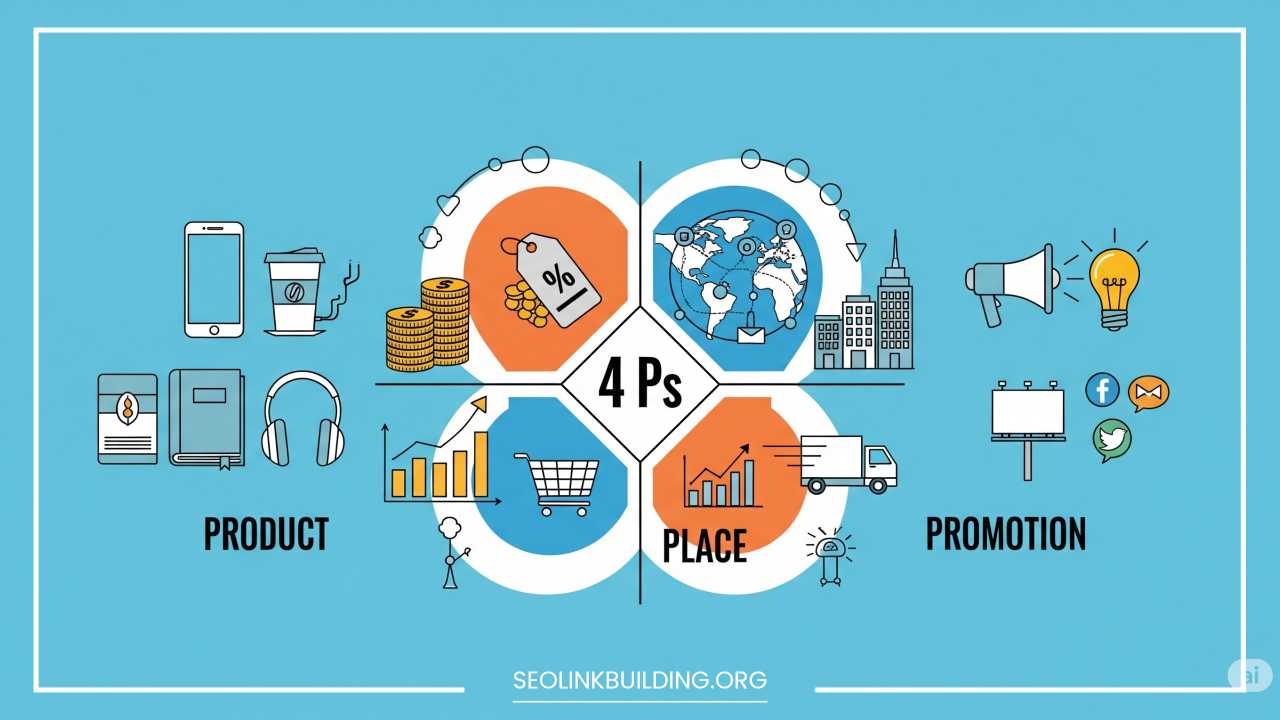
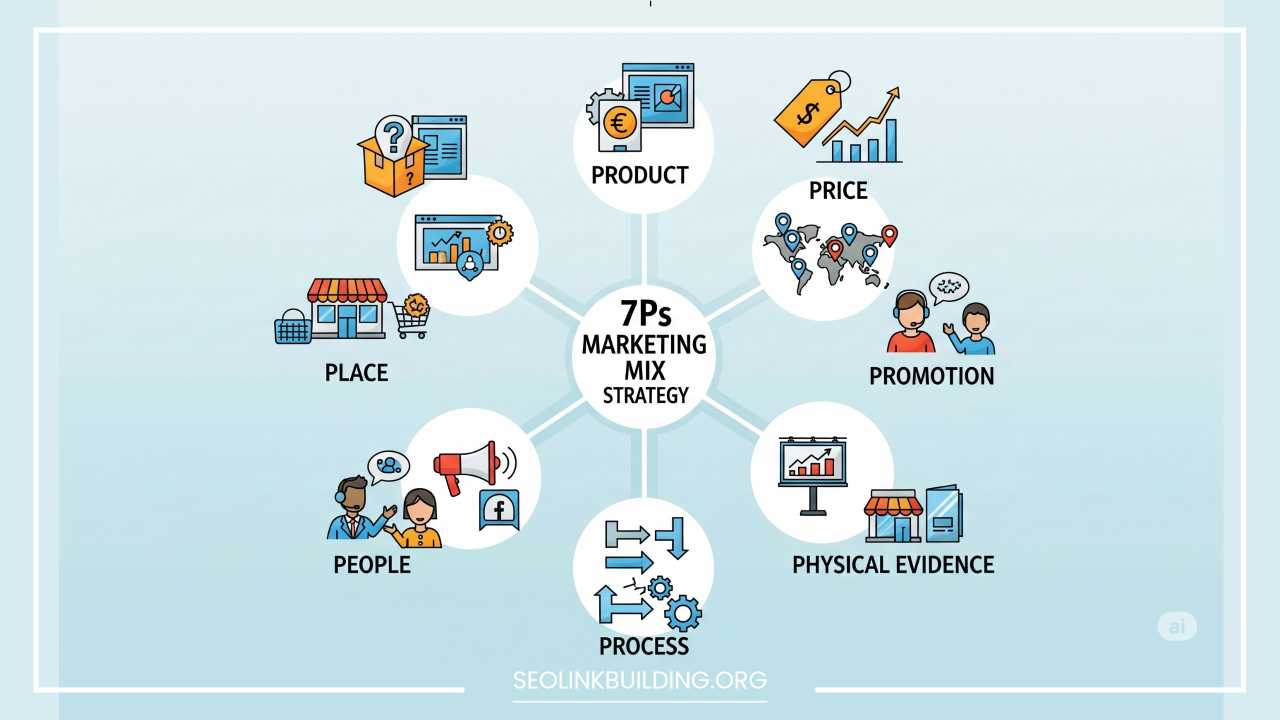
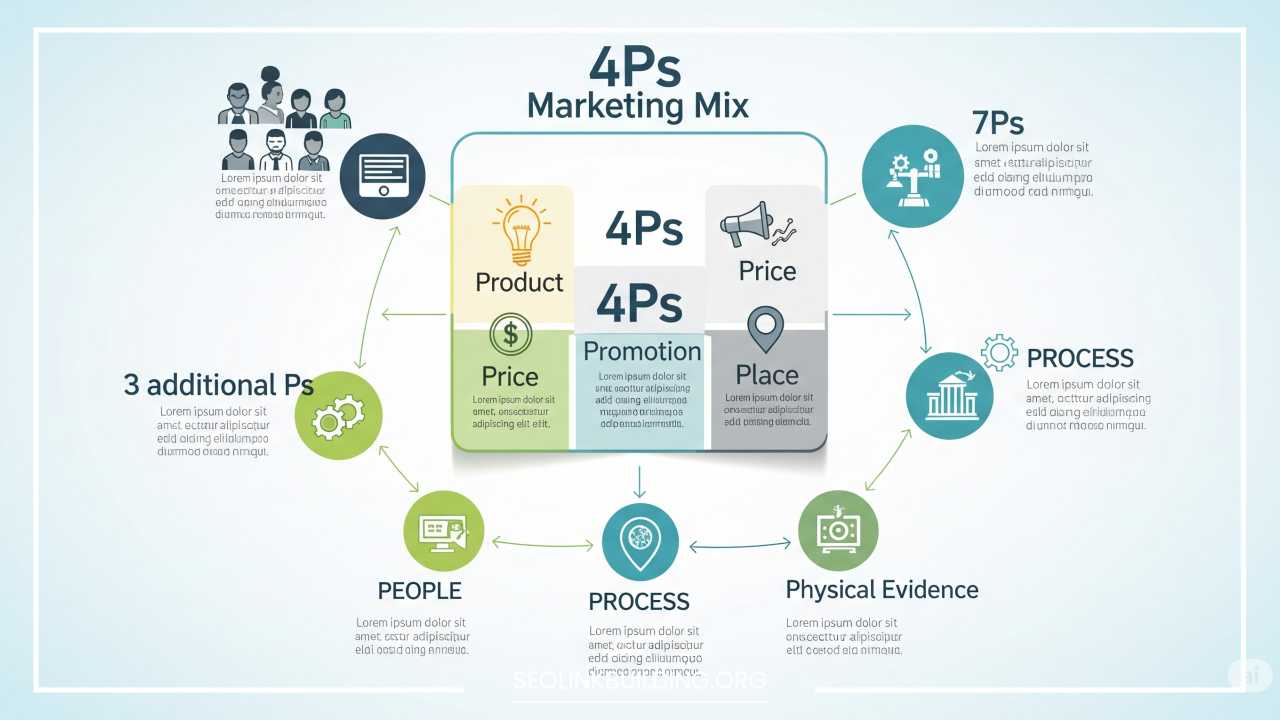
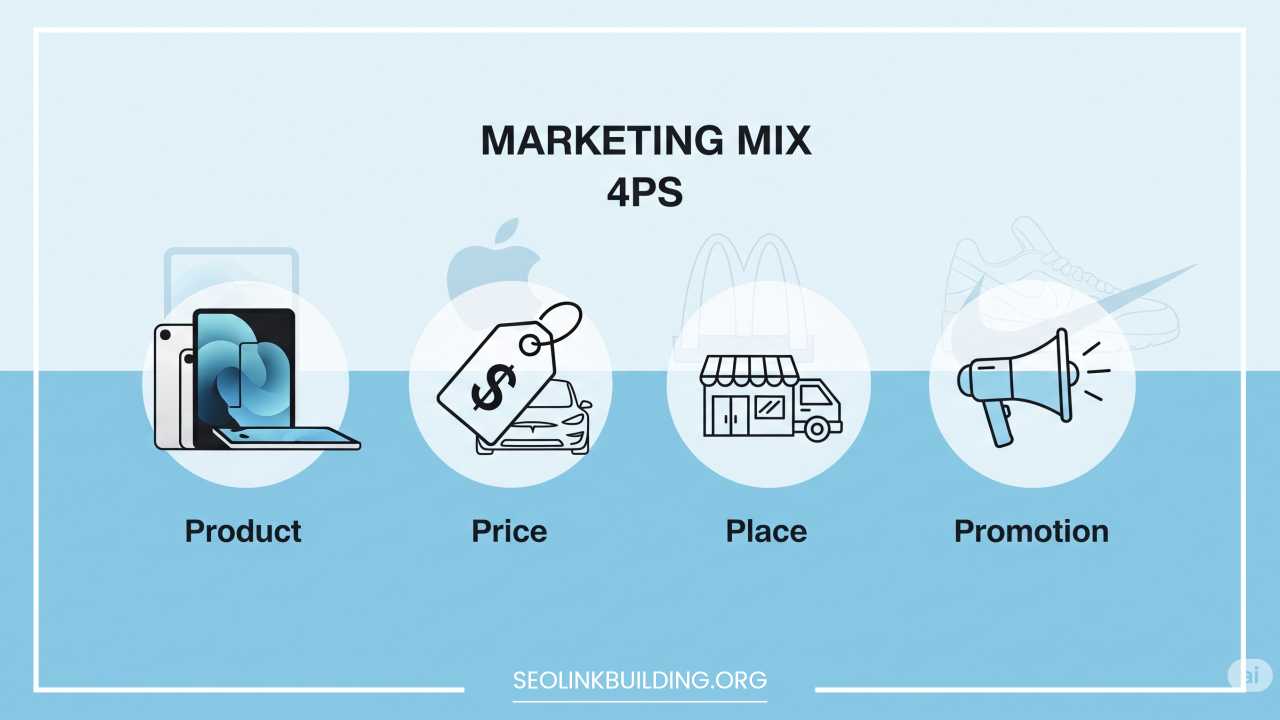
In the dynamic and ever-evolving world of commerce, understanding how to effectively bring a product or service to market is paramount to success. While the landscape of marketing has undergone dramatic shifts over the decades, a foundational framework has remained consistently relevant and indispensable: the marketing mix, commonly known as the Four Ps. This robust concept, first articulated by Edmund Jerome McCarthy in 1960, provides a comprehensive yet elegantly simple model for businesses to strategize and execute their market offerings. The Four Ps—Product, Price, Place, not to mention Promotion—act as critical levers that, when manipulated effectively, can propel a business towards its objectives, fostering brand loyalty, driving sales, and ensuring sustainable growth.
Introduction to the Marketing Mix
The marketing mix emerged from the early days of marketing thought as a way to categorize the various elements involved in a marketing strategy. Before the 1960s, marketing was often viewed as a somewhat fragmented discipline, with different activities being handled in isolation. McCarthy’s introduction of the Four Ps provided a unified and coherent framework, offering a structured approach to thinking about and managing the elements that go into successfully marketing a product or service. This framework quickly became a cornerstone of marketing education and practice, offering a clear roadmap for businesses to plan their market entry and ongoing operations.
The enduring importance of the marketing mix lies in its ability to provide a holistic perspective. It forces businesses to consider all critical aspects of their offering, rather than focusing on just one area. For instance, a brilliant product might fail if it’s priced too high, distributed poorly, or not promoted effectively. Similarly, aggressive promotion cannot salvage a fundamentally flawed product. The Four Ps encourage a synergistic approach, recognizing that each element is interdependent and contributes to the overall success of the marketing strategy.
Even in today’s highly digital and globally interconnected marketplace, the Four Ps remain remarkably pertinent. While the methods of execution for each P have certainly evolved – think e-commerce for “Place” or social media for “Promotion” – the underlying principles continue to guide strategic decision-making. Whether a startup is launching a new app or a multinational corporation is expanding into a new territory, the core questions addressed by the Four Ps are essential for crafting a competitive and compelling market presence. They provide a common language and a universal framework for marketers worldwide, ensuring that all critical components are considered and aligned.
P #1: Product
At the heart of the marketing mix lies the “Product.” This P represents the tangible good, intangible service, or even an idea that a business offers to satisfy a customer’s needs or wants. It’s the core of what the customer is buying and the fundamental reason for the business’s existence. The product is not just the physical item itself, but encompasses all aspects of the customer experience surrounding it.
Products can broadly be categorized into two main types:
- Tangible Goods: These are physical items that can be touched, seen, and owned, such as a smartphone, a car, a book, or a bottle of soda.
- Intangible Services: These are activities or benefits provided to customers that cannot be physically possessed, such as a haircut, legal advice, a software subscription, or a banking service. In today’s economy, the line between tangible and intangible often blurs, with many products being a combination of both (e.g., buying a smartphone often includes a service plan and access to apps).
Understanding the Product Lifecycle is crucial for strategic planning. Products, like living organisms, typically go through distinct stages:
- Introduction: This is the launch phase, characterized by high investment in promotion and distribution, slow sales growth, and often losses as the product is introduced to the market.
- Growth: If the product is successful, sales begin to rise rapidly, competitors may enter the market, and the focus shifts to maximizing market share.
- Maturity: Sales growth slows and eventually plateaus as the market becomes saturated. Competition is intense, and companies often focus on product differentiation and cost efficiency.
- Decline: Sales and profits begin to fall, often due to changing consumer tastes, technological obsolescence, or increased competition from new innovations. Businesses must decide whether to discontinue, harvest, or revitalize the product.
Effective product strategy involves a multifaceted approach, considering several key elements:
- Branding: This goes beyond just a name or logo; it encompasses the entire identity and perception of the product in the minds of consumers. A strong brand evokes trust, quality, and specific associations (e.g., Nike’s “Just Do It” conveys aspiration and athletic performance).
- Features and Benefits: Features are the attributes of the product (e.g., a smartphone’s camera resolution), while benefits are what the customer gains from those features (e.g., high-resolution photos for capturing memories). Marketers must emphasize benefits that resonate with the target audience.
- Design: This includes aesthetics, functionality, usability, and the overall user experience. Good design can differentiate a product and enhance its appeal.
- Packaging: More than just protection, packaging plays a vital role in marketing. It attracts attention on shelves, conveys brand messaging, provides information, and can even influence perceived value and quality.
- Quality: This refers to the product’s ability to meet or exceed customer expectations. High quality can build customer loyalty and justify a premium price.
Real-world Example: Apple iPhone
The Apple iPhone stands as a quintessential example of masterful product strategy. From its inception, the iPhone wasn’t just a phone; it was a revolutionary device that integrated multiple functionalities (phone, iPod, internet communicator) into a single, intuitive interface. Apple consistently focuses on:
- Branding: The iconic Apple logo and minimalist design instantly convey premium quality and innovation.
- Features and Benefits: Each new iPhone generation introduces incremental yet impactful features (e.g., improved cameras, faster processors, Face ID) that translate into tangible benefits for users, such as better photos, smoother performance, and enhanced security.
- Design: Sleek, minimalist design has been a hallmark, creating an aspirational and recognizable product.
- Packaging: Simple, elegant packaging reinforces the premium feel and creates an unboxing experience.
- Quality: Apple is renowned for its build quality and software integration, leading to a perception of reliability and longevity.
Even as the iPhone has matured, Apple continues to innovate and differentiate, ensuring its product remains at the forefront of the smartphone market.
P #2: Price
“Price” is arguably the most critical and sensitive of the Four Ps, as it directly impacts a company’s revenue and profitability, and is a key determinant of customer perception and demand. It represents the monetary value that customers must pay to obtain the product or service. Setting the right price involves a delicate balance between covering costs, achieving desired profit margins, and attracting and retaining customers in a competitive market.
Common pricing strategies include:
- Penetration Pricing: Setting a low initial price to quickly gain market share, often used for new products in highly competitive markets. The goal is to attract a large customer base and then potentially raise prices later.
- Skimming Pricing: Launching a product at a high initial price to “skim” maximum revenue from early adopters who are less price-sensitive. As competition increases or demand slows, the price is gradually lowered. This is common for innovative tech products.
- Competitive Pricing: Setting prices based on what competitors are charging for similar products. This can involve matching competitor prices, undercutting them, or pricing slightly higher to convey superior quality.
- Value-Based Pricing: Determining prices primarily based on the perceived value of the product or service to the customer, rather than on costs. If customers perceive high value, they are willing to pay more.
- Psychological Pricing: Employing strategies that appeal to consumers’ emotional responses, such as setting prices just below a round number (e.g., $9.99 instead of $10.00) to make it seem cheaper, or offering tiered pricing packages.
Several factors significantly influence pricing decisions:
- Cost: This includes all expenses incurred in producing, marketing, and delivering the product (e.g., raw materials, labor, overhead, distribution costs). Prices must at least cover these costs in the long run.
- Customer Demand: The law of demand states that as price increases, demand generally decreases, and vice-versa. Understanding customer price sensitivity and elasticity of demand is crucial.
- Competitor Pricing: Businesses must be aware of their rivals’ pricing strategies. If a competitor offers a similar product at a lower price, it can impact demand unless the company can justify a higher price through differentiation.
- Brand Positioning: A premium brand might command higher prices due to its reputation, perceived quality, or exclusive appeal. Conversely, a value-oriented brand will focus on competitive pricing.
- Economic Conditions: Factors like inflation, recession, and consumer purchasing power can influence pricing decisions.
- Legal and Ethical Considerations: Price fixing, predatory pricing, and other unethical pricing practices are often regulated by law.
Real-world Example: Tesla
Tesla’s pricing strategy offers an interesting blend of skimming and value-based pricing. When Tesla first launched its premium electric vehicles, they were priced at a significant premium, targeting early adopters and affluent consumers willing to pay for cutting-edge technology and environmental consciousness. This allowed Tesla to recoup R&D costs and establish a luxury brand image. Over time, as production scales increased and technology matured, Tesla introduced more “affordable” models (like the Model 3 and Model Y), still maintaining a premium relative to conventional internal combustion engine cars, but making their technology more accessible. Their pricing reflects the perceived value of their brand, innovative technology, superior performance, and the growing demand for sustainable transportation.
Walmart
In stark contrast, Walmart embodies a competitive and cost-leadership pricing strategy. Their core proposition is “Everyday Low Prices,” which is achieved through massive economies of scale, efficient supply chain management, and aggressive negotiation with suppliers. Their pricing is designed to appeal to price-sensitive consumers and relies on high sales volumes to generate profits. They constantly monitor competitor prices and adjust their own to maintain their price leadership.
P #3: Place (Distribution)
“Place,” often referred to as “Distribution,” is about making the product or service available to the target customers at the right time and in the right location. It encompasses the entire process of getting the product from the producer to the consumer, including transportation, warehousing, inventory management, and channel selection. The effectiveness of a distribution strategy directly impacts customer convenience, market reach, and overall sales.
Types of distribution channels include:
- Direct Distribution: The producer sells directly to the consumer without intermediaries. Examples include online stores (e.g., Apple.com selling iPhones directly), direct sales forces, or factory outlets. This provides more control over the customer experience and potentially higher margins.
- Indirect Distribution: The producer uses intermediaries to sell to the consumer. This can involve:
- Retailers: Businesses that sell directly to consumers (e.g., supermarkets, department stores, specialty shops).
- Wholesalers: Businesses that buy in bulk from producers and sell to retailers or other businesses.
- Agents/Brokers: Intermediaries who facilitate sales but do not take ownership of the goods (e.g., real estate agents, insurance brokers).
- E-commerce Platforms: Online marketplaces and platforms (e.g., Amazon, Flipkart) that connect sellers and buyers.
Factors to consider when designing a distribution strategy:
- Target Market: Where do the target customers shop? Are they online buyers, prefer brick-and-mortar stores, or a mix? Understanding their purchasing habits is key.
- Product Type: Perishable goods require faster distribution channels. High-value, complex products might need personal selling and specialized retail environments. Mass-market products require widespread availability.
- Geographic Considerations: Does the product need to reach a local, national, or international market? This dictates the complexity and scale of the distribution network.
- Logistics and Supply Chain: This involves the physical movement and storage of goods, including transportation, warehousing, inventory management, and order fulfillment. Efficient logistics are crucial for timely delivery and cost control.
- Control vs. Coverage: Direct channels offer more control but limit reach. Indirect channels provide wider coverage but involve relinquishing some control to intermediaries.
In modern marketing, Omnichannel Strategies have become increasingly important. This approach focuses on providing a seamless and integrated customer experience across all available channels, whether online, in-store, mobile, or social media. The goal is to allow customers to interact with the brand and make purchases in a way that is most convenient for them, often starting in one channel and finishing in another.
Real-world Example: Amazon
Amazon is the epitome of an effective “Place” strategy, primarily through its dominant e-commerce platform. It provides unparalleled convenience and accessibility, allowing customers to purchase a vast array of products from virtually anywhere at any time. Key elements of Amazon’s distribution mastery include:
- Extensive Network: A vast network of fulfillment centers and sophisticated logistics ensure rapid delivery, often within a day or two.
- Variety of Channels: While primarily online, Amazon also has physical stores (e.g., Amazon Go, Whole Foods) and devices (e.g., Alexa) that act as purchasing channels, embodying an omnichannel approach.
- Third-Party Sellers: Amazon’s marketplace model allows millions of third-party sellers to leverage its distribution network, significantly expanding product offerings.
Nike
Nike utilizes a hybrid distribution strategy. While they have their own direct-to-consumer channels through Nike.com and Nike retail stores (providing higher margins and brand control), they also rely heavily on indirect channels, partnering with major sporting goods retailers and department stores worldwide. This allows them to achieve broad market penetration and reach diverse customer segments who prefer to shop through different avenues. Their physical stores also serve as brand experience hubs, integrating with their digital presence.
P #4: Promotion
“Promotion” encompasses all the activities a business undertakes to communicate with its target audience about its product or service. The primary purpose of promotion is to inform, persuade, and remind customers about the product, ultimately driving awareness, interest, desire, and action (purchase). It’s about telling the product’s story and convincing consumers of its value.
The Promotional Mix refers to the various tools and methods used in a promotional strategy:
- Advertising: Paid, non-personal communication through various media channels (e.g., TV commercials, print ads, online banner ads, radio spots) to reach a large audience.
- Public Relations (PR): Building and maintaining a positive public image and strong relationships with stakeholders through non-paid means (e.g., press releases, media relations, sponsorships, community involvement). PR aims to generate positive publicity and manage crises.
- Sales Promotions: Short-term incentives designed to stimulate immediate purchase (e.g., discounts, coupons, contests, free samples, loyalty programs, buy-one-get-one-free offers).
- Direct Marketing: Communicating directly with individual customers to elicit a response or generate a transaction (e.g., email marketing, direct mail, telemarketing, SMS marketing).
- Personal Selling: Face-to-face interaction between a salesperson and a prospective customer to persuade them to make a purchase. This is common for high-value or complex products.
- Digital Marketing: An umbrella term covering a wide range of online promotional activities. This includes:
- Social Media Marketing: Using platforms like Facebook, Instagram, X (formerly Twitter), and TikTok to engage with customers, build community, and promote products.
- Email Marketing: Sending targeted messages to a list of subscribers to nurture leads, announce new products, or offer promotions.
- Search Engine Optimization (SEO): Optimizing website content to rank higher in search engine results, driving organic traffic.
- Content Marketing: Creating and distributing valuable, relevant, and consistent content to attract and retain a clearly defined audience (e.g., blog posts, videos, infographics).
- Influencer Marketing: Collaborating with individuals who have a significant following and credibility in a specific niche to promote products.
The Importance of Messaging and Timing cannot be overstated in promotion. The message must be clear, compelling, and consistent with the brand’s identity and the target audience’s values. Timing is equally crucial – launching a promotional campaign during a relevant season or in response to a current event can significantly amplify its impact.
Real-world Example: Coca-Cola Campaigns
Coca-Cola is a master of promotion, with a long history of iconic advertising campaigns. Their promotional strategies often focus on evoking emotions, building a sense of community, and associating the brand with happiness and shared experiences.
- “Share a Coke” Campaign: This highly successful campaign personalized Coca-Cola bottles and cans with common names, encouraging people to find and share them. It combined advertising, sales promotion (unique packaging), and social media engagement, fostering a sense of connection and virality.
- Holiday Campaigns: Coca-Cola’s holiday advertising, featuring the Santa Claus imagery, has become a global tradition, linking the brand with warmth, celebration, and family. These campaigns create enduring brand associations that transcend simple product consumption.
Nike’s “Just Do It”
Nike’s “Just Do It” campaign is a legendary example of powerful promotional messaging. Launched in 1988, it wasn’t just about selling shoes; it was about inspiring athletic endeavor and overcoming personal challenges. The campaign utilized powerful advertising, celebrity endorsements (e.g., Michael Jordan), and eventually digital channels, creating an aspirational lifestyle brand that resonated deeply with its target audience. It positioned Nike not just as a sportswear company, but as a motivator and enabler of greatness.
The Interdependence of the Four Ps
While each of the Four Ps—Product, Price, Place, and Promotion—can be analyzed individually, their true power lies in their synergistic relationship. They are not isolated components but interconnected levers that must work in harmony to create a cohesive and effective marketing strategy. A weakness in one P can undermine the strengths of the others, leading to a fragmented message and ultimately, market failure.
Consider a high-quality, innovative Product (e.g., a luxury electric vehicle). If this product is then Priced as a budget option, it might confuse consumers about its true value and deter the target luxury segment. Conversely, if it’s priced appropriately for its luxury status but only available in a few obscure dealerships (poor Place), its reach will be severely limited, hindering sales. Furthermore, if the Promotion focuses on practicality and affordability rather than innovation and luxury, the messaging will be misaligned with the product and its price point, failing to attract the right customers.
Conversely, when the Ps are perfectly aligned, they create a powerful and consistent brand experience. For instance, Apple’s iPhone strategy demonstrates this perfectly:
- Product: Innovative, user-friendly, high-quality, aspirational.
- Price: Premium pricing, justified by the perceived value, brand status, and quality.
- Place: Widely available through Apple’s own sleek retail stores (providing a premium experience) and authorized resellers, offering both accessibility and brand control.
- Promotion: Sophisticated, minimalist advertising that emphasizes design, user experience, and lifestyle benefits, consistent with the premium product and price.
This integration ensures that every customer touchpoint reinforces the same brand message, leading to strong brand loyalty and market dominance. What happens when one “P” is out of alignment?
- A great product with poor promotion may never be discovered.
- A well-promoted product with an inconvenient place of purchase will frustrate customers.
- A fairly priced product with poor quality will lead to customer dissatisfaction and negative word-of-mouth.
An example of an integrated marketing campaign that showcases this interdependence is the launch of a new gaming console. The Product would be the console itself, with its unique features, graphics capabilities, and exclusive games. The Price would be set to be competitive yet reflective of the technology and value. The Place would involve widespread distribution through major electronics retailers, online stores, and potentially direct sales. The Promotion would be a multi-channel campaign, including pre-order advertising, launch events, social media hype, influencer collaborations, and gaming community engagement. Each of these elements would be carefully coordinated to create a seamless and impactful launch, ensuring the product reaches its target audience with a consistent and compelling message.
Evolution of the Four Ps in Modern Marketing
While the fundamental principles of the Four Ps remain valid, the marketing landscape has undergone significant transformations, prompting an evolution in how businesses apply this framework. The most notable shift has been a move from a purely product-centric view to a more customer-centric marketing approach. This led to the development of the Four Cs model, proposed by Robert Lauterborn in 1990, which reimagines the Ps from the customer’s perspective:
- Customer Solution (vs. Product): Focuses on what the customer actually needs and wants, rather than just what the company produces. It emphasizes solving customer problems.
- Customer Cost (vs. Price): Considers the total cost to the customer, including monetary price, time spent, effort expended, and psychological costs, rather than just the selling price.
- Convenience (vs. Place): Emphasizes how easy it is for the customer to find, buy, and use the product or service, recognizing the importance of seamless accessibility.
- Communication (vs. Promotion): Moves beyond one-way promotion to emphasize two-way dialogue, engagement, and interactive communication with customers.
The rise of digital and global markets has profoundly impacted how the Four Ps are executed:
- Product: Digital products (software, online courses) and services have become prevalent. Mass customization and personalization are now more feasible due to digital technologies. Global markets necessitate product adaptations for different cultures and regulatory environments.
- Price: Dynamic pricing, competitive pricing algorithms, and personalized pricing based on customer data are common. Global pricing strategies must account for exchange rates, local purchasing power, and regional competition.
- Place: E-commerce has revolutionized distribution, offering global reach with lower overhead. Omnichannel strategies integrate physical and digital touchpoints. Supply chain complexities are magnified in a globalized world, demanding sophisticated logistics.
- Promotion: Digital marketing channels (social media, search engines, email, content marketing) have become dominant, allowing for highly targeted and interactive campaigns. Influencer marketing and user-generated content are powerful new forms of promotion. Global promotion requires cultural sensitivity and multi-language content.
Businesses are adapting the Four Ps to today’s environment by:
- Leveraging Data and Analytics: Using big data to understand customer behavior, optimize pricing, personalize product offerings, and refine promotional targeting.
- Embracing Technology: Utilizing AI for customer service, automation in supply chains, and augmented reality for product visualization.
- Prioritizing Customer Experience (CX): Recognizing that every interaction across the Four Ps contributes to the overall customer journey and brand perception.
- Focusing on Personalization: Tailoring products, prices, distribution, and promotions to individual customer preferences where possible.
- Building Communities: Engaging customers through social media and online forums, turning them into brand advocates.
- Sustainability and Ethics: Integrating ethical sourcing (Product), fair pricing (Price), responsible supply chains (Place), and transparent communication (Promotion) as key competitive differentiators.
Final Thoughts
The Four Ps of Marketing – Product, Price, Place, and Promotion – remain the enduring bedrock of effective marketing strategy. While the tools, technologies, and consumer behaviors have evolved dramatically since their inception, the fundamental questions they address are as critical today as they were decades ago. Mastering these four interconnected levers allows businesses to craft a coherent, compelling, and competitive market offering that resonates with target customers.
Understanding the definition and role of each P, exploring various strategies within each, and recognizing their intricate interdependence are essential for any marketer or business leader. Whether launching a new venture, revitalizing an existing brand, or navigating complex global markets, the Four Ps provide a clear and actionable framework. By continually assessing and aligning their Product, Price, Place, and Promotion, businesses can not only meet evolving customer needs but also build strong, lasting relationships and achieve sustainable success in an increasingly dynamic marketplace. So, take a moment to assess your own marketing strategy: are your Four Ps working in perfect harmony to deliver value and achieve your business objectives? The answer will likely dictate your future market performance.