What is Organic Marketing?

What Is Organic Marketing? A Deep Dive into Sustainable Growth
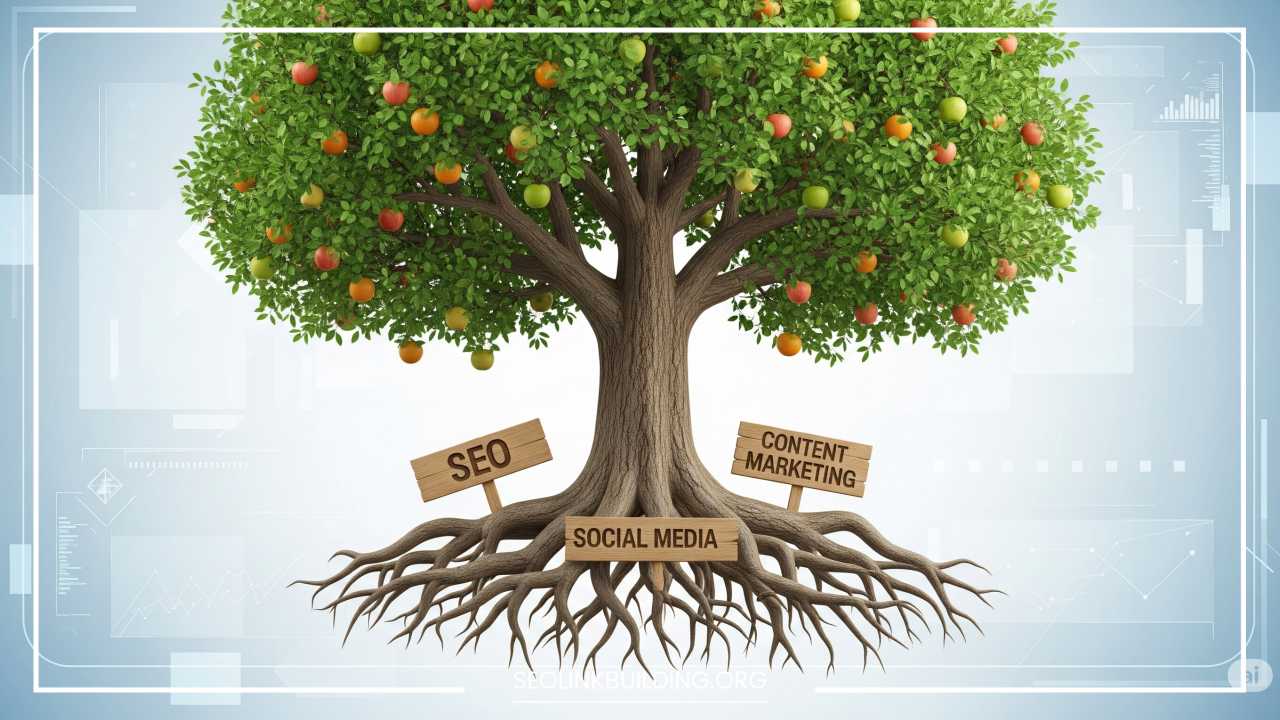
In the fast-paced digital world, where every click seems to come with a price tag, a powerful, more sustainable approach to growth is thriving. It’s called organic marketing, and it’s the foundation of long-term, trustworthy brand-building. Unlike paid advertising, which is about paying for visibility, organic marketing is about earning it. It’s a strategy focused on creating genuine value, building a community, and attracting customers naturally over time. This approach not only generates traffic and leads but also cultivates a loyal following that trusts and champions your brand. While paid marketing can offer quick wins, organic marketing provides the deep, resilient roots necessary for a business to flourish in the long run.
This article will explore the core concepts of organic marketing, its key channels, and how it fundamentally differs from and complements paid strategies. We’ll delve into the benefits and challenges, provide best practices for success, and show you why organic marketing isn’t just a tactic—it’s an essential philosophy for modern business growth.
What Is Organic Marketing?
Organic marketing is any marketing effort that generates traffic, leads, or sales without directly paying for visibility. Its primary goal is to attract a target audience by providing them with valuable, relevant content and experiences. It’s an inbound marketing approach, meaning it focuses on pulling potential customers towards your brand, rather than pushing your message out to them. Think of it as a magnet, not a megaphone.
The core characteristics of organic marketing are:
- Non-paid visibility: You don’t pay for ad placements, clicks, or impressions. Your visibility is earned through algorithms (like Google’s or Instagram’s) that deem your content valuable.
- Long-term strategy: Organic results don’t happen overnight. It requires patience and consistent effort to build momentum and see significant returns.
- Value-driven content: The cornerstone of organic marketing is creating high-quality, helpful, or entertaining content that solves a problem or fulfills a need for your audience.
- Trust and credibility: By providing value freely, you position your brand as a trusted authority in your industry, which builds genuine rapport with your audience.
The common platforms and channels for organic marketing include search engines (through SEO), social media, email, and content platforms like blogs and podcasts. These are the spaces where brands build a reputation and a community without relying on ad spend.
How Organic Marketing Works
At its heart, organic marketing operates on a simple principle: attraction. Instead of interrupting an audience with a sales message, it seeks to become a valuable resource they willingly seek out. This is the essence of inbound marketing. The process works by building a relationship with potential customers over time, guiding them through the customer journey without aggressive sales tactics.
The typical journey for an organic user can be broken down into stages:
- Awareness: A person has a problem or a question. They search for a solution online or stumble upon a piece of your content (like a blog post, video, or social media update) that addresses their need. This is their first touchpoint with your brand.
- Interest: After finding your initial content helpful, they may follow you on social media, subscribe to your newsletter, or explore other content on your website. They are now actively consuming more of your content.
- Decision/Conversion: Over time, as you continue to provide value, they come to trust your brand as an expert. When they are ready to make a purchase, your brand is top of mind. The conversion feels like a natural extension of the relationship, not a hard sell.
- Loyalty: The relationship doesn’t end at the sale. Organic marketing fosters a community that can lead to repeat purchases, word-of-mouth referrals, and a dedicated base of brand advocates.
This process is powered by a relentless focus on three key pillars: content, community, and consistency. You create great content, build a community around it, and do so consistently to maintain momentum and relevance.
Types of Organic Marketing Channels
Organic marketing is not a single activity but a suite of interconnected strategies that work together to build a strong digital presence. The most common channels include:
1. Content Marketing
Content is the engine of any organic marketing strategy. It’s the valuable information you create and share to attract your audience. This can take many forms:
- Blogs and Articles: Long-form written content that addresses common questions and provides in-depth information. By focusing on SEO-focused content, you can rank for relevant keywords and attract a steady stream of traffic from search engines.
- Infographics: Visually appealing summaries of complex data or topics, easily shareable on social media.
- Videos and Podcasts: Highly engaging formats that build a personal connection with your audience. YouTube, for example, is a massive search engine where videos can attract an audience for years.
The goal is to become the go-to resource for information in your niche.
2. Social Media Marketing
Social media is a powerful organic channel for building a community and engaging directly with your audience. The key is to be present and authentic on the platforms where your target audience spends their time.
- Platforms: Each platform has its own audience and best practices. Instagram is great for visual storytelling, Facebook for community groups, LinkedIn for B2B networking, and TikTok for short, engaging video content.
- Strategies: Focus on creating engaging content, asking questions, responding to comments, and participating in conversations. The goal is not to sell but to build a relationship.
Authentic engagement and consistent posting are far more effective than a broadcast-only approach.
3. Search Engine Optimization (SEO)
SEO is the process of optimizing your website and content to rank highly in search engine results (like Google, Bing, etc.). It’s the art and science of getting discovered when people search for topics related to your business.
- On-page SEO: This involves optimizing elements on your own website, such as using relevant keywords in your content, creating compelling meta descriptions, and ensuring your site is fast and mobile-friendly.
- Off-page SEO: This focuses on external factors that influence your site’s ranking, most notably backlinks—links from other reputable websites that point back to yours. Backlinks act as “votes of confidence” from other sites, signaling to search engines that your content is valuable.
A robust SEO strategy ensures a continuous flow of high-quality, targeted traffic to your site.
4. Email Marketing
Email marketing, when done organically, is about building a direct line of communication with people who have willingly opted in.
- Organic List Building: The most crucial aspect is growing your list organically—through sign-up forms on your website, lead magnets (like free e-books), or content upgrades. This ensures your subscribers are genuinely interested in what you have to say.
- Newsletters & Drip Campaigns: You can send regular newsletters with valuable content or use automated drip campaigns to nurture new subscribers with a series of helpful emails.
An organic email list is a highly engaged asset, far more valuable than a list of purchased leads.
5. Community Building
Community building extends organic marketing beyond traditional channels, fostering a sense of belonging and shared purpose.
- Online Communities: Platforms like Reddit, Facebook Groups, and Discord are hubs where like-minded people gather. Engaging in these spaces (without being overly promotional) allows you to listen to your audience, answer questions, and position your brand as a helpful member of the community.
- Offline Word-of-Mouth: The ultimate organic channel, word-of-mouth, is fueled by a positive customer experience. Delighted customers become brand advocates who refer you to their friends, family, and colleagues.
A strong community acts as a powerful feedback loop and a source of organic growth.
Benefits of Organic Marketing
While the immediate results of organic marketing may be slower than paid advertising, the long-term benefits are substantial and foundational for a healthy business.
- Cost-Effective: The most obvious advantage is that you don’t have to pay for ad placements. While there is a cost associated with content creation and strategy development, it is often a fraction of a paid ad campaign that can be turned off at any time.
- Builds Long-Term Brand Value: Organic strategies focus on establishing your brand as a trusted authority. This creates an invaluable asset—brand equity—that continues to generate returns long after the content is published.
- Higher Trust and Credibility: People are inherently skeptical of ads. When they discover your brand through a helpful blog post, a shared social media video, or a trusted referral, the trust is built from the start. This leads to higher conversion rates and more loyal customers.
- Sustainable Traffic and Leads: An effective organic strategy creates an evergreen source of traffic. A well-optimized blog post, for example, can continue to rank in search results and bring in new visitors for months or even years, whereas paid ads stop delivering results the moment your budget runs out.
- Enhances Customer Retention and Loyalty: Organic marketing is relationship-focused. By continuously providing value, you stay connected with your existing customers, turning them into repeat buyers and brand advocates.
Challenges of Organic Marketing
Organic marketing is not a magic bullet. It comes with its own set of challenges that require patience and a strategic mindset.
- Takes Time to Show Results: This is the single biggest challenge. You won’t see immediate spikes in traffic or sales from a single blog post. It often takes months, sometimes a year or more, of consistent effort to build a strong organic presence. This requires patience and a long-term commitment.
- Requires Consistency and Effort: To succeed, you must consistently produce high-quality content, engage with your community, and optimize your strategy. The work is ongoing; there are no shortcuts.
- Difficult to Scale Quickly: While you can dramatically increase ad spend to scale a paid campaign, you can’t simply double your organic results overnight. Scaling organically involves ramping up content production, which is a slower, more resource-intensive process.
- Constant Algorithm Changes: Search engines and social media platforms are constantly updating their algorithms. This means a strategy that worked last year may not work today. Staying on top of these changes requires continuous learning and adaptation.
Organic vs. Paid Marketing
Understanding the difference between organic and paid marketing is crucial for developing a balanced and effective digital strategy. The two are not mutually exclusive; they are two sides of the same coin.
| Feature | Organic Marketing | Paid Marketing |
| Cost | Free (in terms of ad spend) | Cost per click (CPC), Cost per impression (CPM) |
| Timeline | Slow, long-term | Immediate, short-term |
| Trust | High (earned) | Lower (interruptive) |
| Sustainability | Sustainable, evergreen | Stops when budget is exhausted |
| Effort | Consistent, high effort | Variable, depends on budget |
| Control | Low (dependent on algorithms) | High (you control targeting and ad placement) |
Use Cases:
- Organic is best for building a brand, establishing authority, and generating sustainable, long-term traffic and leads. It’s the foundation of your digital presence.
- Paid is best for generating immediate results, testing new markets or products, driving traffic for a specific promotion, or getting a quick boost in visibility.
Combining Both for a Hybrid Strategy:
The most effective digital strategies often use a hybrid approach. For example, you can:
- Use paid ads (PPC) to drive traffic to a new, valuable blog post to get an initial boost in views and social shares, which can then help its organic ranking over time.
- Create a popular organic social media post and then use paid promotion to “boost” it to a wider audience.
- Use paid search ads to fill the gap while you are waiting for your organic SEO efforts to kick in.
This hybrid approach allows you to leverage the speed and control of paid marketing while simultaneously building the sustainable foundation of organic growth.
Best Practices for Successful Organic Marketing
To make your organic marketing efforts as effective as possible, follow these key practices:
- Know Your Audience: Before you create a single piece of content, you must understand who you are trying to reach. What are their problems? What questions do they have? What platforms do they use? Creating detailed buyer personas is a crucial first step.
- Develop a Content Strategy: Don’t just create content randomly. Plan it out. Use keyword research to identify topics your audience is searching for. Map content to different stages of the customer journey. Create an editorial calendar to ensure consistency.
- Focus on Quality, Not Just Quantity: A single, comprehensive, high-quality article that ranks well will generate more traffic and leads than 10 mediocre ones. It’s better to be a trusted resource than a content mill.
- Optimize Everything: Every piece of content you create should be optimized for its purpose. This means not just SEO, but also optimizing for engagement on social media (using compelling visuals, questions, etc.) and for open rates in email marketing.
- Leverage Analytics to Improve: Organic marketing isn’t a “set it and forget it” strategy. Use tools like Google Analytics, social media insights, and email marketing reports to track what’s working and what isn’t. Analyze your most popular content, see where traffic is coming from, and double down on what’s driving results.
Case Study: Glossier’s Organic Growth
Glossier, the beauty brand, is a textbook example of a company built on organic marketing. Rather than relying on traditional ad campaigns, they built their brand by focusing on community.
- User-Generated Content: Glossier’s strategy was built on making its customers the centerpiece. They encouraged and re-posted user-generated photos and reviews on Instagram, turning their customers into organic marketers. This built a sense of community and trust that no ad could replicate.
- Community Building: They created a private Slack channel and a podcast, “The Glossier Podcast,” to deepen the relationship with their most loyal fans. They listened to feedback and even developed products based on customer requests.
- Authentic Voice: Their marketing felt like a conversation, not a broadcast. This created a sense of authenticity that resonated deeply with their target audience, leading to explosive word-of-mouth growth.
The lesson from Glossier is that a brand that puts its community first and provides value beyond just its products can achieve a level of trust and loyalty that is virtually unshakeable.
Final Thoughts
In a world saturated with digital noise, organic marketing stands out as a powerful, sustainable, and authentic way to build a brand. It’s not about quick wins or paying for attention; it’s about earning it through valuable content, genuine engagement, and consistent effort. While it requires patience and hard work, the rewards—a highly engaged community, long-term brand equity, and a steady stream of high-quality leads—are well worth the investment.
The most successful businesses today don’t choose between organic and paid marketing; they understand that the two work best when they work together. Organic marketing provides the deep, resilient foundation, while paid marketing can be used to accelerate growth and fill strategic gaps. By starting to invest in your organic strategy today, you are not just building a marketing campaign; you are building a sustainable, valuable asset that will continue to grow and serve your business for years to come.