What Is Organic Advertising?


What Is Organic Advertising? A Complete Guide
In the vast and ever-evolving landscape of digital marketing, countless terms and strategies vie for attention. Among them, “organic advertising” stands as a fundamental pillar, often misunderstood but undeniably powerful. At its core, organic advertising is the practice of promoting a brand, product, or service without direct monetary payment for placement. It’s the antithesis of paid ads—no banner buys, no sponsored posts, no pay-per-click campaigns. Instead, it’s about earning visibility and building a brand’s reputation naturally through value-driven content and genuine audience engagement.
Organic advertising is more than just a marketing tactic; it’s a philosophy centered on long-term growth and authentic connection. In an era where consumers are increasingly skeptical of overt advertisements, the ability to attract an audience through trust and genuine interest is an invaluable asset. This article will serve as a complete guide to understanding organic advertising, exploring its core principles, the channels it operates on, its benefits and challenges, and how to build a robust strategy that complements, and in many cases outperforms, paid efforts.
Understanding Organic Advertising
The concept of organic advertising is built on a simple premise: if you provide value, people will find you. Unlike paid advertising, which pushes a message out to a target audience, organic advertising draws people in by being a source of information, entertainment, or community.
Its core characteristics are what set it apart:
- Non-Paid: This is the most defining feature. Organic reach is earned, not bought. It’s the traffic that comes to your website from a Google search, the likes and shares on a social media post that wasn’t boosted, and the word-of-mouth recommendations from satisfied customers.
- Value-Driven: Organic success hinges on the quality and relevance of your content. You’re not just selling a product; you’re solving a problem, answering a question, or providing entertainment. A blog post that explains a complex topic, a video tutorial for a product, or an infographic that simplifies data—these are the engines of organic reach.
- Long-Term Results: Organic efforts are a marathon, not a sprint. While a paid ad can generate instant traffic, its impact ceases the moment you stop paying. Organic content, however, continues to work for you long after it’s published. A well-optimized blog post from five years ago can still drive traffic today, creating a compounding effect that builds sustainable brand authority.
- Trust and Authenticity: Consumers are increasingly fatigued by sponsored content. Organic advertising, by its very nature, feels more authentic. When someone discovers your brand through a genuine search or a friend’s recommendation, the relationship begins with a foundation of trust, not a transactional push.
This stands in stark contrast to traditional or paid advertising, which operates on the principle of interruption and placement. Traditional ads interrupt a viewer’s experience (e.g., a TV commercial), while paid digital ads buy space on a platform (e.g., a banner ad on a website). Both have their place and can be highly effective for specific goals, but they lack the intrinsic trust-building and long-tail benefits of a strong organic strategy. Paid campaigns offer speed and control, but organic campaigns build a lasting legacy.
Types of Organic Advertising Channels
Organic advertising isn’t confined to a single platform; it’s a multi-faceted approach that leverages a variety of digital and traditional channels. The key is to understand how to maximize organic reach on each one.
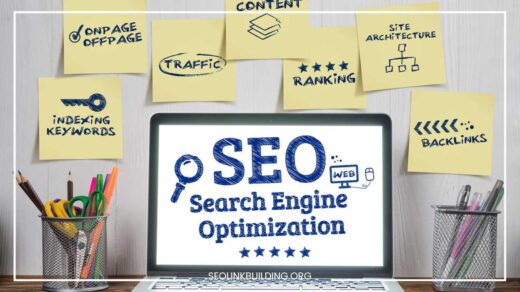
- Search Engine Optimization (SEO): This is the cornerstone of organic digital marketing. SEO is the process of optimizing your website and content to rank higher on search engine results pages (SERPs) like Google and Bing. When you publish a well-researched, keyword-rich article that answers a user’s query, you are engaging in organic advertising. The goal is to appear at the top of the search results organically, so users click on your link because it’s a credible and relevant source, not because it’s a sponsored ad. This includes on-page SEO (content, keywords), technical SEO (site speed, mobile-friendliness), and off-page SEO (backlinks from other reputable sites).
- Social Media (Organic Reach): On platforms like Facebook, Instagram, TikTok, and LinkedIn, organic reach refers to the visibility your posts get without any paid promotion. It’s the likes, shares, comments, and views that happen naturally through your followers and the platform’s algorithm. For example, a compelling video on TikTok that goes viral through the “For You” page is a prime example of organic success. Building organic social media presence requires consistent posting, engaging with your community, using relevant hashtags, and creating content that resonates with your audience’s interests and values.
- Content Marketing: This is the umbrella term for creating and distributing valuable content to attract and retain a defined audience. This can take many forms:
- Blog Posts: The classic form of content marketing, where you provide in-depth information, tutorials, or industry insights.
- Videos: From short-form Reels and TikToks to long-form YouTube tutorials and documentaries.
- Podcasts: Audio content that builds a loyal following by providing consistent value and entertainment.
- Infographics and E-books: Visual and long-form resources that simplify complex information and are easily shareable.
- The power of content marketing lies in its ability to establish your brand as an authority in its field.
- Email Marketing (Non-Promotional): While email marketing often involves promotional campaigns, its organic form is centered on providing value and building community. This includes sending out regular newsletters with helpful tips, sharing industry news, or providing exclusive content to your subscribers. When an email is opened because a subscriber trusts your brand and is eager to read your insights, that’s organic engagement.
- Word-of-Mouth and Referral Marketing: This is the most powerful and authentic form of organic advertising. It’s when satisfied customers become brand evangelists, sharing their positive experiences with friends, family, and online communities. This includes:
- Customer Reviews and Testimonials: Unsolicited positive feedback on review sites like Yelp, Google Reviews, or Trustpilot.
- Referrals: People recommending your brand to others because they genuinely love your product or service.
- This channel is built on customer satisfaction and is a direct result of a quality product and exceptional service.
- Influencer Marketing (Unpaid Collaborations): While many influencer campaigns are paid, organic influencer marketing involves unpaid, genuine mentions. This happens when an influencer genuinely loves your product and talks about it on their own accord without a contractual agreement. This type of endorsement is highly credible because it comes from a place of authenticity, making it incredibly persuasive to the influencer’s audience.
Benefits of Organic Advertising
Investing in organic advertising yields a multitude of long-term benefits that paid campaigns often can’t match.
- Cost-Effective Over Time: While organic advertising requires an initial investment of time and resources for content creation, it is significantly more cost-effective in the long run. Unlike paid ads that have a per-click or per-impression cost, a successful piece of organic content continues to generate traffic and leads for free, year after year. The return on investment (ROI) compounds as your content library grows, reducing your dependency on an ad budget.
- Builds Trust and Brand Loyalty: Organic content is a powerful tool for building a loyal community. By consistently providing value and solving problems for your audience, you position your brand not just as a vendor, but as a trusted partner and authority. This fosters brand loyalty that is resilient to competition and less dependent on price. When customers feel a genuine connection to a brand, they become advocates.
- Generates Sustainable Traffic and Engagement: Paid campaigns are like a faucet that turns on and off. Organic traffic, however, is like a well that you’ve dug. Once established, it provides a steady and reliable flow of visitors to your website and social channels. This sustainable traffic is crucial for long-term business health, as it insulates you from algorithm changes or rising ad costs on paid platforms.
- Better for SEO and Brand Authority: Search engines reward brands that consistently produce high-quality, relevant content. A strong organic strategy improves your SEO by accumulating backlinks, increasing domain authority, and signaling to search engines that you are a reliable source of information. Over time, this makes it easier for you to rank for competitive keywords and solidifies your brand’s position as a thought leader in your industry.
- More Authentic Audience Connection: In a world saturated with ads, consumers crave authenticity. Organic content, whether it’s a heartfelt social media post or a comprehensive blog article, feels more genuine. It allows you to have a two-way conversation with your audience, responding to comments, addressing feedback, and building a community around shared values. This deeper connection is more meaningful and enduring than a fleeting interaction with a sponsored ad.
Challenges of Organic Advertising
While the benefits are significant, it’s crucial to acknowledge the challenges that come with an organic strategy.
- Takes Longer to See Results: Patience is a virtue in organic marketing. Unlike a paid ad campaign that can generate immediate leads, organic efforts can take months, or even a year, to build momentum. Ranking for competitive keywords on Google or growing a substantial social media following requires consistent effort over a long period. This can be discouraging for businesses that need to show quick returns.
- Requires Consistent Content Creation: The engine of organic advertising is content. To stay relevant and visible, you need a steady stream of new blog posts, videos, social media updates, and other assets. This requires a significant investment of time, creativity, and resources. Content creation can be a demanding and often underestimated part of the process.
- Algorithm Changes Can Affect Reach: Organic reach on platforms like Google, Facebook, and Instagram is at the mercy of their ever-changing algorithms. An algorithm update on Google can cause a website’s traffic to drop overnight, while a change on Instagram can reduce the visibility of your posts. This lack of control is a major challenge, requiring marketers to stay adaptable and constantly monitor trends.
- Harder to Track Immediate ROI: Attributing a sale directly to a specific organic effort can be more difficult than with a paid ad. While tools like Google Analytics can track organic traffic and conversions, it’s harder to measure the impact of a single social media post or the compounding effect of a series of helpful articles on long-term brand equity. The ROI of organic is often a holistic measure of brand growth, not just a simple calculation of ad spend versus revenue.
Organic vs. Paid Advertising
Instead of viewing paid and organic as competing strategies, it’s more effective to see them as complementary forces in a comprehensive marketing plan.
| Feature | Organic Advertising | Paid Advertising |
| Cost | Low to no direct monetary cost per click/impression; high investment in time and content creation | Direct monetary cost per click, impression, or action; requires a budget |
| Speed | Slow and long-term; results build over time | Fast and immediate; generates traffic quickly |
| Reach | Earned reach through algorithms and community engagement; limited by content quality and platform rules | Bought reach; can target a specific, large audience instantly |
| Trust Factor | High; seen as authentic and credible | Lower; users are aware it’s a sponsored message |
| Control | Limited control over who sees your content and when; dependent on algorithms | High control over targeting, timing, and messaging |
| Sustainability | Highly sustainable; content works for you long after it’s published | Not sustainable; traffic stops when the budget runs out |
A smart marketing strategy uses both. You might use paid ads to quickly test new keywords or target a specific demographic for a product launch, while simultaneously building your organic content library to establish long-term authority. For example, you could run a paid campaign for a new e-book, then use the data from that campaign to inform your organic SEO strategy for a series of blog posts on related topics. The two strategies can create a powerful hybrid effect, with paid efforts providing a quick spark and organic efforts building a lasting fire.
How to Build an Organic Advertising Strategy
A successful organic advertising strategy is systematic and requires a clear plan.
- Define Your Goals and Audience: Before you create a single piece of content, you must know who you are talking to and what you want to achieve. Define your target audience (age, interests, pain points) and set clear goals (e.g., increase organic traffic by 20%, grow social media following by 500, generate 100 new email subscribers).
- Content Planning and Calendar: Organic success depends on consistency. Create a content calendar that outlines what you will publish, when, and on which platform. This ensures you have a steady stream of valuable content, whether it’s a weekly blog post, a daily social media update, or a monthly newsletter.
- SEO and Keyword Research: Use tools like Google Keyword Planner, SEMrush, or Ahrefs to find the keywords your target audience is searching for. Create content that directly answers their questions, and optimize it with relevant keywords, meta descriptions, and alt tags. This is the foundation of getting found on search engines.
- Social Media Scheduling: To maintain a consistent presence, use social media scheduling tools like Buffer or Hootsuite. Don’t just post and walk away—engage with your community by responding to comments, running polls, and asking questions. Community building is a core component of organic social media.
- Community Engagement and Interaction: Go beyond simply publishing content. Actively participate in conversations, both on your platforms and in relevant online forums, groups, and communities. Be a resource, answer questions, and build genuine relationships.
- Tools to Help: Leverage data to refine your strategy. Use Google Analytics to track organic traffic, conversions, and user behavior. Tools like SEMrush can help with keyword research and competitive analysis, while social media analytics tools can provide insights into what content resonates most with your audience.
Real-World Examples of Organic Advertising Success
Several brands have built empires on the back of brilliant organic strategies.
- HubSpot: A master of content marketing. HubSpot built its brand by creating an immense library of free resources, including blog posts, e-books, and certifications, that teach marketers and salespeople how to do their jobs better. Their organic traffic is massive, and they have successfully positioned themselves as an indispensable resource, which in turn drives their software sales.
- Glossier: The skincare and makeup brand built a cult following almost entirely through organic social media and user-generated content (UGC). They empowered their community to be the advertisers, sharing photos of themselves using the products. This UGC acted as a constant stream of authentic, peer-to-peer advertising, building a foundation of trust and loyalty.
- Patagonia: The outdoor apparel company has built an incredibly strong brand identity through its commitment to environmental and social causes. Their content, whether it’s a documentary on their website or an Instagram post about an environmental issue, reflects their values. This organic approach has turned their customers into brand advocates who share Patagonia’s mission, making their brand about more than just a product.
Future of Organic Advertising
The future of organic advertising is deeply tied to the evolution of technology and consumer behavior.
- AI-Driven Content: AI tools can now assist in content creation, from generating drafts to identifying content gaps. However, the future will belong to those who use AI to augment human creativity, not replace it. The most successful content will still be human-first, offering unique insights and a personal touch.
- Human-First SEO: Google’s algorithm is increasingly prioritizing helpful, people-first content. The days of keyword stuffing are over. The focus is now on answering user intent, providing comprehensive information, and creating an excellent user experience. SEO is becoming more about empathy and less about technical tricks.
- The Increasing Importance of Authenticity: As deepfakes and AI-generated content become more prevalent, the value of genuine, authentic content will skyrocket. Brands that can show their human side, engage in transparent conversations, and build real communities will win the hearts and minds of consumers.
- Evolving Social Media Algorithms: Platforms will continue to tweak their algorithms. The key for brands will be to stay agile, paying attention to what the algorithms favor (e.g., short-form video on TikTok) while remaining focused on creating high-quality content that provides true value, regardless of the platform’s rules.
Final Thoughts
Organic advertising is not a passing trend; it is a timeless and fundamental approach to marketing that is more relevant today than ever before. It is the art and science of earning attention, building trust, and fostering a community without the reliance on paid placement. While it requires patience, consistency, and a significant investment in creating valuable content, the long-term rewards are immeasurable.
By building a robust organic strategy, you are not just generating traffic; you are building a sustainable brand that stands for something, connects with its audience on a deeper level, and thrives on authenticity. In a world of noise and endless advertisements, a brand that is discovered organically is a brand that is truly remembered and trusted. Incorporating a well-rounded organic advertising strategy is not just a choice—it’s a critical investment in your brand’s future growth and legacy.