
Check Web Page Rank | Website Ranking Tool & SEO Analysis

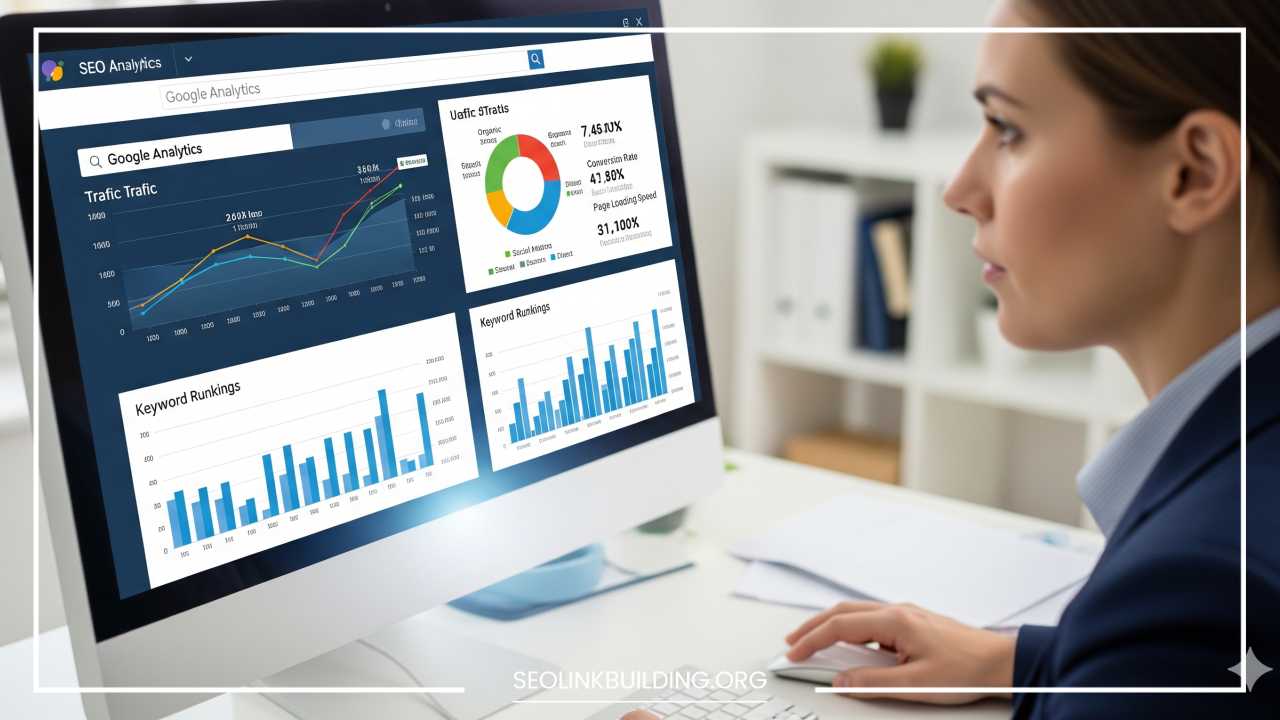
Check Web Page Rank | Website Ranking Tool & SEO Analysis
In the vast and ever-expanding digital universe, a website’s visibility is its lifeline. Whether you’re a burgeoning blogger, an e-commerce giant, or a small business owner, your online success is inextricably linked to one critical metric: your web page rank. Simply put, this rank is your position in the search engine results pages (SERPs) for specific keywords. The higher your rank, the more organic traffic you attract, and the greater your potential for conversions.
But what exactly is a “web page rank”? Is it a static number or a dynamic measure? How is it determined, and more importantly, how can you improve it? This comprehensive guide will demystify the concept of web page ranking, explore the key factors that influence it, and provide an in-depth look at the tools and strategies you need to analyze and elevate your website’s performance. From the foundational principles of SEO to advanced analysis techniques, we’ll equip you with the knowledge to not only check your rank but to proactively improve it and dominate your niche.
What Is Web Page Rank?
The term “web page rank” has evolved significantly over the years. It’s often used interchangeably with “search engine ranking” or “SERP position,” but its roots trace back to Google’s foundational algorithm.
The History of PageRank
In the late 1990s, Google’s co-founders, Larry Page and Sergey Brin, developed an algorithm called PageRank. This was a revolutionary system that measured the importance of web pages by analyzing the quantity and quality of links pointing to them. The idea was simple: a link from a reputable, high-authority website was considered a “vote” of confidence, and the more votes a page received, the more important it was deemed. At its core, PageRank was a numerical score (on a logarithmic scale from 0 to 10) that determined a page’s authority.
PageRank vs. Page Ranking Today
While the original PageRank algorithm was a cornerstone of early SEO, its public-facing score (the PageRank toolbar) was retired in 2016. Google no longer updates or shares this score, leading many to question if it’s still relevant. The truth is, the core principle of PageRank—that links from authoritative sites are crucial—remains a fundamental part of Google’s ranking systems. However, today’s “page ranking” is far more complex than a single score. It is the result of Google’s algorithms evaluating over 200 different ranking factors.
Is Google PageRank Still Used?
Yes, but not in the way it once was publicly understood. Google’s internal algorithm still uses a sophisticated, proprietary version of PageRank to understand the value and authority of pages based on their link profiles. It’s a key ingredient, but not the only one. The modern SEO landscape requires a holistic approach that considers a multitude of signals, not just link equity.
Key Factors That Influence Web Page Ranking
Achieving a high rank is a blend of science and art. It requires optimizing your site across three primary areas: on-page SEO, off-page SEO, and technical SEO, all underpinned by high-quality content.
1. On-Page SEO
On-page SEO refers to all the optimization efforts you can make directly on your website to improve its ranking.
- Keywords: While keyword stuffing is a black-hat practice, strategic use of keywords is essential. You need to identify the words and phrases your target audience is searching for and integrate them naturally into your content, headings, and meta tags.
- Title Tags & Meta Descriptions: The title tag is the most important on-page SEO element. It’s the clickable headline in the SERPs. The meta description is a brief summary that appears below it. Both should be compelling, accurate, and include your primary keyword to encourage clicks.
- URL Structure: A clean, concise, and keyword-rich URL helps both users and search engines understand what the page is about. Avoid long, jumbled URLs with irrelevant characters.
- Internal Linking: Linking from one page on your site to another helps search engines discover new content and understand the relationship between different pages. It also distributes link equity throughout your site and improves user navigation.
2. Off-Page SEO
Off-page SEO encompasses all the actions taken outside of your website to impact its ranking.
- Backlinks (Quality vs. Quantity): Backlinks remain a cornerstone of off-page SEO. However, quality trumps quantity. A single link from a highly reputable site (e.g., a major news outlet, a leading industry blog) is far more valuable than dozens of links from low-quality, spammy sites.
- Domain Authority (DA): Developed by Moz, Domain Authority is a predictive metric (on a scale of 1-100) of how well a website will rank. It’s not a Google metric but is widely used by SEO professionals to compare sites and track progress. It’s primarily influenced by the quality of a site’s backlink profile.
- Brand Mentions: Search engines are becoming increasingly sophisticated. They can recognize mentions of your brand name even without a direct link. Consistent brand mentions across the web can build authority and positively impact your rankings.
3. Technical SEO
Technical SEO ensures that search engine crawlers can efficiently access, crawl, and index your website.
- Mobile-Friendliness: With Google’s mobile-first indexing, having a responsive, mobile-friendly website is no longer optional. Your site must provide a seamless experience on all devices.
- Page Speed: Users have little patience for slow-loading pages. Fast loading times are a direct ranking factor, as they significantly improve user experience. Tools like Google’s PageSpeed Insights can help you identify areas for improvement.
- Core Web Vitals: A subset of page speed metrics, Core Web Vitals measure user experience. They include:
- LCP (Largest Contentful Paint): The time it takes for the main content to load.
- FID (First Input Delay): The time it takes for a browser to respond to the first user interaction.
- CLS (Cumulative Layout Shift): The visual stability of a page.
- Secure Connection (HTTPS): A secure, encrypted connection (HTTPS) is a minor but confirmed ranking signal. It also builds user trust.
4. Content Quality
Beyond the technical and structural elements, the content itself is the single most important factor.
- Relevance & Originality: Your content must directly address the user’s search query and be unique. Duplicate or thin content will not rank well.
- E-E-A-T (Experience, Expertise, Authoritativeness, Trustworthiness): Google’s Quality Rater Guidelines emphasize these principles. Content should be created by an expert (Expertise), demonstrate a deep understanding of the topic (Experience), be recognized as a leading source (Authoritativeness), and be factually correct and reliable (Trustworthiness). This is particularly crucial for “Your Money or Your Life” (YMYL) topics like finance and health.
Tools to Check Web Page Rank
While you can manually check your rank by searching on Google, this is inefficient and unreliable due to personalized search results. To get an accurate, holistic view of your performance, you need to use dedicated SEO tools.
1. Google Search Console (Free)
This is the most essential tool for any website owner. It’s a direct line to Google and provides invaluable data on how the search engine views your site. You can monitor your keyword rankings, check for crawl errors, see which pages are indexed, and even submit sitemaps.
2. Ahrefs (Paid)
Ahrefs is renowned for its backlink analysis capabilities. Its tools include:
- Site Explorer: An in-depth overview of a website’s backlink profile and organic traffic.
- Keywords Explorer: A comprehensive tool for keyword research.
- Rank Tracker: Monitors your keyword rankings and provides historical data.
3. SEMrush (Paid)
SEMrush is an all-in-one SEO and digital marketing suite. Its key features include:
- Keyword Rank Tracking: Tracks your rankings for target keywords.
- Competitor Analysis: Reveals your competitors’ top keywords and backlink sources.
- On-Page SEO Checker: Provides suggestions for optimizing specific pages.
4. Moz (Paid)
Moz is a pioneer in the SEO industry. Their tools focus on metrics like:
- Domain Authority (DA) & Page Authority (PA): Proprietary metrics to gauge a site’s authority.
- Keyword Explorer: Helps identify valuable keywords.
- Link Explorer: A powerful backlink analysis tool.
5. Ubersuggest (Freemium)
Ubersuggest, by Neil Patel, is a user-friendly tool that offers a good starting point for beginners. Its free version provides limited but useful data on keyword ideas, content suggestions, and a site’s top-ranking pages.
6. SERPWatcher by Mangools (Paid)
Part of the Mangools suite, SERPWatcher is a simple and intuitive rank-tracking tool. It’s ideal for those who primarily need to monitor their keyword positions without all the bells and whistles of larger platforms.
These tools work by crawling the web and collecting data. They don’t just tell you your rank; they provide a wealth of metrics like Domain Authority, Page Authority, organic traffic estimates, and competitor insights, which are crucial for a successful SEO strategy.
How to Analyze Your Website’s SEO Performance
Checking a single rank is just the first step. True improvement comes from a thorough SEO analysis.
1. Conducting an SEO Audit
An SEO audit is a systematic review of your website to identify strengths, weaknesses, and opportunities. This involves checking for broken links, duplicate content, slow-loading pages, and technical errors.
2. Checking Crawlability & Indexing
Use Google Search Console’s “URL Inspection” tool to ensure your important pages are being crawled and indexed correctly. If a page isn’t indexed, it won’t appear in the SERPs.
3. Analyzing Backlink Profile
Use a tool like Ahrefs or Moz to review your backlinks. Look for a healthy mix of high-authority links and disavow or remove any spammy, low-quality links that could harm your ranking.
4. Reviewing Keyword Performance
Track your keyword rankings over time. Identify which keywords are driving the most traffic and which ones you’re close to ranking for (e.g., in positions 11-20). These are your “low-hanging fruit” opportunities.
5. Competitor Comparison
Analyze your competitors’ SEO strategies. Which keywords are they ranking for? Where are they getting their backlinks? This intelligence can help you uncover new opportunities and refine your own strategy.
6. Identifying Content Gaps
Use keyword research tools to find topics and questions your audience is searching for that you haven’t covered yet. Creating authoritative content to fill these gaps can significantly boost your rankings.
How to Improve Web Page Rankings
With your analysis complete, it’s time to take action.
- Optimize Existing Content: Don’t just focus on creating new content. Refreshing and updating old articles with new information, internal links, and relevant keywords can give them a huge ranking boost.
- Target Low-Hanging SEO Opportunities: Focus on keywords where you are on the second page of Google. With a bit of optimization—a better title, a few more internal links, or a content refresh—you can often jump onto the first page.
- Use Schema Markup: Schema markup is a type of microdata that helps search engines understand your content more deeply. It can lead to rich snippets in the SERPs (e.g., star ratings, product prices), which can increase click-through rates.
- Improve User Experience (UX): A good user experience is a direct ranking signal. This means ensuring your site is easy to navigate, loads quickly, and is free of pop-up spam.
- Build Quality Backlinks: Proactively seek out backlink opportunities through guest blogging, creating linkable assets (e.g., a comprehensive guide or a useful tool), or outreach to other websites in your niche.
- Consistent Publishing and Content Strategy: A regular content schedule signals to search engines that your site is active and relevant. Create a content calendar and stick to it.
- Monitor and Adjust Based on Data: SEO is not a one-time effort. Continuously monitor your rankings and traffic data, and be prepared to adjust your strategy based on what the data tells you.
Common Mistakes to Avoid in SEO
Even well-intentioned efforts can go wrong. Avoid these common SEO blunders:
- Keyword Stuffing: Cramming too many keywords into your content makes it unreadable and can lead to a Google penalty.
- Buying Links or Black-Hat Practices: Google’s algorithms are smart enough to detect attempts to manipulate rankings. Practices like link farming, buying links, or cloaking will eventually lead to a penalty.
- Ignoring Mobile Users: A non-mobile-friendly site will struggle to rank in a mobile-first world.
- Neglecting Page Speed: A slow site frustrates users and is a significant ranking deterrent.
- Not Tracking Performance: If you don’t measure your results, you won’t know what’s working and what isn’t.
Final Thoughts
Understanding and improving your web page rank is not about a single magic bullet; it’s about a consistent, data-driven strategy. Your rank is a reflection of your website’s overall health, authority, and relevance in the eyes of search engines. By meticulously optimizing your on-page, off-page, and technical SEO, while prioritizing high-quality content, you lay the foundation for sustainable long-term growth.
Start by conducting a basic SEO audit of your site. Use a free tool like Google Search Console to get a clear picture of your current status. Then, choose a paid tool that fits your budget and needs, and start tracking your keyword rankings. Remember, SEO is a marathon, not a sprint. Be patient, stay consistent, and use the insights from your chosen tools to continually refine your strategy. The journey to the top of the SERPs begins with a single step: checking your web page rank.