
How to Grow an Ecommerce Business

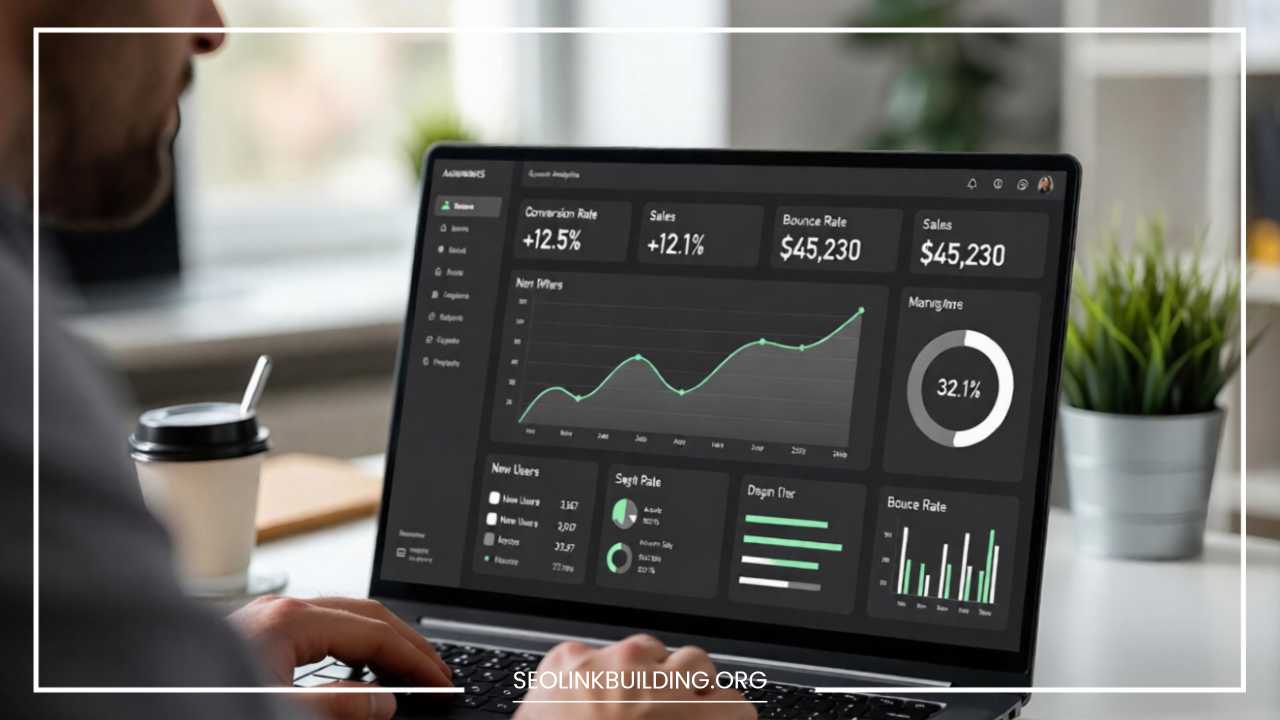
How to Grow an Ecommerce Business: Proven Strategies for Scaling Online Sales
The leap from a fledgling online store to a dominant market player is rarely a matter of luck. In the digital commerce landscape, growth is a deliberate process of compounding small wins across multiple departments. While starting an ecommerce business is about validation—proving people want what you are selling—scaling is about systems, efficiency, and amplification.
Scaling an ecommerce business means increasing your revenue at a faster rate than your costs. It requires a shift in mindset from being a “doer” to being a “builder.” You are no longer just selling products; you are building a machine that acquires customers, converts them into fans, and retains them for years. This guide explores the foundational pillars of growth, from technical optimization and high-quality traffic acquisition to the psychological nuances of retention and brand building. Whether you are hitting a plateau or preparing for a massive surge, these proven strategies will provide the roadmap for your expansion.
Build a Strong Foundation First
Before pouring resources into marketing, you must ensure your business infrastructure can handle the weight of increased traffic and transactions. Scaling on a broken foundation only breaks the business faster.
Choosing the Right Niche and Audience
Growth is significantly easier when you operate in a niche with high demand and low relative friction. As you scale, you may need to narrow your focus to a specific sub-segment of your market to maintain a high conversion rate. Understanding your Ideal Customer Profile (ICP) allows you to tailor your messaging so specifically that it feels personal to every visitor. This involves creating detailed personas that include demographics, pain points, and online habits.
Unique Value Proposition (UVP)
Why should a customer buy from you instead of a massive marketplace like Amazon? Your UVP is your competitive moat. It could be proprietary product design, an eco-friendly supply chain, or unparalleled expert curation. Without a clear UVP, you are forced to compete on price, which is a race to the bottom that kills margins. Your UVP should be the first thing a visitor sees on your homepage.
Brand Positioning and Messaging
Scaling requires a consistent voice. Your brand positioning defines where you sit in the market—luxury, budget-friendly, rugged, or minimalist. Ensure your messaging is consistent across your website, social media, and packaging. This consistency builds the trust necessary for first-time buyers to hit the purchase button. A brand style guide can help maintain this consistency as your team grows.
Optimized Ecommerce Platform
Your choice of platform (Shopify, WooCommerce, BigCommerce, or Magento) must align with your growth goals. Shopify is excellent for ease of use and scaling apps, while WooCommerce offers more customization for those with technical resources. Ensure your platform can handle high-volume traffic spikes, such as during Black Friday or a viral social media moment, without crashing.
Mobile-First and Fast-Loading Website
The majority of ecommerce traffic now happens on mobile devices. A mobile-responsive site is no longer enough; it must be mobile-optimized. This means large buttons, easy-to-read text, and a thumb-friendly navigation menu. Furthermore, speed is a ranking factor for Google and a conversion factor for users. Every second of delay in page load time can result in a significant reduction in conversions. Use tools like PageSpeed Insights to identify and fix bottlenecks.
Optimize Your Website for Conversions
Conversion Rate Optimization (CRO) is the art and science of getting more out of the traffic you already have. If you double your conversion rate, you effectively double your revenue without spending an extra cent on ads.
High-Converting Product Pages
Your product page is your virtual salesperson. It needs to do the heavy lifting of answering questions and overcoming objections.
-
Visuals: Use high-resolution images from multiple angles, 360-degree views, or short video demonstrations. Zoom functionality is essential for products where texture or detail matters.
-
Descriptions: Move beyond features. Focus on benefits. Instead of saying a jacket is “waterproof,” say it “keeps you bone-dry during heavy autumn downpours.” Use bullet points for readability.
-
Social Proof: Display reviews and ratings prominently. User-generated content (UGC), such as photos of customers using the product, adds a layer of authenticity that studio shots cannot match.
Simplified Checkout Process
The checkout process should be a frictionless slide toward completion. Any hesitation here leads to abandoned carts.
-
Guest Checkout: Don’t force users to create an account before buying. You can always ask them to save their details after the transaction is complete.
-
One-Page Checkout: Reduce the number of steps and form fields. Use address auto-complete features to save users time.
-
Multiple Payment Options: Offer credit cards, PayPal, and “Buy Now, Pay Later” (BNPL) services like Affirm or Klarna. Modern consumers expect flexibility in how they pay.
Trust Signals
Online shoppers are hyper-aware of security. Display SSL certificates, secure payment icons, and clear links to your return policy. A “30-Day Money-Back Guarantee” or a “Satisfaction Guarantee” badge is one of the most effective ways to lower the perceived risk of a purchase.
A/B Testing Basics
Never guess what works; test it. Use A/B testing to compare two versions of a headline, button color, or layout. Focus on testing one variable at a time so you know exactly what caused the change in performance. Start with high-impact areas like your primary Call to Action (CTA) buttons or your homepage hero image.
Reducing Cart Abandonment
Even with a great checkout, some users will leave. Use exit-intent popups to offer a last-minute discount or a reminder of what they are missing. Implementing a robust abandoned cart recovery system—via email or SMS—is essential for capturing lost revenue.
Drive High-Quality Traffic
Scaling requires a diversified traffic mix. Relying on a single source is dangerous; if that platform changes its algorithm or raises its prices, your business could evaporate overnight.
Search Engine Optimization (SEO)
SEO is a long-term play that provides the highest ROI over time. It builds an asset that generates traffic for free once established.
-
Keyword Research: Target commercial intent keywords (e.g., “buy leather hiking boots”) for product pages and informational intent keywords (e.g., “how to clean leather boots”) for your blog.
-
On-Page SEO: Ensure every product and category page has optimized meta titles, descriptions, and H1 tags. Use descriptive alt text for images to help search engines understand your visual content.
-
Blogging: High-quality content establishes authority and captures users at the top of the funnel. Write guides that solve customer problems related to your products.
-
Technical SEO: Ensure your site architecture is logical and that your sitemap is submitted to search engines. Fix broken links and redirect old pages to maintain “link juice.”
Paid Advertising
Paid ads are the gasoline you pour on the fire of a converting website. They provide immediate results and can be scaled as long as they remain profitable.
-
Search Ads: Use Google Shopping to show your products to people actively looking for them. These ads have high intent because the user is already searching for a solution.
-
Social Ads: Facebook and Instagram allow for incredibly granular targeting based on interests, behaviors, and lookalike audiences. Use compelling video creative to stop the scroll.
-
Retargeting: Most people don’t buy on the first visit. Retargeting ads follow them across the web, reminding them of the items they viewed. This is often the most profitable segment of paid advertising.
-
Scaling Budgets: When an ad set is performing well, increase the budget gradually (e.g., 20% every few days) to avoid resetting the platform’s learning phase.
Social Media Marketing
Social media is for building relationships, not just broadcasting sales. It provides a platform for two-way communication with your audience.
-
Organic Content Strategy: Share behind-the-scenes footage, tutorials, and customer stories. Use a content calendar to stay consistent.
-
Short-Form Video: Platforms like TikTok and Reels are currently the best way to get viral organic reach. The focus should be on entertainment and education rather than hard selling.
-
Building Brand Personality: Use a consistent voice and interact with followers in the comments. A brand that feels “human” is more likely to earn loyalty.
Leverage Email Marketing & Retention
Acquiring a new customer is significantly more expensive than retaining an existing one. Retention is the secret weapon of high-growth ecommerce brands because it increases the lifetime value of every customer.
Building an Email List
Your email list is an asset you own. Unlike social media followers, no algorithm change can take your email list away. Use lead magnets—like a 10% discount, a free ebook, or early access to sales—to encourage sign-ups. Place sign-up forms in high-traffic areas like the footer, the checkout page, and via timed popups.
Automation Sequences (Flows)
Automation allows you to send the right message at the right time without manual intervention.
-
Welcome Sequence: Introduce your brand story, explain your values, and provide a first-purchase incentive. This is your chance to make a great first impression.
-
Abandoned Cart: Send a series of 2-3 emails. The first should be a simple reminder, the second should address potential objections (like shipping costs), and the third can include a small discount to close the deal.
-
Post-Purchase Follow-ups: Send a “thank you” email, ask for a review after the product has arrived, and suggest related products based on their purchase.
-
Win-Back Campaigns: Target customers who haven’t purchased in a while (e.g., 60 or 90 days) with a special “we miss you” offer.
Repeat Purchase Campaigns
Analyze your product’s lifecycle. If you sell skincare that lasts 30 days, send a “Time to Restock?” email on day 25. Regular newsletters featuring new arrivals, educational content, and curated collections keep your brand top-of-mind even when the customer isn’t ready to buy immediately.
Segmentation
Don’t send the same email to everyone. Segment your list based on purchase history, geographic location, or engagement levels. A customer who has spent $500 should receive different messaging than someone who has never made a purchase.
Use Influencer & Affiliate Marketing
Word-of-mouth is the most powerful form of marketing, and influencers are the modern version of it. They provide the “social proof” that can drive massive spikes in sales.
Finding the Right Influencers
Alignment is more important than follower count. A micro-influencer (10k-50k followers) in a specific niche often has a much higher engagement rate and more trust with their audience than a celebrity. Use tools to analyze an influencer’s audience demographics to ensure they match your target market.
Micro vs Macro Influencers
-
Micro-influencers: Generally more affordable and often willing to work for “product for post” arrangements. They are great for building niche authority.
-
Macro-influencers: Better for broad brand awareness and reaching a massive audience quickly. They usually require significant flat fees.
Affiliate Programs
Affiliate marketing allows you to pay only for performance. You provide partners—bloggers, YouTubers, or customers—with a unique link, and they earn a commission on every sale they generate. This is a low-risk way to scale your reach because you only pay when revenue is generated.
Tracking ROI
Use UTM parameters and unique discount codes to track which influencers are actually driving revenue versus just driving “likes.” Scaling should be based on data. If an influencer drives high traffic but zero sales, their audience may not be the right fit for your product.
Improve Customer Experience (CX)
In a world of infinite choices, customer experience is your greatest differentiator. High-growth brands don’t just sell products; they provide a seamless service that customers want to talk about.
Shipping and Fulfillment
Speed and transparency are non-negotiable. While you may not be able to offer two-hour delivery, you must be honest about timelines.
-
Clear Delivery Windows: State clearly when an item will ship and when it is expected to arrive.
-
Real-Time Tracking: Provide tracking numbers immediately via email or SMS.
-
Packaging: The “unboxing experience” is a marketing opportunity. Thoughtful packaging can turn a standard delivery into a shareable social media moment.
Easy Returns and Refunds
A complicated return policy is a major barrier to purchase. Make your policy easy to find and easy to understand. Offering free returns can significantly increase conversion rates because it removes the “what if it doesn’t fit?” fear.
Customer Support Channels
Provide support where your customers are.
-
Live Chat: Great for answering quick questions during the shopping process.
-
Email/Help Desk: Essential for tracking complex issues and maintaining a history of communication.
-
Social Media/WhatsApp: Many customers prefer the convenience of messaging apps they already use.
-
Self-Service: A robust FAQ section or knowledge base can deflect a large percentage of common support tickets.
Personalization
Use data to tailor the shopping experience. Show “Recommended for You” sections based on browsing history or past purchases. Personalization makes the customer feel seen and valued, which builds a deeper emotional connection to the brand.
Increase Average Order Value (AOV)
Increasing AOV allows you to grow your revenue without needing to find new customers. It makes your ad spend more efficient and increases your profit per transaction.
Upselling and Cross-selling
-
Upselling: Encouraging the customer to buy a more expensive, premium version of the item they are looking at.
-
Cross-selling: Suggesting complementary products. If someone is buying a camera, suggest a memory card or a carrying case. This is most effective on the product page or in the “cart” view.
Bundles and Discounts
-
Product Bundling: Sell a “starter kit” or a “gift set” that includes several items at a slightly lower price than if bought individually. This moves more inventory and increases the perceived value.
-
Quantity Discounts: Offer a “Buy 2, Get 1 Free” or “Save 10% when you buy 3” deal. This works exceptionally well for consumable goods.
Free Shipping Thresholds
Calculate your current AOV and set your free shipping threshold about 15-20% higher. If your average order is $50, offer free shipping at $65. Customers will often add a small “filler” item to their cart to reach the threshold rather than paying $7 for shipping.
Loyalty Programs
Reward your best customers for spending more. A points-based system where customers earn rewards for every dollar spent encourages them to consolidate their shopping with you rather than a competitor.
Expand Your Sales Channels
To truly scale, you need to meet your customers where they already spend their time. An omnichannel strategy reduces your dependence on any single platform and protects your business from market shifts.
Online Marketplaces
Selling on Amazon, eBay, or Walmart gives you access to an existing audience of millions.
-
Pros: Massive built-in traffic and high consumer trust.
-
Cons: High commissions and less control over the customer relationship.
-
Strategy: Use marketplaces as an acquisition channel to find new customers, then use your own website to build the long-term relationship.
Social Commerce
Enable shoppable posts on Instagram, Facebook, and Pinterest. Many platforms now allow “in-app checkout,” which removes the friction of leaving the social app to visit a separate website. This is particularly effective for impulse purchases driven by visual content.
International Expansion
Once you have mastered your domestic market, look abroad.
-
Localization: Don’t just ship internationally; localize the experience. This means displaying prices in local currency and, if possible, translating the site into the local language.
-
Logistics: Use international shipping aggregators or local 3PLs in your target regions to keep shipping costs down and delivery times fast.
Omnichannel Strategy
Ensure that if you have a physical presence or sell through retail partners, the experience is unified. A customer should be able to buy online and return in-store, or earn loyalty points regardless of where they shop.
Use Data & Analytics to Scale
Scaling without data is like driving a car at high speed with a blindfold on. You must track the North Star metrics of ecommerce to understand what is driving growth and where you are losing money.
Key Metrics to Watch
-
Customer Acquisition Cost (CAC): How much does it cost, in total marketing spend, to get one new customer?
-
Lifetime Value (LTV): How much revenue does a customer generate over their entire relationship with your brand?
-
LTV:CAC Ratio: A healthy scaling business usually aims for an LTV that is at least 3x the CAC. If this ratio is 1:1, you are effectively buying revenue but not building a sustainable business.
-
Conversion Rate: The percentage of visitors who make a purchase.
-
Return on Ad Spend (ROAS): How much revenue do you generate for every dollar spent on a specific ad campaign?
Customer Behavior Tracking
Use tools like heatmaps and session recordings to see where users are clicking and where they are getting stuck. If your data shows that 50% of users drop off on the shipping selection page, you know exactly where to focus your optimization efforts.
Decision-Making Using Data
Don’t make changes based on “gut feeling.” If you think a new homepage design will perform better, run an A/B test and let the data decide. Regularly audit your product catalog—if 20% of your products are driving 80% of your revenue, consider cutting the “dead weight” to focus on your winners.
Automate & Streamline Operations
Growth creates complexity. Automation is the only way to manage that complexity without exponentially increasing your headcount and overhead.
Inventory and Order Management
As you sell across multiple channels, you need a centralized inventory system. Manual spreadsheets will lead to overselling and customer disappointment. Use tools that sync your stock levels across your website, Amazon, and physical stores in real-time.
Fulfillment Automation
As your volume grows, picking and packing every order yourself becomes a bottleneck.
-
3PL (Third-Party Logistics): Partnering with a 3PL allows you to store your inventory in their warehouses. They handle the fulfillment, often at better shipping rates than you can get on your own.
-
Automated Labels: Use software that automatically imports orders and prints shipping labels in bulk to save hours of manual data entry.
CRM and Support Automation
Use a Customer Relationship Management (CRM) system to track every interaction a customer has with your brand.
-
Chatbots: Use AI-driven chatbots to handle 80% of routine questions like “Where is my package?” This allows your human team to focus on high-value tasks.
-
Automated Tagging: Tag customers based on their behavior so your marketing stays relevant.
Outsourcing and Team Building
Scaling requires letting go. Identify the tasks that are repetitive or outside your core expertise (e.g., bookkeeping, basic graphic design, data entry) and outsource them to freelancers or virtual assistants. Eventually, you will need to hire full-time specialists in areas like growth marketing, operations, and product development.
Build a Strong Brand for Long-Term Growth
Marketing gets people to buy once. Branding gets them to buy forever. In a crowded market, a strong brand is the only thing that cannot be easily replicated by a competitor.
Storytelling and Brand Identity
People connect with stories, not product specs. Share the “why” behind your business. Are you solving a problem you personally experienced? Are you supporting a specific cause? Use your About Us page and social media to humanize the brand.
Consistency Across Channels
Your brand should look and feel the same whether a customer is opening a package, looking at an Instagram ad, or reading a support email. This includes your color palette, typography, and tone of voice. Consistency builds familiarity, and familiarity builds trust.
Community Building
Create a space for your customers to interact with the brand and each other. This could be a private Facebook group, an active Instagram community, or a dedicated rewards program. When customers feel like they belong to a community, they become brand ambassadors who do your marketing for you.
Values and Ethics
Modern consumers, especially younger generations, want to buy from brands that align with their values. Whether it’s sustainability, fair labor practices, or charitable giving, be vocal about what you stand for.
Common Mistakes to Avoid
Scaling is a high-stakes endeavor. Many businesses fail not because they couldn’t grow, but because they couldn’t handle the growth.
-
Scaling Too Fast Without Systems: If you double your traffic before your fulfillment can handle it, you will end up with backlogs, late orders, and a damaged reputation.
-
Ignoring Retention: If you are always chasing new customers but losing the old ones, you are running on a treadmill. Focus on the bucket, not just the water you’re pouring into it.
-
Poor Cash Flow Management: Growth is expensive. You often have to pay for inventory and ads months before you see the profit. Without a clear handle on your cash flow, you can go “bankrupt while profitable.”
-
Over-reliance on Paid Ads: If your CAC rises and you have no organic traffic or email list to lean on, your margins will disappear. Always build owned assets alongside paid ones.
-
Not Testing Strategies: What worked for a competitor might not work for you. Always validate new strategies with small tests before committing a massive budget.
Final Thoughts
Scaling an ecommerce business is a complex but rewarding journey. It requires a relentless focus on the customer, a commitment to data-driven decision-making, and the willingness to automate the mundane so you can focus on the extraordinary.
Success comes from balancing the technical (SEO, site speed, logistics) with the emotional (brand story, community, customer delight). By optimizing your foundation, diversifying your traffic, and focusing on the long-term value of your customers, you can build a resilient business that doesn’t just survive the competition but leads the market.
The journey from a small store to a household name is built one transaction and one happy customer at a time. Growth is not a single event but a series of calculated steps. Start by identifying the single biggest bottleneck in your current operation—whether it’s low traffic, poor conversion, or inefficient fulfillment—and apply these strategies to break through it. Consistent execution and a willingness to adapt are the hallmarks of every successful ecommerce scale-up.