Comprehensive Guide to SEO and Digital Marketing

Effective SEO and Digital Marketing Solutions for Business Growth
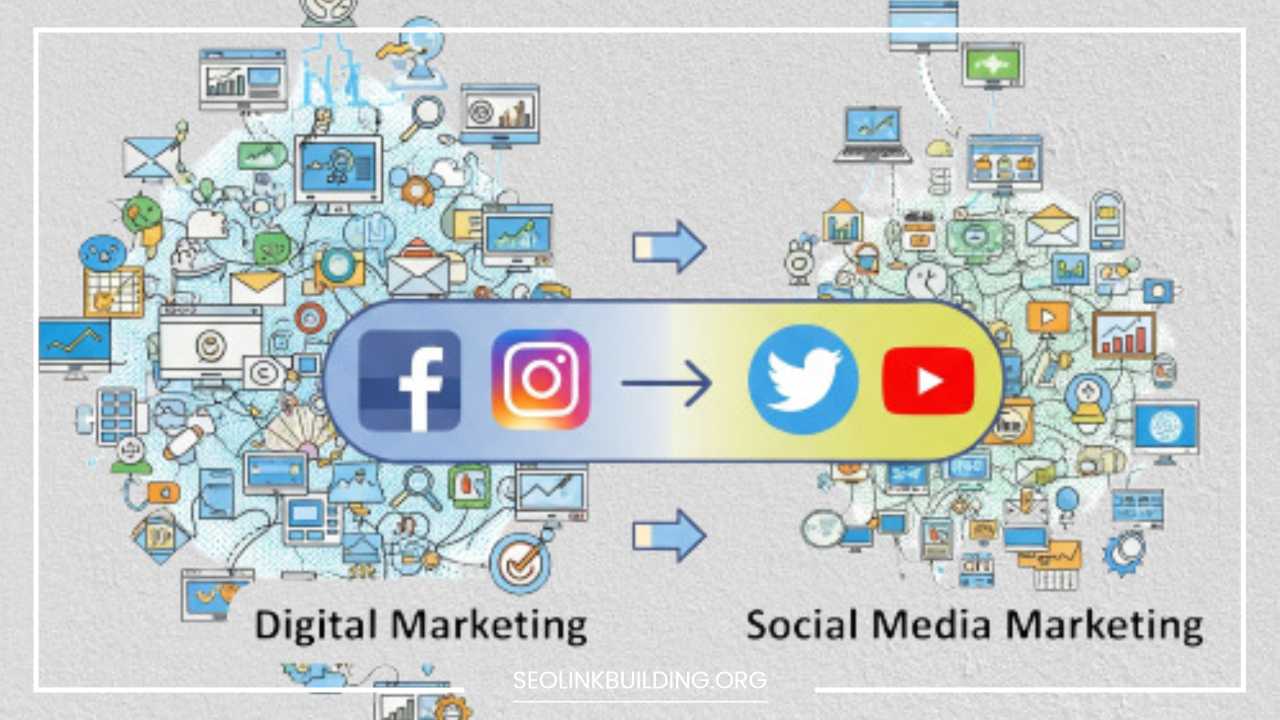
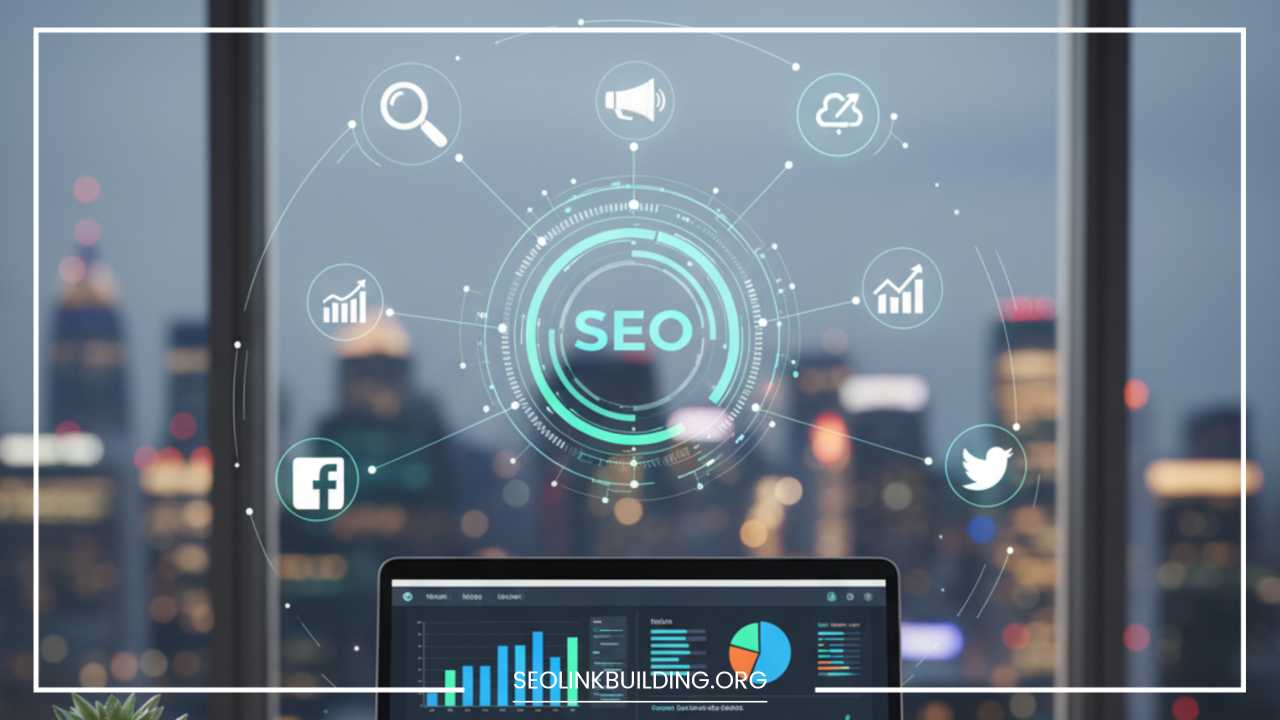
In the modern business landscape, an online presence isn’t just a luxury—it’s a necessity. At the heart of a successful digital presence lie two interconnected disciplines: Search Engine Optimization (SEO) and Digital Marketing. While often used interchangeably by novices, they are distinct yet critically co-dependent fields. Digital Marketing is the broad umbrella encompassing all marketing efforts that use an electronic device or the internet. SEO, on the other hand, is a specific, foundational component of digital marketing focused on improving a website’s visibility in search engine results pages (SERPs).
The digital world is fiercely competitive. A robust strategy isn’t about choosing one or the other; it’s about seamlessly combining the organic, long-term power of SEO with the diverse, targeted reach of broader digital marketing channels. This fusion is the recipe for sustainable online success, driving quality traffic, and ultimately, boosting conversions and revenue. This comprehensive guide will explore the fundamentals of both SEO and digital marketing, breaking down their core components, best practices, and the powerful synergy they create.
What is SEO?
Search Engine Optimization (SEO) is the practice of increasing the quantity and quality of traffic to your website through organic search engine results. It’s about convincing search engines like Google, Bing, and others that your content is the most relevant and authoritative resource for a user’s search query. The ultimate goal of SEO is to achieve high rankings—ideally, the top spot—without paying for ad placement.
SEO is typically broken down into three core types:
- On-page SEO: This involves optimizing elements on your website itself. This includes content quality, keyword usage, title tags, meta descriptions, header tags, image optimization, and mobile-friendliness. It ensures your page speaks clearly to both users and search engine crawlers.
- Off-page SEO: This refers to actions taken outside of your own website to impact your rankings. The most important factor here is backlinks—links from other reputable websites pointing to yours. It acts as a “vote of confidence,” signaling authority and trustworthiness to search engines.
- Technical SEO: This focuses on optimizing the technical infrastructure of your website. It ensures search engine crawlers can efficiently access, crawl, and index your content. Key components include site speed, mobile responsiveness, XML sitemaps, and site security (HTTPS).
In the digital marketing ecosystem, SEO is crucial because it provides sustainable, cost-effective, and high-quality traffic. Users implicitly trust organic results more than paid ads, making strong SEO a cornerstone of long-term brand credibility.
What is Digital Marketing?
Digital Marketing is the umbrella term for all marketing that utilizes electronic devices or the internet. It leverages digital channels—like search engines, social media, email, and websites—to connect with current and prospective customers. Unlike traditional marketing (which includes print ads, billboards, and radio), digital marketing is highly measurable, targetable, and interactive, allowing for real-time adjustments and precise audience segmentation.
The key components and channels of a comprehensive digital marketing strategy include:
- SEO: The practice of gaining organic visibility and traffic from search engines.
- PPC (Pay-Per-Click): Paid advertising models, such as Google Ads, where marketers pay a fee each time their ad is clicked, offering immediate visibility.
- Social Media Marketing (SMM): Utilizing platforms like Facebook, Instagram, LinkedIn, and TikTok to build brand awareness, engage with communities, and drive traffic or sales.
- Email Marketing: Using email to promote products or services, build relationships with customers, and nurture leads.
- Content Marketing: Creating and distributing valuable, relevant, and consistent content (blogs, videos, guides) to attract and retain a clearly defined audience.
The major difference between traditional and digital marketing is in reach and measurement. Traditional marketing has a broader, less measurable reach (e.g., a magazine ad), while digital marketing is globally accessible, highly measurable through analytics, and allows for precise A/B testing to optimize performance continuously.
Keyword Research: Foundation of SEO
Keyword research is arguably the single most important activity in SEO. It is the process of identifying the exact words and phrases that people type into search engines when looking for information, products, or services relevant to your business. Without knowing what your target audience is searching for, all other SEO efforts will miss the mark.
Essential Tools
Effective research relies on specialized tools that provide data on search volume, competition, and keyword suggestions:
- Google Keyword Planner: Free and excellent for identifying high-volume keywords, though it focuses heavily on paid search.
- Ahrefs & SEMrush: Industry-leading, paid tools offering comprehensive data on organic traffic, keyword difficulty, backlink analysis, and competitor research.
- Ubersuggest: A user-friendly tool offering a range of SEO analysis features, often with a generous free tier.
Long-Tail vs. Short-Tail
Keywords fall into two main categories based on length and specificity:
- Short-Tail Keywords (or Head Terms): Broad, high-volume terms (e.g., “digital marketing”). They have high competition but potentially enormous traffic.
- Long-Tail Keywords: Longer, more specific phrases (e.g., “best comprehensive guide to SEO and digital marketing for beginners”). They have lower search volume but much lower competition and significantly higher conversion rates due to their specific user intent. Targeting a mix of both is the ideal strategy.
Keyword Intent
Understanding the user’s search intent behind a keyword is crucial for matching content to the query. Intent is classified into three main categories:
- Informational: The user is seeking knowledge (e.g., “what is SEO”).
- Transactional: The user intends to make a purchase or complete a conversion (e.g., “buy SEO audit service”).
- Navigational: The user is trying to get to a specific website or location (e.g., “Google Search Console login”).
Aligning your content with the correct intent is fundamental for ranking and satisfying the user, which Google heavily prioritizes.
On-Page SEO Best Practices
On-page SEO is the process of optimizing the visible and internal elements of an individual web page to improve its search engine ranking and user experience. It’s all about creating content that is both keyword-rich for crawlers and highly valuable for human readers.
Optimizing Critical Tags
- Title Tags and Meta Descriptions: These are the first things a user sees in the SERPs. The Title Tag ( 50–60 characters) must be compelling and contain the primary keyword, as it is a major ranking factor. The Meta Description ( 150–160 characters) is not a direct ranking factor but acts as an advertisement, driving click-through rates (CTR).
- Header Tags (H1, H2, etc.): The tag should contain the primary keyword and function as the main title of the content. Subsequent to tags should organize the content into logical sections, including secondary and long-tail keywords. This structure improves readability for users and signals topical relevance to search engines.
Content and Link Structure
- Content Quality and Relevance: High-quality content is original, comprehensive, and directly answers the user’s query better than any other source. Google’s algorithms are sophisticated enough to prioritize Experience, Expertise, Authoritativeness, and Trustworthiness (E-E-A-T).
- Internal Linking: Links from one page on your website to another. This practice helps search engines discover new content, spreads link equity (ranking power) throughout your site, and guides users through related topics.
- URL Structure: URLs should be short, descriptive, and contain the primary keyword, using hyphens to separate words (e.g.,
/seo-digital-marketing-guide).
Media and Usability
- Image Optimization: Compress images to reduce load time. Use descriptive Alt Tags (Alternative Text) to help visually impaired users and search engines understand the image content. The Alt Tag should include relevant keywords where appropriate.
- Mobile Optimization: Since Google’s shift to mobile-first indexing, a responsive, fast-loading, and easily navigable mobile experience is non-negotiable. Your website must adapt flawlessly to any screen size.
Off-Page SEO and Link Building
Off-page SEO encompasses all the activities performed outside your website to boost its search engine ranking. The core concept is establishing your site’s Authority and Trustworthiness in the digital ecosystem.
The Importance of Backlinks
The single most influential factor in off-page SEO is backlinks—hyperlinks from one website to another. Google views these as “votes of confidence.” However, not all votes are equal. A link from a highly authoritative, relevant website (e.g., a major news outlet or industry leader) carries significantly more weight than one from a low-quality, spammy blog. The quality, relevance, and authority of the linking domain are paramount to success.
Link Building Philosophy: White-Hat vs. Black-Hat
- White-Hat SEO: Ethical, sustainable link-building practices that adhere to search engine guidelines. Examples include creating excellent content naturally attracting links, and genuine outreach. This is the only recommended long-term strategy.
- Black-Hat SEO: Manipulative and risky tactics like buying links, using link farms, or automated link generation. While they might provide short-term gains, they inevitably lead to severe penalties from search engines.
Effective White-Hat Strategies
- Guest Posting: Writing an original, high-quality article for another reputable website in your industry. In return, you receive a valuable link back to your site, often in the author bio.
- Outreach and Influencer Collaboration: Proactively contacting industry bloggers, journalists, or influencers with a valuable resource (e.g., a unique study or infographic) on your site, requesting they share or link to it.
- Broken Link Building: Finding broken links on a reputable website and suggesting your relevant, functional content as a replacement, creating a win-win opportunity.
- Social Signals: Although social media shares and likes are not direct ranking factors, they increase content visibility, leading to more exposure, which, in turn, increases the probability of gaining natural backlinks.
Technical SEO Essentials
Technical SEO ensures that the underlying architecture of a website meets the search engine’s requirements for crawling, indexing, and ranking. When the technical foundation is shaky, even the best content can fail to rank.
Performance and Security
- Website Speed Optimization: Users and search engines demand fast-loading websites. Tools like Google’s PageSpeed Insights provide actionable recommendations. Key areas include optimizing server response time, minimizing CSS/JavaScript, and leveraging browser caching.
- Core Web Vitals: This is a set of specific, real-world metrics from Google that measure user experience. They include:
- Largest Contentful Paint (LCP): Measures loading speed.
- First Input Delay (FID): Measures interactivity.
- Cumulative Layout Shift (CLS): Measures visual stability.
- Optimizing for these signals is a critical ranking factor.
- HTTPS & Site Security: Using HTTPS (Hypertext Transfer Protocol Secure) is a mandatory ranking signal and provides an encrypted connection. A site without it is often flagged as “Not Secure” by modern browsers.
Crawling and Indexing Control
- XML Sitemaps: A file that lists all critical pages of your website, helping search engines understand your site structure and ensure all important content is indexed. It should be submitted via Google Search Console.
- Robots.txt: A file that tells search engine robots which areas of your site they can and cannot crawl. It’s used to prevent crawling low-value pages (like login or staging pages) to conserve your crawl budget.
- Mobile-Friendliness: Beyond responsiveness, technical mobile-friendliness involves ensuring tap targets are correctly sized and text is readable without zooming, ensuring a positive user experience on smaller screens.
Content Marketing in Digital Strategy
Content Marketing is a strategic marketing approach focused on creating and distributing valuable, relevant, and consistent content to attract and retain a clearly defined audience. It’s the engine that powers both SEO and broader digital marketing efforts.
The Value of Quality Content
Search engines reward content that genuinely helps the user. Therefore, your content must aim to educate, inform, entertain, or solve a problem. High-quality content:
- Attracts Organic Traffic: By targeting relevant keywords, it ensures your site appears in SERPs.
- Establishes Authority: Consistently providing expert insights builds E-E-A-T.
- Drives Conversions: By nurturing prospects through the sales funnel.
Content Formats and Planning
Effective content comes in many forms:
- Blogging/Articles: Excellent for targeting informational and long-tail keywords, demonstrating expertise, and driving early-stage engagement.
- Videos and Infographics: Highly shareable formats that summarize complex information and drive engagement on social media.
- Podcasts and Webinars: Great for building a deeper connection with the audience and establishing thought leadership.
A Content Calendar is essential for maintaining consistency, planning around seasonal trends, and ensuring content maps to various stages of the customer journey.
Evergreen vs. Trending Content
- Evergreen Content: Topics that remain relevant and valuable for a long time (e.g., “How to Start an SEO Audit”). This content is a long-term asset, continually driving traffic.
- Trending Content: Content focused on current news, events, or viral topics (e.g., “Google’s Latest Core Update: What Marketers Need to Know”). This generates immediate, high traffic but has a short shelf life.
Content Distribution Channels
Great content needs to be seen. Key distribution channels include organic search (SEO), social media, email newsletters, and paid promotion (PPC). A multi-channel distribution strategy maximizes reach and ROI.
Social Media and SEO
While the link between Social Media Marketing (SMM) and direct SEO rankings is often misunderstood, the two disciplines are powerful allies. Social signals—likes, shares, comments—are not direct ranking factors in Google’s algorithm. However, their impact on visibility is undeniable and highly beneficial to SEO.
Indirect SEO Benefits
- Increased Content Visibility and Distribution: Social media acts as a distribution engine, putting your content in front of a massive audience instantly. Increased visibility leads to more eyes on the content, which in turn significantly increases the probability of earning natural backlinks from influential sites.
- Brand Building and Authority: Consistent, engaging social media activity builds a recognizable, trustworthy brand. Search engines favor brands, and strong brand signals (like branded searches) can influence rankings over time.
- Local SEO: For local businesses, platforms like Facebook and Google Business Profile are crucial for accumulating reviews and driving local traffic, which directly affects local search rankings.
Platforms and Strategies
Different platforms serve different purposes:
- LinkedIn: Ideal for B2B content, professional authority, and connecting with industry peers.
- Facebook & Instagram: Excellent for brand awareness, community engagement, and visual content promotion.
- Twitter/X: Best for timely news distribution, customer service, and driving fast traffic to trending content.
The key is engagement: posts that spark conversations are prioritized by platform algorithms and generate more exposure, driving more traffic back to your website, ultimately reinforcing SEO efforts.
PPC and SEO: A Powerful Combination
Search Engine Optimization (SEO) and Pay-Per-Click (PPC), primarily through platforms like Google Ads, are not competitors; they are synergistic forces in the digital marketing landscape.
Complementary Strategies
- Brand Visibility and SERP Dominance: Utilizing both SEO (organic results) and PPC (paid results) allows a brand to occupy two spots on the first page of the SERP simultaneously. This SERP real estate dominance significantly increases brand visibility, authority, and the probability of a click.
- Keyword Testing: PPC campaigns offer immediate, precise data on which keywords, ad copy, and landing pages drive the highest conversions. SEO teams can use this validated data to prioritize and focus their content creation and optimization efforts, saving time and resources.
- Remarketing and Funnel Coverage: PPC allows for remarketing—serving ads to users who have previously visited your site (often via organic search) but didn’t convert. This capability allows you to target users at every stage of the funnel, capturing lost conversions that SEO alone might miss.
- Immediate Traffic: While SEO takes months to yield results, PPC provides immediate traffic and conversion data, allowing a business to generate leads while their SEO strategy matures. This is particularly valuable for new product launches or limited-time promotions.
In essence, PPC informs and accelerates SEO, while SEO provides a sustainable, cost-free traffic base that complements targeted paid campaigns.
Analytics and Measuring Success
Effective digital marketing is fundamentally data-driven. Without robust analytics, marketers are simply guessing. Measuring the right metrics is essential to understanding performance, proving ROI, and making informed decisions.
Essential Analytics Tools
- Google Analytics (GA4): The cornerstone of web analytics. It provides comprehensive data on user behavior: where traffic comes from, what users do on the site, conversion paths, and demographic information.
- Google Search Console (GSC): Critical for SEO. It shows how Google views your site, providing data on keyword impressions, organic click-through rate, index coverage, crawl errors, and Core Web Vitals performance.
- SEMrush and Ahrefs: These tools are vital for competitive analysis, tracking keyword rankings, monitoring backlink profiles, and conducting SEO audits.
Key Performance Indicators (KPIs) to Track
To gauge the health and effectiveness of your combined SEO and digital marketing efforts, focus on these metrics:
- Traffic Sources: Analyzing the channels driving the most traffic (e.g., Organic Search, Paid Search, Social, Direct). This confirms the effectiveness of your distribution strategy.
- Bounce Rate: The percentage of visitors who leave the website after viewing only one page. A high rate indicates poor content quality, technical issues, or a mismatch between the search query and the content.
- Keyword Rankings: Tracking the position of your target keywords in SERPs, typically done via third-party SEO tools.
- Conversion Rate: The percentage of visitors who complete a desired action (e.g., purchase, form submission, download). This is the ultimate metric for measuring the business impact of your marketing efforts.
- Organic Share of Voice (SoV): Measures the percentage of search impressions your brand captures compared to your competitors for a set of target keywords.
Continuously monitoring these KPIs allows for iterative optimization, ensuring resources are allocated to the most effective channels and content.
Final Thoughts
The digital landscape is constantly evolving, but the core principles outlined in this guide remain true: Digital marketing and SEO are inseparable pillars of sustained online success. Digital marketing provides the strategic framework and diverse channels, while SEO is the necessary, long-term process of building an authoritative online presence within the most important channel—organic search.
Successfully navigating this environment requires a holistic, integrated strategy. Avoid treating SEO as an afterthought or a quick fix. It is a long-term investment in your brand’s future, one that requires consistent effort, technical diligence, and an unwavering commitment to high-quality, user-centric content. The synergy between a strong SEO foundation and targeted digital marketing efforts across PPC, social media, and email ensures maximum visibility, trust, and ultimately, a superior return on investment.
Your Next Steps: Start by conducting a thorough technical SEO audit of your existing website. Then, move to in-depth keyword research to map your audience’s intent to your content. Finally, commit to a detailed, consistent content calendar and distribution strategy. The work is continuous, but the rewards—sustainable traffic, leads, and revenue—are transformative.