What is Experiential Branding?

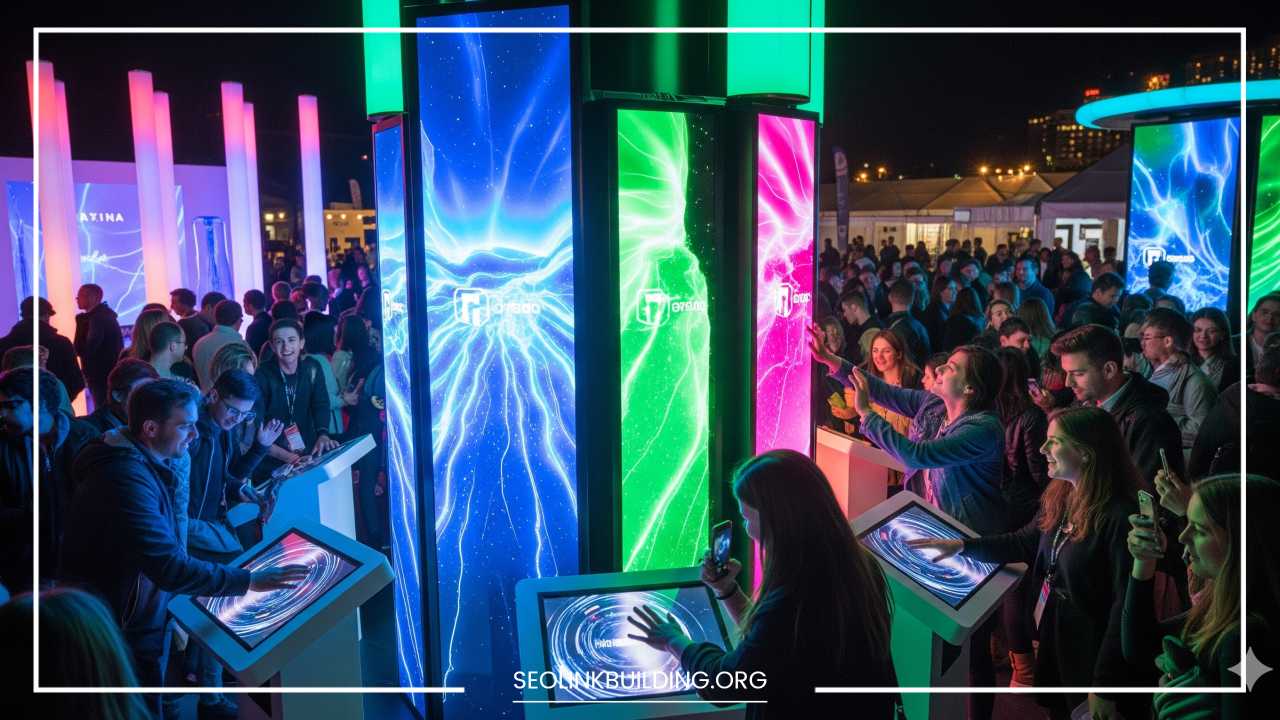
What is Experiential Branding? Definition, Importance & How Agencies Deliver It”
In today’s crowded marketplace, brands are constantly battling for consumer attention. Traditional advertising methods, like print ads and television commercials, are becoming less effective as consumers grow more adept at tuning them out. We’ve become accustomed to a constant barrage of promotional messages, leading to a state of “ad fatigue” where static logos and catchy taglines no longer make a lasting impression. This shift has forced brands to rethink their strategies, moving beyond simple product promotion to creating deeper, more meaningful connections with their audience. The answer to this challenge lies in a powerful and evolving concept: experiential branding.
Experiential branding is the art of creating memorable, multi-sensory experiences that allow consumers to directly interact with a brand. It’s about moving from telling customers what your brand stands for to showing them through immersive, engaging activities. It’s not just about what a brand says, but what it does and how it makes people feel. This approach recognizes that in an era of information overload, the most powerful way to build brand loyalty and trust is by engaging customers on a personal, emotional level. This article will delve into the core of experiential branding, exploring its significance, key elements, how specialized agencies deliver it, and the trends shaping its future.
What is Experiential Branding?
Experiential branding is a holistic approach that focuses on creating direct, immersive, and interactive experiences for consumers. Unlike traditional branding, which often relies on passive communication through static media, experiential branding actively involves the customer in a brand’s world. This isn’t just about showing an ad; it’s about inviting a customer to be a part of a brand’s story. Think of a physical pop-up shop that allows you to touch and feel a new product, a virtual reality experience that transports you to a brand’s fantasy world, or a community event that brings people together under a brand’s banner.
The fundamental difference between experiential and traditional branding is the shift from a one-way message to a two-way dialogue. Traditional branding is a monologue, with the brand broadcasting its message to a broad audience. It’s a static, top-down approach where the consumer is a passive recipient. Experiential branding, conversely, is a conversation. It’s a dynamic, interactive process that allows customers to co-create their own meaning with the brand. This method moves beyond the surface-level attributes of a brand—its logo, color palette, or slogan—and delves into the core of its values, personality, and purpose. It’s the difference between seeing an ad for a new car and getting to test drive it on a simulated race track. The latter experience is more memorable, personal, and emotionally resonant.
The Importance of Experiential Branding
The power of experiential branding lies in its ability to forge lasting emotional bonds with customers. Emotions are a powerful driver of human behavior, and by creating positive, memorable experiences, brands can cultivate a deep sense of loyalty and affection. When a brand experience evokes joy, excitement, or inspiration, those feelings become intrinsically linked to the brand itself. For instance, Apple has mastered this through its retail stores, which are less like shops and more like innovation hubs where customers can play with products and feel a sense of creativity and community. Similarly, Nike‘s experiential campaigns, like the “Nike Training Club” app and community runs, build a sense of shared purpose and achievement, solidifying a bond far stronger than any television ad could.
Experiences are far more memorable and engaging than traditional advertisements. Our brains are wired to remember events and sensations more vividly than facts and figures. A compelling brand experience creates a strong memory structure in a customer’s mind. When they later encounter the brand, these positive memories are triggered, making them more likely to choose that brand over a competitor. This leads directly to increased customer loyalty and repeat business. When a customer feels a personal connection and has a positive memory associated with a brand, they are less likely to be swayed by a competitor’s offer.
In a world where many products and services are virtually indistinguishable, experiential branding is a critical tool for differentiation. It allows a brand to create a unique identity that cannot be easily replicated. Think of Red Bull, which has built its brand not on the taste of its energy drink, but on its association with extreme sports and adrenaline-fueled events like the Red Bull Air Race and the Red Bull Stratos jump. The brand became synonymous with adventure and pushing limits, standing out in a crowded beverage market. Coca-Cola also leveraged this with its “Share a Coke” campaign, which turned a simple bottle into a personalized, social experience, fostering a sense of connection and fun. This kind of differentiation can lead to significant increases in customer lifetime value (CLV), as engaged and loyal customers spend more over the long term.
Key Elements of Experiential Branding
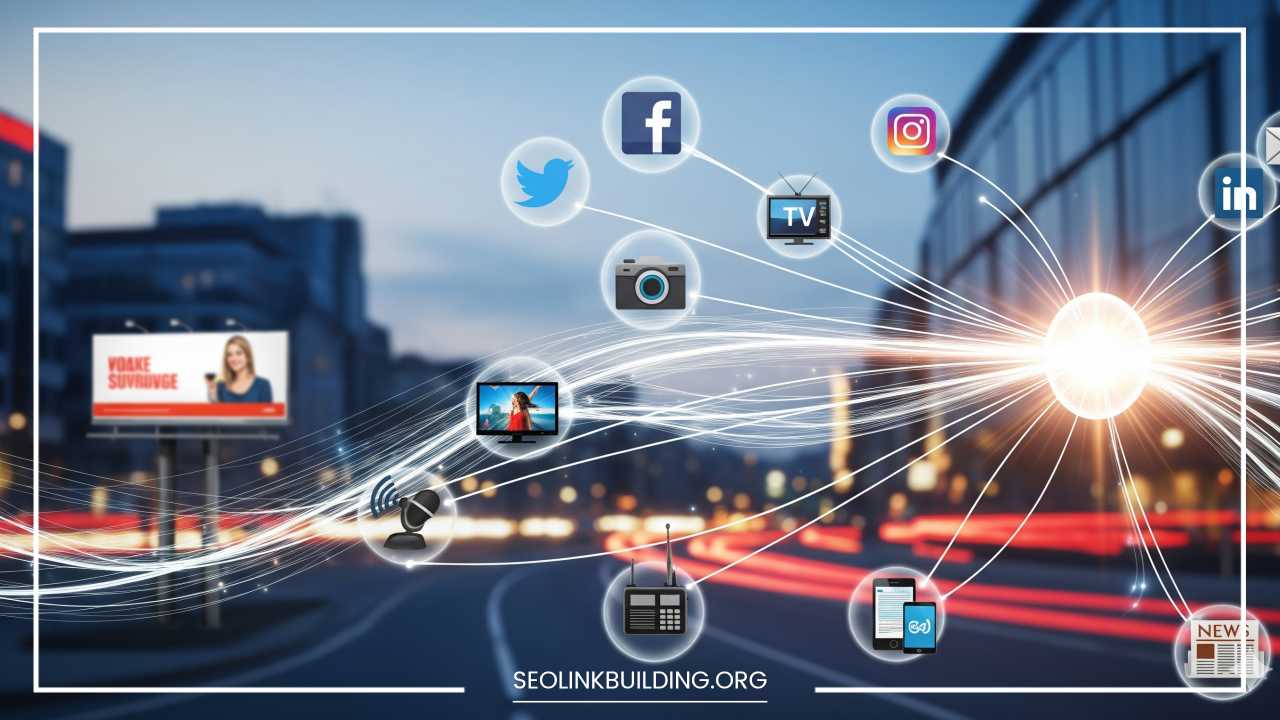
At the heart of any successful experiential branding strategy are the brand touchpoints—the various points of contact a customer has with a brand throughout their journey. These can be physical (a store, a product package), digital (a website, a social media post), or emotional (customer service interactions, the feeling a brand evokes). Experiential branding leverages all of these touchpoints to create a seamless, integrated experience that tells a consistent brand story.
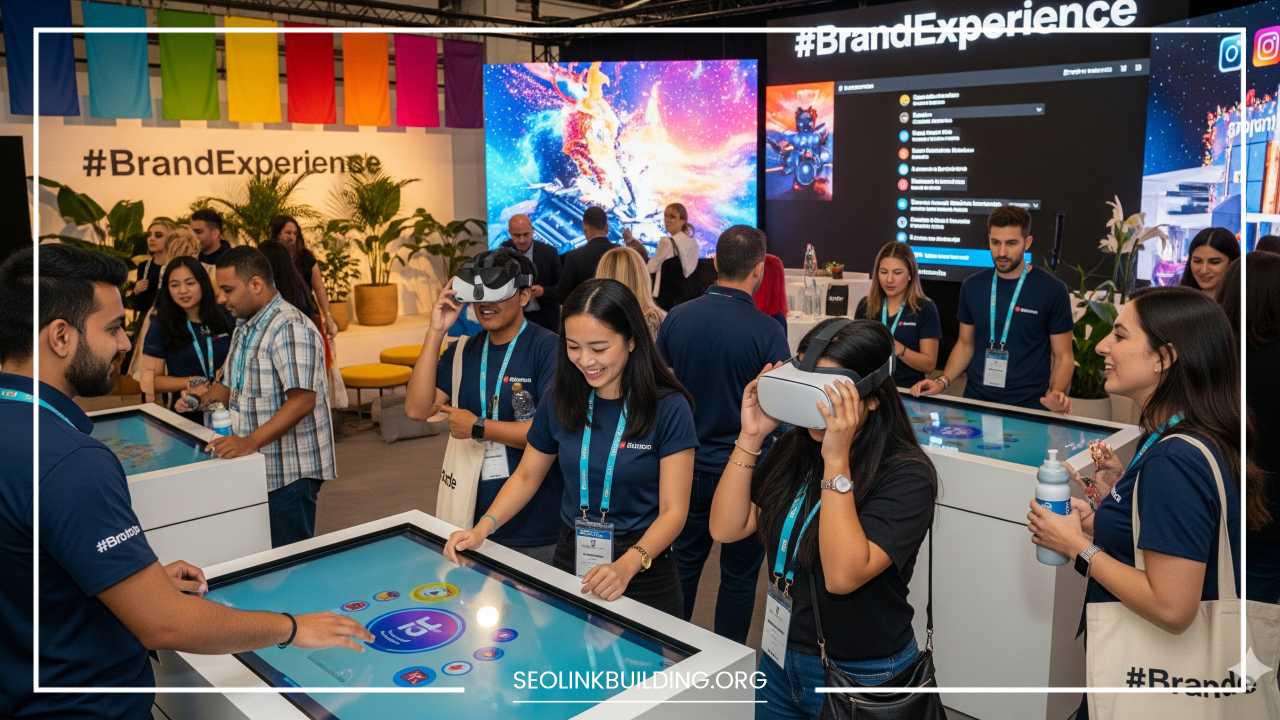
The most effective experiences are immersive and interactive. They move beyond passive observation and invite the customer to participate. Pop-up shops that offer workshops or games, virtual reality experiences that allow customers to explore a brand’s world, or interactive digital activations on social media all fall into this category. These elements transform the customer from a spectator into an active participant.
Storytelling is the backbone of experiential branding. A powerful brand experience isn’t just a random event; it’s a chapter in a larger narrative. Brands that excel at experiential branding use these opportunities to tell a compelling story that resonates with their audience. Nike’s “Just Do It” campaign, for example, is not just a slogan; it’s a story of perseverance, hard work, and athletic achievement that is brought to life through its community events, apps, and inspiring content.
Finally, personalization is key. In an era of data and technology, brands can and should use customer information to tailor experiences to individual needs and preferences. Spotify uses user data to create personalized playlists and “Wrapped” summaries, turning a simple music app into a deeply personal, year-end experience. Amazon uses customer data to provide tailored recommendations, making the shopping experience feel more intuitive and relevant. This level of personalization makes the customer feel seen and understood, further strengthening their bond with the brand.
How Agencies Deliver Experiential Branding
Delivering a powerful experiential branding campaign is a complex undertaking that requires a unique blend of creativity, technology, and strategic expertise. This is where experiential marketing agencies come in. Unlike traditional advertising agencies that focus on creating media assets, experiential agencies specialize in designing and executing live, interactive events and activations. They are the architects of a brand’s physical and digital presence, using innovation and technology to bring a brand’s story to life.
The process typically begins with strategy development. Agencies work closely with brands to understand their goals, target audience, and brand identity. They then design a strategy that aligns with these objectives, whether it’s an event-based experience like a festival sponsorship, a digital activation like a viral social media challenge, or a hybrid of both. This requires a deep understanding of consumer behavior and a creative vision to translate a brand’s values into a tangible experience.
Collaboration with brands is crucial. The most successful campaigns are the result of a true partnership between the brand and the agency. For example, Adidas has collaborated with creative agencies to create immersive retail experiences and community events that promote its sports and lifestyle vision, rather than just selling products. These partnerships ensure the experiential vision is authentically aligned with the brand’s core identity.
Measuring success is a vital part of the process. While the ROI of an experience can be harder to quantify than a simple ad click, agencies use a range of key performance indicators (KPIs). These include metrics for engagement (social media mentions, likes, shares, user-generated content), customer feedback (surveys, testimonials), and shifts in brand perception (brand lift studies). For a physical event, they may track foot traffic and attendee behavior, while for a digital campaign, they might analyze user interaction rates and dwell time.
A great example of a successful experiential campaign is Samsung’s Galaxy Studio pop-up stores. Rather than simply displaying products, Samsung created immersive spaces where customers could try out new devices, participate in VR experiences, and attend workshops. The goal wasn’t just to sell phones, but to showcase the brand’s commitment to innovation and create a sense of community. Similarly, Coca-Cola’s “Share a Coke” campaign, which personalized bottles with people’s names, turned a product purchase into a social, shareable moment, leading to a massive surge in engagement and positive brand sentiment.
Trends Shaping the Future of Experiential Branding
The landscape of experiential branding is constantly evolving, driven by new technologies and changing consumer expectations. One of the most significant trends is the integration of Virtual and Augmented Reality (VR/AR). These technologies are no longer just for gaming; they are powerful tools for creating immersive brand experiences. IKEA‘s AR app allows customers to virtually place furniture in their homes, turning the shopping experience into an interactive design session. Nike has experimented with AR to create unique experiences for sneaker drops, allowing customers to “unlock” exclusive products through virtual activations.
Another major trend is the growing focus on sustainability and ethical branding. Consumers, especially younger generations, are more likely to support brands that align with their values. Experiential branding offers a unique opportunity to demonstrate a brand’s commitment to social and environmental responsibility. Patagonia, for example, has built its brand around environmental sustainability, and its events often focus on conservation and activism, reinforcing its core purpose and attracting a like-minded community.
Influencers and social media are also reshaping the space. Influencers are no longer just endorsing products; they are becoming central to experiential campaigns. Brands invite them to events and partner with them to create unique, shareable content. This not only amplifies the reach of the campaign but also adds a layer of authenticity and trust. The rise of “Instagram-worthy” experiences, from art installations to unique pop-ups, is a direct result of this trend, as brands design experiences specifically to be shared and go viral.
Finally, the increasing role of data-driven personalization and AI is poised to transform experiential branding. Brands can now use AI and big data to analyze customer behavior and create highly customized experiences. Chatbots can provide personalized recommendations, and tailored digital activations can respond to a user’s specific interests in real time. This allows for a level of personalization that was previously impossible, making every customer interaction feel unique and relevant.
Challenges in Experiential Branding
Despite its immense potential, experiential branding is not without its challenges. One of the biggest hurdles is the high cost and budget constraints. Creating immersive, large-scale events or technological activations can be expensive, and small businesses may struggle to compete with the budgets of larger corporations. The key for smaller players is to focus on creative, high-impact experiences that don’t require a massive budget, such as small community events or hyper-localized digital campaigns.
Another challenge is measuring impact and ROI. Unlike a click-through rate on a digital ad, the return on an experience can be difficult to track. Agencies address this by implementing a combination of qualitative and quantitative metrics, from tracking foot traffic and social media mentions to conducting surveys and analyzing shifts in brand sentiment. Technology, like facial recognition and RFID tags, is also helping to provide more accurate data on engagement and behavior.
Finally, there is a risk of negative experiences. A poorly executed event, a technical glitch, or a negative customer service interaction can be disastrous for a brand, as the negative experience can be amplified instantly through social media. Agencies mitigate this risk through meticulous planning, quality control, and having clear feedback loops to address issues in real time. This requires a level of attention to detail and a commitment to quality that is paramount to success.
The Future of Experiential Branding
Looking ahead, the future of experiential branding is a vibrant and dynamic space. We will likely see a greater emphasis on multi-sensory experiences that engage not just sight and sound, but also touch, taste, and smell. Brands will seek to create holistic environments that stimulate all the senses, making the experience more memorable and immersive.
The evolution of hybrid experiences is also inevitable. The line between physical and digital is blurring, and brands will increasingly blend online and offline elements to create a seamless customer journey. A customer might discover a brand through a virtual reality experience at home and then be invited to a physical event, with their journey tracked and personalized every step of the way.
Finally, as consumer attention spans continue to shrink, experiential branding will need to become more interactive and immediate. Brands will need to create quick, impactful experiences that can deliver instant gratification and be easily shared. Pop-ups, micro-events, and short, shareable digital activations will become more prevalent as brands adapt to this new reality.
Final Thoughts
Experiential branding is much more than a marketing tactic; it is a fundamental shift in how brands build relationships with their customers. In a world saturated with information, it’s the experience that cuts through the noise and creates a lasting connection. For brands, this means moving beyond a product-centric approach and focusing on crafting meaningful, emotional journeys. For agencies, it means being architects of these experiences, using creativity, technology, and strategic insight to bring a brand’s story to life. The brands that will thrive in the future are not those with the loudest ads, but those with the most compelling stories and the most unforgettable experiences. The era of the consumer as a passive recipient is over; the future belongs to brands that invite their audience to participate, to feel, and to truly connect.