What Is Local SEO?

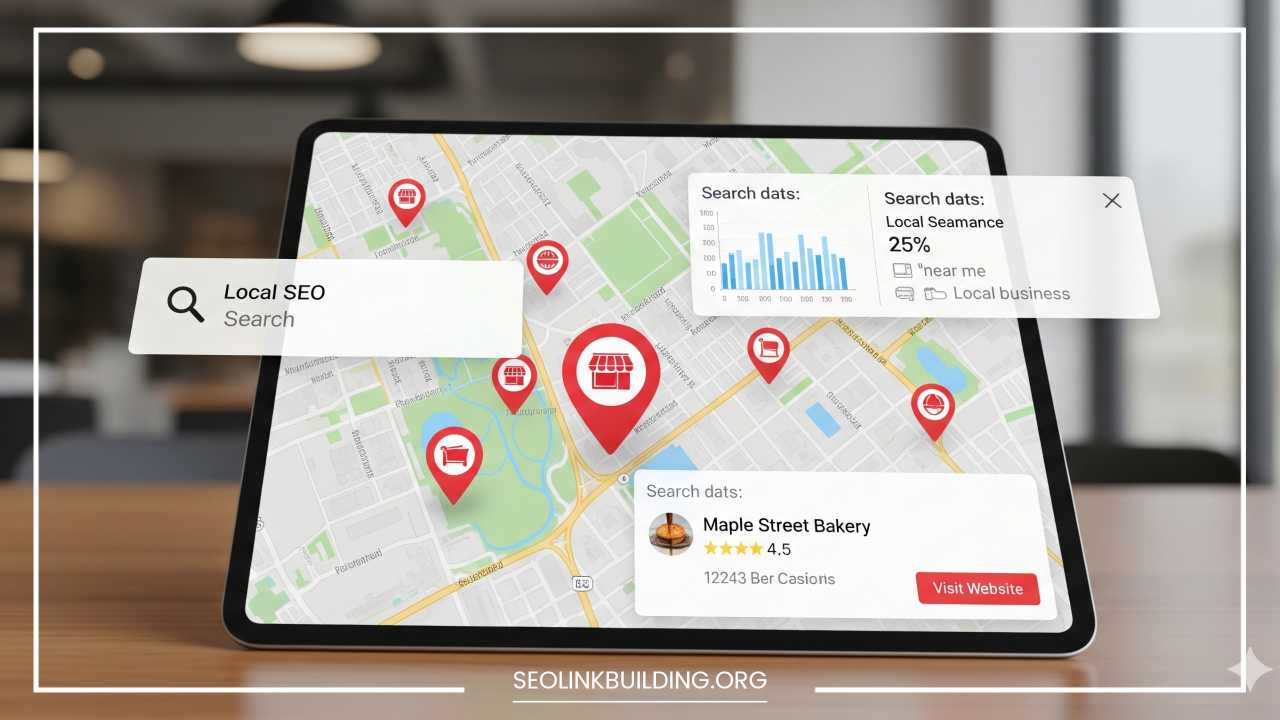
What Is Local SEO? | Guide to Local Search Engine Optimization
In the modern digital landscape, the phrase “near me” has become a powerful search query, connecting consumers with local businesses at the precise moment of their need. For a bustling café, a reliable plumber, or a boutique clothing store, visibility in these moments isn’t just a luxury—it’s a necessity for survival and growth. This is the domain of Local SEO. While most business owners have heard of Search Engine Optimization (SEO), the specific, hyper-targeted discipline of Local SEO is often misunderstood or entirely overlooked.
This article will demystify what Local SEO is, why it’s a critical component of any local business’s marketing strategy, and how to build a robust plan to dominate your local market.
What Is Local SEO?
At its core, Search Engine Optimization is the practice of increasing the quantity and quality of traffic to your website through organic search engine results. Local SEO is a specialized branch of this practice, focusing specifically on optimizing a business’s online presence to attract more local customers. This includes optimizing for geographic-specific keywords (e.g., “plumber in Austin”), but its reach extends far beyond traditional keyword strategies. Local SEO is about ensuring your business appears prominently in a search engine’s localized search results, most notably Google’s Local Pack.
The Local Pack, or Map Pack, is the block of three business listings with a map that appears prominently at the top of a search results page for a local query. This prime real estate is separate from the standard organic search results and is the primary goal of any local SEO strategy. While traditional SEO might aim to rank your blog post for a broad topic like “how to fix a leaky faucet,” Local SEO works to rank your business for a high-intent query like “leaky faucet repair near me.” The key differentiator is local intent—the user’s explicit desire to find a nearby business or service.
Why Is Local SEO Important?
The statistics paint a clear picture of the consumer shift towards local, mobile-driven search. A study by Google found that a staggering 76% of people who conduct a local search on their smartphone visit a physical business within 24 hours, and 28% of those searches result in a purchase. Furthermore, the proliferation of mobile devices and the rise of voice search—where users might ask, “Siri, where’s the nearest Italian restaurant?”—have made local visibility non-negotiable.
Local SEO’s importance can be distilled into three key benefits:
- It drives high-quality, high-intent traffic: A person searching for “dentist near me” is not just browsing; they are likely in pain and actively looking to book an appointment. These users are at the bottom of the sales funnel and have a much higher conversion rate.
- It levels the playing field: Local SEO allows small, independent businesses to compete directly with large, national chains in their specific geographic area. By focusing on hyper-local optimization, a local bakery can outrank a Starbucks for a search like “best coffee shop in Seattle’s Capitol Hill neighborhood.”
- It builds trust and credibility: A well-optimized Google Business Profile with a wealth of positive reviews signals to potential customers that your business is reputable and reliable. This online prominence translates directly into increased foot traffic and phone calls.
How Local SEO Works
Google’s local search algorithm operates on three primary factors to determine which businesses to show for a local search query: Relevance, Distance, and Prominence.
- Relevance: How well a business’s profile matches what the searcher is looking for. A pizza shop should have a profile with a clear “pizza restaurant” category.
- Distance: How far each potential business is from the searcher’s location. This is the most straightforward factor, though it can be overridden by prominence.
- Prominence: How well-known and reputable a business is. This is a complex factor influenced by a variety of signals, including the number of reviews, the authority of backlinks, and a strong online brand presence.
While a business might be geographically close to a user, if another business is significantly more prominent, Google may rank the more prominent business higher. This is the essence of Local SEO: increasing your prominence and relevance to overcome the simple distance factor and earn a spot in the coveted Local Pack.
Key Elements of a Successful Local SEO Strategy
A successful Local SEO strategy is a multi-faceted approach that requires consistent effort across a number of key areas.
1. Google Business Profile Optimization
Your Google Business Profile (GBP), formerly Google My Business, is the single most important component of your local SEO strategy. It is your business’s digital storefront on Google Search and Maps.
- Claim and Verify Your Profile: The first step is to claim and verify your GBP. This is typically done via a postcard with a verification code sent to your business’s physical address.
- NAP Consistency: Ensure your business’s Name, Address, and Phone number (NAP) are exactly the same across your GBP, website, and all other online directories. Inconsistencies confuse search engines and can harm your rankings.
- Complete All Fields: Fill out every section of your profile. Choose the most accurate business categories, write a detailed business description, and list your business hours, including special holiday hours.
- Upload High-Quality Photos: Photos of your storefront, products, team members, and services make your profile more engaging and trustworthy. Google also encourages customers to upload their own photos, which further increases prominence.
- Post Updates: Use the “Posts” feature to share updates, special offers, events, and new products. This shows Google your business is active and engaged.
2. Local Keyword Research
Local keyword research is a nuanced process that goes beyond finding generic terms.
- Geo-Specific Keywords: Think about how customers search. This includes city and neighborhood names, like “best taco truck in Austin’s South Congress.”
- “Near Me” Keywords: Optimize your content and GBP for “near me” searches. While you can’t physically add “near me” to your content, a well-optimized GBP and a geo-tagged website will help you rank for these queries.
- Long-Tail Keywords: These are specific, multi-word phrases that indicate high intent, such as “emergency dentist open late on Saturdays.”
Tools like Google Keyword Planner, SEMrush, and Ubersuggest can help you identify these valuable, location-based queries.
3. On-Page SEO for Local Pages
Your website is a critical part of the local SEO puzzle. It serves as a verification point for Google and a destination for customers.
- NAP on Every Page: Place your NAP in the footer of your website so it appears on every page.
- Location-Specific Pages: If you serve multiple locations, create a separate landing page for each. For example, a plumbing company might have pages for “Plumber in Austin,” “Plumber in Round Rock,” and “Plumber in Cedar Park.”
- Schema Markup: Implement local business schema markup on your website. This is a form of structured data that tells search engines exactly what your business is, what it does, and where it’s located, making it easier for them to understand your information.
- Embed a Google Map: Embed a Google Map of your location on your contact page. This provides a visual signal to search engines and a convenient tool for users.
- URL, Title Tags, and Headings: Incorporate your location and keywords naturally into your URLs, title tags, H1 headings, and the body content of your website pages.
4. Local Citations & Directory Listings
A citation is any online mention of your business’s NAP. Consistent citations across the web build trust with search engines and serve as a crucial ranking signal.
- Major Data Aggregators: Ensure your information is correct on the major data aggregators like Foursquare, Infogroup, Neustar Localeze, and Acxiom.
- Niche Directories: Get listed on industry-specific directories (e.g., Avvo for lawyers, Zocdoc for doctors) and local directories (e.g., your local Chamber of Commerce, local business associations).
- Social Profiles: Maintain consistent NAP on social media platforms like Facebook, Twitter, and LinkedIn.
5. Online Reviews and Ratings
Reviews are the social proof that drives consumer confidence and are a key factor in Google’s prominence algorithm.
- Encourage Reviews: Actively ask your customers for reviews on your Google Business Profile. Make it easy for them by providing a direct link.
- Respond to Reviews: Respond to all reviews, both positive and negative. This shows potential customers that you are engaged and care about feedback. A graceful response to a negative review can often turn a poor experience into a positive impression.
6. Local Link Building
Link building for local SEO is about acquiring backlinks from other local, relevant websites.
- Local Partnerships: Get links from local businesses, suppliers, and partners.
- Sponsorships and Events: Sponsor a local sports team, a community event, or a charity. This often comes with a link from their website.
- Local Press: Get featured in local news outlets or blogs.
- Unlinked Mentions: Search for brand mentions of your business online and reach out to the website owner to request a link.
7. Mobile Optimization & User Experience (UX)
The majority of local searches happen on mobile devices. A non-mobile-friendly website will lose potential customers instantly.
- Responsive Design: Your website should automatically adjust to any screen size, from a desktop to a smartphone.
- Fast Loading Speed: Optimize images and leverage browser caching to ensure your site loads quickly on mobile connections.
- Click-to-Call Buttons: For mobile users, ensure your phone number is a clickable button.
Common Local SEO Mistakes to Avoid
Even with a solid strategy, a few missteps can derail your efforts.
- Inconsistent NAP: This is the most common and damaging mistake. Even a slight variation in your address (e.g., “St.” vs. “Street”) can confuse search engines.
- Ignoring Reviews: Not responding to reviews or, worse, having no reviews at all, can be a major red flag for both consumers and Google.
- Keyword Stuffing: Cramming your location name into every sentence on your website or in your GBP description will not help your rankings and can even lead to a penalty.
- Neglecting Your GBP: Treat your Google Business Profile as a living entity. Update your hours, post new content, and manage your reviews regularly.
Tools to Help with Local SEO
While some local SEO can be done manually, a range of tools can streamline the process.
- Google Business Profile: Your central hub for local SEO.
- BrightLocal / Moz Local: These platforms help you manage citations, track rankings, and monitor reviews across the web.
- Whitespark: Specializes in citation building and local link audits.
- SEMrush / Ahrefs: These comprehensive SEO platforms have robust features for local keyword research and competitor analysis.
- Local Falcon: A powerful tool for visualizing your ranking on the Google Maps grid, showing you exactly where you are ranking for specific keywords in your area.
The Future of Local SEO
The landscape of local search is constantly evolving. As artificial intelligence and machine learning become more sophisticated, Google’s algorithm will get better at understanding a user’s true intent. Voice search will continue to grow, making it even more important to have a complete and detailed online profile. The rise of new features in the Google SERP, from service lists to attribute badges, means that businesses must stay nimble and continuously update their online presence.
Final Thoughts
In an increasingly competitive digital world, Local SEO is no longer an optional add-on—it is a foundational pillar of success for any business that relies on physical customers. By focusing on the core principles of relevance, distance, and prominence through a strong Google Business Profile, consistent citations, and a focus on customer reviews, you can transform your online visibility. Start today by claiming your Google Business Profile and taking the first step towards dominating your local market and turning online searches into real-world customers.