Content Creation Ideas for Beginners

Content Creation Ideas for Beginners | Easy & Effective Starter Tips
In the digital age, content is currency. It’s the language of communication, the lifeblood of businesses, and the foundation of personal branding. Whether you dream of building a successful side hustle, growing your business, or simply sharing your unique perspective with the world, becoming a content creator is an incredibly powerful and accessible path. The term “content creator” might sound intimidating, conjuring images of professional YouTubers or famous bloggers, but the truth is, everyone with a story to tell can be one. This article is your comprehensive guide to getting started. We’ll demystify content creation and provide you with a wealth of beginner-friendly ideas across various platforms, helping you transform your passion into engaging, shareable content.
Understanding the Basics of Content Creation
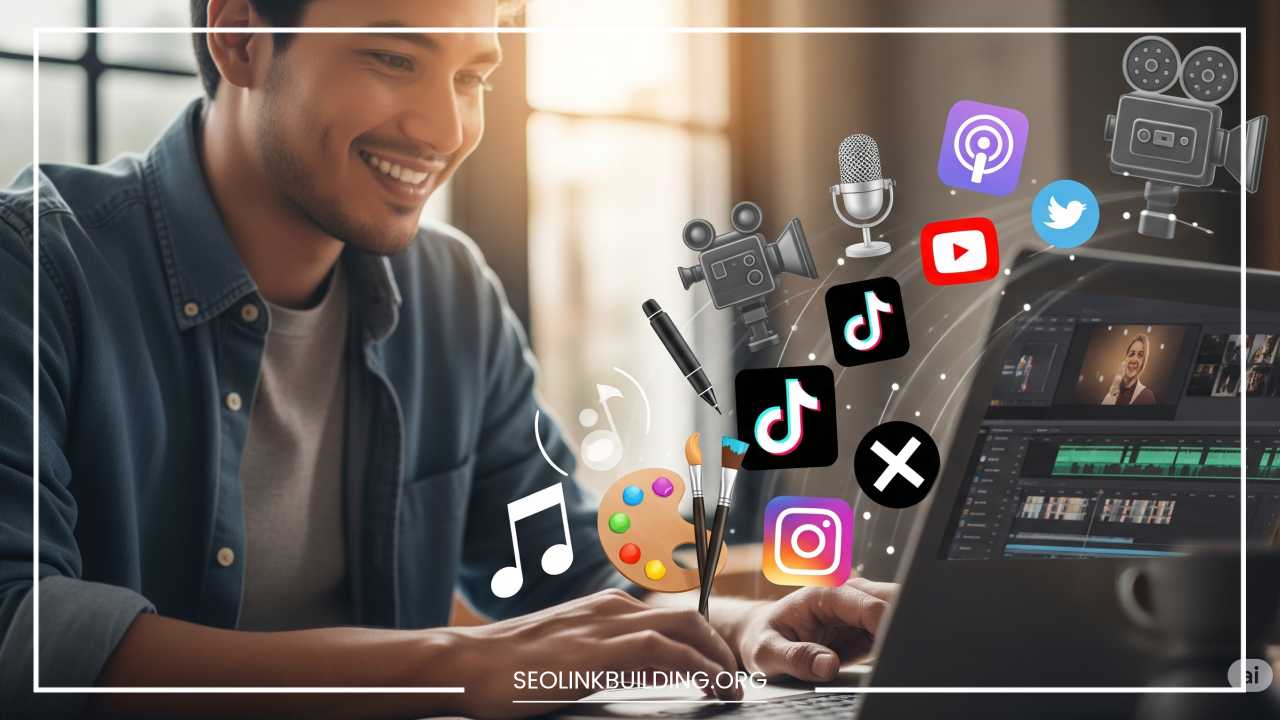
Before diving into ideas, it’s essential to understand what content creation truly is. At its core, it’s the process of generating ideas and producing a tangible form of media for a specific audience. This media can take many forms:
- Text: Blog posts, articles, social media captions, newsletters.
- Images: Infographics, photographs, illustrations, memes.
- Video: YouTube videos, TikToks, Instagram Reels, short-form tutorials.
- Audio: Podcasts, voiceovers, music.
Each of these formats serves a different purpose and appeals to different audiences. The key to successful content is not just creating something, but creating something that resonates. This brings us to two fundamental concepts: audience and niche.
Your audience is the group of people you are creating content for. Who are they? What are their interests, problems, and questions? By understanding your audience, you can tailor your content to be more relevant and valuable to them.
Your niche is your specialized area of focus. It’s what makes you unique. Instead of creating general content about “health,” you might focus on “plant-based recipes for busy students” or “home workouts for new parents.” A well-defined niche helps you stand out in a crowded market and attract a loyal, engaged audience.
How to Choose Your Platform
Choosing the right platform is like choosing the right tool for a job—it makes the process smoother and more effective. Don’t feel pressured to be everywhere at once. The best approach for a beginner is to pick one or two platforms and master them before expanding.
Here’s an overview of some major platforms and what they’re best for:
- YouTube: The king of long-form video. It’s ideal for in-depth tutorials, vlogs, reviews, and educational content. If you’re comfortable on camera and enjoy teaching or storytelling through video, YouTube is a great choice.
- Instagram / TikTok: The titans of short-form, visual content. Instagram is strong for beautiful visuals, photo galleries, and short Reels. TikTok is all about fast-paced, entertaining, and highly creative videos. If you are good with visual storytelling, creating quick-hit content, and staying on top of trends, these platforms are perfect.
- Blogs (WordPress, Medium): Perfect for those who love to write. Blogs are excellent for long-form articles, how-to guides, and personal essays. You have full ownership and control over your content, and it’s a great way to build authority and an email list.
- Podcasts: The go-to for audio content. Podcasts are great for conversational topics, interviews, and deep dives into specific subjects. If you have a knack for speaking and want to connect with listeners on a more personal, intimate level, this is your platform.
- LinkedIn: The professional networking hub. It’s the ideal place to share career advice, industry insights, and lessons from your professional life. If you’re building a personal brand in your field, LinkedIn is a powerful platform.
The best way to choose is to consider your strengths and interests. Are you a natural storyteller on camera? Try YouTube. Do you love to write? Start a blog. The platform you’re most excited to create for is likely the one you’ll stick with.
Beginner Content Creation Ideas by Format
This is the heart of the article—a list of actionable, beginner-friendly ideas to get you started on your chosen platform.
A. Blogging Ideas
Blogging is a fantastic way to establish yourself as an authority in your niche. You don’t need to be a professional writer; you just need to be clear and helpful.
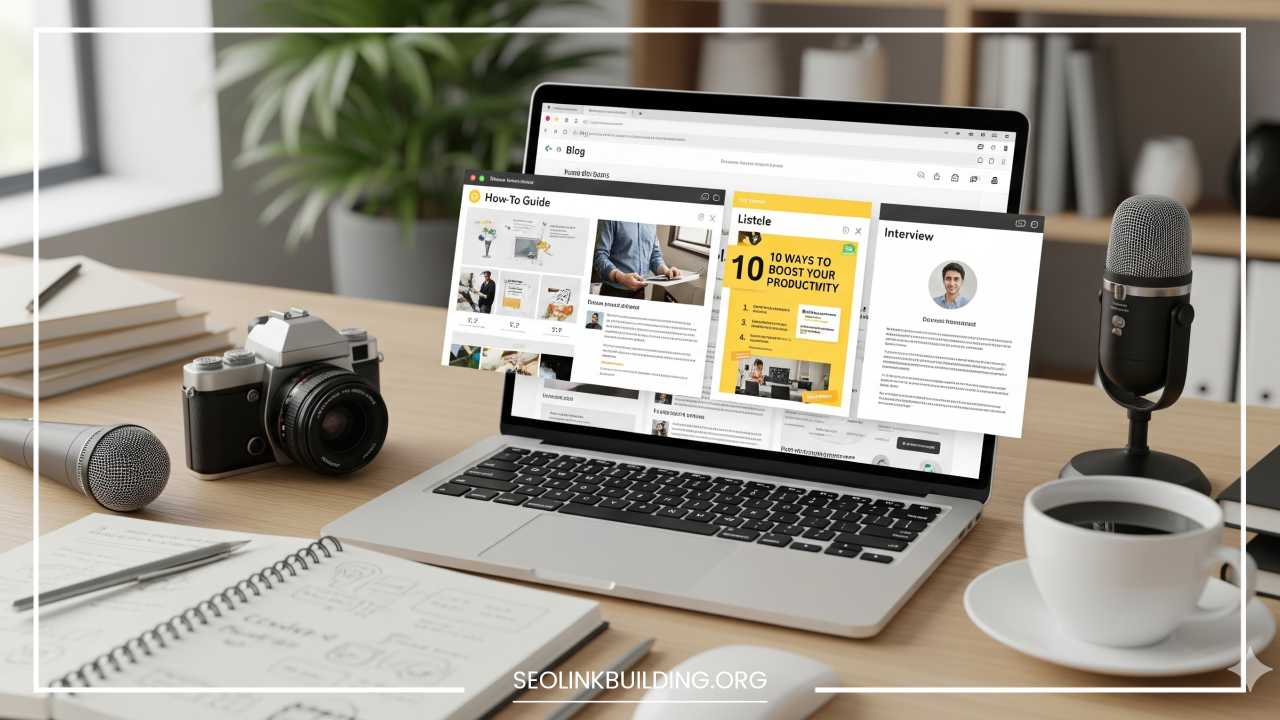
- How-to Guides: Teach your audience how to do something. This could be “How to Start a Vegetable Garden,” “How to Create a Simple Budget,” or “How to Master Your First Guitar Chord.”
- Listicles: People love lists. They are easy to read and digest. Examples include “Top 5 Productivity Tools,” “10 Books Every Entrepreneur Should Read,” or “7 Steps to a Better Morning Routine.”
- Personal Experiences or Lessons Learned: Share a story about a challenge you overcame or a lesson you learned. This builds trust and shows your audience the human behind the brand.
- Product Reviews: Review a product or service you genuinely use and love. Be honest and provide both pros and cons. This is a great way to provide value and can even open up opportunities for affiliate marketing down the line.
B. YouTube Video Ideas
YouTube is a powerful platform for reaching a wide audience. Your videos don’t need to be Hollywood productions; authenticity and helpfulness are more important.
- Tutorials / DIY Content: Walk your viewers through a process. This could be “How to Install a Floating Shelf,” “A Beginner’s Guide to Digital Art,” or “DIY Face Mask Recipes.
- Reaction Videos: React to a popular video, a new song, or a movie trailer. Add your own commentary and a unique perspective.
- Day-in-the-Life Vlogs: Give your audience a glimpse into your daily routine. This can be “A Day in the Life of a College Student” or “A Day as a Freelance Graphic Designer.” It’s great for building a personal connection.
- Beginner Challenges: Take on a challenge and document your progress. Examples include “Learning a New Language in 30 Days” or “My 7-Day Meditation Challenge.” This type of content is highly engaging and relatable.
C. Instagram / TikTok Ideas
These platforms thrive on short, impactful content. Don’t overthink it; focus on creating something that captures attention quickly.
- Quick Tips or Hacks: Share a simple, actionable tip in under 30 seconds. This could be a “Photography Hack,” “Cooking Tip,” or “Study Hack.” Use text overlays to make it easy to follow.
- Behind-the-Scenes Content: Show your audience the process of creating your content or a glimpse of your work life. This makes you more relatable and human.
- Mini Vlogs or Routines: A sped-up video of your morning routine, your workout, or a quick trip to the coffee shop. These are simple to film and highly engaging.
- Trending Sounds with a Twist: Pay attention to trending audio clips and challenge yourself to create a video using the sound in a unique way that relates to your niche.
D. Podcast Ideas
Podcasting is an excellent way to connect with an audience on a deeper level. You can get started with just a decent microphone and a quiet space.
- Share Your Journey or Passion: Talk about your personal experiences. You could have a podcast called “My Journey to Becoming a Gardener” or “The Life of a Comic Book Collector.”
- Interview Friends or Local Creators: Find people you know who have interesting stories or expertise and have a conversation. This reduces the pressure on you to be the sole source of content.
- Discuss Trending Topics in Your Niche: If you’re in the tech space, discuss the latest gadget. If you’re a food blogger, talk about the newest restaurant trends.
- Book or Product Reviews: Do an audio review of a book or product. You can read excerpts or discuss the key takeaways in a conversational format.
E. Content for LinkedIn / Professional Platforms
LinkedIn is often overlooked by beginners, but it’s a powerful place to build a professional brand.
- Career Advice: Share tips for job hunting, acing an interview, or negotiating a salary.
- Lessons from Your Job/Internship: Write a post about something you learned on the job. It could be about a new skill you acquired or a mistake you made.
- Industry News Commentary: Share an article from your industry and add your own thoughts or analysis. This positions you as a knowledgeable voice.
- “What I Learned From…” Posts: Write a post about a recent project, a book you read, or a course you took and share a few key takeaways.
Tools for Beginner Content Creators
You don’t need to break the bank to get started. Many powerful tools are free or have very affordable versions.
- Writing:
- Grammarly: A must-have for checking grammar, spelling, and clarity. The free version is excellent.
- Notion: A powerful all-in-one workspace for writing, organizing ideas, and creating content calendars.
- Google Docs: Simple, collaborative, and free. Perfect for writing and sharing drafts.
- Design:
- Canva: An absolute game-changer for beginners. You can create stunning social media graphics, infographics, thumbnails, and more with their user-friendly templates and drag-and-drop interface.
- Adobe Express: Similar to Canva, offering a wide range of free tools for creating graphics, videos, and more.
- Video Editing:
- CapCut: A free and incredibly powerful video editing app for mobile and desktop. It’s perfect for creating professional-looking short-form videos.
- iMovie (for Apple users): A simple, free video editor built into Apple devices. It’s a great starting point for longer videos.
- Scheduling:
- Buffer / Later: These tools allow you to schedule your social media posts in advance, saving you time and helping you stay consistent. Both have free plans.
Tips for Staying Consistent & Motivated
Consistency is more important than perfection, especially when you’re starting out. Here’s how to build a sustainable content creation habit.
- Set Realistic Goals: Don’t aim to post daily on every platform. Start with one piece of content per week and slowly increase your output as you get comfortable.
- Batch Content Creation: Instead of creating one piece of content every day, dedicate one or two days a month to creating all your content for that month. Film all your videos on a Saturday, or write all your blog posts on a Sunday. This is incredibly efficient.
- Use Content Calendars: A simple spreadsheet can save your sanity. Plan out your topics, publish dates, and platforms in advance. This takes the guesswork out of what to create next.
- Don’t Aim for Perfection — Focus on Progress: Your first few pieces of content will not be your best, and that’s okay. The goal is to start and learn. Your skills will improve with every piece of content you create.
Beginner Mistakes to Avoid
The path to becoming a creator is filled with potential pitfalls. Being aware of these common mistakes can save you a lot of frustration.
- Trying to Be Everywhere at Once: Spreading yourself too thin leads to burnout and mediocre content. Master one platform first.
- Not Understanding Your Audience: Creating content that you think is good without considering what your audience actually wants. Always think about your target audience and the value you can provide them.
- Overthinking Content Quality: Don’t let perfectionism paralyze you. Just start creating. A low-quality video that’s posted is better than a perfect video that’s still in your head.
- Giving Up Too Soon: Building an audience takes time. You won’t get a million views on your first video. Be patient and consistent, and celebrate small wins.
How to Improve Over Time
Once you’ve started, the next step is to get better. This is where a growth mindset comes in.
- Track Metrics and Feedback: Pay attention to what your audience likes. Which posts get the most engagement? What kind of questions are they asking in the comments? Use this feedback to guide your future content.
- Experiment with New Formats: Once you’re comfortable, try something new. If you’re a blogger, try creating a short video summary of your blog post.
- Repurpose Old Content: Don’t let your content die. Turn a blog post into a series of social media posts. Turn a YouTube video into a podcast episode. This is a smart way to get more mileage out of your work.
- Join Creator Communities: Find online groups or forums with other creators in your niche. You can ask for feedback, learn from their experiences, and find a support system.
Final Thoughts & Encouragement
Starting your content creation journey can feel overwhelming, but it is one of the most rewarding endeavors you can undertake. You now have a solid understanding of the basics, a treasure trove of actionable ideas, and a list of tools to help you get started.
Remember, every famous creator, every successful blogger, and every popular podcaster started with their very first piece of content. They were all beginners once. Your unique voice, your perspective, and your passions are valuable. Don’t wait for the perfect moment or the perfect equipment. The best time to start creating content is right now. Take that first step, hit record, or write that first sentence. The world is ready to hear your story.