How to Increase Your Website Traffic

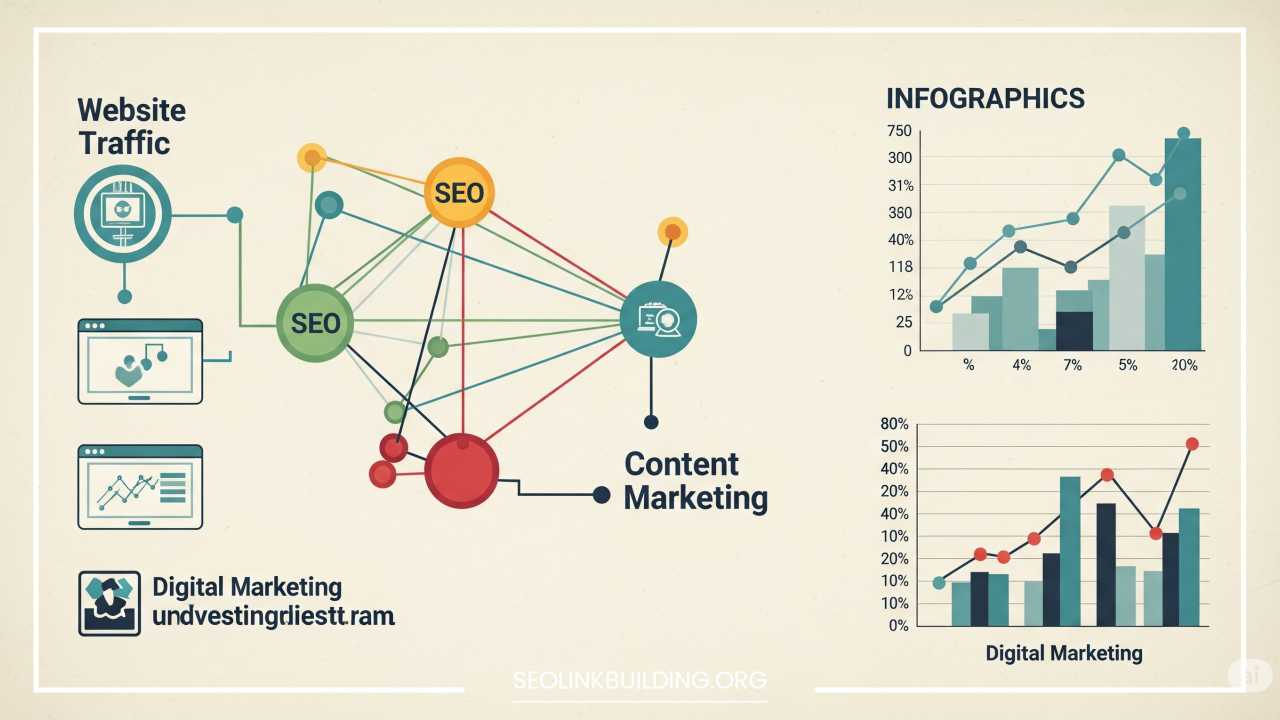
How to Increase Your Website Traffic | Proven Strategies that Works
In the bustling digital landscape of today, a website without traffic is like a shop without customers – it exists, but it doesn’t thrive. Website traffic is the lifeblood of any online endeavor, whether you’re running an e-commerce store, a service-based business, a personal blog, or a corporate portal. It signifies visibility, engagement, and ultimately, opportunities for conversions, sales, and brand growth. The more relevant eyes you can attract to your digital storefront, the greater your chances of achieving your online objectives.
However, simply having a website is no longer enough. The internet is a crowded place, with millions of websites vying for attention. Standing out from the crowd and consistently drawing visitors requires a strategic and multifaceted approach. This comprehensive guide will delve into both free (organic) and paid strategies designed to significantly boost your website traffic. We’ll explore the nuances of attracting the right audience, understanding their behavior, and optimizing your online presence for sustained growth. By the end of this article, you will have a clear roadmap and actionable insights to implement effective traffic-generation strategies for your website.
Understanding Website Traffic
Before we dive into the “how,” it’s crucial to understand the “what” and “why” of website traffic. Not all traffic is created equal, and discerning its various types and their implications is fundamental to developing effective strategies.
Different Types of Traffic:
- Organic Traffic: This is perhaps the most coveted type of traffic, coming from search engines like Google, Bing, or DuckDuckGo. Users find your website by searching for keywords or phrases related to your content or offerings. It’s “free” in the sense that you don’t pay per click, but it requires significant investment in Search Engine Optimization (SEO).
- Direct Traffic: This occurs when users type your website URL directly into their browser, or access it through a bookmark. It indicates strong brand recognition and loyal visitors who already know your site.
- Referral Traffic: This comes from other websites linking to yours. It could be from a guest post, an online directory, a partnership, or simply another site finding your content valuable and citing it. Referral traffic often brings qualified leads and builds domain authority.
- Social Traffic: As the name suggests, this traffic originates from social media platforms like Facebook, Instagram, LinkedIn, Pinterest, X (formerly Twitter), and TikTok. It can be driven by organic posts, shares, or paid social media campaigns.
- Paid Traffic: This is traffic you pay for, typically through advertising platforms like Google Ads (Search and Display Networks), social media ads, or native advertising. While it offers immediate visibility and precise targeting, it requires a budget and careful management to ensure a positive Return on Investment (ROI).
Why Quality Traffic Matters More Than Quantity:
It’s easy to get fixated on vanity metrics like the sheer number of visitors. However, 1,000 highly engaged and relevant visitors are far more valuable than 10,000 casual browsers who quickly bounce off your site. Quality traffic consists of users who are genuinely interested in what you offer, are likely to spend more time on your site, interact with your content, and ultimately convert into leads or customers. Focusing on quality ensures that your marketing efforts are efficient and yield tangible results, rather than just inflating numbers.
Tools to Track Traffic:
Monitoring your website traffic is non-negotiable for understanding what’s working and what’s not.
- Google Analytics: This is the gold standard for website analytics. It provides a wealth of data, including traffic sources, user demographics, behavior on your site (pages visited, time on page, bounce rate), conversion rates, and much more. Setting it up correctly is the first step to informed decision-making.
- Google Search Console: Essential for understanding your organic search performance. It shows you which keywords users are searching for to find your site, your average position in search results, crawl errors, mobile usability issues, and helps you submit sitemaps. It’s a direct line to how Google views your website.
These tools provide the insights needed to refine your strategies and continuously improve your website’s performance.
SEO – The Foundation of Long-Term Traffic
Search Engine Optimization (SEO) is the cornerstone of sustainable, long-term website traffic. It’s the process of optimizing your website to rank higher in search engine results pages (SERPs), thereby increasing your1 organic visibility. While it requires time and effort, the dividends of a strong SEO strategy are significant and enduring.
Keyword Research Basics:
The journey begins with understanding what your target audience is searching for. Keyword research is the process of identifying these terms and phrases.
- Tools:
- Ahrefs: A comprehensive SEO suite offering robust keyword research, competitor analysis, backlink analysis, and site audits. Its “Keywords Explorer” is invaluable.
- SEMrush: Another all-in-one platform providing extensive keyword research, domain analysis, PPC research, and content marketing tools.
- Ubersuggest: A freemium tool by Neil Patel, offering keyword ideas, content suggestions, and competitor insights, particularly useful for beginners.
- Google Keyword Planner: A free tool provided by Google, ideal for discovering new keywords and estimating search volume.
- Process:
- Start with broad topics related to your business.
- Brainstorm seed keywords.
- Use the tools to find related keywords, long-tail keywords (more specific phrases, often with lower search volume but higher intent), and competitor keywords.
- Analyze search volume, keyword difficulty, and user intent (informational, navigational, commercial, transactional). Focus on keywords that align with your content and offer a good balance of search volume and achievable difficulty.
On-Page SEO:
This refers to optimizing individual web pages to rank higher and earn more relevant traffic in search engines.2
- Title Tags: The HTML title tag defines the title of a document and is displayed in the browser’s title bar and in SERPs. It should be compelling, concise, and include your primary keyword (preferably at the beginning). Aim for around 50-60 characters.
- Meta Descriptions: A brief summary (around 150-160 characters) of the page’s content, displayed beneath the title tag in SERPs. While not a direct ranking factor, a well-crafted meta description encourages clicks, improving your click-through rate (CTR). Include your keyword and a compelling call to action.
- Headers (H1, H2, H3, etc.): These structure your content, making it easier for users and search engines to read. Use H1 for your main page title, including your primary keyword. Use H2, H3, etc., to break down subtopics, incorporating secondary keywords where natural.
- Internal Linking: Linking to other relevant pages within your own website helps search engines understand your site structure, distributes link equity (PageRank), and keeps users engaged by guiding them to related content. Use descriptive anchor text.
- Image Optimization: Use descriptive filenames and alt text (alternative text) for images. Alt text helps visually impaired users and provides context to search engines about the image content, especially if the image fails to load.
Technical SEO:
This involves optimizing the technical aspects of your website to help search engines crawl and index your site more effectively.3
- Site Speed: A critical ranking factor and user experience element. Slow-loading pages lead to higher bounce rates. Optimize images, leverage browser caching, use a Content Delivery Network (CDN), and minify CSS/JavaScript. Tools like Google PageSpeed Insights can help identify issues.
- Mobile-Friendliness: With the majority of internet users accessing websites via mobile devices, a responsive design that adapts seamlessly to various screen sizes is paramount. Google uses mobile-first indexing, meaning it primarily uses the mobile version of your content for indexing and ranking.4
- XML Sitemaps: A list of all important pages on your website that you want search engines to crawl. Submitting an XML sitemap via Google Search Console helps search engines discover your content more efficiently.
- Robots.txt: A file that tells search engine crawlers which pages or files they can or cannot request from your site. Use it to prevent crawlers from accessing unnecessary or private sections of your website.
Content SEO:
Beyond keywords and technicalities, the quality and relevance of your content are paramount.
- Optimizing Blogs: Write comprehensive, valuable, and unique blog posts that answer user queries. Incorporate keywords naturally throughout the content, headings, and meta descriptions. Ensure readability with short paragraphs, bullet points, and visuals.
- Product Pages (for e-commerce): Optimize product titles, descriptions, and image alt text with relevant keywords. Include customer reviews, FAQs, and high-quality product images to enhance user experience and SEO.
- Service Pages: Clearly articulate your services, their benefits, and target relevant keywords. Include testimonials and calls to action.
- Evergreen Content: Create content that remains relevant and valuable over a long period, minimizing the need for frequent updates (e.g., “How-to guides,” “Ultimate lists,” “Foundational concepts”). This type of content consistently drives organic traffic.
SEO is an ongoing process, requiring continuous monitoring, adaptation to algorithm changes, and consistent effort to maintain and improve rankings.
Content Marketing Strategies
Content marketing is the strategic creation and distribution of valuable, relevant, and consistent content to attract and retain a clearly defined audience – and, ultimately, to drive profitable customer action. It’s inextricably linked with SEO, as high-quality content is what search engines aim to deliver to users.
Blogging Consistently with Value-Driven Content:
A consistent blogging schedule is a powerful traffic driver.
- Value Over Promotion: Your blog should primarily educate, entertain, or solve problems for your audience, rather than just promoting your products or services.
- Audience-Centric: Understand your audience’s pain points, questions, and interests, and create content that addresses them. Use keyword research to guide your topics.
- Variety in Formats: Don’t limit yourself to text. Incorporate infographics, videos, podcasts, and interactive quizzes to keep your audience engaged and cater to different learning styles.
- Quality First: Each blog post should be well-researched, well-written, and provide genuine value. Poorly written or thin content can harm your SEO and credibility.
Using Pillar Pages and Topic Clusters:
This advanced content strategy helps organize your content and establish authority.
- Pillar Page: A comprehensive, long-form piece of content that broadly covers a core topic. It acts as the central hub for a cluster of related content (e.g., “The Ultimate Guide to Digital Marketing”).
- Topic Clusters: Individual blog posts or articles that delve deeper into specific subtopics related to the pillar page. These cluster pages link back to the pillar page and to each other, creating a strong internal linking structure (e.g., separate articles on “SEO Basics,” “Social Media Marketing for Beginners,” “Email Marketing Best Practices” all linking back to “The Ultimate Guide to Digital Marketing”). This structure signals to search engines that you are an authority on a particular topic, improving your rankings for a wider range of keywords.
Creating Evergreen vs. Trending Content:
A balanced content strategy includes both.
- Evergreen Content: Content that remains relevant and valuable for a long time, providing a consistent stream of traffic (e.g., “How to Start a Blog,” “Beginner’s Guide to Investing”). It requires less frequent updates.
- Trending Content: Content that capitalizes on current events, news, or popular culture. While it can generate a surge of traffic in the short term, its relevance fades quickly (e.g., “Analysis of the Latest AI Breakthrough,” “Reaction to the Super Bowl Ad”). Use trending topics to gain immediate visibility and potentially attract new audiences, but ensure it aligns with your brand.
Updating Old Content for Better Rankings:
Don’t let your old content gather digital dust.
- Refresh and Republish: Go back to your highest-performing or most relevant older articles and update them with new information, statistics, images, or even a new perspective.
- Improve SEO: Add new keywords, optimize meta descriptions, improve internal links, and enhance readability.
- Boost Visibility: Republishing updated content can signal to search engines that the content is fresh and relevant, potentially boosting its rankings and attracting new traffic. This is often more efficient than creating brand new content from scratch.
Content marketing is a long-term play, but its rewards in terms of organic traffic, brand authority, and customer loyalty are immense.
Social Media Marketing
Social media platforms are not just for connecting with friends; they are powerful channels for driving website traffic, building brand awareness, and engaging with your audience. The key is to understand where your target audience spends their time and how to create content that resonates with them.5
Best Platforms to Drive Traffic:
The “best” platform depends on your industry, target audience, and content type.
- LinkedIn: Ideal for B2B businesses, thought leadership, professional networking, and sharing industry insights. Excellent for driving traffic to whitepapers, case studies, and business-focused blog posts.
- Pinterest: A visual discovery engine, perfect for businesses with visually appealing products or content (e.g., fashion, food, home decor, DIY, travel). Drives significant referral traffic to blogs, e-commerce stores, and recipe sites.
- Instagram: Highly visual, great for brand building, product showcasing, and storytelling. Use engaging visuals, Reels, and Stories to direct traffic via link in bio, shoppable posts, or direct messages. Strong for B2C.
- X (formerly Twitter): Excellent for real-time news, quick updates, engaging in conversations, and driving traffic with concise, impactful messages and links. Good for thought leadership and customer service.
- Facebook: Remains a dominant platform for broad audiences, offering diverse content formats and powerful advertising capabilities. Useful for community building and driving traffic to various content types.
How to Create Engaging Content That Gets Shared:
Engagement is the currency of social media.
- Visuals First: High-quality images, videos, and infographics capture attention in busy feeds.
- Storytelling: Share compelling narratives about your brand, products, or customer successes.
- Interactive Content: Polls, quizzes, questions, and live Q&A sessions encourage participation.
- Behind-the-Scenes: Show the human side of your business.
- User-Generated Content (UGC): Encourage customers to share their experiences with your product/service and repost their content (with permission).
- Strong Call to Action (CTA): Clearly tell people what you want them to do next, e.g., “Link in bio to read more,” “Click here to shop,” “Swipe up for the full article.”
- Native Content: Adapt your content to each platform’s preferred format. For example, short, punchy videos for TikTok/Reels, professional articles for LinkedIn.
Using Hashtags and Trends to Increase Reach:
- Hashtags: Research relevant and trending hashtags in your niche. Use a mix of broad and specific hashtags to expand your reach to interested audiences. Don’t overstuff; use them strategically.
- Trends: Monitor trending topics, sounds, and challenges on platforms like TikTok and Instagram Reels. Participating in relevant trends can expose your content to a massive audience, but ensure it aligns with your brand’s message.
Influencer Collaborations:
Partnering with influencers who have an engaged audience relevant to your niche can significantly amplify your reach and drive traffic.
- Micro-Influencers: Often have higher engagement rates and can be more affordable.
- Authenticity: Choose influencers whose values align with your brand and whose audience trusts their recommendations.
- Clear Goals: Define what you want the influencer to promote and track the traffic they generate.
Social media marketing is an ongoing process of experimentation, analysis, and adaptation. Consistent engagement and valuable content are key to converting social media followers into website visitors.
Backlinks & Referral Traffic
Backlinks, also known as inbound links, are links from one website to another. They are a critical component of SEO, signaling to search engines that your content is valuable and authoritative. The more high-quality backlinks you have, the higher your6 website is likely to rank in SERPs,7 leading to increased organic and referral traffic.
Importance of Backlinks for SEO and Traffic:
- Authority and Trust: Backlinks act as “votes of confidence” from other websites. When reputable sites link to yours, it tells search engines that your content is8 trustworthy and authoritative.
- Improved Rankings: Websites with a strong backlink profile tend to rank higher for their target keywords, leading to more organic traffic.
- Referral Traffic: Direct clicks from backlinks on other websites bring valuable referral traffic to your site. This traffic is often highly qualified because users are coming from a contextually relevant source.
- Faster Indexing: Search engine bots discover new content more quickly when it’s linked from established websites.
Guest Blogging on High-Authority Websites:
This is one of the most effective backlink-building strategies.
- Identify Opportunities: Find websites in your niche with high domain authority (DA) or Domain Rating (DR) using tools like Ahrefs or Moz.
- Pitch Relevant Topics: Propose unique, valuable content ideas that would resonate with their audience and align with your expertise.
- Craft Quality Content: Write a high-quality article that provides genuine value, not just a self-promotional piece. Include a natural link back to a relevant page on your website (not just your homepage).
- Author Bio: Most guest post opportunities allow a concise author bio with a link to your website or a relevant social media profile.
Partnering with Complementary Brands/Sites:
Collaborate with businesses that serve a similar audience but aren’t direct competitors.
- Cross-Promotional Content: Create joint webinars, co-authored e-books, or reciprocal blog posts where you link to each other’s relevant content.
- Resource Pages: Ask to be featured on their “resources” or “recommended tools” pages if your product/service fits.
- Joint Promotions: Run shared campaigns that direct traffic to both websites.
Online Directories and Niche Communities:
While less impactful than editorial backlinks, these can still provide some referral traffic and local SEO benefits.
- Reputable Directories: List your business in relevant online directories (e.g., Yelp, Yellow Pages, industry-specific directories). Ensure your Name, Address, and Phone number (NAP) are consistent across all listings.
- Niche Forums/Communities: Participate actively in online forums or communities relevant to your industry. Provide helpful answers and, where appropriate and allowed, link back to a relevant resource on your website that further explains a concept. Avoid spamming.
Building high-quality backlinks is a marathon, not a sprint. It requires consistent effort, relationship building, and a commitment to creating link-worthy content. Focus on earning links naturally by producing valuable content that others want to cite.
Paid Traffic Strategies
While organic growth is the ultimate goal, paid traffic offers immediate visibility, precise targeting, and scalable results. It’s an excellent way to kickstart traffic, test new offers, or supplement organic efforts. However, it requires careful budgeting and continuous optimization to ensure a positive ROI.
Google Ads Basics and When to Use Them:
Google Ads allows you to display ads on Google’s search results pages (Search Network) and across a vast network of websites and apps (Display Network).
- Search Ads: Appear at the top or bottom of search results. Best for capturing users with high commercial intent (e.g., searching for “buy running shoes online”).
- When to Use: When you want immediate visibility for specific keywords, to promote limited-time offers, or to target users ready to make a purchase.
- Key Elements: Keyword targeting, compelling ad copy, clear calls to action, relevant landing pages.
- Display Ads: Visual ads (banners, images) shown on websites within the Google Display Network.
- When to Use: For brand awareness, reaching a broad audience, and retargeting (showing ads to people who have previously visited your site).
- Key Elements: Engaging visuals, audience targeting (demographics, interests, placements), and clear messaging.
- Shopping Ads: Product listings with images, prices, and store names, displayed for product-related searches. Essential for e-commerce.
Facebook/Instagram Ad Tips:
These platforms offer unparalleled demographic and interest-based targeting.
- Detailed Targeting: Leverage Facebook’s extensive user data to target audiences based on interests, behaviors, demographics, custom audiences (uploading email lists), and lookalike audiences (finding people similar to your existing customers).
- Engaging Creatives: High-quality images and videos are paramount. Experiment with different ad formats (single image, carousel, video, collection ads).
- Compelling Ad Copy: Write concise, benefit-driven copy that addresses pain points and offers solutions.
- A/B Testing: Continuously test different headlines, visuals, copy, and calls to action to see what resonates best with your audience.
- Clear Call to Action: Guide users directly to your landing page.
Retargeting/Remarketing Campaigns:
This is a highly effective paid strategy.
- How it Works: Show ads to users who have previously visited your website but didn’t complete a desired action (e.g., add to cart but didn’t purchase, visited a service page but didn’t inquire).
- Why it’s Effective: These users are already familiar with your brand and have shown interest, making them more likely to convert.
- Implementation: Install a tracking pixel (e.g., Facebook Pixel, Google Ads Remarketing Tag) on your website to build audience lists. Create segmented campaigns based on user behavior.
Budget Planning and ROI Tracking:
- Define Your Budget: Start with a manageable budget and gradually increase as you see positive results.
- Set Clear Goals: What do you want to achieve with your ads (leads, sales, sign-ups)?
- Track Everything: Use tracking parameters (UTM tags) and conversion tracking within your ad platforms and Google Analytics to monitor clicks, impressions, costs, and conversions.
- Calculate ROI: Regularly assess your Return on Investment (ROI) to ensure your ad spend is profitable. If not, pause underperforming campaigns and optimize your targeting, creatives, or landing pages.
Paid traffic can provide an immediate boost to your website traffic and revenue, but it demands continuous monitoring, analysis, and optimization to ensure efficiency and profitability.
Email Marketing & List Building
Email marketing remains one of the most powerful and cost-effective channels for driving repeat website traffic and fostering customer loyalty. Unlike social media or search engines, you “own” your email list, giving you direct access to your audience.
Creating Lead Magnets (eBooks, Checklists):
The first step in email marketing is building your list. Offer something valuable in exchange for an email address.
- E-books/Guides: Comprehensive resources that delve deep into a topic relevant to your audience.
- Checklists/Templates: Practical, actionable tools that simplify a process for your users.
- Webinars/Online Courses: More in-depth learning experiences.
- Exclusive Content/Discounts: Access to gated content or special offers.
- Quizzes/Assessments: Engaging tools that provide personalized results and capture email addresses. Ensure your lead magnet is high-quality, genuinely helpful, and easy to consume. Promote it prominently on your website, blog posts, and social media.
Nurture Sequences to Drive Repeat Traffic:
Once you have an email address, the goal is to build a relationship and guide subscribers back to your website.
- Welcome Sequence: A series of automated emails sent to new subscribers, introducing your brand, setting expectations, and providing initial value. Include links to popular blog posts or relevant product/service pages.
- Educational Content: Share valuable blog posts, articles, videos, or podcasts from your website. Position yourself as a thought leader.
- Promotional Emails: Occasionally, promote your products, services, or special offers, always linking back to your website.
- Engagement Emails: Ask questions, conduct surveys, or invite subscribers to join your social media communities, all while linking back to your site for more information.
Email Segmentation and Personalization:
Generic emails are easily ignored. Segmentation and personalization drastically improve engagement and click-through rates.
- Segmentation: Divide your email list into smaller groups based on demographics, interests, past behavior (e.g., purchase history, pages visited), or lead magnet downloaded.
- Personalization: Address subscribers by name, recommend products based on their past purchases or Browse history, and send content highly relevant to their segment.
- Dynamic Content: Use email marketing platforms that allow you to display different content blocks based on user segments.
By sending targeted, valuable emails, you encourage subscribers to revisit your website, deepening their engagement and increasing the likelihood of conversion.
Tools & Analytics for Monitoring Traffic
Effective traffic generation isn’t just about implementing strategies; it’s about continuously monitoring, analyzing, and optimizing them. The right tools provide the data you need to make informed decisions.
- Google Analytics (GA4): The most essential tool for website analytics.
- What it offers: Comprehensive data on user behavior, traffic sources, conversions, demographics, technology used, and much more.
- How to use it: Track which channels bring the most traffic, identify your most popular pages, understand user flow, measure conversion rates, and pinpoint areas for improvement. Set up goals and events to track specific actions users take on your site.
- Google Search Console: Crucial for understanding organic search performance.
- What it offers: Insights into keywords driving traffic, average position in SERPs, click-through rates, crawl errors, mobile usability issues, and sitemap status.
- How to use it: Identify search queries that bring users to your site, discover opportunities to optimize existing content for better rankings, and ensure Google can effectively crawl and index your pages.
- Heatmaps (Hotjar, Crazy Egg): Visual tools that show you exactly how users interact with your website.
- What they offer:
- Heatmaps: Color-coded representations of where users click, move their mouse, and scroll on your pages.
- Scroll Maps: Show how far down a page users scroll.
- Click Maps: Highlight areas where users click most frequently.
- Session Recordings: Record individual user sessions, allowing you to watch their journey on your site.
- How to use them: Identify areas of confusion, discover what content users are ignoring, optimize call-to-action placement, and improve overall user experience, which indirectly impacts traffic by encouraging repeat visits and reducing bounce rates.
- What they offer:
- A/B Testing Tools (Google Optimize, VWO, Optimizely): Allow you to test different versions of your web pages to see which performs better.
- What they offer: The ability to show different variants of a page (e.g., different headlines, button colors, layouts) to different segments of your audience and measure which version leads to higher conversions or better engagement.
- How to use them: Optimize landing pages, call-to-action buttons, and other critical elements of your website to improve conversion rates and, by extension, the effectiveness of your traffic generation efforts.
By leveraging these tools, you can move beyond guesswork and make data-driven decisions to continuously improve your website traffic and overall online performance.
Common Mistakes to Avoid
While striving to increase website traffic, it’s easy to fall into common pitfalls that can hinder your progress or even harm your online reputation. Awareness of these mistakes is the first step to avoiding them.
- Focusing on Quantity Over Quality: The biggest mistake. Chasing high traffic numbers without considering relevance leads to high bounce rates, low engagement, and minimal conversions. It’s better to have fewer, highly qualified visitors who are genuinely interested in your offerings than a flood of irrelevant ones. Quality traffic stays longer, engages more, and converts better.
- Ignoring Mobile Optimization: In a mobile-first world, a website that isn’t responsive and fast on mobile devices will alienate a vast segment of your audience and be penalized by search engines. Slow loading times, difficult navigation, and unreadable text on mobile are instant turn-offs. Always ensure your site is flawlessly accessible across all devices.
- Keyword Stuffing or Black-Hat Tactics: Trying to trick search engines by unnaturally repeating keywords (keyword stuffing) or engaging in unethical practices like buying links, cloaking, or hidden text will eventually lead to penalties from Google. These “black-hat” SEO tactics might provide short-term gains but result in severe, long-term damage to your rankings and reputation. Focus on providing genuine value to users.
- Neglecting Analytics and Data: Implementing strategies without monitoring their performance is like driving blind. Without regularly checking Google Analytics, Search Console, and other tools, you won’t know which efforts are paying off, where to optimize, or what to stop doing. Data-driven decisions are crucial for efficient resource allocation and sustained growth.
- Inconsistent Content Creation: Sporadic blogging or content updates signal to search engines and users that your site is not regularly maintained or a reliable source of fresh information. Consistency, whether daily, weekly, or bi-weekly, builds momentum and keeps your audience engaged.
- Lack of Clear Call to Action (CTA): Once visitors arrive on your site, what do you want them to do? Without clear, compelling CTAs, users might become disoriented and leave without taking desired actions (e.g., subscribing, purchasing, contacting). Every page should have a purpose.
- Poor User Experience (UX): A clunky, confusing, or visually unappealing website will deter visitors, regardless of how they arrive. Ensure your website is easy to navigate, aesthetically pleasing, and provides a seamless experience. UX directly impacts bounce rates and engagement.
Avoiding these common mistakes will ensure your traffic generation efforts are efficient, ethical, and lead to sustainable growth.
Action Plan: Putting It All Together
Increasing website traffic is not a one-time fix but a continuous journey. To make it manageable and effective, it’s best to break it down into actionable steps. Here’s a suggested 30-day action plan to kickstart your efforts:
Week 1: Foundation & Audit
- Days 1-3: Set Up & Review Analytics:
- Ensure Google Analytics (GA4) and Google Search Console are properly installed and configured.
- Review existing data to understand current traffic sources, popular pages, and user behavior.
- Set up basic goals/conversions in GA4 (e.g., contact form submissions, newsletter sign-ups).
- Days 4-7: Initial SEO Audit & Keyword Research:
- Conduct a basic technical SEO audit: check site speed (Google PageSpeed Insights), mobile-friendliness, and ensure an XML sitemap exists and is submitted.
- Begin core keyword research for your main products/services/topics. Identify 5-10 primary keywords and 15-20 long-tail keywords.
- Analyze competitor keywords using tools like SEMrush or Ahrefs.
Week 2: Content & On-Page SEO
- Days 8-10: On-Page Optimization:
- Optimize your top 5-10 most important pages (homepage, key service/product pages) for your chosen primary keywords: update title tags, meta descriptions, H1s, and internal links.
- Ensure images on these pages have descriptive alt text.
- Days 11-14: Content Planning & Creation:
- Brainstorm 2-3 blog post topics based on your long-tail keyword research.
- Write and publish your first high-quality, value-driven blog post (aim for 1000+ words), ensuring it’s optimized for a specific long-tail keyword.
- Start planning your pillar page if you intend to use topic clusters.
Week 3: Promotion & Diversification
- Days 15-18: Social Media Kick-off:
- Identify 1-2 primary social media platforms where your target audience is most active.
- Optimize your social media profiles with links back to your website.
- Share your newly published blog post and other relevant website content. Post consistently (e.g., 3-5 times a week) with engaging visuals and calls to action.
- Days 19-21: Begin Link Building & Email List Building:
- Identify 2-3 high-authority websites in your niche for potential guest blogging opportunities. Craft personalized outreach emails.
- Create your first lead magnet (e.g., a simple checklist or mini-guide) and set up a basic opt-in form on your website. Promote it on your blog and social media.
Week 4: Paid & Refinement
- Days 22-25: Explore Paid Traffic (Optional, but Recommended):
- If budget allows, set up a small Google Search Ads campaign for a highly converting keyword or a simple Facebook/Instagram ad campaign targeting a specific audience with a clear objective (e.g., website visits to a specific landing page).
- Start with a small budget and focus on learning the platform.
- Days 26-28: Analyze & Optimize:
- Review Google Analytics and Search Console data from the past three weeks.
- Identify which channels are performing best.
- Look for opportunities to improve: Is your bounce rate high on certain pages? Are specific keywords underperforming?
- Make minor adjustments to your on-page SEO or social media posting schedule based on data.
- Days 29-30: Plan for the Next Month:
- Based on your findings, outline your content calendar for the next month.
- Identify your next SEO priorities (e.g., more internal linking, fixing technical issues).
- Refine your social media strategy.
Ongoing:
- Consistency is Key: Continue producing high-quality content regularly.
- Monitor & Adapt: Regularly check your analytics and adjust your strategies based on performance.
- Learn & Experiment: The digital marketing landscape constantly evolves. Stay updated and be willing to try new approaches.
Start with 2-3 traffic methods you feel most comfortable with or that are most relevant to your business, and focus on mastering them before scaling up to incorporate more advanced strategies. Small, consistent efforts will build momentum and deliver significant results over time.
Final Thoughts
In the dynamic realm of digital presence, website traffic remains the ultimate determinant of online success. It is not merely a number but a vital indicator of your visibility, relevance, and ability to connect with your target audience. As we’ve explored, increasing your website traffic is a multifaceted endeavor that demands a strategic blend of both foundational organic efforts and targeted paid initiatives.
The journey begins with a deep understanding of your audience and the various avenues through which they can discover your site, be it through the diligent work of Search Engine Optimization, the engaging narratives of Content Marketing, the vibrant interactions of Social Media Marketing, the authoritative endorsements of Backlinks, or the immediate reach of Paid Traffic. Complementing these acquisition channels are the powerful retention and engagement capabilities of Email Marketing, ensuring that visitors become loyal followers and customers.
Crucially, every strategy, every piece of content, and every dollar spent on advertising must be informed by data. Tools like Google Analytics, Search Console, and various heatmap solutions provide the invaluable insights needed to discern what truly resonates with your audience and what needs refinement. Avoiding common pitfalls such as prioritizing sheer quantity over quality, neglecting mobile optimization, or resorting to black-hat tactics is essential for building a sustainable and ethical online presence.
Ultimately, increasing your website traffic is not about finding a magic bullet, but about embracing a holistic, multi-channel strategy. It requires continuous testing, meticulous optimization, and an unwavering commitment to providing genuine value to your audience. By consistently implementing the strategies outlined in this article, monitoring your performance, and adapting to the ever-evolving digital landscape, you will not only drive more visitors to your website but also cultivate a thriving online ecosystem that supports your long-term goals. The path to greater traffic is a journey of learning, adapting, and relentlessly pursuing excellence in your digital endeavors.