What Are Push and Pull Strategies


What Are Push and Pull Strategies?
In the dynamic world of business, achieving market success hinges on a well-orchestrated approach to bringing products and services to consumers. At the heart of this orchestration lie “push” and “pull” strategies—two fundamental yet distinct methodologies that dictate how a product moves through the supply chain and ultimately reaches its intended audience. Understanding these strategies is not merely academic; it’s a critical prerequisite for businesses to optimize their marketing efforts, streamline their supply chains, and ultimately drive profitability.
From the initial stages of manufacturing to the final point of sale, push and pull strategies permeate various aspects of an organization, including marketing, sales, retail, and crucially, supply chain management. This article will delve into the intricacies of both approaches, exploring their definitions, applications, key differences, and when each strategy proves most effective. By the end, readers will have a comprehensive understanding of how to leverage these powerful tools to their strategic advantage.
Definition of Push and Pull Strategies
To grasp the nuances of these strategies, it’s essential to begin with clear definitions:
Push Strategy
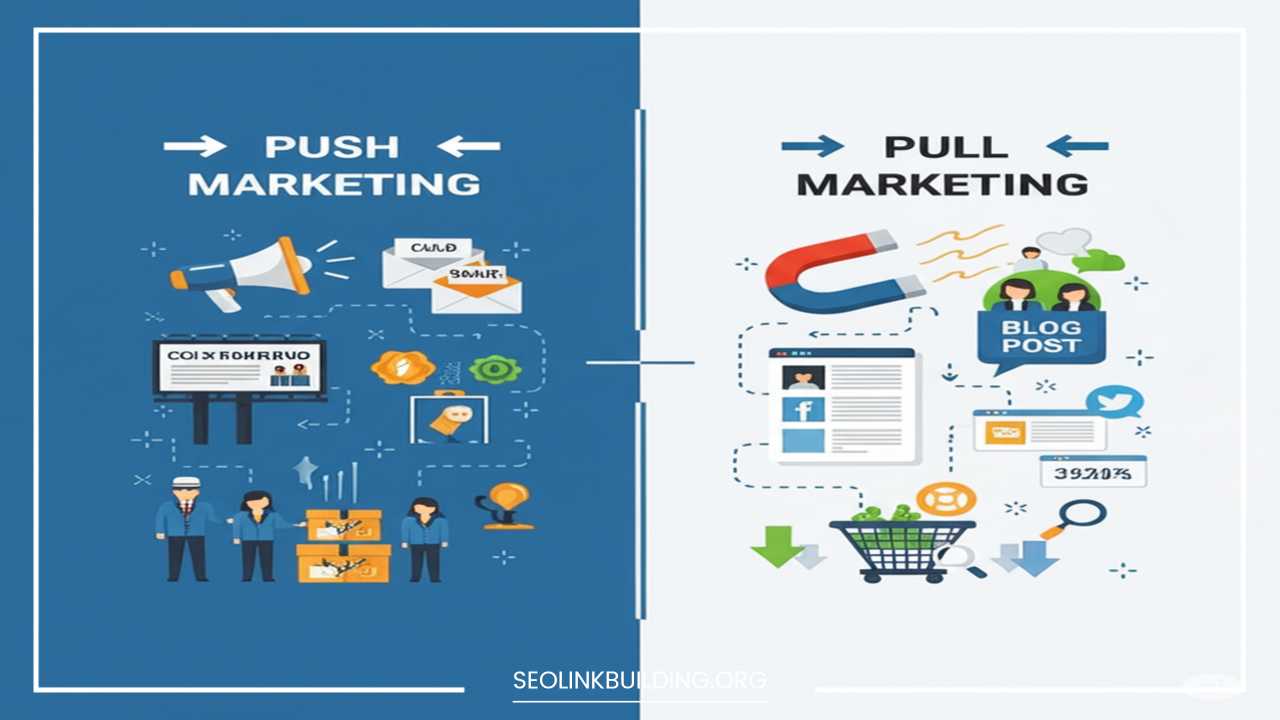
A push strategy is a promotional tactic that focuses on “pushing” a product through distribution channels to the consumer. The primary objective is to persuade intermediaries, such as wholesalers, distributors, and retailers, to carry and actively promote the product to their customers. In essence, the manufacturer pushes the product down the supply chain.
Examples of push strategies often involve direct engagement with channel partners. This can include:
- Trade Shows: Manufacturers showcase their products to potential buyers and distributors.
- Showrooms: Companies display their offerings to facilitate wholesale orders.
- Direct Selling to Customers: This includes strategies like telemarketing, door-to-door sales, or direct outreach by a sales force, where the product is directly presented and “pushed” to the consumer.
- Promotional Allowances and Incentives: Offering discounts, rebates, or training programs to retailers to encourage them to stock and promote the product.
- Co-operative Advertising: Sharing advertising costs with retailers to promote the product locally.
Pull Strategy
Conversely, a pull strategy aims to create such strong consumer demand that customers actively seek out the product, thereby “pulling” it through the distribution channel. The focus shifts from pushing the product onto intermediaries to creating a desire among end-users.
Examples of pull strategies are often consumer-facing and include:
- Mass Media Advertising: Extensive television, radio, print, and online campaigns designed to build brand awareness and desire.
- Word-of-Mouth Marketing: Generating excitement and positive buzz around a product, often through influencer marketing, public relations, or exceptional customer experiences.
- Brand Loyalty Programs: Rewards programs and exclusive content that foster repeat purchases and advocacy.
- Social Media Marketing: Engaging with consumers directly on social platforms to build community and drive demand.
- Content Marketing: Creating valuable and engaging content (blogs, videos, guides) that attracts and informs potential customers, leading them to seek out the product.
Applications in Marketing
The distinction between push and pull strategies is particularly evident in their application within marketing.
Push in Marketing
In a marketing context, a push strategy involves directing promotional efforts towards the next immediate player in the distribution channel. The goal is to motivate these intermediaries to stock and sell the product.
- Promotional Tactics Targeting Distributors and Retailers: This includes offering attractive profit margins, providing extensive product training, creating engaging point-of-sale displays, and offering co-op advertising funds. Sales representatives play a crucial role in building relationships with channel partners and ensuring product placement.
- Use in B2B Sales: Push strategies are highly prevalent in Business-to-Business (B2B) sales. A software company, for instance, might directly sell its enterprise solutions to other businesses through a dedicated sales team, often involving extensive demonstrations, personalized pitches, and negotiation. Similarly, a component manufacturer would push its products to other manufacturers who incorporate them into their final goods.
Pull in Marketing
Pull marketing, on the other hand, bypasses the direct persuasion of intermediaries and instead focuses on building direct demand from the end consumer.
- Customer-Driven Marketing Strategies: This involves creating a compelling brand story, leveraging emotional appeals, and highlighting unique product benefits that resonate with the target audience. The aim is to make the product so desirable that consumers actively ask for it at their local stores or search for it online.
- Importance in Brand-Building and Customer Loyalty: Pull strategies are paramount for long-term brand buildingrong>. By fostering a strong brand image and delivering consistent value, companies can cultivate customer loyalty, leading to repeat purchases and positive word-of-mouth. Think of iconic brands that have achieved near-cult followings; their success is largely due to effective pull marketing that has created a powerful connection with consumers.
Applications in Supply Chain Management
Beyond marketing, push and pull strategies profoundly impact how goods flow through the supply chain.
Push in Supply Chain
A push-based supply chain operates on a forecast-driven model. Production and inventory decisions are made based on anticipated demand, which is then “pushed” down the supply chain.
- Forecast-Based Inventory Planning: Manufacturers produce goods in anticipation of future sales, often in large batches to achieve economies of scale. These goods are then stocked in warehouses and distributed to retailers based on projected demand.
- Pros:
- Efficiency and Scale: Large-batch production can lead to lower per-unit costs and improved manufacturing efficiency.
- Availability: Products are readily available when demand materializes, reducing the risk of stockouts for popular items.
- Predictable Production: Easier to plan production schedules and resource allocation.
- Cons:
- Overproduction and Obsolescence: Inaccurate forecasts can lead to excess inventory, tying up capital and potentially resulting in obsolete stock if demand shifts.
- High Inventory Carrying Costs: Storage, insurance, and the risk of damage or theft contribute to significant costs.
- Lack of Responsiveness: Slower to react to sudden changes in consumer preferences or market conditions.
Pull in Supply Chain
A pull-based supply chain, conversely, is demand-driven. Production and distribution are triggered by actual customer orders or consumption, often referred to as a “just-in-time” (JIT) system.
- Demand-Driven Production (Just-In-Time Systems): Products are only manufactured or procured when there is a confirmed customer order or when inventory levels fall below a predetermined reorder point. This minimizes inventory holding.
- Pros:
- Reduced Waste and Inventory: Minimizes excess stock, leading to lower carrying costs and reduced risk of obsolescence.
- Better Responsiveness: Highly adaptable to changes in demand, allowing companies to quickly adjust production to meet customer needs.
- Improved Cash Flow: Less capital is tied up in inventory.
- Cons:
- Reliance on Accurate Demand Signals: Requires robust systems for real-time demand sensing and communication throughout the supply chain.
- Risk of Stockouts: If demand surges unexpectedly and the supply chain cannot react quickly enough, stockouts can occur, leading to lost sales and customer dissatisfaction.
- Complexity: Requires tight coordination and strong relationships with suppliers.
Key Differences Between Push and Pull Strategies
The fundamental differences between push and pull strategies can be summarized in the following table:
| Feature | Push Strategy | Pull Strategy |
| Objective | To move products to the customer. | To get customers to demand the product. |
| Direction | From manufacturer to consumer (via intermediaries). | From consumer to manufacturer. |
| Tools Used | Trade promotions, sales force, direct selling. | Advertising, public relations, social media, branding. |
| Focus | Channel partners (wholesalers, retailers). | End consumers. |
| Inventory | Higher inventory levels (forecast-driven). | Lower inventory levels (demand-driven). |
| Risk | Risk of overproduction, obsolescence. | Risk of stockouts if demand not met. |
| Cost Implications | Higher inventory carrying costs, trade promotion expenses. | Higher marketing and advertising expenses. |
The context in which each strategy is more effective is crucial. Push strategies often work best for new products that need to gain distribution quickly, or for products with a clear and easily identifiable target market that can be reached through direct sales or channel incentives. Pull strategies are ideal for established brands, products with strong consumer appeal, or when building long-term brand equity is a priority.
It’s also important to note that many successful businesses employ hybrid strategies, combining elements of both push and pull to optimize their operations and market reach.
Industry Examples
To further illustrate these concepts, let’s look at real-world examples across various industries.
Push Example: FMCG Companies Pushing Products to Retailers
Fast-Moving Consumer Goods (FMCG) companies like Unilever, Procter & Gamble, and Nestle are classic examples of businesses that heavily rely on push strategies. These companies produce a vast array of products (shampoos, detergents, food items) that require widespread distribution to be accessible to consumers.
- Mechanism: They employ large sales forces that directly engage with supermarkets, hypermarkets, and smaller retail outlets. They offer trade discounts, shelf-space allowances, attractive payment terms, and co-marketing initiatives to ensure their products are prominently displayed and well-stocked. The goal is to secure as much shelf space as possible and encourage retailers to actively promote their brands through in-store promotions and circulars. The consumer might not actively seek out a specific brand of detergent initially, but its presence on the shelf and potential price promotions “push” them towards a purchase.
Pull Example: Apple Creating Hype and Demand Through Marketing
Apple Inc. is a quintessential example of a company that masterfully employs pull strategies. Before a new iPhone or MacBook even hits the market, Apple generates immense consumer excitement and anticipation.
- Mechanism: Through meticulously crafted product launch events, extensive media coverage, and highly effective advertising campaigns, Apple creates a powerful desire for its products. Consumers are so eager to get their hands on the latest Apple device that they line up outside stores on launch day, pre-order products online, and actively seek out information and reviews. This strong consumer demand effectively “pulls” the products through the distribution channels. Retailers and resellers are eager to stock Apple products because they know consumers will actively come looking for them.
Examples Across Different Industries
- Retail (Hybrid): A clothing brand like Zara uses a hybrid approach. Their supply chain is highly pull-based, reacting quickly to consumer trends and producing small batches of clothing based on actual demand. However, they also employ push tactics by ensuring their latest collections are prominently displayed in their physical stores, tempting shoppers with immediate availability.
- Tech (Software): A new SaaS (Software as a Service) startup might initially use a push strategy, with a sales team directly reaching out to potential corporate clients, offering demos, and tailoring solutions. Once established, they might shift to a more pull-based approach, relying on inbound marketing (content, SEO) and word-of-mouth referrals to attract new users.
- Automotive: Luxury car manufacturers often use a blend. They push new models to dealerships, offering incentives for sales and training for staff. Simultaneously, they invest heavily in pull marketing—aspirational advertising, exclusive events, and brand experiences—to create a desire among high-net-worth individuals to own their vehicles.
- E-commerce: Online retailers like Amazon heavily rely on pull strategies. Their extensive product selection, competitive pricing, and efficient delivery pull customers to their platform. However, they also employ push tactics through personalized recommendations, email marketing, and sponsored product placements that “push” specific items to users.
When to Use Push vs. Pull Strategies
The decision of whether to employ a push or pull strategy, or a combination of both, depends heavily on several factors:
- Business Maturity:
- Startups: Often need a push strategy initially to gain market entry and establish distribution. They may not have the brand recognition to generate significant pull immediately.
- Established Brands: Can leverage their existing brand equity and customer base to effectively implement pull strategies.
- Product Lifecycle Stage:
- Introduction Phase: Push strategies are often crucial to get a new product onto shelves and in front of consumers.
- Growth and Maturity Phases: As products gain traction, a shift towards more pull-oriented strategies can be beneficial to build brand loyalty and sustain demand.
- Decline Phase: A push strategy might be used to clear out remaining inventory or promote a discounted product.
- Market Conditions and Consumer Behavior:
- Highly Competitive Markets: May require aggressive push strategies to gain shelf space and consumer attention.
- Niche Markets: Where customers actively seek out specialized products, a pull strategy can be highly effective.
- Impulse Purchase Products: Often benefit from strong push strategies (e.g., prominent display at checkout).
- High-Involvement Products: (e.g., cars, electronics) often require a combination of pull (brand building) and push (salesperson engagement).
- Resource Availability and Forecasting Capabilities:
- Companies with limited marketing budgets might lean towards more targeted push strategies.
- Businesses with sophisticated data analytics and accurate forecasting can effectively manage pull-based supply chains.
Advantages and Disadvantages
Both strategies come with their own set of pros and cons that businesses must weigh carefully.
Push Strategy Pros & Cons:
- Pros:
- Faster Market Penetration: Enables quick distribution and visibility for new products.
- Immediate Sales: Can generate sales quickly through direct promotion and incentives.
- Effective for Impulse Buys: Works well for products where consumers make quick decisions.
- Reduced Marketing Costs for End Consumers: The focus is on channel partners, potentially lowering broad advertising spend.
- Stronger Channel Relationships: Builds close ties with distributors and retailers.
- Cons:
- Inventory Risks: High risk of overproduction, obsolescence, and increased carrying costs if forecasts are inaccurate.
- Reliance on Intermediaries: Success heavily depends on the willingness and effectiveness of channel partners.
- Limited Brand Control: Less direct control over how the product is presented to the end consumer.
- Potential for Price Wars: Retailers may engage in price competition to move stock, eroding profit margins.
Pull Strategy Pros & Cons:
- Pros:
- Cost-Effective in the Long Run: Once demand is established, the product effectively sells itself, reducing the need for constant direct pushing.
- Strong Brand Building: Fosters customer loyalty and a powerful brand image.
- Improved Cash Flow: Lower inventory holding costs.
- Greater Responsiveness to Demand: Production can be scaled up or down based on real-time consumer interest.
- Higher Profit Margins: Reduced reliance on promotional incentives for intermediaries.
- Cons:
- Requires Strong Brand and Marketing: Significant upfront investment in advertising, PR, and brand development is often necessary.
- Slower Initial Sales: Takes time to build awareness and generate sufficient demand.
- Risk of Stockouts: If demand outstrips supply, it can lead to customer frustration and lost sales.
- Difficulty for New/Unknown Products: Hard to generate pull for products consumers aren’t already aware of.
Emerging Trends and Hybrid Approaches
The modern business landscape is rarely black and white, and the lines between push and pull strategies are increasingly blurring. The most successful companies often employ sophisticated hybrid models, dynamically adjusting their approach based on market signals and technological advancements.
- Combining Push and Pull: Many businesses are adopting a “push-based production, pull-based marketing” approach. This means they might produce goods in anticipation of demand (push), but then use strong marketing campaigns to create customer desire and pull those products through the distribution channels. A classic example is the fashion industry: manufacturers might push new collections to retailers, but then use celebrity endorsements and social media campaigns to generate consumer pull.
- Role of Data, AI, and Real-Time Analytics: The advent of big data, artificial intelligence (AI), and advanced analytics is revolutionizing both push and pull strategies.
- Enhanced Push: AI can improve forecasting accuracy, allowing businesses to push the right amount of product to the right locations, minimizing waste.
- Optimized Pull: Real-time data from online searches, social media trends, and purchase patterns enables companies to fine-tune their pull marketing campaigns, targeting consumers with highly relevant messages at the opportune moment. AI-driven personalization engines are a prime example of this.
- Case Studies of Hybrid Models:
- Amazon: While primarily a pull-based e-commerce platform (customers come to them), Amazon also employs sophisticated push tactics. Their “Customers who bought this also bought…” recommendations, personalized email offers, and sponsored product ads actively push items to users based on their Browse history and purchase patterns. Their fulfillment centers operate on a push model of inventory, but the demand signals for that inventory are largely pulled from customer behavior.
- Zara: As mentioned earlier, Zara’s quick-response supply chain is a prime example of a pull-based manufacturing system, reacting to real-time fashion trends. However, their visually appealing store displays and frequent new arrivals serve as a powerful push mechanism, enticing customers to make impulse purchases.
- Dell: In its early days, Dell was a strong example of a pull strategy for PCs – customers would configure and order a computer online, and then it would be built to order. This was a purely demand-driven, pull-based manufacturing system. Over time, Dell has adopted hybrid models, pushing certain popular configurations to retailers while maintaining its build-to-order capability.
Final Thoughts
Ppush and pull strategies represent two fundamental approaches to bringing products to market, each with distinct characteristics, advantages, and disadvantages. A push strategy emphasizes moving products to the customer through intermediaries and direct selling, relying on incentives and strong channel relationships. Conversely, a pull strategy focuses on creating consumer demand that draws products through the supply chain, leveraging powerful marketing and brand building.
The choice between a pure push or pull strategy is rarely straightforward and, in today’s interconnected world, increasingly obsolete. The most successful businesses understand the nuances of both and skillfully blend them into hybrid models. This requires a deep analysis of one’s own business maturity, product lifecycle stage, prevailing market conditions, consumer behavior, and available resources.
Ultimately, the key lies in flexibility and a willingness to adapt. By continually analyzing market signals, leveraging data and technology, and understanding their unique value proposition, businesses can strategically deploy push, pull, or a combination of both to optimize their operations, enhance customer satisfaction, and achieve sustainable growth.