Difference Between Digital Marketing and Social Media Marketing

The Digital Tapestry vs. The Social Thread: Unpacking the Differences Between Digital Marketing and Social Media Marketing
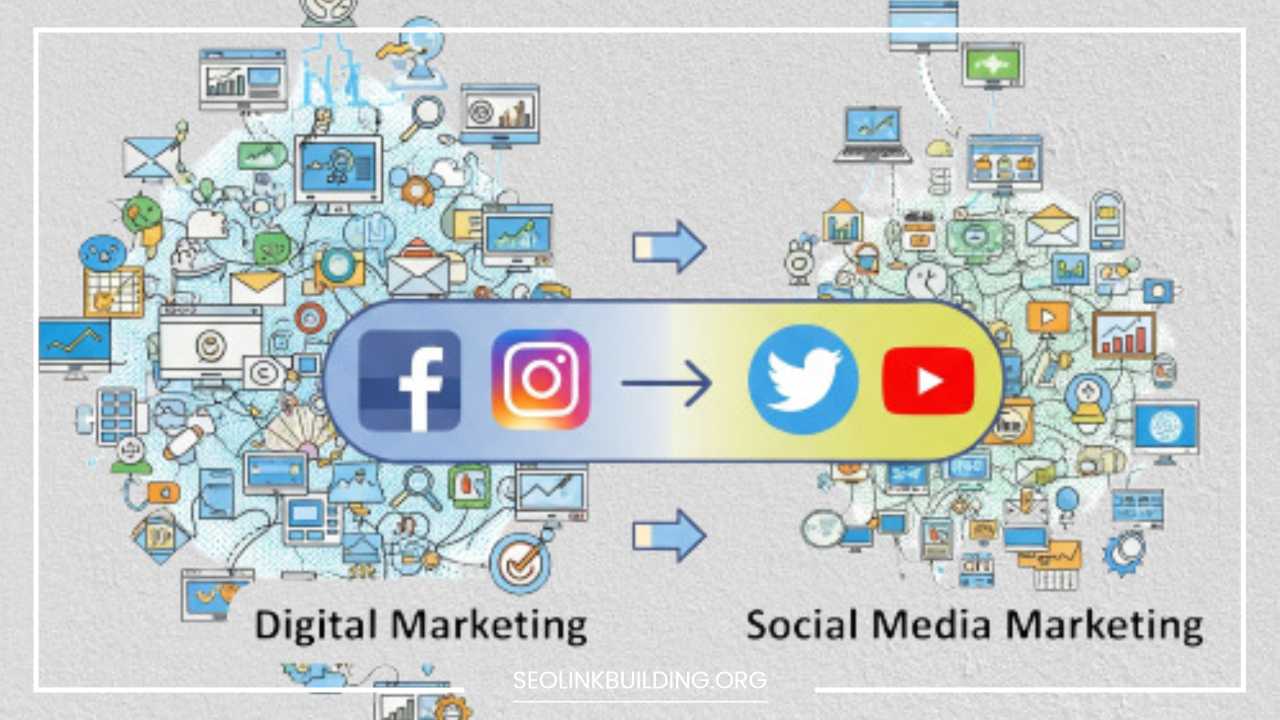
In today’s interconnected world, the terms “digital marketing” and “social media marketing” are often used interchangeably, creating a blurred understanding of their distinct roles and functionalities. While undeniably intertwined, treating them as synonyms is akin to confusing an entire orchestra with a single instrument.
Digital marketing encompasses the vast symphony of online strategies, while social media marketing is a powerful, yet specific, movement within that grand composition. Understanding this fundamental difference is not merely an academic exercise; it’s a strategic imperative for businesses aiming to effectively navigate the digital landscape and achieve their marketing objectives.
This article will delve deep into the core distinctions between digital marketing and social media marketing, exploring their scope, objectives, channels, strategies, measurement, and ultimately, their symbiotic relationship. By the end, readers will possess a clear, actionable understanding of how to leverage each discipline optimally for sustainable growth in the digital age.
The Grand Overture: Defining Digital Marketing
Digital marketing, at its heart, is an umbrella term encompassing all marketing efforts that utilize an electronic device or the internet. It’s the overarching strategy that leverages a multitude of online channels to connect with current and prospective customers. Think of it as the strategic blueprint for a business’s entire online presence, designed to achieve a wide array of goals from brand awareness to lead generation and sales.
Key characteristics of Digital Marketing:
- Broad Scope: Digital marketing isn’t limited to a single platform or tactic. It incorporates a diverse range of online channels and strategies.
- Customer-Centric: Its primary aim is to reach and engage with target audiences where they spend their time online.
- Measurable: One of its significant advantages is the ability to track and analyze almost every aspect of a campaign, allowing for data-driven optimization.
- Dynamic and Evolving: The digital landscape is constantly changing, requiring digital marketers to be agile and adapt to new technologies, platforms, and consumer behaviors.
- Results-Oriented: While building brand awareness is a component, the ultimate goal is often to drive tangible business outcomes.
The Melody of Connection: Defining Social Media Marketing
Social media marketing, on the other hand, is a specialized subset of digital marketing that focuses specifically on leveraging social media platforms to connect with audiences and build brand awareness, drive traffic, generate leads, and foster customer relationships. It’s about engaging in conversations, sharing valuable content, and building a community around a brand.
Key characteristics of Social Media Marketing:
- Platform-Specific: It operates primarily within the confines of social media networks like Facebook, Instagram, Twitter, LinkedIn, TikTok, and YouTube.
- Interactive and Conversational: Its strength lies in its ability to facilitate two-way communication and foster direct engagement with customers.
- Community Building: A core objective is to cultivate a loyal community around a brand, encouraging advocacy and organic reach.
- Content-Driven: Success hinges on creating and sharing compelling content – be it text, images, videos, or live streams – that resonates with the target audience.
- Relationship-Focused: While sales can be an outcome, a primary focus is on building and nurturing relationships with customers and prospects.
Unpacking the Differences: A Deep Dive into Key Dimensions
Now, let’s dissect the core distinctions between these two vital marketing disciplines across various critical dimensions:
1. Scope and Breadth: The Ecosystem vs. The Platform
-
Digital Marketing: Encompasses the entire digital ecosystem. This includes not just social media but also search engines, email inboxes, websites, mobile apps, and various display advertising networks. It’s about optimizing a brand’s presence across all these digital touchpoints to create a cohesive and impactful online journey for the customer.
- Example: A digital marketing strategy might involve optimizing a website for search engines (SEO), running Google Ads (SEM), sending out email newsletters, and simultaneously managing social media profiles.
-
Social Media Marketing: Operates within the specific confines of social media platforms. While it leverages these platforms strategically, its scope is inherently limited to the features and functionalities offered by each network.
- Example: A social media marketing campaign might focus on creating engaging video content for TikTok, running targeted ads on Facebook, and hosting a Q&A session on Instagram Live.
2. Objectives: The Holistic Journey vs. The Engagement Nexus
-
Digital Marketing: Aims for a diverse range of objectives, often encompassing the entire marketing funnel. These can include:
- Brand Awareness: Building recognition and recall.
- Lead Generation: Capturing contact information of potential customers.
- Sales/Conversions: Driving direct purchases or desired actions.
- Website Traffic: Directing users to a brand’s owned digital properties.
- Customer Acquisition and Retention: Gaining new customers and keeping existing ones loyal.
- Market Research: Gathering insights into consumer behavior.
- Example: A digital marketing campaign’s ultimate objective could be to increase online sales by 20% within a quarter, utilizing a combination of SEO, email marketing, and paid advertising.
-
Social Media Marketing: While contributing to broader digital marketing objectives, its immediate goals are often more focused on interaction and community building:
- Brand Engagement: Fostering interactions, likes, comments, and shares.
- Community Building: Cultivating a loyal following and encouraging user-generated content.
- Customer Service/Support: Providing a direct channel for customer inquiries and feedback.
- Driving Website Traffic: Directing social media users to specific landing pages or product listings.
- Influencer Marketing: Collaborating with social media personalities to reach new audiences.
- Example: A social media marketing campaign might aim to increase brand engagement on Instagram by 50% through contests and interactive stories, ultimately driving traffic to a new product launch page.
3. Channels and Platforms: The Multi-Verse vs. The Social Spheres
-
Digital Marketing: Utilizes a vast array of channels, including:
- Search Engine Optimization (SEO): Optimizing content to rank higher in search engine results.
- Search Engine Marketing (SEM): Paid advertising on search engines (e.g., Google Ads).
- Content Marketing: Creating and distributing valuable,1 relevant, and consistent content to attract and retain a clearly defined audience2 (e.g., blog posts, e-books, whitepapers).
- Email Marketing: Sending targeted emails to prospects and customers.
- Affiliate Marketing: Partnering with other websites or individuals to promote products or services.
- Display Advertising: Visual ads placed on websites and apps.
- Mobile Marketing: Reaching audiences through mobile devices (e.g., SMS marketing, app notifications).
- Video Marketing: Utilizing video content across various platforms (e.g., YouTube, Vimeo, company website).
- Example: A digital marketer might run a comprehensive campaign involving Google Search Ads for immediate visibility, SEO for long-term organic traffic, email marketing for lead nurturing, and a blog for thought leadership.
-
Social Media Marketing: Is confined to social media platforms, such as:
- Facebook: Broad audience reach, diverse ad formats, community groups.
- Instagram: Visually-driven, strong for lifestyle brands, influencer marketing.
- Twitter (X): Real-time conversations, news dissemination, customer service.
- LinkedIn: Professional networking, B2B marketing, thought leadership.
- TikTok: Short-form video, trending content, youth demographic.
- YouTube: Video content, tutorials, entertainment, live streaming.
- Pinterest: Visual discovery, e-commerce integration, niche communities.
- Example: A social media marketer focuses on creating engaging Reels for Instagram, running targeted video ads on YouTube, and participating in relevant LinkedIn groups.
4. Strategy and Tactics: The Holistic Approach vs. The Engagement Playbook
-
Digital Marketing: Involves a holistic strategy that integrates various channels to create a seamless customer journey. The tactics are varied and chosen based on the overall marketing objectives. It’s about designing a funnel that guides the customer from awareness to conversion.
- Tactics: Keyword research, landing page optimization, A/B testing email subject lines, retargeting website visitors with display ads, creating comprehensive content calendars.
- Example: A digital marketing strategy for a new SaaS product might involve a launch sequence of press releases, SEO-optimized blog posts explaining features, targeted LinkedIn ads to decision-makers, and a series of email drip campaigns to nurture leads from a webinar.
-
Social Media Marketing: Employs strategies specifically designed to leverage the unique features and user behavior of social platforms. The focus is on fostering interactions, building communities, and distributing content effectively within those environments.
- Tactics: Content creation tailored to platform algorithms, scheduling posts for optimal engagement, running contests and giveaways, engaging in direct messages, monitoring social mentions, live streaming, collaborating with influencers.
- Example: A social media marketing strategy for a fashion brand might involve daily Instagram stories showcasing new arrivals, Reels demonstrating outfit styling, running user-generated content campaigns, and collaborating with fashion influencers for sponsored posts.
5. Measurement and Analytics: The Comprehensive Dashboard vs. The Platform Insights
-
Digital Marketing: Utilizes a wide range of analytical tools to track performance across all digital channels. This allows for a comprehensive understanding of the customer journey and the ROI of various initiatives.
- Metrics: Website traffic (unique visitors, page views, bounce rate), conversion rates, cost per lead (CPL), customer acquisition cost (CAC), return on ad spend (ROAS), email open rates, click-through rates, search engine rankings.
- Tools: Google Analytics, Adobe Analytics, marketing automation platforms, CRM systems, specialized SEO tools.
- Example: A digital marketing report would show the traffic sources to the website, which pages convert best, the effectiveness of different ad campaigns, and the overall customer lifetime value.
-
Social Media Marketing: Relies on the analytics provided by each social media platform, as well as third-party social media management tools. While valuable, these insights are generally confined to the specific platform’s performance.
- Metrics: Reach, impressions, engagement rate (likes, comments, shares), follower growth, video views, click-throughs from social posts, sentiment analysis, demographic insights of followers.
- Tools: Facebook Insights, Instagram Insights, Twitter Analytics, LinkedIn Analytics, Hootsuite, Sprout Social.
- Example: A social media marketing report would detail the reach of Instagram posts, the engagement on Facebook videos, and the growth of TikTok followers, indicating which content formats perform best on each platform.
6. Time Horizon and Impact: The Long Game vs. The Immediate Pulse
-
Digital Marketing: Often involves both short-term and long-term strategies. SEO, for instance, is a long-term play that builds organic authority over time, while paid advertising can deliver immediate results. The cumulative effect of integrated digital marketing efforts builds sustainable growth.
- Example: An SEO strategy might take 6-12 months to show significant organic ranking improvements, but once established, it provides a consistent stream of free traffic.
-
Social Media Marketing: Can yield immediate results in terms of engagement and virality, especially with trending content or well-executed campaigns. However, its impact can also be more fleeting, as social media algorithms constantly change, and trends evolve rapidly. Maintaining consistent engagement requires continuous effort.
- Example: A viral TikTok video can generate millions of views and followers overnight, but sustaining that level of engagement requires continuous content creation and adaptation to new trends.
The Symbiotic Relationship: Why They Need Each Other
Despite their distinct characteristics, digital marketing and social media marketing are not mutually exclusive; they are profoundly symbiotic. One often amplifies the effectiveness of the other, creating a more robust and comprehensive marketing strategy.
-
Social Media Feeds Digital Marketing: Social media platforms are powerful discovery engines. They drive traffic to websites, blog posts, and landing pages – critical components of a broader digital marketing strategy. Social proof and engagement on social media can enhance the credibility and trust in a brand, improving conversion rates on other digital channels. Social listening, a key aspect of social media marketing, provides invaluable insights into consumer sentiment and trends, which can then inform content marketing and product development within the broader digital marketing strategy.
-
Digital Marketing Fuels Social Media Marketing: A strong digital marketing foundation provides the necessary infrastructure for effective social media marketing. A well-optimized website with valuable content gives social media marketers something meaningful to promote. Email marketing can be used to notify subscribers about new social media content or campaigns. Paid advertising on other digital channels can drive traffic to social media profiles, helping to grow follower counts and engagement. SEO ensures that a brand’s overall online presence is discoverable, which can indirectly lead to more social media interactions.
Final Thoughts: Orchestrating Your Digital Success
In the dynamic world of online commerce, understanding the nuanced differences between digital marketing and social media marketing is paramount. Digital marketing is the grand conductor, orchestrating a diverse array of instruments (channels) to create a harmonious and impactful online presence. Social media marketing is a vital and powerful section within that orchestra, capable of delivering unique melodies of connection, engagement, and community.
Businesses that recognize and strategically leverage both will be the ones that truly thrive. A holistic digital marketing strategy integrates social media marketing seamlessly, using it not as an isolated tactic but as an integral component of a larger, interconnected ecosystem.
By embracing this understanding, marketers can move beyond the superficial and build truly effective, data-driven strategies that resonate with their audiences, drive tangible results, and secure a sustainable competitive advantage in the ever-evolving digital landscape. The future of marketing lies not in choosing between these two, but in mastering the art of integrating them into a cohesive and powerful force for growth.