Difference Between Advertising and Promotion

Unraveling the Threads: A Deep Dive into the Differences Between Advertising and Promotion
In the dynamic and often convoluted world of marketing, certain terms are frequently used interchangeably, leading to confusion not just for laypeople but sometimes even for aspiring professionals.
Among the most commonly conflated concepts are “advertising” and “promotion.” While both are integral components of a company’s overall marketing strategy, aimed at driving awareness and sales, they possess distinct characteristics, objectives, methodologies, and strategic implications.
Understanding these nuances is crucial for crafting effective marketing campaigns that deliver optimal results and build sustainable brand value.
This article will meticulously dissect advertising and promotion, exploring their individual definitions, core objectives, typical methodologies, strategic roles, and crucially, how they differ yet synergize within the broader marketing framework, often referred to as the “Promotional Mix.”
The Big Picture: The Promotional Mix
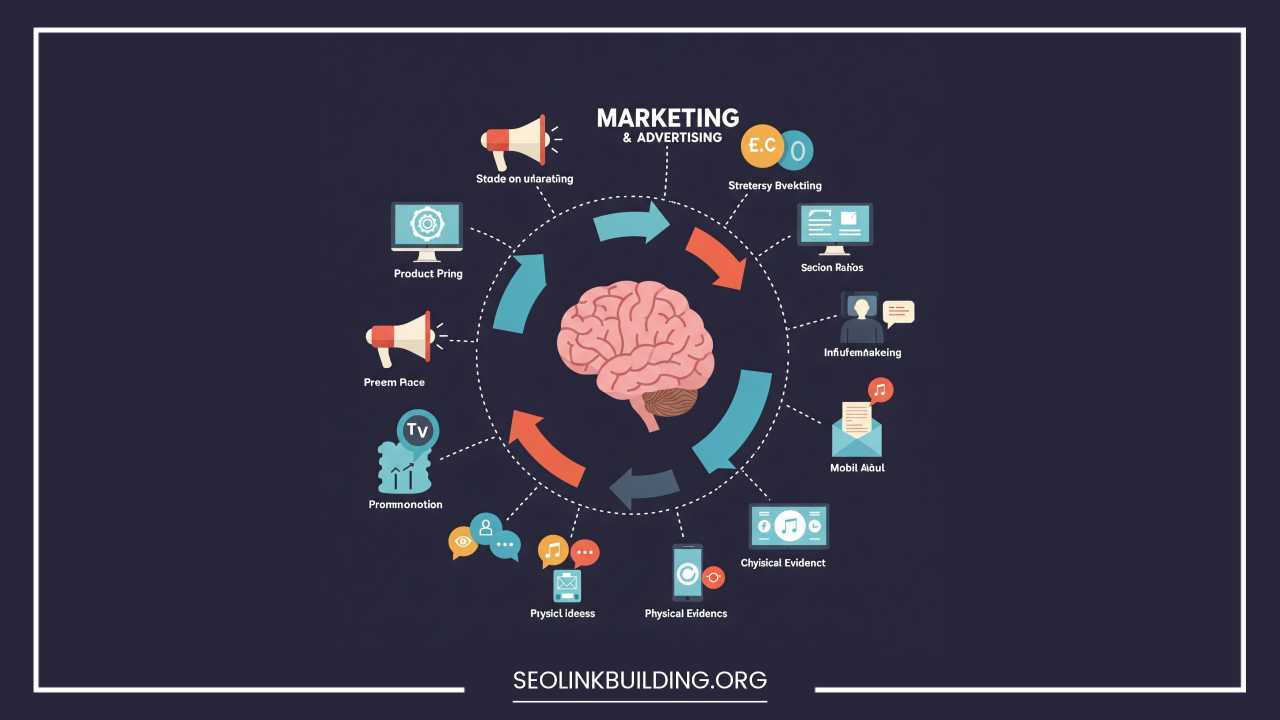
Before delving into advertising versus promotion (specifically, sales promotion, which is usually what people mean when they make this comparison), it’s essential to understand the overarching concept of the “Promotional Mix” (also known as the marketing communications mix). This is one of the “4 Ps” of marketing (Product, Price, Place, Promotion). The “Promotion P” encompasses a range of tools that companies use to communicate with their target audiences. The primary elements of the promotional mix are:
- Advertising: Paid, non-personal communication through various mass media to inform, persuade, or remind an audience about a product, service, or idea by an identified sponsor.
- Sales Promotion: Short-term incentives designed to encourage the immediate purchase or sale of a product or service.
- Public Relations (PR): Building good relations with the company’s various publics by obtaining favorable publicity,1 building up a good corporate image, and handling or heading off unfavorable rumors, stories, and events.
- Personal Selling: Personal presentation by the firm’s sales force for the purpose of making sales and building customer2 relationships.
- Direct Marketing: Direct connections with carefully targeted individual consumers to both obtain an immediate3 response and cultivate lasting customer relationships (e.g., direct mail, email marketing, telemarketing).
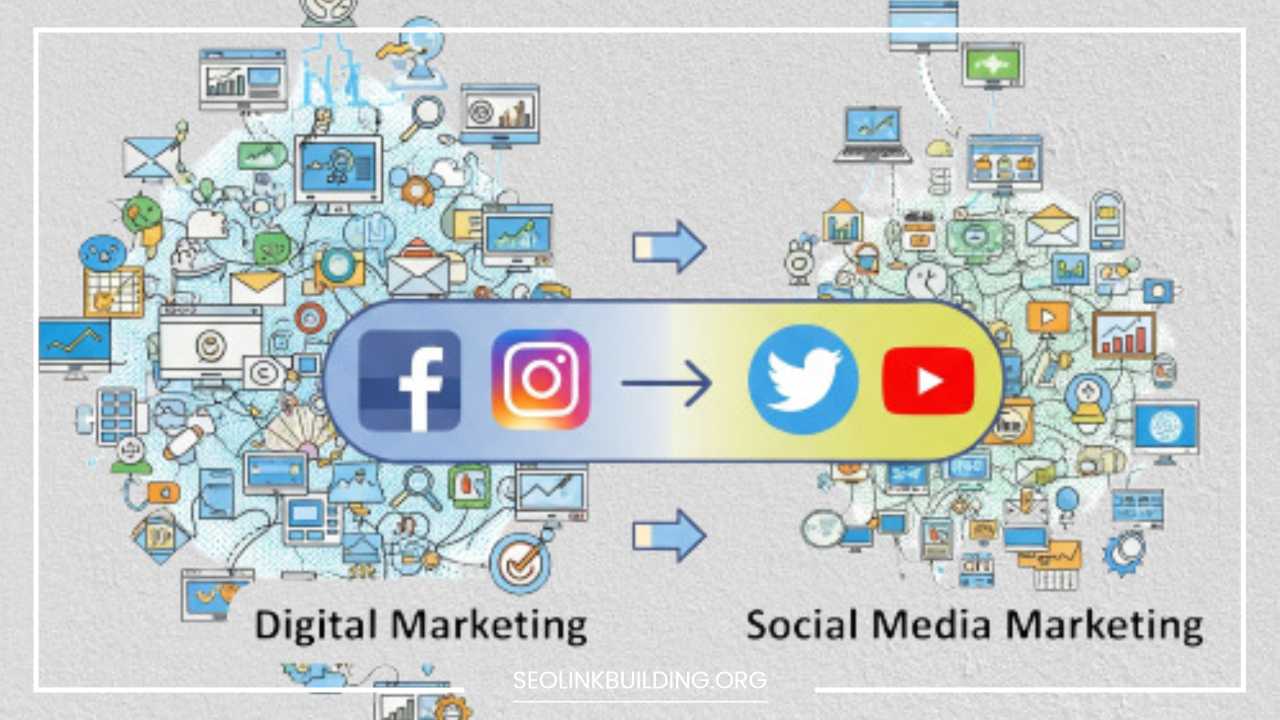
- Digital Marketing: A broad category that often overlaps with the above but specifically leverages digital channels like social media, search engines, websites, and mobile apps.
For the purpose of this article, when we refer to “promotion” in the context of “advertising vs. promotion,” we are primarily focusing on Sales Promotion, as this is where the most significant and practical distinctions lie. “Promotion” as the umbrella term (the “P” in the 4Ps) clearly includes advertising.
Defining Advertising: Crafting Perceptions, Building Brands
Advertising is perhaps the most visible and widely recognized element of the promotional mix. Its core characteristics can be broken down as follows:
- Paid Form: Advertisers pay for the space or time in the media where their message appears. This distinguishes it from publicity, which is often earned.
- Non-Personal Presentation: Advertising is directed at a mass audience, not individuals. The same message is typically delivered to a large group of people.
- Identified Sponsor: The source or sponsor of the advertising message is clearly identified. This transparency is crucial for accountability and brand association.
- Communication Through Mass Media: Advertising utilizes channels like television, radio, newspapers, magazines, billboards, cinema, and increasingly, digital platforms (search engines, social media, display networks).
- Persuasive Intent: The ultimate goal of most advertising is to influence the audience’s attitudes, beliefs, or behaviors – to persuade them to think favorably of a product or brand, and ultimately, to purchase it.
- Long-Term Focus: While some advertising aims for immediate action, a significant portion is designed for long-term brand building, creating awareness, establishing brand personality, and fostering customer loyalty over time.
Objectives of Advertising:
The objectives of advertising can be categorized based on the AIDA model (Awareness, Interest, Desire, Action) or other frameworks:
- Informative Advertising: Used heavily when introducing a new product category or to communicate specific information (e.g., product features, price changes, how a product works).
- Persuasive Advertising: Becomes more important as competition increases. The objective is to build selective demand for a brand by persuading consumers that it offers the best value or unique benefits. Comparative advertising falls under this.
- Reminder Advertising: Important for mature products. It helps to maintain customer relationships and keep consumers thinking about4 the product, especially during the off-season or to remind them where to buy it.
- Reinforcement Advertising: Aims to assure current purchasers that they have made the right choice, thereby reinforcing their brand loyalty.
- Brand Building: Perhaps the most crucial long-term objective, advertising helps create and maintain brand equity – the value a brand holds in the minds of consumers. This includes brand image, personality, and perceived quality.
- Differentiation: Highlighting unique selling propositions (USPs) to distinguish the brand from competitors.
Types of Advertising Media:
- Traditional Media: Television, radio, print (newspapers, magazines), Out-of-Home (OOH – billboards, transit ads).
- Digital Media: Search Engine Marketing (SEM), display advertising, social media advertising, native advertising, video advertising (e.g., YouTube ads), email advertising (distinct from direct email marketing for relationship building).
Strengths of Advertising:
- Broad reach, capable of reaching geographically dispersed audiences.
- High degree of creative control over the message.
- Effective for building long-term brand image and awareness.
- Can legitimize a product or company due to its public nature.
Limitations of Advertising:
- Can be very expensive, especially prime-time TV or large-scale digital campaigns.
- Impersonal, lacking direct interaction with consumers.
- Message clutter; audiences are bombarded with ads, leading to ad fatigue or avoidance.
- Difficult to directly measure sales impact for brand-building campaigns.
Defining Sales Promotion: Sparking Action, Driving Immediate Sales
Sales promotion refers to a variety of short-term incentives or techniques designed to encourage a quicker or greater purchase of a particular product or service by consumers or the trade. Its defining characteristics are:
- Short-Term Focus: Sales promotions are typically run for a limited period, creating a sense of urgency.
- Incentive-Based: They offer an extra reason to buy – a discount, a bonus item, a chance to win, etc.
- Direct Inducement: The goal is to elicit an immediate behavioral response, such as a trial, purchase, or increased purchase volume.
- Action-Oriented: Success is often measured directly by sales lift or other specific actions during the promotional period.
- Versatility: Can be targeted at consumers, the sales force, or distribution channel members (trade promotions).
Objectives of Sales Promotion:
- Stimulate Immediate Sales: This is the primary objective – to achieve a quick boost in sales figures.
- Encourage Product Trial: Entice new customers to try a product (e.g., through samples or introductory discounts).
- Attract Brand Switchers: Lure customers away from competitors by offering a superior deal.
- Reward Loyal Customers: Reinforce loyalty through programs or special offers for existing customers.
- Clear Out Old Inventory: Help sell off discontinued models or excess stock.
- Support Other Promotional Tools: Sales promotions can be used to support advertising campaigns or efforts by the sales force.
- Increase Off-Season Sales: Stimulate demand during slower periods.
- Gain Trade Support: Encourage retailers to stock a product, give it better shelf space, or promote it.
Types of Sales Promotion Techniques:
-
Consumer-Oriented Promotions:
- Discounts/Price-Offs: Temporary reductions in price.
- Coupons: Certificates offering a price reduction on a specific product.
- Rebates/Cash Back Offers: Refunds offered after purchase.
- Samples: Free or trial-size versions of a product.
- Premiums: Goods offered free or at a low cost as an incentive to buy a product (e.g., a toy in a cereal box).
- Contests and Sweepstakes: Opportunities to win prizes.
- Loyalty Programs: Rewards for repeat purchases.
- Point-of-Purchase (POP) Displays: In-store displays to attract attention and encourage impulse buys.
- Bonus Packs: Offering more product for the same price (e.g., 25% extra).
-
Trade-Oriented Promotions (Directed at Intermediaries like Retailers/Wholesalers):
- Trade Allowances: Price reductions, advertising allowances, or display allowances offered to retailers.
- Trade Shows and Conventions: Industry events to showcase products and network.
- Sales Contests: Incentives for salespeople or distributors to achieve sales targets.
- Cooperative Advertising: Manufacturer shares advertising costs with the retailer.
Strengths of Sales Promotion:
- Generates immediate, measurable sales impact.
- Effective in encouraging product trial and attracting new customers.
- Can create excitement and urgency around a product.
- Flexible and can be targeted effectively.
Limitations of Sales Promotion:
- Can devalue the brand if overused or if promotions are too deep (customers may wait for sales).
- Effects are often short-lived; sales may dip after the promotion ends.
- Can encourage brand switching for the wrong reasons (price rather than preference).
- Can be costly if not managed carefully.
- May not build long-term customer loyalty on its own.
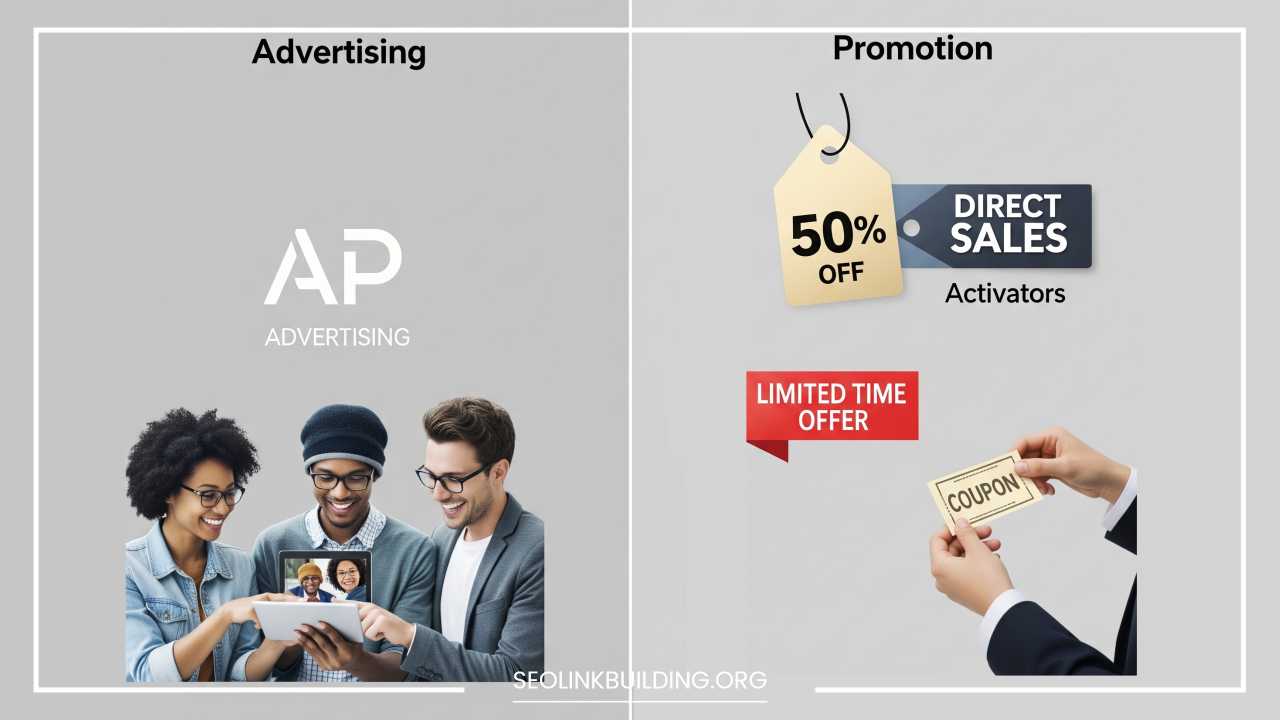
The Core Differences: Advertising vs. (Sales) Promotion Summarized
Now that we have a foundational understanding of each, let’s crystallize the key distinctions:
| Feature | Advertising | Sales Promotion |
| Primary Goal | Build brand awareness, image, preference (long-term) | Stimulate immediate sales, trial, action (short-term) |
| Time Horizon | Long-term strategy | Short-term tactics |
| Nature of Appeal | Emotional and rational (persuades over time) | Rational (offers immediate value/incentive) |
| Communication | Indirect (through mass media, one-way) | Direct inducement to act now |
| Message Focus | Brand benefits, story, image, USP | Offer, incentive, deal, urgency |
| Effect on Brand | Builds brand equity, loyalty, perceived value | Can temporarily boost sales but may erode brand equity if overused |
| Measurement | Harder to directly link to sales; measured by reach, recall, brand metrics | Easier to measure direct sales lift, redemption rates |
| Target Audience | Often broad, mass audiences | Can be broad or highly targeted (e.g., loyal customers) |
| Cost Implication | Often high upfront investment for media buys | Costs can be variable, tied to redemption/participation |
| Risk | Risk of campaign not resonating, message fatigue | Risk of training customers to wait for deals, devaluing brand |
| Control | High control over message content and placement | Control over the offer, but consumer response is key |
The Interplay and Synergy: How Advertising and Promotion Work Together
While distinct, advertising and sales promotion are not mutually exclusive; in fact, they are most effective when used synergistically as part of an integrated marketing communications (IMC) strategy.
-
Advertising Builds the Foundation, Promotion Activates It: Advertising often works to build brand awareness, create a positive image, and communicate product benefits. This makes the brand more recognizable and desirable. Sales promotions can then leverage this established brand equity to drive immediate action. For example, an advertisement might highlight the premium quality of a coffee brand, while a subsequent sales promotion (e.g., “20% off this week”) gives consumers an immediate reason to purchase that well-regarded brand.
-
Advertising to Announce Promotions: Advertising is frequently used to communicate sales promotion offers to a wider audience. A TV commercial or social media ad might announce a limited-time discount, a contest, or a special bundle, driving traffic to stores or websites where the promotion can be redeemed.
-
Promotions to Drive Trial for New Products: When launching a new product, advertising can create initial awareness and interest. Sales promotions like sampling, introductory discounts, or coupons can then lower the barrier to trial, encouraging consumers to experience the product firsthand. If the product delivers on its advertised promise, this can lead to repeat purchases and loyalty.
-
Maintaining Brand Presence: During periods of heavy promotional activity by competitors, a company might use advertising to maintain its brand presence and remind consumers of its core values, preventing its message from being drowned out by discount-focused communications.
-
Creating Excitement and Engagement: Combining creative advertising campaigns with engaging sales promotions (like contests or experiential events) can generate significant buzz and consumer involvement, far more than either could achieve in isolation.
Strategic Considerations: When to Emphasize Which Tool
The choice between emphasizing advertising or sales promotion (or the specific mix of both) depends on several factors:
-
Product Life Cycle Stage:
- Introduction: Heavy emphasis on advertising to build awareness, coupled with sales promotions (sampling, trial offers) to encourage initial adoption.
- Growth: Continued advertising to build brand preference, possibly with promotions to gain market share.
- Maturity: Advertising focuses on differentiation and reminding; sales promotions are used to maintain market share, encourage brand switching from competitors, and reward loyalty.
- Decline: Advertising is often reduced; sales promotions might be used heavily to clear inventory.
-
Marketing Objectives:
- If the goal is long-term brand building and market positioning, advertising takes precedence.
- If the goal is a quick sales boost, inventory clearance, or countering a competitor’s offer, sales promotion is key.
-
Nature of the Product:
- For high-involvement, differentiated products (e.g., cars, luxury goods), advertising plays a crucial role in conveying value and image.
- For low-involvement, impulse-buy products (e.g., FMCG), sales promotions at the point of purchase can be very effective.
-
Competitive Landscape: If competitors are heavily using sales promotions, a company might need to respond in kind or use advertising to reinforce its brand’s unique non-price benefits.
-
Budget: Advertising, especially through traditional mass media, can be expensive. Sales promotions can offer more directly measurable ROI for smaller budgets, though large-scale promotions also require significant investment.
-
Target Audience: The media consumption habits and price sensitivity of the target audience will influence the choice and design of both advertising messages and promotional offers.
The Evolving Landscape: Digital’s Impact
The rise of digital marketing has both blurred and sharpened the lines between advertising and promotion.
- Hyper-Targeting: Digital platforms allow for incredibly precise targeting for both ads (e.g., social media ads shown to specific demographics with certain interests) and promotions (e.g., personalized discount codes emailed to loyal customers).
- Measurability: Digital campaigns offer enhanced measurability for both. While attributing sales solely to a brand ad online is still complex, click-through rates, conversions, and engagement metrics provide more immediate feedback. Sales promotions conducted online (e.g., using a promo code at checkout) are directly trackable.
- Interactive Promotions: Digital channels enable innovative sales promotions like online contests, gamified experiences, and social media sharing incentives that are inherently more engaging than many traditional methods.
- Content Marketing as a Bridge: Content marketing (blogs, videos, articles) often serves an informative and brand-building role similar to advertising, but can also seamlessly integrate calls-to-action that are promotional in nature (e.g., “Download our free guide and get 10% off your first purchase”).
- Affiliate Marketing: This often blends advertising (promoting a product) with a direct sales incentive (commission for the affiliate, potential discount for the consumer).
Final Thoughts: Distinct Tools, United Purpose
In essence, advertising and sales promotion are two distinct yet complementary instruments in a marketer’s orchestra. Advertising is the art of crafting perception, telling a brand’s story, and building long-term affinity. It seeks to pull customers towards a brand by creating desire and recognition.
Sales promotion, on the other hand, is the science of incentive, providing a tangible, often immediate reason to buy. It aims to push products by making the purchase decision more attractive in the short term.
A common analogy is that advertising is like trying to get someone to want to come to your party by telling them how great it will be, who will be there, and the amazing atmosphere. Sales promotion is like offering them a “buy one, get one free” ticket or a free drink if they arrive before 9 PM. Both can get people to the party, but they work in different ways and contribute to different aspects of the event’s success.
The most successful marketing strategies understand the unique strengths and limitations of both advertising and sales promotion. They don’t treat them as interchangeable but rather as specialized tools to be deployed thoughtfully and often in concert, guided by clear objectives, a deep understanding of the target audience, and the overarching goal of driving sustainable business growth.
By orchestrating these elements effectively within the broader promotional mix, companies can not only achieve immediate sales targets but also build enduring brands that resonate with consumers long after the latest discount has expired.