
What is IMC in Marketing?

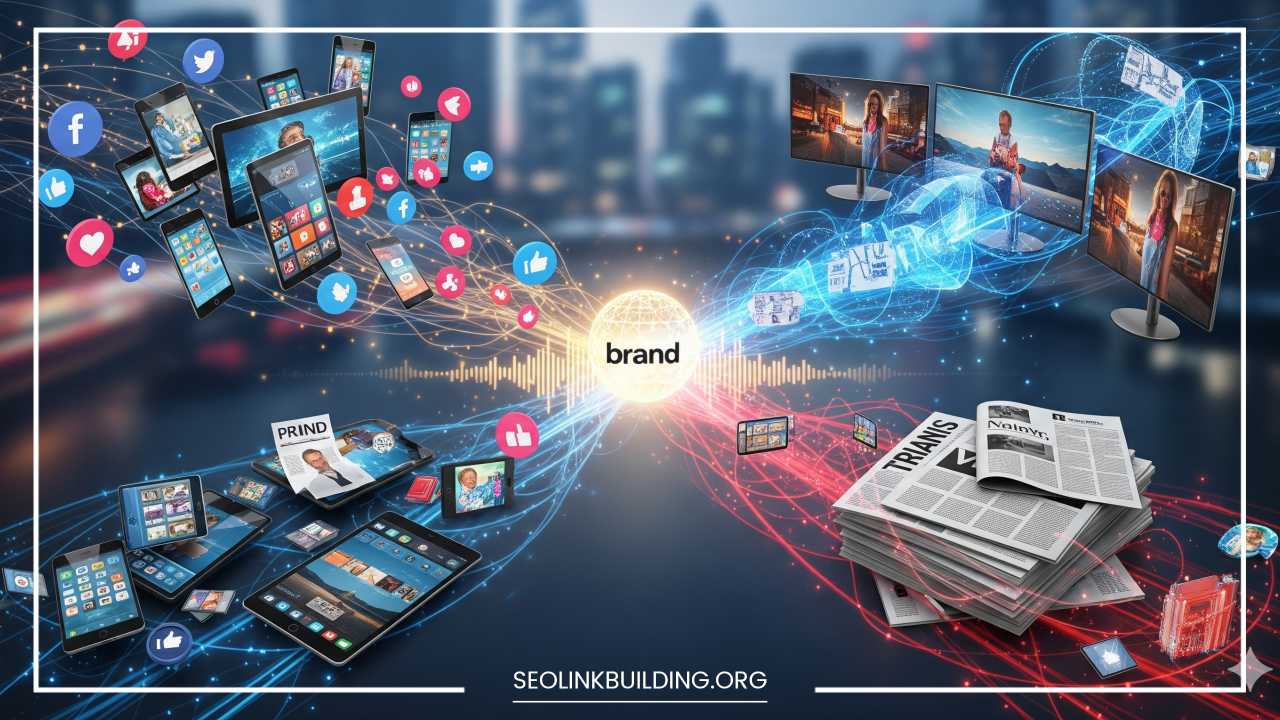
What is IMC in Marketing? | Definition, Importance & Benefits Explained
Welcome to the modern marketing landscape, where the noise is deafening and customer attention is the most valuable currency. In this cluttered environment, a brand’s ability to communicate a clear, consistent, and compelling message is paramount to its success. This is where Integrated Marketing Communications (IMC) steps in—a strategic approach that has evolved from a simple concept to a fundamental necessity for any business aiming to thrive. IMC isn’t just about sending out a message; it’s about orchestrating a symphony of communication channels to ensure every interaction a customer has with your brand is unified and reinforces your core identity.
In this comprehensive guide, we’ll delve deep into the world of IMC. We’ll explore its core definition, trace its evolution, and uncover its immense importance and tangible benefits. From understanding its key components and powerful strategies to navigating its challenges and examining real-world examples, this article will serve as your definitive resource. Whether you’re a marketing professional, a business owner, or a student, grasping the principles of IMC is no longer optional; it’s essential for building a strong, lasting brand in today’s interconnected world.
Definition of IMC (Integrated Marketing Communications)
At its core, Integrated Marketing Communications (IMC) is a strategic, collaborative, and promotional business function through which a company plans, develops, executes, and evaluates coordinated, measurable, persuasive brand communication programs over time to targeted audiences. Simply put, IMC is about aligning all your marketing channels—from traditional advertising to digital content and social media—to deliver a single, unified message. The goal is to create a seamless experience for the customer, no matter where they encounter your brand.
The core principle is that the whole is greater than the sum of its parts. By integrating and coordinating all communication efforts, a brand can achieve a synergistic effect, where each piece of the marketing mix reinforces the others, leading to a much stronger overall impact than any single channel could achieve on its own.
The key components of IMC are diverse and interconnected, representing the full spectrum of marketing tools available to a business.
- Advertising: This includes paid media such as television commercials, radio ads, print ads in magazines and newspapers, and online display ads.
- Sales Promotions: These are short-term incentives to encourage a purchase, such as discounts, coupons, contests, and free samples.
- Public Relations (PR): This focuses on building a positive public image and managing a brand’s reputation through press releases, media relations, and community involvement.
- Direct Marketing: This involves communicating directly with individual customers, often through email marketing, direct mail, and telemarketing.
- Digital Marketing: This is a broad category encompassing all online efforts, including search engine optimization (SEO), content marketing, email marketing, social media marketing, and online advertising.
- Personal Selling: This is a face-to-face interaction between a salesperson and a potential customer, used to build relationships and close sales.
All these components, when integrated effectively, work together to tell a cohesive brand story.
The Evolution of IMC
The concept of IMC didn’t just appear out of thin air; it emerged as a necessary response to a changing market. In the past, marketing was often a fragmented affair. Different departments within a company might handle advertising, sales, and public relations separately, often with their own budgets and objectives. The result was a disjointed brand message, where the TV commercial might tell one story, the direct mail campaign another, and the company’s PR team a third. This fragmented approach worked to some extent in a simpler market, but as competition grew and consumer sophistication increased, its inefficiencies became glaringly obvious.
The catalyst for the shift towards IMC was the rapid advancement of technology and the rise of digital media. The internet, social media, and mobile devices shattered the traditional marketing paradigm. Suddenly, customers were no longer passive recipients of information. They were empowered. They could search for information, compare products, read reviews, and interact directly with brands on a multitude of platforms.
This proliferation of channels made it impossible for brands to rely on a single, one-way message. Marketers realized they needed a new strategy to manage this complexity. They needed to ensure that whether a customer saw an ad on Instagram, read a blog post, or received an email, the message was consistent, relevant, and reinforced the brand’s core identity. The integration of technology and digital media became the driving force behind the development of IMC, transforming it from a theoretical concept into a strategic imperative for every forward-thinking business.
Importance of IMC in Marketing
The significance of IMC in modern marketing cannot be overstated. It’s the strategic foundation that allows a brand to not only survive but also to flourish in a crowded, competitive market.
One of the most critical aspects of IMC is ensuring consistency in messaging. Imagine a brand that advertises itself as a luxury, high-end product on a print ad but then runs a deep-discount promotion on social media. This creates confusion and erodes brand trust. IMC prevents this by ensuring that a single, cohesive message is delivered across all communication channels. This consistency builds a clear brand identity and reinforces the company’s value proposition in the mind of the customer.
By integrating communication channels, businesses also achieve increased efficiency. Rather than duplicating efforts and resources across separate departments, an IMC approach allows for a streamlined process. For example, a single creative concept can be adapted for a TV commercial, a social media campaign, and a print ad, saving time and money. This synergy reduces redundancy and optimizes resource allocation.
IMC is also crucial for delivering an improved customer experience. In today’s market, customers expect a seamless, personalized journey. They might first discover a brand on social media, visit its website, receive a promotional email, and then visit a physical store. IMC ensures that each of these interactions is smooth and consistent. The customer doesn’t feel like they are dealing with different entities; they feel like they are interacting with one unified brand, leading to greater satisfaction and loyalty.
Furthermore, IMC helps in the alignment of marketing goals. Without an integrated strategy, different marketing teams might be working towards different, and sometimes conflicting, objectives. IMC forces a business to align all its communication efforts to a common, overarching goal, whether that’s increasing brand awareness, driving sales, or improving customer engagement. This unity of purpose ensures that all efforts are pulling in the same direction.
Finally, IMC plays a vital role in building stronger relationships with customers. When a brand consistently delivers a clear, authentic message across all platforms, it builds trust. Customers feel they know the brand and what it stands for, which fosters a deeper connection and encourages long-term engagement.
Key Benefits of IMC
Implementing an IMC strategy brings a host of tangible benefits that directly impact a company’s bottom line and long-term viability.
One of the most immediate benefits is better resource allocation. By coordinating all marketing activities, businesses can optimize their budgets more effectively. Instead of guessing which channel to invest in, they can use data and analytics to strategically distribute their resources across the most effective channels, ensuring every dollar spent contributes to the overall marketing goal. This optimization leads to less waste and a higher return on investment (ROI).
IMC also leads to higher brand awareness and recognition. A consistent brand message, repeated across various channels, helps the brand stand out and become more memorable. When customers see the same logo, colors, and message on a billboard, an online ad, and a social media post, it reinforces the brand’s presence in their minds. This widespread recognition is critical for gaining market share and establishing a strong market presence.
The synergy created by IMC directly contributes to an improved ROI. When different marketing channels work together in a coordinated fashion, the effectiveness of each channel is amplified. For example, an email campaign promoting a blog post can drive traffic, which in turn improves SEO rankings, while the social media campaign for the same content can increase its reach and engagement. This interconnectedness creates a virtuous cycle that maximizes the return on marketing investments.
Another significant benefit is enhanced market positioning. In a competitive market, IMC helps a brand to differentiate itself by carving out a unique and memorable position. By consistently communicating its unique value proposition, a brand can establish itself as a leader or a niche player in its industry. This clear positioning helps customers understand what makes the brand special and why they should choose it over competitors.
Ultimately, IMC fosters stronger customer loyalty. When customers have a seamless and positive experience with a brand across all touchpoints, they are more likely to become repeat buyers and brand advocates. The trust built through consistent and authentic communication creates long-term customer engagement, transforming one-time buyers into loyal patrons who will champion the brand to others.
IMC Strategies and Tools
To effectively implement IMC, marketers employ a variety of modern strategies and tools that leverage technology and data to create a seamless customer experience.
A cornerstone of modern IMC is omni-channel marketing. This strategy focuses on integrating all online and offline channels to create a fluid, continuous customer journey. Unlike multi-channel marketing, where channels exist in parallel, omni-channel ensures that a customer’s experience is consistent and connected, whether they’re shopping in a brick-and-mortar store, browsing the company’s website, or using its mobile app. For example, a customer might add an item to their online cart and then receive a notification in-store about a related product, all thanks to an integrated system.
Personalization and targeting are also crucial. Thanks to data-driven marketing, businesses can now gather and analyze vast amounts of information about their customers. This data allows for hyper-targeted communication. An email campaign can be personalized with a customer’s name, purchase history, and interests, making the message far more relevant and effective than a generic broadcast. By tailoring the message to the individual, brands can forge a deeper connection and increase conversion rates.
Content marketing is another key element of an IMC framework. Content—in the form of blog posts, videos, podcasts, and social media updates—serves as the glue that holds the integrated message together. A single piece of content can be repurposed and distributed across multiple channels. A blog post on “5 Tips for a Healthy Lifestyle,” for example, can be summarized in an Instagram Reel, excerpted in an email newsletter, and discussed in a podcast episode, all while maintaining a consistent brand voice.
Social media integration is vital for reaching and engaging with modern consumers. Social platforms are no longer just for broadcasting; they are two-way streets for interaction. An effective IMC strategy uses social media to listen to customer feedback, participate in conversations, and build a community around the brand. The content and tone on social media must be consistent with the brand’s other communications to avoid confusion.
Finally, customer feedback and analytics are essential for measuring success and making real-time adjustments. Tools like Google Analytics, social media analytics platforms, and customer relationship management (CRM) software provide valuable insights into how customers are interacting with the brand. By analyzing this data, marketers can identify which channels are performing well, where there are disconnects, and how to optimize their IMC efforts for a better ROI.
Challenges of Implementing IMC
While the benefits of IMC are clear, its implementation is not without its challenges. It requires a significant shift in mindset and operations, and businesses often face hurdles in bringing all their communication channels into alignment.
One of the biggest challenges is coordination and collaboration across different teams and departments. In many organizations, marketing, sales, and public relations teams operate in separate silos. Each team might have its own goals, budgets, and communication styles. Breaking down these silos and fostering a culture of collaboration is critical but difficult. It requires strong leadership, clear communication, and shared objectives to ensure everyone is working towards the same goal.
Another significant hurdle is maintaining consistency across diverse channels. Each communication channel—from a 30-second TV ad to a 280-character tweet—has its own unique characteristics and limitations. Ensuring that the brand’s voice, message, and visual identity remain consistent across these diverse formats requires careful planning and execution. A message that works well in a formal press release might sound out of place on a casual social media platform, and finding the right balance is a constant challenge.
There is also the challenge of balancing personalization and standardization. While personalization is a key benefit of IMC, it must be done without sacrificing the brand’s core identity. The goal is to customize the message for the individual while maintaining the brand’s overall consistency. This can be tricky, as too much personalization can dilute the brand, while too little can make the communication feel impersonal and generic.
Finally, technology integration poses a significant challenge. Implementing an effective IMC strategy requires a suite of interconnected technologies, including CRM systems, marketing automation platforms, content management systems, and analytics tools. Integrating these various platforms so they can “talk to each other” and share data seamlessly can be complex and costly. Without proper integration, the promise of a unified customer experience remains just that—a promise.
Examples of IMC in Action
The best way to understand IMC is to see it in action. Several global brands have masterfully integrated their marketing communications to build an almost unbreakable brand identity.
Coca-Cola is a classic example of a brand that has consistently used IMC to maintain a unified message. The core of their message is happiness and togetherness. This theme is reflected in every aspect of their marketing, from their iconic “Share a Coke” campaign, which personalized bottles with names, to their heartwarming holiday commercials featuring Santa Claus. Whether a customer sees a TV ad, an online campaign, or a sponsorship at a local event, the message of joy and sharing remains the same. This consistency has made Coca-Cola not just a beverage but a symbol of happiness.
Apple is another master of integrated communications. Their IMC strategy is built on simplicity, elegance, and innovation. The message is consistent across all touchpoints, from the minimalist design of their stores and products to the clean, aspirational visuals in their advertising. Apple’s product launches are global events, with keynotes that are live-streamed and covered by media worldwide. Their brand is a testament to the power of a single, powerful narrative. Every ad, every product detail, and every communication reinforces the idea that Apple products are not just devices but a lifestyle choice.
Nike uses IMC to create a powerful emotional connection with its audience. Their famous “Just Do It” slogan is a call to action that resonates across all their marketing efforts. Nike’s integrated campaigns often feature inspiring athletes and stories of overcoming adversity, whether in a TV commercial, a social media post, or a branded event. They seamlessly blend digital and physical experiences, such as through their Nike+ app, which connects runners to a global community and provides personalized training plans. This personalized, integrated approach helps them build a fiercely loyal customer base that sees the brand as more than just a shoe company—they see it as a partner in their journey to achieve greatness.
The key takeaway from these examples is that successful IMC isn’t about the quantity of channels you use, but the quality of the integration. It’s about ensuring that every message, regardless of its medium, contributes to a single, coherent brand story.
Future of IMC in Marketing
The future of IMC is intrinsically linked to the relentless pace of technological change. As new platforms emerge and consumer behavior evolves, so too will the strategies for integrated communication.
AI, machine learning, and data analytics are poised to revolutionize IMC. These technologies will enable marketers to gather and process customer data with unprecedented speed and accuracy, allowing for real-time personalization and optimization of campaigns. AI-powered tools can predict consumer behavior, automate campaign execution, and even generate personalized content at scale. This will make IMC more efficient, effective, and data-driven than ever before.
The growing emphasis on personalization will continue to shape IMC strategies. As customers become more accustomed to tailored experiences, brands that fail to deliver will fall behind. The future of IMC will focus on creating hyper-personalized journeys, where every message, offer, and piece of content is relevant to the individual customer’s needs and interests. This will require an even deeper integration of data across all communication channels.
Finally, the impact of emerging platforms like augmented reality (AR), virtual reality (VR), and the Metaverse will be profound. These new digital environments will provide unprecedented opportunities for immersive brand experiences. A brand’s IMC strategy will need to extend into these virtual spaces, creating consistent and engaging interactions that blur the lines between the digital and physical worlds. The challenge will be to maintain a unified brand identity across these new and highly interactive platforms.
Final Thoughts
Integrated Marketing Communications is no longer a luxury for big corporations; it is a fundamental strategy for any business that wants to build a strong, sustainable brand in a cluttered market. By coordinating all communication channels to deliver a single, consistent message, businesses can achieve a powerful synergy that enhances brand awareness, improves customer experience, and ultimately, drives a higher return on investment.
While implementing an IMC strategy presents challenges, such as a need for increased collaboration and technology integration, the benefits far outweigh the difficulties. In an era where customers are empowered and information is abundant, the ability to tell a coherent and authentic brand story is what separates the winners from the rest. Adopting IMC is not just about staying relevant; it’s about building a brand that is memorable, trusted, and poised for long-term success in the ever-evolving digital landscape.