
What Is IMC?

What Is IMC? The Power of Integrated Marketing Communications
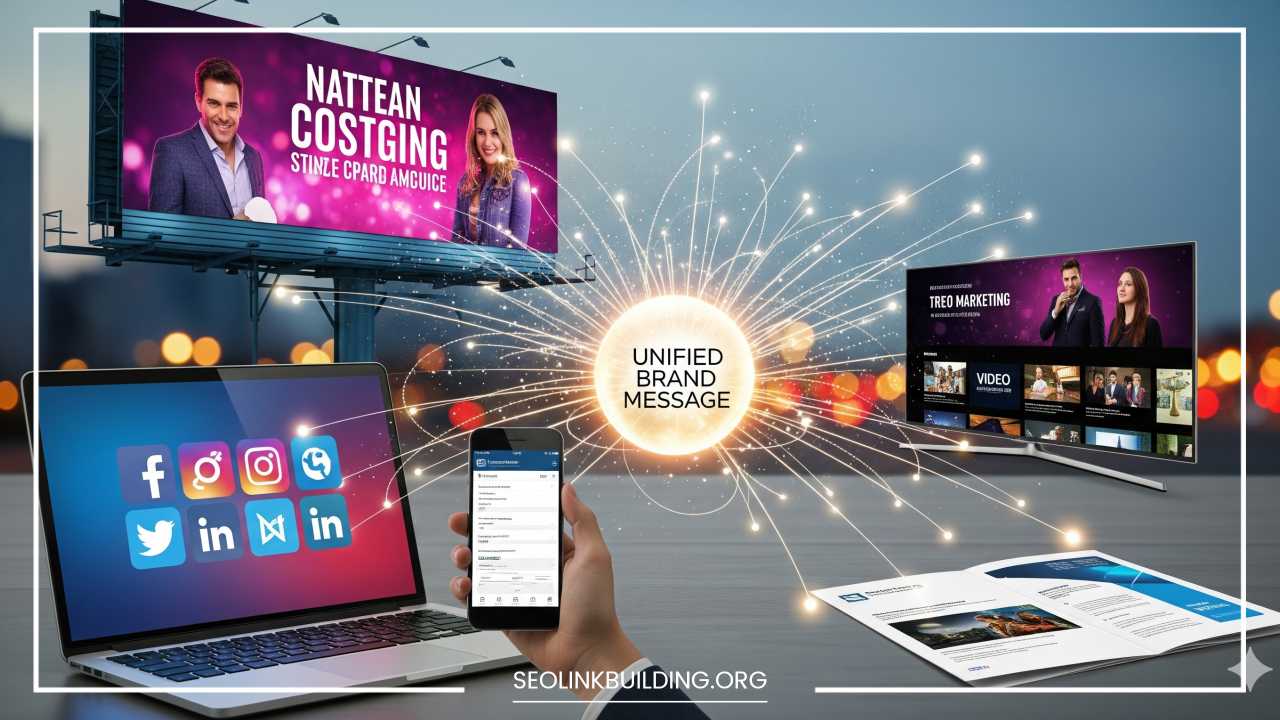
In today’s cluttered and fragmented marketplace, where consumers are bombarded with thousands of marketing messages daily, standing out is no longer enough. The key to long-term brand success lies in speaking with one voice across all platforms, a concept known as Integrated Marketing Communications (IMC). IMC is a strategic business process that involves coordinating all aspects of marketing—from advertising and public relations to social media and direct mail—to create a unified, consistent, and seamless brand experience for the customer. It’s about ensuring that every touchpoint, from an Instagram ad to a customer service email, reinforces the same brand message and identity.
Historically, marketing departments often operated in silos. Advertising teams focused on creating catchy TV spots, public relations handled press releases, and sales teams worked independently on promotions. This fragmented approach led to mixed messages, a confusing brand identity, and a disjointed customer experience. The rise of IMC was a direct response to this problem, driven by the need for synergy and a more holistic view of the customer journey.
Core Principles of IMC
At its heart, IMC is guided by a few fundamental principles that ensure its effectiveness.
Consistency in Messaging: This is arguably the most critical principle. Every communication, regardless of the channel, must carry the same core message, tone, and visual identity. A brand’s Facebook post should feel like a natural extension of its print ad, and its TV commercial should align with its website’s copy. This consistency builds brand recognition and trust.
Coordination of Marketing Tools and Channels: IMC demands that all marketing tools—like advertising, sales promotion, and public relations—work in concert. They aren’t isolated efforts but pieces of a larger puzzle. For example, a company launching a new product would coordinate a press release (PR) with an advertising campaign (advertising), a limited-time discount (sales promotion), and social media content (digital marketing) to create a single, impactful campaign.
Customer-Centric Approach: Traditional marketing often focused on the product. IMC, however, shifts the focus squarely onto the customer. It starts with understanding the customer’s needs, preferences, and media habits. The goal is to reach them at the right time, on the right channel, with a message that resonates with them. This approach tailors the marketing effort to the consumer’s journey, not the company’s internal structure.
Synergy and Integration: When all marketing elements work together, they produce a synergistic effect—the whole becomes greater than the sum of its parts. A consistent message delivered through multiple, coordinated channels is more memorable and persuasive than a dozen uncoordinated ones. The integration of different communication tools amplifies their individual impact.
Components of IMC
A successful IMC strategy leverages a variety of communication tools, each with its unique strengths, to build a cohesive campaign.
Advertising: This is a paid, non-personal form of communication used to promote products or services. It includes traditional media like television, radio, and print, as well as digital platforms like display ads and search engine marketing.
Public Relations (PR): PR focuses on building and maintaining a positive public image and fostering relationships with stakeholders. Tactics include press releases, media relations, sponsorships, and event planning. Unlike advertising, PR aims to gain earned media (media coverage that isn’t paid for), which often carries more credibility.
Sales Promotion: These are short-term incentives designed to stimulate immediate sales. Examples include coupons, discounts, contests, free samples, and loyalty programs. Sales promotions create a sense of urgency and can be highly effective in driving consumer action.
Direct Marketing: This involves communicating directly with individual customers to elicit a response or a sale. Common forms include email marketing, direct mail, and telemarketing. Direct marketing allows for high personalization and targeted messaging.
Personal Selling: This is a face-to-face interaction where a salesperson uses their skills to persuade a prospective customer to make a purchase. While often associated with B2B (business-to-business) sales, it’s also crucial in retail and other consumer-facing industries where a personal touch is needed.
Digital Marketing / Social Media: The modern marketing landscape is dominated by digital channels. This category includes social media marketing, search engine optimization (SEO), pay-per-click (PPC) advertising, and email marketing. Social media, in particular, has become a cornerstone of IMC, offering a direct line of communication with customers and a powerful platform for community building.
Content Marketing: This involves creating and distributing valuable, relevant, and consistent content—such as blog posts, videos, podcasts, and infographics—to attract and retain a clearly defined audience. Content marketing builds trust and establishes a brand as a thought leader, often leading to sales organically.
The IMC Process
Implementing a successful IMC strategy is a systematic process that requires careful planning and execution.
1. Market Research and Audience Analysis: The process begins with a deep understanding of the target audience. Marketers conduct research to identify their demographics, psychographics, media consumption habits, and pain points. This information is crucial for tailoring messages that resonate.
2. Setting Marketing Communication Objectives: What does the campaign aim to achieve? Objectives should be S.M.A.R.T. (Specific, Measurable, Achievable, Relevant, Time-bound). Goals might include increasing brand awareness by 15% in six months, generating 500 new leads, or driving a 10% increase in online sales.
3. Developing the Communication Strategy: This is where the core message and creative concept are defined. The strategy outlines how the brand will position itself in the market and what unique value proposition it will communicate to the audience.
4. Message Creation and Delivery: The creative team develops the actual content—the ads, the social media posts, the press releases, and the website copy. All these pieces must be crafted to deliver the unified message defined in the strategy.
5. Media Planning and Channel Selection: Marketers determine which channels will be used to reach the target audience most effectively. This involves selecting the right mix of traditional and digital media based on audience analysis and budget.
6. Measuring and Evaluating Effectiveness: The final step is to track the campaign’s performance against the initial objectives. Using metrics like website traffic, social media engagement, sales data, and brand lift studies, marketers can evaluate what worked, what didn’t, and what can be improved for future campaigns.
Importance and Benefits of IMC
Embracing IMC offers significant advantages that can provide a competitive edge.
Enhanced Brand Consistency: A unified brand voice builds trust and familiarity. Customers recognize the brand wherever they encounter it, whether on a billboard, in a magazine, or on their favorite social media platform. This consistency reduces confusion and strengthens brand identity.
Improved Customer Experience: When a customer’s journey is seamless and all brand interactions feel connected, their experience is more positive. A customer who sees an ad online, visits the website, and then receives a follow-up email that feels consistent with the ad will have a better overall impression of the brand.
Cost Efficiencies Through Synergy: By coordinating efforts, marketers can often reduce redundancy and waste. Instead of creating separate messaging and creative assets for each channel, a single, strong creative concept can be adapted across multiple platforms, saving time and money. For example, a video created for a TV commercial can be repurposed into shorter clips for social media or a behind-the-scenes blog post.
Increased Marketing Effectiveness: The synergistic effect of IMC means that the combined impact of the marketing mix is greater than the sum of its parts. A message repeated and reinforced across multiple channels is more likely to be heard, understood, and remembered by the target audience. This leads to higher conversion rates and a better return on investment (ROI).
Better Tracking and Measurement: The integrated nature of IMC makes it easier to track the customer journey and attribute sales to specific marketing efforts. Marketers can see how a customer’s first exposure to a brand on Instagram led them to a website, where they later made a purchase after receiving an email, providing a clearer picture of what drives results.
Challenges in Implementing IMC
Despite its benefits, implementing a successful IMC strategy is not without its hurdles.
Organizational Silos and Internal Coordination: The biggest challenge is often internal. Departments—like marketing, sales, and customer service—may operate independently, with their own goals and budgets. Breaking down these silos and fostering a culture of collaboration is essential but difficult.
Balancing Creative Freedom and Consistency: While consistency is key, it can’t come at the expense of creativity. Marketers must find a way to maintain a unified brand voice while allowing creative teams the freedom to develop engaging content that is tailored to each channel’s unique format and audience.
Adapting to Rapidly Changing Digital Environments: The digital landscape is in constant flux. New platforms emerge, algorithms change, and consumer behavior evolves. Staying on top of these changes and integrating new channels into an existing IMC strategy requires continuous learning and adaptation.
Data Management and Privacy Concerns: An integrated approach relies heavily on data to personalize messages and track customer journeys. However, managing this data effectively while adhering to strict privacy regulations (like GDPR and CCPA) presents a complex challenge.
IMC in the Digital Age
The digital revolution has not made IMC obsolete; it has made it more critical than ever. Digital channels provide new opportunities and challenges for integration.
Role of Social Media in IMC: Social media is a powerful tool for broadcasting a brand’s message, engaging with customers, and gathering real-time feedback. It’s the perfect place to reinforce advertising campaigns, share PR news, and run sales promotions. A brand’s social media presence must be a natural extension of its overall brand identity.
Influence of Mobile Marketing: With the majority of internet access now occurring on mobile devices, mobile marketing is no longer a separate channel but an integral part of IMC. Messages must be optimized for smaller screens, and campaigns must be designed with mobile-first thinking.
Integration of Traditional and Digital Channels: The most effective modern campaigns seamlessly blend traditional media with digital. A TV ad can direct viewers to a website or a unique hashtag on social media, creating a cohesive cross-channel experience.
Use of Marketing Automation and AI Tools: Technology has made IMC more manageable. Marketing automation tools can automate email campaigns and social media scheduling, ensuring consistency. AI and machine learning are being used to analyze vast amounts of data to personalize messages and predict customer behavior, making IMC even more targeted and effective.
Real-World Examples of Successful IMC Campaigns
Many global brands have mastered the art of IMC.
Old Spice: The “The Man Your Man Could Smell Like” campaign is a classic example. It started with a viral TV commercial but quickly expanded into a multi-channel campaign. The brand engaged with fans on social media, created personalized video responses to tweets, and continued the campaign’s humorous tone across all platforms, from their website to their packaging. This integration created a cultural phenomenon and revived the brand’s image.
Dove: Dove’s “Real Beauty” campaign is another powerful case study. The core message of promoting body positivity and challenging conventional beauty standards was consistently communicated through TV ads, print, a dedicated website, and widespread public relations efforts. The campaign’s message was so consistent and powerful that it transcended a simple marketing effort and became a movement.
Future Trends in IMC
The future of IMC will be shaped by a few key trends.
Personalization and Customer Experience: As data collection and AI become more sophisticated, IMC will become even more personalized. Marketers will move beyond targeting broad demographics to creating individualized customer journeys and messages.
Use of Big Data and Analytics: The ability to collect and analyze vast amounts of data will allow marketers to gain deeper insights into consumer behavior, leading to more precise targeting and more effective campaigns.
Emerging Technologies like AR/VR in Marketing Communications: Augmented Reality (AR) and Virtual Reality (VR) are beginning to offer immersive new ways for brands to communicate with consumers. Imagine a furniture brand allowing customers to place a virtual couch in their living room via an AR app, or a travel company offering a VR tour of a hotel.
Sustainability and Ethical Marketing: Consumers are increasingly demanding that brands take a stand on social and environmental issues. Future IMC campaigns will need to integrate messages of corporate social responsibility (CSR) and sustainability to build trust and connect with ethically-minded consumers.
Final Thoughts
Integrated Marketing Communications is no longer just a marketing buzzword; it’s a fundamental necessity for any brand that wants to succeed in the modern age. It’s about bringing together all the pieces of a brand’s communication puzzle to create a unified, powerful, and memorable brand experience. By focusing on consistency, coordination, and the customer, businesses can build stronger brands, foster lasting customer relationships, and achieve greater success. The path to effective marketing is paved with a single, clear, and consistent voice—and that voice is IMC.