What is Marketing Automation?


What is Marketing Automation? | Definition, Benefits & Key Insights
In today’s fast-paced digital landscape, businesses are constantly seeking ways to engage with customers more effectively and efficiently. This relentless pursuit has given rise to a powerful solution: marketing automation. At its core, marketing automation is the use of software and technology to streamline, automate, and measure marketing tasks and workflows, allowing businesses to nurture leads, personalize customer experiences, and scale their marketing efforts. It’s the engine that powers modern marketing, transforming repetitive, manual processes into a sophisticated, automated system that works around the clock.
This article will delve into what marketing automation is, how it works, its significant benefits, common challenges, and how to effectively implement it for business growth.
What is Marketing Automation?
Marketing automation is a technology that manages marketing processes and multichannel campaigns, automatically and at scale. Think of it as a set of tools that allow you to define a series of actions—like sending a welcome email to a new subscriber or following up with a lead who downloads an e-book—and then automatically execute those actions based on triggers and rules you set. The goal isn’t just to save time, but to create a more relevant and timely experience for each individual, ultimately moving them down the sales funnel. This technology helps marketers create, manage, and analyze campaigns without manual intervention for every single task.
The process typically starts with a lead’s first interaction, perhaps a website visit or a form submission. The marketing automation platform captures this data and then initiates a predefined workflow. For instance, a person who signs up for a newsletter might be automatically added to a list and sent a welcome email. If they click a link in that email, the system might then send them a follow-up email with related content a few days later. This entire sequence happens automatically, ensuring that no lead is left behind and that every interaction is timely and relevant. Common features of these platforms include automated email marketing, lead nurturing, CRM integration, social media management, and robust analytics that track the performance of every campaign.
History and Evolution of Marketing Automation
To truly appreciate the power of marketing automation, it helps to look back at how marketing was handled in the past. In the early days, marketing was a highly manual process. Marketers would send bulk direct mail, make cold calls, and send generic email blasts to a wide audience, with little to no personalization. There was no real way to track a customer’s journey from initial interest to purchase, and follow-up was often inconsistent and time-consuming. Customer Relationship Management (CRM) systems began to emerge in the 1990s, helping businesses track customer data, but the marketing actions themselves were still largely manual.
The true precursor to modern marketing automation came with the rise of digital tools in the early 2000s. Early email marketing platforms like Constant Contact and Mailchimp allowed businesses to send emails to large lists, but they were mostly “batch-and-blast” systems. The real shift happened when platforms like Eloqua and Marketo were developed, integrating email with lead scoring and nurturing capabilities. This marked the birth of a new era, where marketers could not only send emails but also create complex, multi-step campaigns based on a user’s behavior. Today, the technology has evolved exponentially, with the integration of Artificial Intelligence (AI) and machine learning. These advanced capabilities enable hyper-personalization, predictive analytics, and dynamic content that changes in real-time based on user data. This evolution from simple email sending to intelligent, predictive systems is what has made marketing automation a cornerstone of modern business strategy.
Key Components of Marketing Automation
A successful marketing automation strategy relies on several interconnected components that work together to create a seamless customer journey. These aren’t just features; they’re the building blocks of an effective and efficient marketing engine.
Email Marketing Automation: This is often the most well-known component. It goes far beyond simple email blasts. Email marketing automation allows you to create complex drip campaigns, where a series of emails are sent to a lead over time based on their actions. For example, a user who downloads a white paper can be enrolled in a workflow that sends them additional content related to the topic, moving them closer to a purchase. You can also automate welcome emails, transactional emails, and re-engagement campaigns to keep your audience engaged.
Lead Scoring & Nurturing: Not all leads are created equal. Marketing automation platforms help you identify the most promising ones through lead scoring. This involves assigning points to leads based on their interactions and demographic information. A lead who visits your pricing page might get more points than one who only reads a blog post. As a lead’s score increases, they are nurtured with more targeted content, and once they reach a certain threshold, they can be automatically passed to the sales team as a qualified lead.
CRM Integration: A powerful marketing automation platform integrates seamlessly with your CRM (Customer Relationship Management) system. This integration ensures that marketing and sales teams are working from the same, up-to-date data. When a lead is passed to sales, the sales team has a complete history of their interactions, including which emails they opened, which pages they visited, and what content they downloaded. This provides valuable context that helps the sales team close the deal more effectively.
Analytics & Reporting: One of the most significant advantages of marketing automation is the ability to track and measure every action. These platforms provide detailed analytics on campaign performance, showing you everything from email open rates and click-through rates to website visits and lead conversion rates. This data allows you to see what’s working and what isn’t, so you can continuously optimize your campaigns for better results.
Social Media Automation: While social media can feel like a very manual process, marketing automation can streamline it. Platforms can help you schedule posts, monitor mentions, and engage with followers automatically. For example, if someone tweets about your brand, the system can send you an alert or automatically respond with a pre-written message, ensuring you never miss a chance to connect with your audience.
Benefits of Marketing Automation
The adoption of marketing automation isn’t just about using new technology; it’s about fundamentally transforming the way you market. The benefits are far-reaching and can have a significant impact on your bottom line.
Increased Efficiency: The most immediate benefit is the time saved. By automating repetitive tasks like email sends, social media scheduling, and data entry, your marketing team is freed up to focus on more strategic, high-value activities like content creation, campaign strategy, and market research. This boosts productivity and reduces the risk of human error.
Lead Generation & Nurturing: Marketing automation is a lead-nurturing powerhouse. It ensures that every lead is followed up with, no matter the time of day. Through a series of automated, personalized communications, it keeps leads engaged and educated about your products or services, gently guiding them toward a purchase. This consistent nurturing significantly increases the likelihood of converting a lead into a customer.
Personalization at Scale: In today’s market, generic messaging is ineffective. Customers expect a personalized experience. Marketing automation allows you to deliver highly personalized content and messages to thousands of people simultaneously. Based on a user’s behavior—the pages they visit, the content they download, and their past purchases—the system can dynamically serve up the most relevant content, making each interaction feel unique and tailored.
Better Customer Experience: By providing a consistent, targeted, and timely experience, marketing automation helps build stronger relationships with customers. From the first touchpoint to post-purchase follow-up, every interaction is part of a carefully designed customer journey. This consistency builds trust and loyalty, turning one-time buyers into repeat customers and brand advocates.
Improved ROI: Marketing automation provides a clear, measurable return on investment. By tracking every action, you can see exactly which campaigns are generating leads and sales. This data-driven approach allows you to optimize your spending and allocate resources to the channels and campaigns that are performing best, ensuring your marketing dollars are working as hard as possible.
Common Use Cases for Marketing Automation
Marketing automation is incredibly versatile and can be applied to a wide range of business functions. Here are some of the most common and effective use cases.
Lead Generation & Nurturing: This is the quintessential use case. A business can use automation to capture leads from their website, social media, or other channels. Once a lead is captured, a personalized email series is triggered, sending them relevant content over several weeks. This consistent communication builds trust and keeps the brand top-of-mind until the lead is ready to buy. For example, a software company might have a workflow that sends a series of emails introducing different features of their product to a new sign-up.
Customer Onboarding: After a customer makes a purchase, the journey doesn’t end. Automation can streamline the customer onboarding process, ensuring new users are successful with your product or service. This can involve an automated series of welcome emails, tutorial videos, and tips to help them get started. This proactive approach reduces support requests and increases customer satisfaction.
Event/Content Promotion: If you’re hosting a webinar or launching a new e-book, marketing automation can be a powerful promotional tool. You can create a workflow that sends a series of emails to your contact list, announcing the event, sending reminders, and providing links to register. After the event, you can automatically send a thank-you email with a link to the recording, further engaging attendees.
Abandoned Cart Recovery: This is a major pain point for e-commerce businesses. When a customer adds items to their shopping cart but leaves before checking out, automation can save the day. The system can be set up to send a series of emails to the customer, reminding them of the items they left behind and often including a small incentive, like a discount code, to encourage them to complete the purchase.
Customer Retargeting: Marketing automation makes it easy to re-engage potential customers who have visited your site but haven’t converted. By tracking their online behavior, you can deliver personalized ads on social media or other websites that remind them of your products and encourage them to return. This targeted approach has a much higher conversion rate than generic advertising.
Challenges in Marketing Automation
While the benefits are clear, implementing marketing automation isn’t without its hurdles. It’s important to be aware of these challenges to prepare for a successful rollout.
Implementation Complexity: The initial setup of a marketing automation platform can be complex. It often requires significant time and resources to integrate with existing systems (like your CRM), migrate data, and build out the initial workflows. The learning curve for setting up sophisticated campaigns can be steep, especially for teams new to the technology.
Data Quality and Management: The old adage “garbage in, garbage out” is especially true for marketing automation. If your customer data is inaccurate, incomplete, or outdated, your automated campaigns will be ineffective. Bad data can lead to sending the wrong message to the wrong person at the wrong time, which can harm your brand reputation. Maintaining clean, accurate data is an ongoing effort.
Over-Automation: There’s a fine line between efficient automation and robotic, impersonal communication. The risk of over-automation is creating a customer experience that feels cold and lacking a human touch. Businesses need to find a balance, using automation for repetitive tasks while reserving human interaction for high-value touchpoints like sales calls or customer service inquiries. The goal should be to enhance personal connections, not replace them.
Training and Adoption: Introducing a new platform requires proper training for the entire team. Marketers need to learn how to build workflows, analyze reports, and optimize campaigns. The sales team needs to understand how to use the data provided by the platform. Without proper training and buy-in, the tool may go underutilized, and its full potential will never be realized.
How to Choose the Right Marketing Automation Platform
With so many platforms on the market, choosing the right one can be overwhelming. Here’s a guide to help you make an informed decision.
Evaluate Your Business Needs: Before you even look at a single platform, you need to define your goals. Are you focused on lead nurturing, customer retention, or a combination of both? Are you a B2B or B2C business? What is your budget? Answering these questions will help you narrow down your options and avoid paying for features you don’t need.
Features to Look For: While all platforms offer core automation features, some specialize in certain areas. Look for a platform with features that align with your needs, such as a user-friendly drag-and-drop workflow builder, a robust analytics dashboard, and seamless integration with your existing CRM and other business tools. If e-commerce is your focus, look for strong abandoned cart recovery and segmentation features.
Popular Platforms: Some of the most popular platforms include HubSpot, which is known for its all-in-one approach that combines marketing, sales, and service tools; Marketo (an Adobe company), a powerful platform favored by larger B2B enterprises; and ActiveCampaign, praised for its user-friendly interface and strong email marketing automation. Salesforce Marketing Cloud is another major player, offering a comprehensive suite for large corporations.
Cost Considerations: Pricing models for marketing automation platforms vary widely. They can be based on the number of contacts in your database, the features you need, or the number of emails you send. Be sure to get a clear understanding of the pricing structure and potential hidden costs. A good strategy is to start with a platform that can scale with your business and offers a tiered pricing model that fits your current budget.
Best Practices for Implementing Marketing Automation
Once you’ve chosen a platform, a successful implementation requires a strategic approach. Following these best practices will help you get the most out of your investment.
Start with Clear Goals: Don’t implement a platform just for the sake of it. Begin by defining your key performance indicators (KPIs). What does success look like? Is it a 10% increase in qualified leads? A 5% boost in customer retention? Having clear, measurable goals will guide your strategy and help you prove the ROI of your efforts.
Personalize Your Campaigns: The true power of automation is its ability to personalize. Use dynamic content, personalized subject lines, and segmentation to ensure your messages are as relevant as possible. Instead of “Hello,” use the person’s first name. Instead of a generic ad, show them a product they’ve recently viewed on your website. This level of personalization makes your brand feel more human and trustworthy.
Monitor and Optimize: Marketing automation isn’t a “set it and forget it” tool. You must continuously monitor the performance of your campaigns. Use the built-in analytics to see which workflows have the highest open rates, which lead-nurturing series are converting the most leads, and which messages are falling flat. Use this data to make continuous improvements to your strategy.
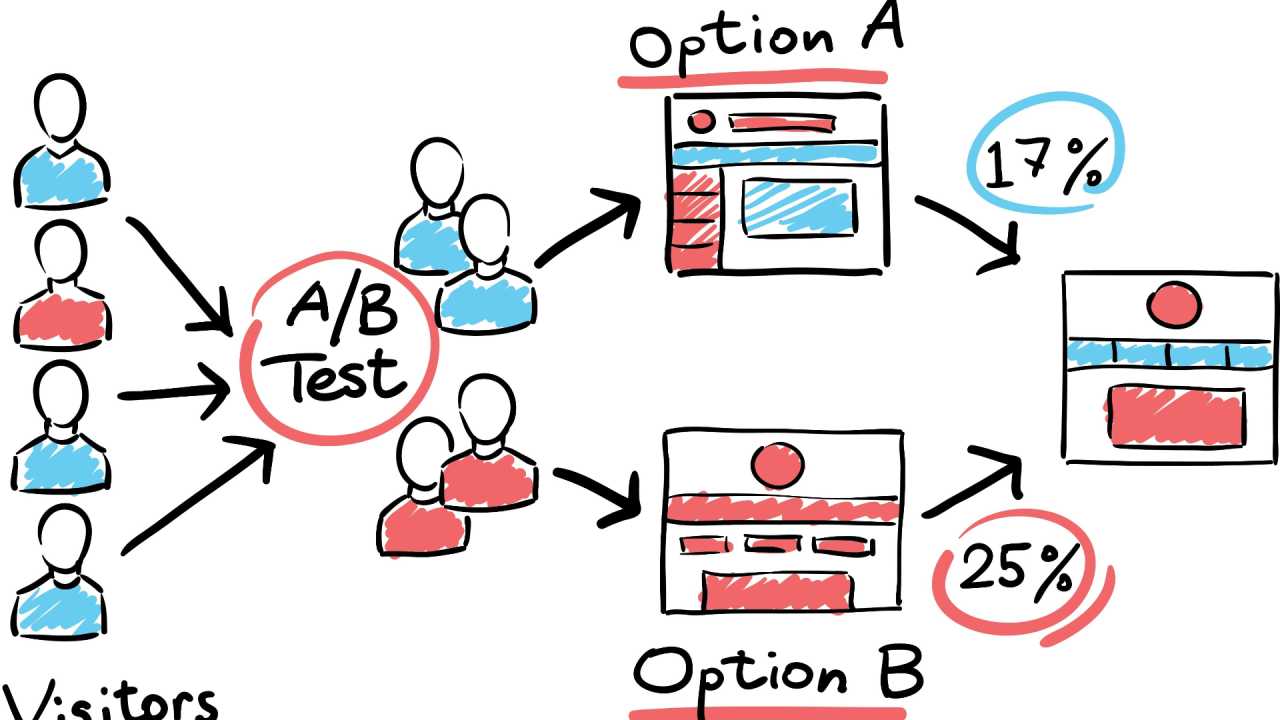
Test and Experiment: The best way to optimize your campaigns is to run A/B tests. Test different email subject lines, call-to-action buttons, or email send times to see what performs best. Small tweaks can lead to significant improvements in conversion rates. By constantly experimenting, you’ll ensure your automation efforts are always evolving and getting the best possible results.
The Future of Marketing Automation
The future of marketing automation is not just about automating more tasks; it’s about making those tasks more intelligent and intuitive. The integration of AI and machine learning will continue to drive this evolution, allowing for an even deeper level of personalization and prediction. AI will be able to analyze customer data in real-time, predicting a customer’s next move and dynamically adjusting their content journey.
Increased personalization will move beyond just using a customer’s name. It will involve serving up dynamic content and offers in real-time based on their browsing behavior, purchase history, and even location. Automation will also become more integrated with other technologies, creating a truly multi-channel, multi-device experience. This will allow marketers to create seamless campaigns that transition effortlessly from an email to a social media ad to a text message, all based on the customer’s behavior. The future is about creating a truly unified and hyper-personalized customer experience.
Final Thoughts
Marketing automation has moved from a nice-to-have to a must-have for any business that wants to compete in the digital age. It’s a powerful tool that drives efficiency, improves customer experience, and delivers a clear return on investment. By automating repetitive tasks, you can scale your marketing efforts without scaling your team, allowing you to generate and nurture leads around the clock. The key to success lies in a strategic approach—understanding your goals, choosing the right platform, and continuously monitoring and optimizing your campaigns. By embracing marketing automation, you’re not just adopting new technology; you’re building a smarter, more effective marketing engine that will drive sustainable business growth and keep you ahead of the competition.