
How to Get Your YouTube Video More Views

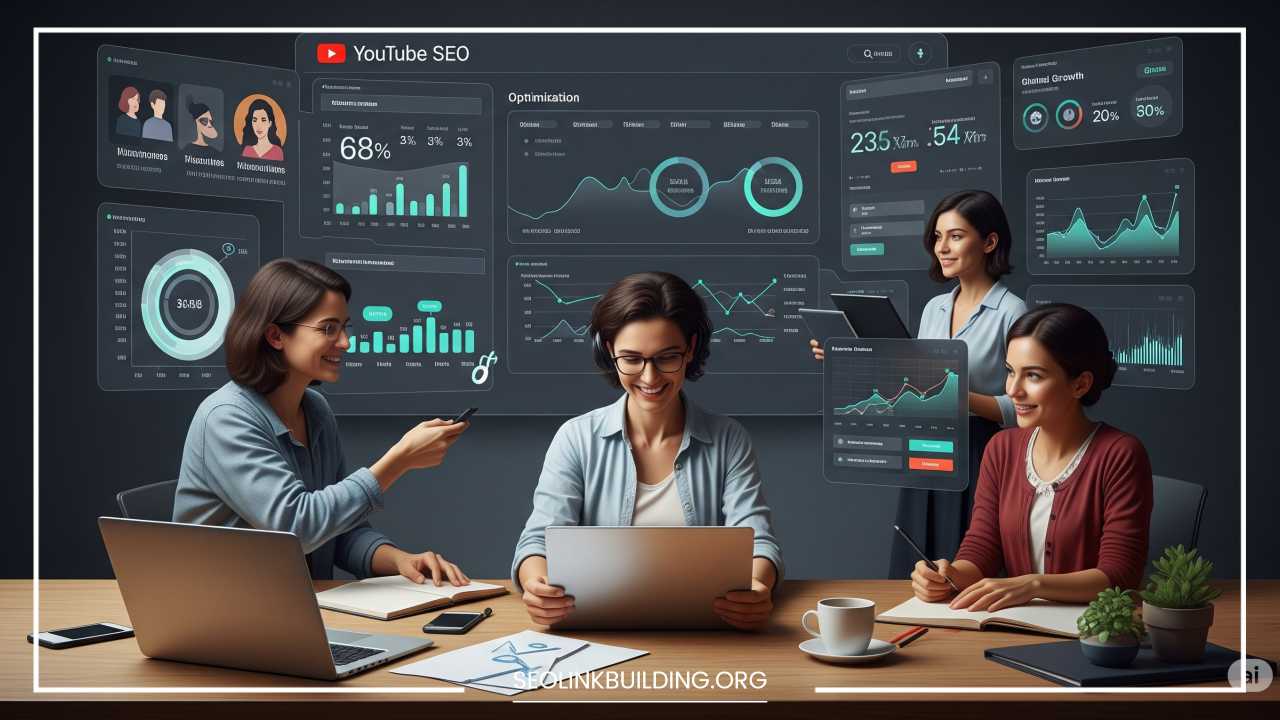
How to Get More Views on Your YouTube Video | Proven Strategies for Growth
In the bustling digital landscape of today, YouTube stands as a colossal platform, a vibrant ecosystem where creators converge to share their passions, expertise, and stories with a global audience. More than just a video-sharing website, it has evolved into a powerful engine for education, entertainment, and commerce. For many, YouTube is not merely a hobby but a serious endeavor, a potential career path, or a crucial marketing tool. In this dynamic environment, one metric reigns supreme: views. Views are the lifeblood of a YouTube channel, serving as the gateway to monetization, expanding your reach, and cementing your influence within your niche. Without views, even the most brilliant content remains undiscovered, a diamond lost in the rough.
This comprehensive guide is designed to demystify the process of gaining more views on your YouTube videos. We will embark on a journey that explores the intricate workings of YouTube’s algorithm, delves into the art and science of optimization, and uncovers powerful strategies for promoting your content. By the end of this article, you will be equipped with a robust understanding of how to not only attract more eyeballs to your videos but also to cultivate a loyal and engaged audience, transforming your YouTube presence from an aspiration into a tangible success. Prepare to unlock the secrets to YouTube visibility and propel your channel to new heights.
Understand How YouTube Works
To truly succeed on YouTube, one must first grasp the fundamental principles that govern its vast and complex ecosystem. At its core, YouTube is driven by an intricate algorithm designed to keep viewers engaged on the platform for as long as possible. This algorithm isn’t a static entity; it’s a dynamic, ever-evolving beast that learns from user behavior and adapts to provide the most relevant and satisfying viewing experience.
Three key metrics form the bedrock of YouTube’s algorithmic evaluation: watch time, click-through rate (CTR), and engagement. Watch time, arguably the most crucial, refers to the cumulative amount of time viewers spend watching your videos. The longer people watch, the more YouTube perceives your content as valuable and the more likely it is to recommend it. CTR measures the percentage of people who click on your video’s thumbnail and title after seeing it in their feed or search results. A high CTR indicates that your title and thumbnail are compelling and accurately represent your content. Engagement encompasses likes, comments, shares, and subscribes. These actions signal to YouTube that your content resonates with viewers and sparks interaction.
The algorithm also places significant emphasis on audience retention – how much of your video people actually watch. If viewers consistently drop off at a certain point, it suggests that part of your video might be less engaging, prompting YouTube to potentially reduce its recommendations. Relevance is another critical factor. YouTube strives to connect viewers with content that aligns with their interests and search queries.
It’s also important to differentiate between how viewers discover content. Search Engine Results Pages (SERP) refer to videos found through direct search queries on YouTube. Suggested Videos are recommendations that appear alongside or after a video a user is currently watching. Browse Features encompass videos recommended on the YouTube homepage, in subscriptions feeds, and through notifications. Each discovery method has its own nuances and requires a slightly different optimization approach, though a holistic strategy will benefit all. Understanding these underlying mechanisms is the first step towards strategically optimizing your content for maximum visibility and impact.
Keyword Research for YouTube SEO
Just as with traditional web search, keywords are the linchpin of discovery on YouTube. When a user types a query into the Youtube bar, the platform sifts through its massive database to present the most relevant videos. Therefore, understanding and effectively utilizing keywords is paramount for any creator aiming to increase their video’s visibility. Without proper keyword targeting, your content, no matter how high-quality, risks remaining buried beneath a mountain of competing videos.
The process of keyword research for YouTube SEO involves identifying the terms and phrases that your target audience is actively searching for. There are several powerful tools at your disposal to aid in this crucial endeavor. TubeBuddy and VidIQ are two highly popular browser extensions specifically designed for YouTube creators. They offer a suite of features including keyword research tools that show search volume, competition, and related keywords directly within the YouTube interface. These tools can reveal hidden gems – long-tail keywords that may have lower search volume but also less competition, making it easier for your video to rank.
Google Trends is another invaluable, free resource. By inputting potential keywords, you can see their search interest over time, identify rising trends, and even compare the popularity of different terms. This can help you capitalize on timely topics and gauge the evergreen nature of certain keywords. Finally, Youtube Autocomplete itself is a goldmine. When you start typing a query into the Youtube bar, the suggestions that pop up are actual popular searches. This provides direct insight into what users are looking for and can spark ideas for video topics you might not have considered. Pay attention to the phrases people are using naturally.
Once you’ve identified a strong set of relevant keywords, the next crucial step is to strategically integrate them into your video’s metadata. The most prominent placement for keywords is in your video title. Your title should be compelling and naturally incorporate your primary keyword. Next, the description field is a powerful space to elaborate on your video’s content and include a wider range of related keywords. Think of it as a mini-blog post that provides context and additional information. While less impactful than they once were, tags still play a role in helping YouTube understand your video’s topic and categorize it. Use a mix of broad and specific tags. Finally, and often overlooked, is the importance of speaking your keywords within the video itself. YouTube’s sophisticated transcription capabilities can pick up on spoken words, further reinforcing the relevance of your content to specific search queries. Furthermore, utilizing captions (closed captions or subtitles) also provides another layer for keyword recognition, making your content accessible and SEO-friendly. By meticulously researching and strategically placing your keywords, you significantly increase the chances of your video being discovered by the right audience.
Crafting a Compelling Title and Thumbnail
In the blink of an eye, a potential viewer makes a decision: to click or to scroll past. This split-second judgment is overwhelmingly influenced by two critical elements: your video’s title and its thumbnail. These are your video’s billboards, its first impression, and often the sole determinants of whether your content gets a chance to shine. Therefore, mastering the art of crafting compelling titles and eye-catching thumbnails is non-negotiable for anyone serious about increasing their YouTube views.
Title best practices revolve around a delicate balance of clarity, intrigue, and keyword integration. Firstly, your title must accurately reflect the content of your video. Misleading titles lead to high bounce rates, which negatively impacts your video’s performance. Secondly, infuse emotional triggers. Words like “secret,” “unbelievable,” “shocking,” or “ultimate” can spark curiosity and encourage clicks. Numbers, especially in listicle formats (e.g., “7 Ways to Boost Your Productivity”), also tend to perform exceptionally well. Clarity is paramount; viewers should instantly understand what your video is about. Incorporate your primary keywords naturally within the first few words of your title if possible, as this is often where YouTube’s algorithm places the most weight and what users see first. Keep titles concise, ideally under 60 characters, to prevent truncation on various devices. Experiment with question-based titles or benefit-driven titles that highlight what the viewer will gain by watching.
The thumbnail, however, is arguably even more powerful than the title in capturing immediate attention. It’s a visual hook that can either draw a viewer in or cause them to scroll past without a second thought. Effective thumbnail design prioritizes several key elements. High contrast ensures your thumbnail stands out against the often busy YouTube interface. Use bright, bold colors that pop. Faces, especially expressive ones, are incredibly effective. Humans are hardwired to look at faces, and a well-placed, emotive facial expression can instantly convey the tone and subject matter of your video. Bold, legible text should be used sparingly but effectively to convey a key message or question. Ensure the font is easy to read even on small screens. Branding is crucial for long-term recognition. Incorporate your channel’s logo or a consistent color scheme to build familiarity and strengthen your brand identity. Avoid clutter; simpler, cleaner thumbnails often perform better. Think about what a viewer would see at a glance.
To truly optimize your titles and thumbnails, A/B testing tools are invaluable. Platforms like TubeBuddy offer features that allow you to test different titles and thumbnails against each other to see which generates a higher click-through rate. By analyzing the data, you can make informed decisions about what resonates best with your audience. This iterative process of testing, analyzing, and refining your titles and thumbnails will significantly impact your video’s discoverability and ultimately, its view count. Remember, a compelling title and a captivating thumbnail are the gatekeepers to your content; invest time and effort in perfecting them.
Writing Descriptions and Tags That Work
While the title and thumbnail are the initial draw, the video description and tags play crucial supporting roles in helping YouTube understand your content and present it to the right audience. Though often overlooked, optimizing these elements can significantly contribute to your video’s discoverability and overall performance.
The description field is far more than just a brief summary; it’s a powerful space for providing context, incorporating keywords, and guiding viewers to further engagement. The most critical part of your description is the first two lines. This is what appears in search results and below your video before a viewer clicks “show more.” Therefore, these initial lines must be compelling, contain your primary keywords, and accurately describe the video’s content. Think of it as a mini-elevator pitch for your video.
Beyond the initial hook, utilize the rest of the description to elaborate on your video’s topic, include secondary keywords, and provide valuable information. Links are incredibly important here. Include links to your social media profiles, your website or blog, relevant products or services, and even other related videos on your channel. This encourages viewers to delve deeper into your content ecosystem and supports cross-promotion. Additionally, strategically place calls to action (CTAs) within your description, prompting viewers to subscribe, visit a link, or leave a comment. Make it easy for them to take the next desired step. A well-crafted description can act as a mini-blog post, providing valuable SEO signals to YouTube’s algorithm and enriching the viewer experience.
While tags were once a primary driver of YouTube results, their impact has diminished over time as YouTube’s algorithm has become more sophisticated at understanding content through titles, descriptions, and watch time. However, they still serve a purpose in helping YouTube categorize your video and understand its relevance to broader topics. The key is to use tags smartly. Don’t keyword stuff; instead, use a mix of broad tags that cover your video’s general theme (e.g., “cooking,” “travel vlog”) and specific, long-tail tags that are highly relevant to your video’s niche content (e.g., “authentic Italian pasta recipe,” “solo backpacking Southeast Asia”). Think about variations of your keywords and common misspellings. Tools like TubeBuddy and VidIQ can suggest relevant tags based on your video content and competitors.
Finally, a powerful, yet often underutilized, feature is the use of chapters (timestamps) in your description. By adding timestamps with corresponding topic labels (e.g., “0:00 Introduction,” “2:15 Key Strategy 1”), you create “chapters” within your video. This significantly improves the user experience by allowing viewers to easily navigate to specific sections of your video that interest them. More importantly for discoverability, these chapters can appear directly in YouTube’s search results, offering viewers quick access to relevant segments of your content. This can lead to higher click-through rates and improved watch time, signaling to YouTube that your video is well-organized and valuable. By paying attention to these details in your descriptions and tags, you provide YouTube with the necessary signals to effectively index and recommend your video to the right audience.
Engagement Strategies: Likes, Comments, and Subscriptions
While views are the primary metric of success on YouTube, engagement metrics such as likes, comments, and subscriptions serve as powerful indicators of a video’s quality and its ability to resonate with an audience. These interactions are not merely vanity metrics; they are crucial signals to YouTube’s algorithm, indicating that your content is valuable, fosters community, and deserves wider distribution. Cultivating a highly engaged audience is therefore an indispensable part of any successful YouTube strategy.
The most straightforward way to encourage engagement is to ask your viewers directly to like, comment, and subscribe. This might seem obvious, but a polite, clear call to action within your video can significantly increase these interactions. Many creators strategically place these requests at the beginning or end of their videos, or naturally integrate them into the content itself. For instance, you might say, “If you found this video helpful, please give it a thumbs up and consider subscribing for more tips!”
Pinned comments are an underutilized feature that can supercharge engagement. By pinning a comment to the top of your video’s comment section, you can highlight a question, a key takeaway, or a prompt for discussion. For example, you could ask, “What are your biggest challenges with ? Let me know in the comments below!” This directs the conversation and makes it easy for viewers to participate.
Beyond simply asking for comments, actively responding to comments is paramount. When you engage with your audience in the comments section, you’re not just being polite; you’re building a community and signaling to YouTube that your channel is active and interactive. The algorithm favors videos and channels that demonstrate high levels of interaction. Responding thoughtfully, asking follow-up questions, and even liking relevant comments can significantly boost this algorithmic signal. This creates a feedback loop where viewers feel valued and are more likely to return and engage again. It shows that there’s a real person behind the channel who cares about their audience.
Furthermore, consider leveraging the YouTube Community tab. This feature allows you to post polls, images, text updates, and GIFs, fostering engagement outside of your video uploads. You can ask your audience what topics they’d like to see covered, run quizzes, or share behind-the-scenes glimpses. These interactions keep your audience engaged between video releases and can even drive traffic back to your videos. By actively encouraging and participating in engagement, you transform passive viewers into an active community, creating a virtuous cycle that not only boosts your algorithmic standing but also builds a loyal and dedicated fanbase.
Promote Your Video Outside of YouTube
While optimizing your video within YouTube is crucial, relying solely on the platform’s internal discovery mechanisms can limit your reach. To truly maximize your views and grow your audience, you must actively promote your video across various external channels. Think of your YouTube video as a valuable piece of content that deserves to be seen by the widest possible audience, and that audience doesn’t exclusively live on YouTube.
One of the most effective external promotion strategies involves sharing your video on other social media platforms. Each platform offers unique opportunities to reach different segments of your target audience. TikTok and Instagram Reels are ideal for short, engaging video snippets that can act as tantalizing teasers for your full YouTube video. You can create a 15-30 second highlight reel, add a compelling caption, and direct viewers to the link in your bio for the full experience. On Instagram, leverage your Stories and feed posts to share links, snippets, and behind-the-scenes content. Twitter is excellent for sharing quick updates, asking questions related to your video topic, and directly linking your YouTube video. Don’t just paste a link; add a compelling reason for people to click. LinkedIn can be powerful for professional or educational content. Remember to tailor your content and approach to each platform’s unique audience and format.
Embedding your video on blogs or websites is another highly effective method, especially if you have an existing online presence. If you’ve written a blog post on a similar topic, embedding your YouTube video directly into that post provides additional value to your readers and directs traffic to your YouTube channel. This not only drives views but can also improve your blog’s SEO by offering rich media content. Similarly, if you’re a guest blogger or contribute to other websites, strategically suggest embedding your relevant YouTube video where appropriate.
Perhaps one of the most powerful and mutually beneficial promotion strategies is to collaborate with other creators or cross-promote. Identify creators in your niche whose audience aligns with yours but isn’t identical. Reach out to them with a collaboration idea, whether it’s a joint video, a series, or even a simple shout-out. When you collaborate, you gain exposure to their audience, and they gain exposure to yours, leading to a significant influx of new viewers for both parties. Similarly, cross-promotion involves featuring each other’s content on your respective channels, in your video descriptions, or through social media mentions. This expands your collective reach and introduces your content to highly engaged, relevant viewers who are already interested in similar topics. By actively extending your promotional efforts beyond YouTube’s borders, you tap into new audiences and significantly accelerate your channel’s growth.
Watch Time and Viewer Retention Optimization
In the hierarchy of YouTube’s algorithmic signals, watch time reigns supreme. It’s not enough to simply get a click; YouTube prioritizes videos that keep viewers engaged for extended periods. The longer people watch your videos, and the higher your viewer retention rate (the percentage of your video that viewers watch), the more likely YouTube is to recommend your content to a wider audience. Therefore, understanding and optimizing for watch time and retention is absolutely critical for long-term YouTube success.
The battle for watch time begins in the first 15 seconds of your video. This opening segment is your crucial “hook,” where you must immediately capture your audience’s attention and give them a compelling reason to stick around. Don’t waste time with lengthy intros or self-introductions. Instead, jump straight into the value proposition. Pose an intriguing question, present a compelling problem you’re about to solve, or show an exciting highlight from later in the video. Think about what will immediately grab a viewer and make them think, “I need to watch the rest of this.” This could be a surprising fact, a visual spectacle, or a direct promise of valuable information.
Beyond the initial hook, editing for pacing, visuals, and storytelling is paramount to maintaining viewer retention. A well-paced video keeps viewers engaged. Avoid dead air, unnecessary pauses, or repetitive segments. Keep your content concise and to the point. Utilize dynamic visuals – B-roll footage, on-screen text, graphics, and animations – to break up talking head segments and keep the viewer’s eyes engaged. Storytelling is a powerful tool; structure your videos with a clear beginning, middle, and end, building anticipation and providing a satisfying conclusion. Even for educational content, incorporating narrative elements can make complex topics more digestible and enjoyable. Consider the rhythm of your delivery, varying your tone and energy to maintain interest.
The most powerful tool for improving retention is using analytics to track and improve performance. YouTube Analytics provides invaluable data on your audience retention. The “Audience Retention” report shows you exactly where viewers are dropping off in your videos. Is there a consistent dip at a certain point? This indicates a potential problem area that needs addressing. Perhaps a segment is too long, too confusing, or simply uninteresting. Use this data to inform your future content creation. If a particular type of content or editing style consistently leads to high retention, lean into that. Conversely, if certain elements lead to rapid drop-offs, either eliminate them or find ways to make them more engaging. By continually analyzing your retention graphs and making data-driven improvements to your content and editing, you can significantly increase your overall watch time and signal to YouTube that your videos are truly valuable to viewers.
Analyze and Iterate
The journey to YouTube success is not a one-time upload; it’s an ongoing process of creation, analysis, and refinement. Once your videos are live, the real work of understanding your audience and optimizing your strategy truly begins. YouTube Analytics is your most powerful ally in this endeavor, providing a treasure trove of data that can inform your decisions and propel your channel forward. Ignoring these insights is akin to flying blind.
YouTube Analytics offers a comprehensive dashboard filled with key metrics that provide deep insights into your video and channel performance. Among the most crucial are:
- Click-Through Rate (CTR): As discussed, this metric indicates how often users click on your video after seeing its thumbnail and title. A low CTR suggests your title or thumbnail isn’t compelling enough, or that your video isn’t reaching the right audience. Aim for a CTR above 5-10% for browse features, and potentially higher for search.
- Average View Duration (AVD) / Audience Retention: This shows the average amount of time viewers spend watching your video and, more critically, where viewers are dropping off. High retention signals valuable content to YouTube, while consistent drop-offs highlight areas for improvement in your content or editing.
- Revenue Per Mille (RPM) / Cost Per Mille (CPM): If you’re monetized, these metrics provide insights into your earnings. RPM (Revenue Per Mille) tells you how much money you earn per 1,000 views, while CPM (Cost Per Mille) represents what advertisers pay per 1,000 ad impressions. While not directly related to views, understanding these helps in content strategy for monetization.
- Traffic Sources: This report reveals how viewers are finding your videos (e.g., Youtube, suggested videos, external sources, browse features). Understanding your dominant traffic sources allows you to tailor your optimization efforts. If search is primary, double down on keyword research. If suggested videos are key, focus on strong watch time and engagement.
- Audience Demographics: This valuable data shows you who is watching your videos (age, gender, geography). This helps you refine your content to better resonate with your core audience.
The power of these metrics lies in making data-driven improvements. Don’t just upload and hope; analyze what’s working and what isn’t. If a certain video format consistently has high retention, create more videos in that style. If a particular topic generates strong engagement, explore related sub-topics. Conversely, if a video consistently performs poorly, analyze its CTR, retention, and traffic sources to identify the weak points. Was the title unclear? Was the intro too slow? Was the topic not resonating?
Testing formats, topics, and upload times is crucial for growth. Don’t be afraid to experiment. Try a different video structure, explore a new niche topic within your broader category, or adjust your upload schedule to see if it impacts performance. YouTube Analytics will show you the results of these experiments. For example, if you notice your audience is most active on Tuesdays at 3 PM, try uploading your next video then and observe the initial performance. This iterative process of experimenting, analyzing the data, and adapting your strategy is what separates successful channels from stagnant ones. Consistent analysis and iteration are the engines of sustainable growth on YouTube.
Final Thoughts and Action Plan
The pursuit of increased YouTube views is a multifaceted endeavor, a strategic dance between understanding algorithmic preferences, captivating human attention, and relentlessly promoting your valuable content. We’ve journeyed through the critical components of this process, from deciphering YouTube’s complex algorithm and meticulously researching keywords to crafting irresistible titles and thumbnails, optimizing descriptions, and fostering vibrant community engagement. We’ve explored the power of promoting your videos beyond YouTube’s borders and the paramount importance of optimizing for watch time and viewer retention. Finally, we emphasized the non-negotiable practice of analyzing your performance and iterating your strategy based on concrete data.
The key takeaway from this comprehensive guide is that consistent, informed action is the bedrock of YouTube success. There’s no magic bullet or overnight viral sensation; instead, it’s a culmination of numerous small, strategic decisions that collectively propel your channel forward. Each video you create is an opportunity to learn, refine, and improve. Embrace the data, listen to your audience, and remain adaptable in this ever-evolving digital landscape.
To help you put these insights into practice, here’s an actionable checklist:
- Deep Dive into Your Niche: Thoroughly research keywords using TubeBuddy/VidIQ, Google Trends, and YouTube Autocomplete. Identify popular topics and long-tail opportunities.
- Hook ‘Em Early: Plan your video’s first 15 seconds to be utterly captivating. Cut out fluff and get straight to the value or intrigue.
- Optimize Your Core Elements:
- Title: Craft clear, keyword-rich, and emotionally resonant titles (under 60 characters).
- Thumbnail: Design high-contrast, visually striking thumbnails with bold text and expressive faces. A/B test frequently.
- Description: Write detailed descriptions with keywords in the first two lines, add relevant links, strong CTAs, and incorporate chapters.
- Tags: Use a mix of broad and specific tags relevant to your content.
- Engage, Engage, Engage: Ask viewers to like, comment, and subscribe. Pin a thought-provoking comment and actively respond to your audience.
- Go Beyond YouTube: Share your video across all relevant social media platforms, embed it on your website/blog, and actively seek out collaborations with other creators.
- Analyze and Adapt: Regularly check YouTube Analytics, focusing on CTR, Audience Retention, and Traffic Sources. Identify what’s working and what isn’t, and adjust your content strategy accordingly.
- Consistency is Key: Commit to a regular upload schedule that you can sustain. Consistent content signals reliability to both your audience and the YouTube algorithm.
By diligently implementing these strategies and maintaining a curious, analytical mindset, you will not only see your view counts climb but also cultivate a thriving, engaged community around your content. The path to YouTube success is a marathon, not a sprint. Start taking consistent action today, and watch your channel flourish.