How Do I Promote My Website?

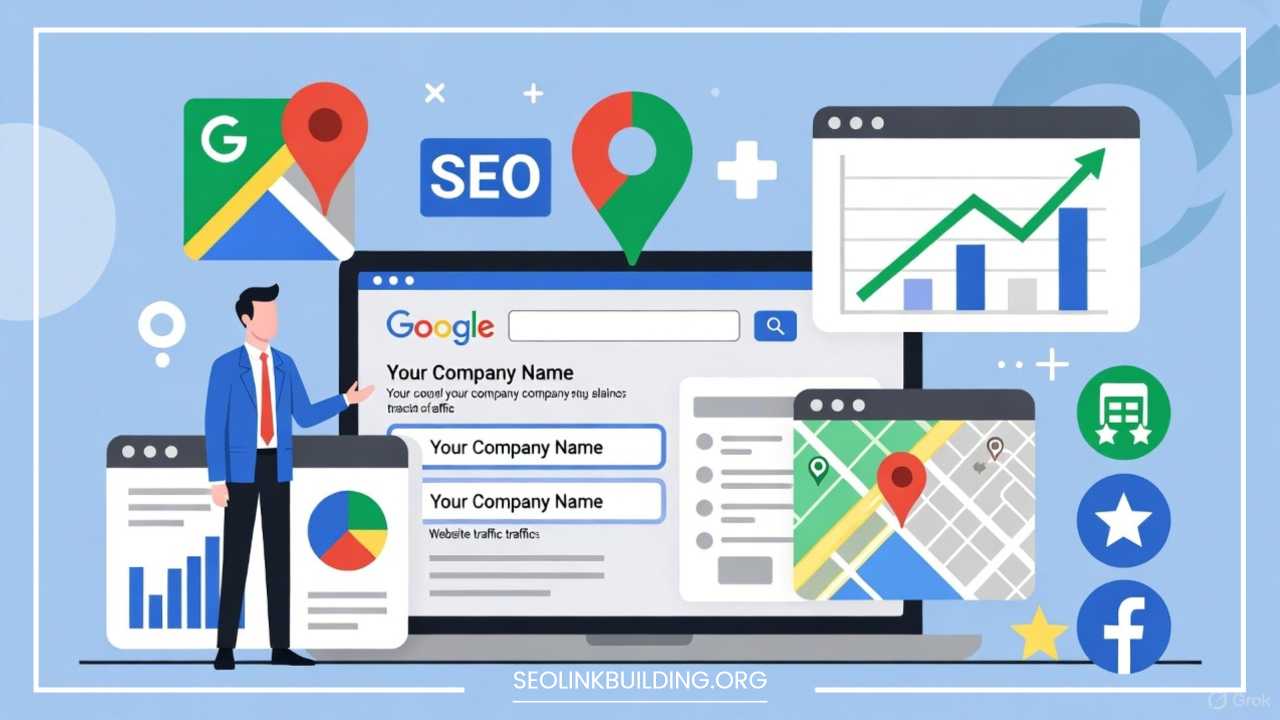
How Do I Promote My Website? | Effective Online Marketing Tips
The launch of a website is only the first step on the journey to online success. While a beautiful, functional site is essential, it means little if potential customers can’t find it. The question, “How do I promote my website?” is the single most critical challenge for entrepreneurs, small business owners, and large corporations alike. Promotion is the lifeblood of your online presence, transforming a static digital brochure into a dynamic engine for traffic, leads, and sales.
This comprehensive guide will break down the most effective online marketing strategies, covering the essential pillars of both organic, long-term growth and targeted, paid acceleration. Mastering these techniques—from search engine optimization (SEO) to advanced analytics—is the key to ensuring your website not only survives but thrives in the competitive digital landscape.
Understanding Your Audience and Goals
Before you spend a single dollar or dedicate an hour to promotion, you must know who you are promoting to and why. Promotion without clarity is merely noise.
Identifying Target Audience and Buyer Personas
Your target audience is the specific group of people most likely to need or want your product or service. Go beyond simple demographics (age, location). Create detailed buyer personas—semi-fictional representations of your ideal customers. Give them names, jobs, pain points, digital habits, and goals.
-
Example: Instead of targeting “young adults,” target “Sarah, the freelance graphic designer. Age 28, uses Instagram and Pinterest for inspiration, struggles with project management, and looks for tools that save her time.”
These insights are crucial because they dictate where you promote (which social media platforms, which blogs they read) and how you promote (the language, tone, and offers that will resonate).
Setting Measurable Goals
Promotion must be tied to measurable outcomes. The common goal of “getting more traffic” is vague. Use the SMART framework to define objectives: Specific, Measurable, Achievable, Relevant, and Time-bound.
-
Traffic: Increase organic search traffic by 30% within the next six months.
-
Leads: Generate 100 new qualified leads via newsletter sign-ups by the end of the quarter.
-
Sales/Conversions: Achieve a 2% conversion rate on the main product page within 90 days.
-
Engagement: Decrease the blog bounce rate to under 50% by improving content structure.
Your promotion strategies will then be direct, actionable steps toward achieving these targets.
How Audience Insights Inform Promotion Strategies
If your audience primarily seeks answers to technical questions, you should prioritize SEO and detailed how-to blog content. If they are visual and brand-conscious, Social Media Marketing (especially Instagram or TikTok) and high-quality video content become essential. Knowing your audience ensures every promotional effort is hyper-focused and maximizes your return on investment.
Search Engine Optimization (SEO)
SEO is the foundation of organic promotion. It’s the process of optimizing your website to rank higher in search engine results pages (SERPs), driving free, high-quality traffic to your site.
Keyword Research
Keywords are the bridge between what people search for and the content you provide. Effective keyword research involves identifying terms relevant to your business that your audience uses, and which have a manageable level of competition.
-
Primary Keywords: High-volume terms (e.g., website promotion tips).
-
Long-Tail Keywords: Specific, lower-volume, but high-intent phrases (e.g., how to promote my local plumbing website for free). These often drive the best conversion rates.
Use tools like Google Keyword Planner, SEMrush, or Ahrefs to identify keywords, analyze their difficulty, and understand the user intent behind them.
On-Page SEO
Once you have your keywords, you need to integrate them naturally into your website content. On-Page SEO focuses on optimizing individual pages.
-
Title Tags and Meta Descriptions: These are the first things a user sees in the search results. They must be compelling, accurately describe the page content, and include the target keyword. A strong meta description acts as an organic ad copy.
-
Headings ($H1, H2, H3$): Use headings to structure your content, making it easy to read for both users and search engine bots. Your $H1$ should contain the primary keyword.
-
Image Optimization: Compress images for fast loading times. Use descriptive filenames and include relevant keywords in the Alt Text so search engines can “read” the image content.
Technical SEO
Technical SEO ensures search engines can efficiently crawl and index your site.
-
Site Speed: Users and search engines hate slow websites. Optimize code, leverage browser caching, and use a fast hosting provider. Tools like Google PageSpeed Insights can diagnose issues.
-
Mobile-Friendliness: With Google’s mobile-first indexing, your site must be responsive and provide a seamless experience on all devices.
-
Secure Connection (HTTPS): Using an SSL certificate to ensure an $HTTPS$ connection is now a standard security practice and a minor ranking factor.
Content Strategy
Content is the fuel for your SEO engine. A robust content strategy ensures you are consistently publishing valuable material that addresses your audience’s needs at every stage of the buyer journey.
-
Blog Posts: The core of most content strategies. Use them to target long-tail keywords and establish expertise.
-
Guides and Tutorials: Deep-dive content that establishes authority and can attract high-quality backlinks.
-
Evergreen Content: Content that remains relevant for years (e.g., The Ultimate Guide to Email Marketing in 2025). This provides sustained traffic.
Link Building
Link building is the process of acquiring hyperlinks from other websites to your own. These backlinks act as “votes of confidence,” signaling to search engines that your content is valuable and trustworthy.
-
Guest Posting: Write high-quality articles for reputable, non-competing websites in your industry, including a link back to your site.
-
Partnerships: Collaborate with other businesses on resources, reports, or joint webinars, naturally creating linking opportunities.
-
Unlinked Mentions: Find places where your brand or website is mentioned without a hyperlink and politely request that the site owner add one.
Content Marketing
While SEO focuses on structure and keywords, Content Marketing focuses on the creation and distribution of valuable material to attract and engage a clearly defined audience.
Importance of High-Quality Content for Promotion
Content is the mechanism through which you solve problems and build trust. Every piece of content you create—whether a 500-word blog post or a 5-minute video—is a promotional asset. High-quality content organically attracts shares, links, and recurring visitors, making all your other promotion efforts easier. It must be original, detailed, and directly address user intent.
Types of Content
Varying your content types keeps your audience engaged and allows you to target different platforms.
-
Blog Posts: Ideal for tackling specific questions and ranking for keywords.
-
Infographics: Highly shareable visual content that summarizes complex data. Excellent for social media and attracting backlinks.
-
Videos: Dominant format for engagement, suitable for YouTube (the second-largest search engine) and social platforms.
-
Podcasts: Excellent for building a loyal, long-form audience and establishing thought leadership.
Content Distribution Strategies
Creating content is half the battle; the other half is ensuring it reaches your target audience.
-
Social Media: Share snippets, questions, and striking visuals from your content. Repurpose one blog post into 10 different social posts.
-
Email: Use your email list to notify subscribers of new content, often resulting in an immediate traffic spike.
-
Forums and Q&A Sites: Answer relevant questions on platforms like Reddit or Quora, subtly linking back to your authoritative content when appropriate. Warning: Do not spam; provide genuine value.
Social Media Marketing
Social Media Marketing (SMM) involves using platforms like Facebook, Instagram, LinkedIn, and X (formerly Twitter) to drive website traffic, build brand awareness, and foster a community.
Choosing the Right Platforms for Your Audience
Avoid the trap of trying to be everywhere. Focus your efforts where your buyer personas spend their time.
-
B2B (Business-to-Business): LinkedIn is paramount for professional networking and industry content.
-
B2C (Business-to-Consumer): Instagram (visual products), Facebook (broad demographics, community), and TikTok (younger audience, trending content).
Organic Strategies
Organic SMM focuses on growing your presence naturally through authentic interaction.
-
Regular Posting: Maintain a consistent content calendar. Use a mix of educational, entertaining, and promotional posts (the 80/20 rule often applies: 80% value, 20% promotion).
-
Engagement: Don’t just post; respond. Reply to comments, answer DMs, and participate in relevant conversations. This builds loyalty and boosts visibility.
-
Community Building: Create a group or use platform features (like Facebook Groups or LinkedIn Newsletters) to cultivate a dedicated community around your brand’s topic.
Paid Strategies: Social Media Ads
Social media platforms offer powerful advertising tools for precise targeting.
-
Targeting: You can target users based on demographics, interests, job titles, and even behaviors (e.g., users who frequently shop online). This ensures your ad spend is focused on potential customers.
-
Retargeting: Show ads specifically to users who have previously visited your website but didn’t complete a purchase or sign-up. This is highly effective as it targets warm leads.
Influencer Collaborations
Partner with individuals who have an established, engaged audience relevant to your niche. An influencer’s endorsement of your website can instantly lend credibility and drive highly qualified referral traffic. The relationship can be structured through sponsored posts, product reviews, or affiliate commissions.
Email Marketing
Directly communicating with individuals who have opted-in to hear from you is one of the highest-ROI promotion methods available.
Building and Segmenting an Email List
Your email list is your most valuable promotional asset, as it is a channel you own.
-
Building: Use incentives (lead magnets) like free e-books, exclusive guides, checklists, or discount codes to encourage sign-ups. Place sign-up forms prominently on your website.
-
Segmenting: Divide your list based on user behavior (e.g., customers, non-buyers, blog subscribers, abandoned cart users). Segmentation allows you to send hyper-relevant content, drastically improving open and click-through rates.
Crafting Promotional Campaigns and Newsletters
Every email should have a clear goal: drive traffic back to a product page, download a resource, or read a new blog post.
-
Newsletters: Regular updates sharing valuable content, company news, and industry insights.
-
Promotional Campaigns: Short, targeted sequences of emails announcing sales, new products, or time-sensitive offers.
Automations and Follow-Up Sequences
Email marketing automation uses triggers to send messages based on user actions.
-
Welcome Series: A sequence of 3-5 emails automatically sent when a new user signs up, introducing your brand and key website pages.
-
Abandoned Cart: Automated emails reminding a shopper about items left in their cart (highly effective for recovering lost sales).
Measuring Engagement and Conversions
Key metrics to track include:
-
Open Rate: Percentage of users who open the email.
-
Click-Through Rate (CTR): Percentage of users who click a link within the email.
-
Conversion Rate: Percentage of users who take the desired action (e.g., purchase) after clicking.
Paid Advertising (Google Ads, Social Ads)
While organic promotion builds long-term equity, Paid Advertising provides immediate visibility, allowing you to test offers and scale successful campaigns quickly.
Types of Paid Campaigns
-
Search Ads (Google Ads/PPC): Ads that appear at the top of Google’s search results for specific keywords. These capture users with high commercial intent (e.g., searching for buy accounting software online).
-
Display Ads: Visual banner ads shown across Google’s network of millions of websites. Ideal for brand awareness and retargeting.
-
Social Ads: Ads placed within social media feeds (e.g., Facebook, Instagram, LinkedIn). Excellent for awareness, lead generation, and precise interest-based targeting.
Budgeting and Bidding Strategies
Paid ads operate on a competitive bidding system. You must define a clear budget and choose a bidding strategy aligned with your goal (e.g., target a low Cost Per Acquisition, or maximize clicks for brand awareness). Start small with a test budget, learn what works, and then scale the successful campaigns.
Crafting Effective Ad Copy and Creatives
Your ad must be compelling enough to interrupt a user’s flow.
-
Ad Copy: Must be clear, benefit-oriented, and include a strong Call to Action (CTA) (e.g., Shop Now, Download Free Guide). For search ads, ensure the copy directly reflects the user’s search query.
-
Creatives: For display and social ads, the images or videos must be high-quality, relevant to the offer, and grab immediate attention. A/B test multiple versions to find the winners.
Tracking ROI and Conversions
The primary benefit of paid ads is measurability. Ensure your analytics are set up to track conversions directly from the ad click (e.g., how many users who clicked the ad ended up buying a product). This allows you to calculate the Return on Investment (ROI) for every dollar spent. Turn off underperforming ads immediately and reallocate the budget to the high-performers.
Leveraging Local Promotion
If your business serves a specific geographic area (restaurants, dentists, plumbers, local retail), Local Promotion is a non-negotiable strategy.
Local SEO: Google My Business and Reviews
Local SEO helps your website and physical location rank in geo-targeted searches (e.g., coffee shop near me).
-
Google My Business (GMB): This is the single most important local asset. Claim and fully optimize your GMB profile with accurate hours, services, photos, and a link to your website. Posts on GMB can act like mini-social media updates.
-
Local Citations: Ensure your Name, Address, and Phone number (NAP) are consistent across all online directories (Yelp, Yellow Pages, etc.).
-
Reviews: Positive online reviews on GMB and industry-specific sites are crucial for local ranking and customer trust. Actively ask happy customers to leave reviews and respond professionally to all feedback.
Participating in Local Online Communities
Join local Facebook groups, subreddits, or neighborhood-specific forums. Become a genuine, helpful member of these communities. When appropriate, offer local deals or answer questions with a link to a relevant page on your website.
Running Geo-Targeted Ad Campaigns
Use Google Ads and social media advertising to target users within a very specific radius of your physical location. This minimizes wasted ad spend and captures highly relevant local traffic.
Analytics and Optimization
Promotion is not a set-it-and-forget-it activity. Continuous analysis and optimization are what separate a stagnant website from a growing one.
Using Google Analytics, Search Console, and Other Tools
-
Google Analytics: The primary tool for understanding user behavior: where they come from (referral, organic, social), what pages they visit, how long they stay, and where they exit. Use it to track goal completion (conversions).
-
Google Search Console: Provides vital data on how Google sees your site: what keywords you are ranking for, any indexing errors, and your site’s health status.
-
Heatmap Tools (e.g., Hotjar): Show you where users click, scroll, and spend their time on a page.
Tracking Traffic, Engagement, and Conversions
Go beyond vanity metrics (total page views). Focus on metrics that matter to your bottom line:
-
Quality of Traffic: Which sources (social, organic, email) bring the users who spend the most time on site and visit the most pages?
-
Conversion Rate: What percentage of visitors complete a desired action?
-
Cost Per Acquisition (CPA): How much did it cost, via a specific channel (e.g., Facebook Ads), to acquire one paying customer?
A/B Testing for Landing Pages, Ads, and CTAs
A/B testing (Split Testing) is the process of comparing two versions of a webpage, ad, or button to see which one performs better.
-
Test different headlines on your landing page.
-
Test different colors/copy on your Call-to-Action buttons.
-
Test different images/offers in your paid ads.
Even small improvements in conversion rates from a successful A/B test can lead to massive increases in revenue over time.
Continuous Optimization Based on Data
The data loop is simple: Measure the performance of a promotion channel $\rightarrow$ Analyze the results (where are the drop-offs?) $\rightarrow$ Adjust the strategy (optimize the slow-loading page, stop the high-CPA ad) $\rightarrow$ Repeat. Your promotion strategy must be a living document, constantly refined by real-world data.
Advanced Promotion Techniques
Once the fundamentals are in place, you can explore more sophisticated methods to maximize your reach.
Retargeting Campaigns
As mentioned earlier, retargeting (or remarketing) is showing targeted ads to users who have already visited your website. Since only about 2% of website visitors convert on their first visit, retargeting is essential for keeping your brand top-of-mind and converting warm traffic.
Collaboration with Other Websites or Influencers
Move beyond basic guest posting. Co-create content, run joint webinars, or exchange exclusive offers with non-competing websites that share your target audience. These partnerships double your reach and lend cross-brand authority.
Using Emerging Platforms and Technologies
Keep an eye on new platforms (like new social media apps or AR/VR experiences). Being an early adopter on a new channel can give you an outsized advantage before the competition rushes in. Similarly, explore new technologies like AI-driven chatbots for website lead qualification.
Leveraging Trends and Viral Content Opportunities
Stay attuned to current events, memes, and industry trends. Creating timely, relevant content (newsjacking) that ties into a trending topic can generate significant, short-term traffic spikes and media attention.
Final Thoughts
Promoting a website is not a single task; it is an ongoing commitment to connecting your product or service with the people who need it most. Success requires a multi-channel approach, combining the long-term, compounding power of Search Engine Optimization (SEO) and Content Marketing with the immediate, targeted impact of Paid Advertising and Social Media.
Remember the three pillars of effective promotion:
-
Consistency: Publish and promote regularly. A sporadic effort will yield sporadic results.
-
Value: Every piece of content, every ad, and every email must provide genuine value to the user.
-
Measurement: Ruthlessly track your results. Stop doing what doesn’t work and double down on what does.
Start with a strong understanding of your audience, set clear, measurable goals, and establish your organic base with SEO. From there, strategically layer in social media, email, and paid campaigns. Embrace the data, be ready to experiment, and commit to the process. Your website’s visibility and eventual success depend entirely on the strength and consistency of your promotional efforts.