How Do I Learn SEO? | Beginner’s Guide to Search Engine Optimization

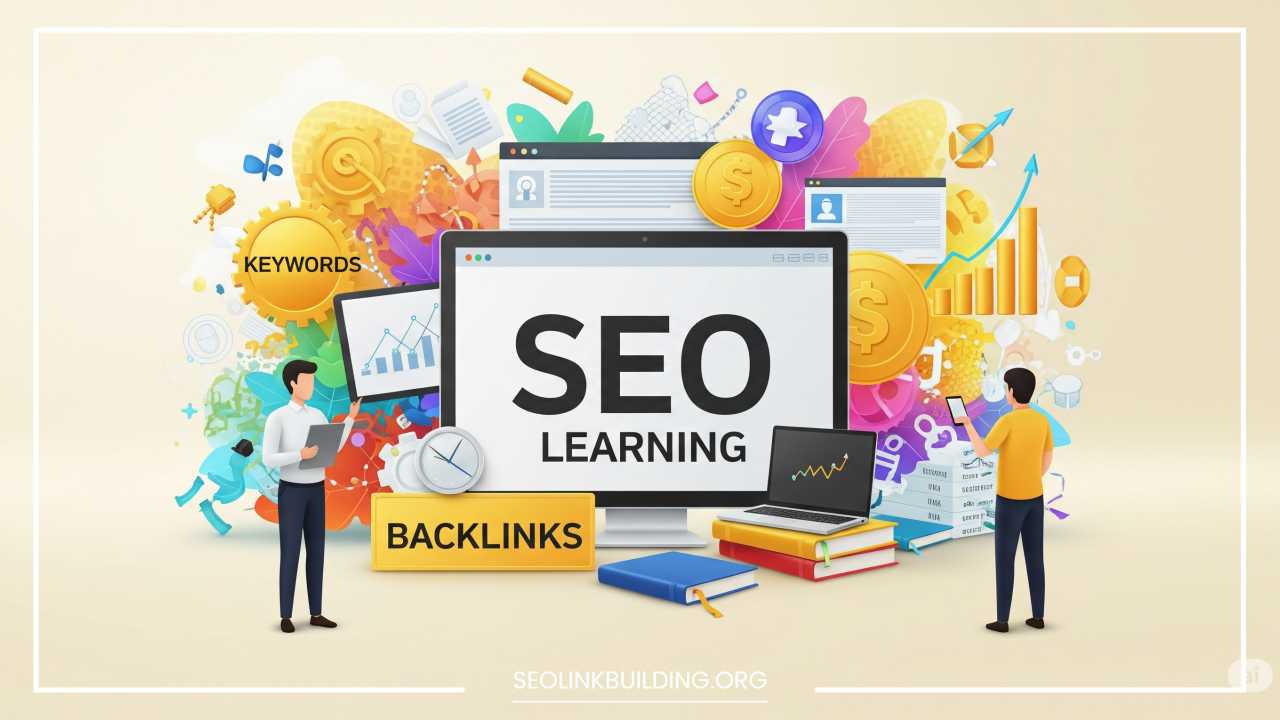
How Do I Learn SEO? A Complete Beginner’s Guide
In today’s digital age, having an online presence is crucial for businesses and individuals alike. But simply existing online isn’t enough; you need to be discoverable. This is where Search Engine Optimization (SEO) comes into play. SEO is the art and science of improving your website’s visibility on search engines like Google, Bing, and Yahoo. When done right, it can drive organic (unpaid) traffic to your site, leading to increased brand awareness, leads, and sales. This comprehensive guide will walk you through everything you need to know about learning SEO, from its fundamental concepts to practical application and continuous learning.
What Is SEO?
At its core, SEO is the practice of optimizing your website to rank higher in search engine results pages (SERPs). The goal is to make your website more appealing to search engines so they present it as a top result when users search for relevant queries. Think of it this way: when you search for something online, you rarely go past the first page of results, right? SEO aims to put your website on that coveted first page.
SEO can be broadly categorized into three main types:
- On-Page SEO: This involves optimizing elements directly on your website that you have control over.
- Off-Page SEO: This refers to activities done outside your website to improve its authority and reputation.
- Technical SEO: This focuses on the technical aspects of your website to help search engines crawl, index, and understand it more effectively.
Search engines work by following a three-step process:
- Crawling: Search engines use “bots” or “spiders” to discover new and updated web pages.
- Indexing: Once crawled, the information from these pages is processed and stored in a vast database called the “index.”
- Ranking: When a user enters a query, the search engine’s algorithm sifts through its index to find the most relevant and high-quality pages to display in the SERPs, determining their order based on various ranking factors.
Core Components of SEO
Understanding the different facets of SEO is crucial for a holistic learning approach.
On-Page SEO
On-page SEO focuses on optimizing individual web pages to rank higher and earn more relevant traffic in search engines.
- Keyword Research and Placement: Keywords are the terms people type into search engines. Thorough keyword research is the foundation of good SEO. It involves identifying relevant keywords with good search volume and manageable competition. Once identified, these keywords should be naturally integrated into your content, headings, and URLs.
- Content Optimization: High-quality, relevant, and engaging content is king. Your content should thoroughly address the user’s intent behind the keywords, be well-structured with clear headings, and provide value to the reader.
- Meta Tags (Title, Description): The meta title is the clickable headline that appears in search results, and the meta description is the brief summary below it. Both should be compelling, accurately describe the page’s content, and include relevant keywords to encourage clicks.
- Internal Linking: Linking to other relevant pages within your own website helps search engines understand the structure of your site and distributes “link equity” across your pages. It also helps users navigate your site more easily.
Off-Page SEO
Off-page SEO refers to actions taken outside of your website to impact your rankings within search engine results pages (SERPs).
- Backlink Building: Backlinks (or inbound links) are links from other websites to yours. They act as “votes of confidence” and signal to search engines that your content is valuable and authoritative. Earning high-quality backlinks from reputable sites is a cornerstone of off-page SEO.
- Social Signals: While not a direct ranking factor, strong social media engagement (shares, likes, comments) can indirectly influence SEO by increasing brand visibility, driving traffic to your site, and potentially leading to more natural backlinks.
- Brand Mentions: Unlinked brand mentions across the web can also contribute to your overall authority and recognition, which search engines may consider.
Technical SEO
Technical SEO ensures that a website meets the technical requirements of modern search engines with the goal of improved organic rankings.
- Site Speed: A fast-loading website provides a better user experience and is favored by search engines. Optimize images, leverage browser caching, and use a reliable hosting provider to improve speed.
- Mobile-Friendliness: With the majority of internet users accessing websites via mobile devices, having a mobile-responsive website is no longer optional. Google prioritizes mobile-friendly sites in its rankings.
- XML Sitemaps and Robots.txt: An XML sitemap is a list of all important pages on your website, helping search engines crawl and index your site more efficiently. A robots.txt file tells search engine crawlers which pages or sections of your site they should or shouldn’t access.
- Structured Data (Schema Markup): Structured data (also known as schema markup) is a standardized format for providing information about a page and classifying its content. It helps search engines understand your content better and can lead to rich snippets in search results (e.g., star ratings, recipe times).
How to Start Learning SEO
The world of SEO can seem vast, but there are plenty of excellent resources to get you started.
- Free Resources:
- Google’s SEO Starter Guide: This is an absolute must-read directly from the source. It provides fundamental best practices from Google itself.
- Moz Beginner’s Guide to SEO: A comprehensive and well-structured guide that covers all the basics in an easy-to-understand manner.
- Yoast SEO Blog: Yoast is a popular WordPress SEO plugin, and their blog offers practical tips and updates.
- Semrush Academy: Offers free courses and certifications on various SEO topics.
- Recommended Blogs:
- Backlinko (Brian Dean): Known for in-depth case studies and actionable strategies, particularly around link building and content marketing.
- Ahrefs Blog: Provides data-driven insights, tutorials, and industry research.
- Neil Patel’s Blog: Covers a wide range of digital marketing topics, including SEO, with practical advice.
- SEO YouTube Channels and Podcasts:
- Ahrefs’ YouTube Channel: Offers excellent video tutorials on using their tool and general SEO strategies.
- Semrush’s YouTube Channel: Similar to Ahrefs, providing valuable insights and how-tos.
- The SEO Rant Podcast: Discusses various SEO topics with industry experts.
- Search Engine Journal’s YouTube Channel: Covers news, updates, and interviews.
- SEO Courses (Free and Paid):
- Free: Look for free courses on platforms like Google Skillshop (for Google Analytics and Search Console), Semrush Academy, and HubSpot Academy.
- Paid: For more in-depth and structured learning, consider paid courses on platforms like Coursera, Udemy, LinkedIn Learning, or specialized courses offered by SEO tool providers like Ahrefs and Semrush. These often come with certifications that can boost your resume.
Hands-On Practice
Reading about SEO is one thing; doing it is another. Practical application is vital for solidifying your knowledge.
- Start a Blog or a Test Website: This is arguably the most effective way to learn. Create a simple blog on a topic you’re passionate about. It doesn’t need to be perfect, just a platform for you to experiment.
- Use WordPress or Other CMS Platforms: WordPress is highly recommended due to its user-friendliness and the abundance of SEO plugins. Other content management systems (CMS) like Shopify (for e-commerce) or even building a simple HTML site can also be good for learning.
- Apply Basic SEO Techniques:
- Install SEO Plugins: If using WordPress, immediately install plugins like Yoast SEO or Rank Math. These plugins guide you through on-page optimization, helping you with meta titles, descriptions, keyword placement, and internal linking.
- Create Keyword-Optimized Content: Write articles, product descriptions, or service pages targeting specific keywords you’ve researched.
- Optimize Images: Compress images, use descriptive file names, and add alt text.
- Improve Site Speed: Use online tools to check your site speed and implement recommendations.
- Analyze Content Performance with Tools: Once your content is live, use tools like Google Search Console and Google Analytics to monitor its performance. See which keywords your pages are ranking for, how much organic traffic they’re receiving, and how users are interacting with your content. This feedback loop is essential for learning and improvement.
Essential SEO Tools to Learn
Tools are indispensable for any SEO professional. Familiarizing yourself with these will significantly enhance your learning and effectiveness.
- Google Search Console (Free): This is a must-have. It’s Google’s own tool that allows you to monitor your site’s performance in Google Search, identify indexing issues, view search queries, and submit sitemaps.
- Google Analytics (Free): Another free and essential tool from Google. It tracks website traffic, user behavior, conversions, and much more. It’s crucial for understanding how users interact with your site and for measuring the impact of your SEO efforts.
- Semrush / Ahrefs / Ubersuggest (Paid, with Free Trials/Limited Versions): These are all-in-one SEO platforms that offer a suite of tools for keyword research, competitor analysis, backlink analysis, site audits, and rank tracking. While they are paid, they often offer free trials or limited free versions that are valuable for beginners.
- Semrush: Excellent for competitor analysis, content marketing, and PPC.
- Ahrefs: Renowned for its backlink analysis capabilities and comprehensive keyword research.
- Ubersuggest (Neil Patel): A more budget-friendly option that offers a good range of SEO features, with a generous free tier.
- Screaming Frog SEO Spider (Freemium): A powerful desktop tool for technical SEO audits. It crawls your website like a search engine bot and identifies common SEO issues such as broken links, missing meta descriptions, duplicate content, and more. The free version allows crawling up to 500 URLs.
- MozBar (Free Chrome Extension): This browser extension provides instant SEO metrics for any webpage you visit, including Domain Authority, Page Authority, and link profiles. It’s useful for quick on-page analysis and competitor research.
Staying Updated in SEO
SEO is an ever-evolving field. What worked last year might not work today due to constant algorithm updates and changes in user behavior. Continuous learning is non-negotiable.
- Importance of Algorithm Updates: Search engines, especially Google, regularly release algorithm updates (e.g., Google Core Updates). These updates can significantly impact rankings, making it crucial to stay informed about their implications and adjust your strategies accordingly.
- Follow SEO News Sources:
- Search Engine Journal: A leading industry publication covering news, trends, and expert analysis in SEO, PPC, and digital marketing.
- Search Engine Land: Another prominent news site that reports on all aspects of the search industry.
- Barry Schwartz’s Search Engine Roundtable: Provides quick summaries of major SEO news and discussions.
- Join Communities: Engaging with other SEO professionals is a great way to learn about new trends, ask questions, and share insights.
- Reddit: Subreddits like r/SEO and r/bigSEO are active communities where you can find discussions and ask questions.
- LinkedIn Groups: Search for SEO-focused groups on LinkedIn to connect with peers and industry experts.
- Slack Channels: Many SEO communities have private or public Slack channels where real-time discussions happen. Look for invitations on SEO blogs or social media.
- Participate in Forums:
- WebmasterWorld: One of the oldest and most respected forums for webmasters and SEOs, offering in-depth discussions.
- Google’s SEO Community/Help Forums: While less about general discussions, these are useful for specific technical questions and direct guidance related to Google’s tools and guidelines.
Common SEO Mistakes to Avoid
As you learn, you’ll encounter various strategies. It’s equally important to know what not to do, as some practices can harm your rankings.
- Keyword Stuffing: Overloading your content with keywords in an unnatural way to try and manipulate rankings. This is a black-hat SEO tactic that search engines penalize. Focus on natural language and readability.
- Buying Backlinks: Purchasing links from link farms or low-quality websites. Google’s algorithms are sophisticated enough to detect unnatural link schemes, leading to penalties. Focus on earning high-quality, relevant backlinks naturally.
- Ignoring Mobile Optimization: Not having a responsive website that adapts well to different screen sizes. As mentioned, mobile-friendliness is a critical ranking factor.
- Poor Site Structure and Navigation: A confusing or illogical website structure makes it difficult for both users and search engine crawlers to understand and navigate your site. Ensure a clear hierarchy and easy-to-use navigation menus.
- Duplicate Content: Having identical or near-identical content on multiple pages of your website or across different websites. This can confuse search engines about which version to rank and dilute your content’s authority. Use canonical tags or 301 redirects to address duplicate content issues.
Creating an SEO Learning Plan
A structured approach will accelerate your learning journey.
- Setting Goals: Start with clear, achievable goals. Instead of “learn SEO,” aim for something specific like:
- “Understand and implement on-page SEO for my blog by the end of next month.”
- “Increase organic traffic to my test website by 20% in three months.”
- “Rank a specific article for a long-tail keyword on the first page of Google.”
- Scheduling Time to Learn and Practice Weekly: Consistency is key. Dedicate specific blocks of time each week for reading, watching tutorials, and most importantly, applying what you’ve learned to your website. Even a few hours consistently can make a big difference.
- Tracking Progress with Analytics: Regularly review your Google Search Console and Google Analytics data. Monitor keyword rankings, organic traffic, bounce rates, and conversion rates. This data will tell you what’s working, what’s not, and where you need to adjust your strategy. Celebrate small wins to stay motivated.
Final Thoughts & Next Steps
Learning SEO is a continuous journey that requires patience, persistence, and a willingness to adapt. You now have a comprehensive roadmap to begin your SEO education. Remember these key takeaways:
- SEO is about making your website discoverable to search engines and users.
- It encompasses on-page, off-page, and technical aspects.
- Leverage the abundance of free and paid resources available.
- Hands-on practice is paramount. Start a website and experiment!
- Familiarize yourself with essential SEO tools.
- Stay updated with industry news and algorithm changes.
- Avoid common pitfalls like keyword stuffing and buying links.
- Create a structured learning plan with clear goals.
Don’t feel overwhelmed. Start with small, manageable steps. Focus on mastering the basics before diving into more advanced techniques. The digital landscape is always shifting, so embrace continuous learning and experimentation. Your efforts will gradually lead to improved visibility, more organic traffic, and ultimately, greater success for your online presence.
Ready to put your knowledge into action? Download our Beginner’s SEO Checklist to kickstart your journey!