How Do I Build an Email List

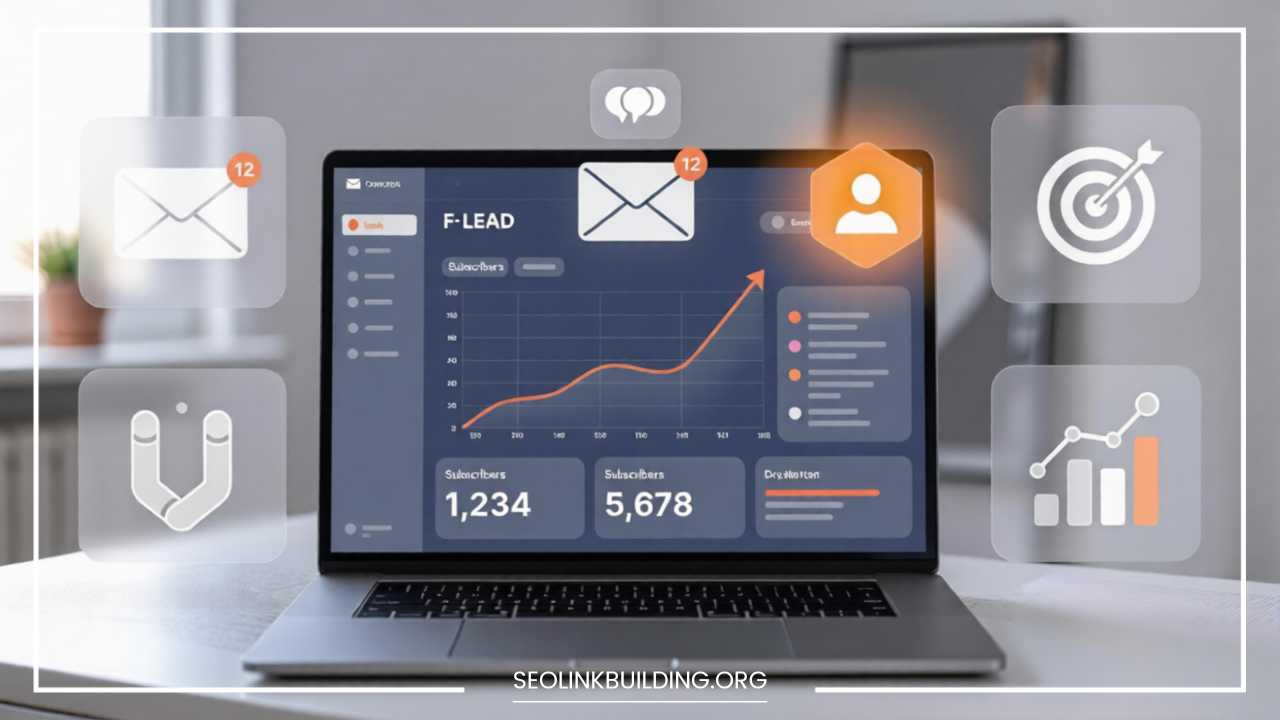
How Do I Build an Email List: Proven Strategies for Fast Growth
In the rapidly evolving landscape of digital marketing, where algorithms change overnight and social media platforms rise and fall, one asset remains the undisputed king of reliability: the email list. While many marketers get distracted by the latest viral trends, the most successful businesses focus on building a direct line of communication with their audience.
Building an email list is often cited as the single most important task for a digital entrepreneur. Whether you are a blogger, an eCommerce store owner, or a service provider, your email list represents your most stable source of recurring traffic and revenue. This article serves as a comprehensive manual for establishing, growing, and maintaining a high-quality email list that delivers results year after year.
Why does email marketing continue to outperform almost every other digital channel? The answer lies in ownership. When you build a following on a social media platform, you are essentially “renting” your audience. If the platform changes its algorithm, switches to a “pay-to-play” model, or decides to shadow-ban your niche, your visibility can vanish in an instant. An email list, however, is an asset you own entirely. It represents a group of people who have explicitly given you permission to enter their most personal digital space: their inbox.
The Power of Direct Access
The benefits of building an email list are substantial. Statistics consistently show that email marketing offers a significantly higher Return on Investment (ROI) than social media, often returning dozens of dollars for every dollar spent. It provides direct access to your prospects, bypasses noisy feeds, and allows for personalized communication that drives conversions.
In this guide, you will learn the proven, fast-growth strategies required to build a robust email list from scratch. We will cover everything from the foundational tools to advanced acquisition tactics, ensuring you have a sustainable engine for business growth that remains evergreen.
What Is an Email List & Why It Matters
At its simplest level, an email list is a collection of names and email addresses gathered by an individual or organization from people who want to receive updates, promotions, or information. But in a strategic sense, it is much more—it is a database of high-intent leads and loyal customers who have raised their hands and said, “I want to hear more from you.”
Owned vs. Rented Audiences
The distinction between an owned audience and a rented audience is the most critical concept in modern marketing.
-
Rented Audiences: These are your followers on platforms like Instagram, TikTok, or LinkedIn. You do not own the data, you do not control the distribution, and you are subject to the whims of a third-party corporation. If their servers go down or their policies change, your business is at risk.
-
Owned Audiences: Your email list and your website. You control when you send a message, how it looks, and who receives it. You can export your list at any time and move it to a different service provider.
Key Benefits of an Email List
-
Higher Conversion Rates: Email is a “pull” medium. People who sign up for your list have already expressed interest in what you offer, making them much more likely to buy than a random scroller on a social feed.
-
Long-term Asset: A social media account can be deactivated, but an email list is a portable business asset. It adds tangible value to your company’s valuation.
-
Personalization Opportunities: With email, you can address a subscriber by name and send them content specifically tailored to their previous behavior, location, or interests. This level of granularity is difficult to achieve on broad social platforms.
Build the Foundation First
Before you start driving traffic to a signup form, you must have the right infrastructure in place. A shaky foundation will lead to “leaky bucket” syndrome, where you work hard to get subscribers only to lose them through poor delivery, lack of engagement, or technical glitches.
1. Choose the Right Email Marketing Platform
An Email Service Provider (ESP) is the software that manages your list, sends your broadcasts, and handles your automation. You should never send bulk marketing emails from a personal Gmail or Outlook account, as this will lead to your address being blacklisted. When choosing a platform, look for these essential features:
-
Automation: The ability to send a “Welcome Sequence” automatically when someone signs up.
-
Segmentation: Tools to group your subscribers based on their interests, purchase history, or engagement levels.
-
Analytics: Clear reporting on open rates, click-through rates (CTR), and unsubscribe rates.
-
Deliverability: A provider with a strong reputation for ensuring emails actually reach the primary inbox instead of the spam or promotions folder.
Popular examples include ConvertKit (great for creators), Klaviyo (the gold standard for eCommerce), and ActiveCampaign (perfect for complex B2B sales funnels).
2. Define Your Target Audience
You do not want any subscriber; you want the right subscriber. A list of 1,000 highly engaged fans is worth more than a list of 10,000 people who don’t care about your topic.
-
Niche Clarity: Who exactly are you trying to help? For instance, “Marketing for organic skincare brands” is far more effective than just “Marketing.”
-
Creating a Simple Customer Avatar: Give your ideal subscriber a name, a job, and a specific set of challenges. This makes writing your emails much easier because you are writing to one person, not a faceless crowd.
-
Pain Points and Goals: What keeps them up at night? What is the one big result they are trying to achieve? Your emails should serve as the bridge between their current struggle and their desired future.
3. Set a Clear Value Proposition
A “Sign up for my newsletter” button is no longer enough to convince savvy internet users. People are protective of their inboxes because of “inbox fatigue.” You must answer the question: “What’s in it for me?” Your value proposition should be a promise of value. Will you save them money? Will you teach them a skill? Will you provide exclusive industry insights that they can’t get anywhere else?
Create an Irresistible Lead Magnet
A lead magnet (also known as an opt-in bribe) is a free asset or service given away for the purpose of collecting contact details. This is the “hook” that turns a casual website visitor into a long-term subscriber.
Types of Lead Magnets That Work
-
Ebooks and Guides: These are classic choices for a reason. They allow you to demonstrate deep expertise in a specific topic.
-
Checklists: These often have the highest conversion rates because they are incredibly easy to consume. A “10-Point Pre-Launch Checklist” feels more attainable than a 50-page ebook.
-
Templates: People love things that save them time. Think “5 Cold Email Templates That Get Replies” or “Budget Tracking Spreadsheet.”
-
Free Courses: A “5-Day Email Challenge” is a great way to build a habit with your subscribers.
-
Discounts and Coupons: For eCommerce, this is nearly mandatory. A “15% off your first order” offer captures customers who are on the fence about a purchase.
What Makes a High-Converting Lead Magnet?
To ensure your lead magnet actually grows your list rapidly, it must follow these rules:
-
Solves a Specific Problem: Don’t try to solve their whole life. Solve one small, nagging problem (e.g., “How to format your Kindle book”).
-
Promises a Quick Win: The user should be able to get a result within minutes of downloading it.
-
High Perceived Value: Even though it’s free, it should look and feel professional.
-
Instant Gratification: Deliver the lead magnet immediately via the first automated email.
Optimize Your Signup Forms
Even the best lead magnet will fail if your signup forms are invisible, ugly, or frustrating to use. You need to place your forms where people are already looking and make them incredibly easy to fill out.
Types of Forms to Use
-
Pop-ups: While some find them annoying, they are statistically the most effective way to grab attention. Use “timed” pop-ups that appear after 30 seconds or “scroll” pop-ups that appear after a user has read half the page.
-
Inline Forms: These are embedded directly within your blog posts. If you are discussing a specific topic, an inline form offering a related guide feels like a natural extension of the article.
-
Slide-ins: These are less intrusive than pop-ups. They slide in from the bottom corner, staying out of the way of the main text but remaining visible.
-
Exit-Intent Forms: These are triggered when a user’s mouse moves toward the “close” tab or the address bar. It is your last-ditch effort to keep them in your ecosystem before they leave, possibly forever.
Form Best Practices
-
The “Less is More” Rule: Every extra field you add (like Company Name or Phone Number) will decrease your conversion rate. For most businesses, First Name and Email Address is all you need.
-
Strong Call to Action (CTA): Avoid generic words like “Submit” or “Join.” Use action-oriented, benefit-heavy language like “Send Me the Guide” or “Start My Free Trial.”
-
Visual Hierarchy: Use contrasting colors for your CTA button so it stands out against the rest of the form.
-
Mobile Optimization: Google penalizes sites with intrusive mobile pop-ups that are hard to close. Ensure your mobile forms are “thumb-friendly” and easy to dismiss.
High-Converting Landing Pages
A landing page is a dedicated webpage designed with one single goal: to get the visitor to sign up for your list. Unlike a homepage, which has many links, menus, and distractions, a landing page is a “closed loop.”
Essential Elements of a Landing Page
-
The Headline: This should be the largest text on the page and clearly state the primary benefit of your offer.
-
Supporting Copy: Use short paragraphs and bullet points to explain what the subscriber will gain. Focus on outcomes, not just features.
-
Social Proof: If you have testimonials from happy subscribers or logos of places your work has been featured, include them here. It builds instant credibility.
-
The “Hero” Image: A visual representation of your lead magnet (like a 3D mockup of an ebook) makes the digital offer feel more “real.”
-
No Navigation: Remove the header and footer links. You want the user to either sign up or hit the “back” button.
-
A/B Testing: Small changes can lead to big results. Try testing a green button versus a red button, or a short headline versus a long one.
Proven Strategies to Grow Your Email List Fast
Once your foundation is set, it’s time to pour fuel on the fire. Use these aggressive growth strategies to scale your list from zero to thousands.
1. Content Marketing and Content Upgrades
Content marketing is the long game, but “content upgrades” can accelerate it. A content upgrade is a lead magnet created specifically for a single, high-performing blog post. If your post is “10 Tips for Better Photography,” your content upgrade might be a “Lighting Cheat Sheet.” Because the offer is perfectly aligned with what the user is currently reading, conversion rates can skyrocket to 20% or higher.
2. Social Media Funnels
Don’t just post content on social media for “likes.” Use it to drive traffic to your landing pages.
-
Instagram/TikTok: Use your “link in bio” to host your most popular lead magnet. In your videos, tell people exactly why they should go click it.
-
Twitter/X: Use “Auto-DMs” (where appropriate) or pinned threads to offer a free resource to your new followers.
-
LinkedIn: Share “Lead Magnet Teasers”—show one page of your PDF and tell people to comment “YES” if they want the full version. This boosts the algorithm and gives you a list of people to message.
3. Paid Advertising
If you have a budget, paid advertising is the fastest way to grow.
-
Facebook and Instagram Ads: These platforms have incredibly granular targeting. You can show your lead magnet only to “Female entrepreneurs aged 30-45 who are interested in yoga and live in New York.”
-
YouTube Ads: A short video ad before a tutorial in your niche can drive high-intent traffic to your signup page.
-
ROI Considerations: To make ads sustainable, you must know the “Lifetime Value” (LTV) of a subscriber. If you spend $3 to get a lead, but you eventually sell that lead a $50 product, your ads are essentially a money-printing machine.
4. Giveaways and Viral Contests
Giveaways can lead to explosive, viral growth. By using tools like KingSumo or Gleam, you can require an email address to enter and give participants “extra entries” for sharing the contest on social media or referring friends.
-
Pro Tip: Ensure the prize is highly specific to your target audience. If you give away a generic Amazon gift card, you’ll get a list of “freebie hunters.” If you give away a year’s supply of organic beard oil, you’ll get a list of bearded men who buy grooming products.
5. Partnerships and Collaborations
Borrowing other people’s audiences is the ultimate growth hack.
-
Guest Blogging: Write for high-traffic sites in your niche and include a link to your lead magnet in your author bio.
-
Cross-Promotions: Find a partner with a similar audience size and “swap” mentions in your newsletters.
-
Influencer Shoutouts: Paying an influencer to recommend your free resource can provide a massive spike in subscribers in a single afternoon.
6 Webinars and Live Events
Webinars have some of the highest conversion rates in the industry. Because they require a time commitment, the people who sign up are “warm leads.” During the webinar, you provide massive value for 45 minutes and then offer a paid product or a deeper resource. Even those who don’t buy the product are now high-quality members of your email list.
Use SEO to Grow Your List
Search Engine Optimization (SEO) isn’t just for getting traffic; it’s for getting subscribers. By ranking for specific keywords, you can capture people exactly when they are looking for a solution to their problem.
-
Targeting “How-To” Keywords: People searching for “how to fix a leaky faucet” are in “solution mode.” If you have a lead magnet titled “The Homeowner’s Emergency Plumbing Guide,” they are highly likely to subscribe.
-
Optimizing High-Traffic Pages: Identify your top 5 most visited pages in Google Search Console. These are your “real estate” goldmines. Ensure each of these pages has a prominent, relevant opt-in form.
-
Content Upgrades for SEO Posts: If a post starts ranking on the first page of Google, immediately create a custom lead magnet for that post. This turns that “passive” search traffic into an active email list.
Segment and Nurture Your Subscribers
Growth is useless if your subscribers forget who you are or get bored with your content. You must nurture the relationship to turn a “lead” into a “fan.”
Why Segmentation Matters
Not all subscribers are created equal. If you run a gardening business, some people might want to grow vegetables, while others want to grow roses.
-
Interest-Based Tags: Tag users based on which lead magnet they downloaded.
-
Behavioral Tags: Tag users who click on a link about “Advanced Techniques.” Now you know they are more experienced and can send them more technical content.
-
Engagement-Based Tags: Identify your “Super Fans” who open every email. You might give them special discounts or early access to new products.
The Welcome Email Sequence
The moment someone joins your list is when they are most excited about your brand. Don’t leave them hanging for a week. A standard welcome sequence looks like this:
-
Email 1 (Immediate): Deliver the promised lead magnet. Briefly introduce yourself and tell them what to expect (e.g., “I’ll be in your inbox every Tuesday with a new tip”).
-
Email 2 (24 Hours Later): Provide extra value. Give them a “bonus” tip they didn’t expect. This builds massive goodwill.
-
Email 3 (Day 3): The “Problem/Solution” email. Talk about a common struggle your audience faces and how you (or your product) can help.
-
Email 4 (Day 5): Social Proof. Share a success story from a client or a personal “before and after.”
-
Email 5 (Day 7): The “Soft Sell.” Invite them to check out your main product, book a call, or join your community.
Common Mistakes to Avoid
Many marketers stunt their own growth by falling into these common traps:
-
Buying Email Lists: This is the fastest way to kill your business. These lists are full of dead accounts and people who didn’t ask to hear from you. It will destroy your deliverability and could lead to legal fines.
-
Too Many Form Fields: Don’t be a “data hoarder.” Ask for the minimum amount of info needed to start the conversation.
-
No Clear Value Proposition: If your site just says “Subscribe for updates,” visitors will assume you’re going to spam them with boring news.
-
Ignoring Mobile Users: Test your forms on an iPhone and an Android. If the “X” to close a pop-up is too small to tap, people will just leave your site entirely.
-
Inconsistency: If you only email once every three months, people will forget who you are. When you finally do send an email, they’ll mark it as spam. Aim for at least once a week or once every two weeks.
Tools to Help You Build Your Email List
To implement these strategies effectively, you need a modern tech stack. You don’t need the most expensive tools, but you do need reliable ones that work together.
-
Email Platforms:
-
ConvertKit: Best for bloggers and creators who need simple but powerful automation.
-
Klaviyo: The undisputed king for Shopify and eCommerce store owners.
-
Beehiiv: A newer platform focused specifically on newsletters and growth features.
-
-
Landing Page Builders:
-
Leadpages: Focused on high-converting templates that are easy to customize.
-
Carrd: A very affordable way to build simple, one-page landing pages.
-
-
Popup and Opt-in Tools:
-
OptinMonster: The most powerful tool for exit-intent and behavior-based popups.
-
RightMessage: Allows you to change the content of your site based on who is visiting.
-
-
Analytics Tools:
-
Google Analytics: To see which traffic sources are resulting in the most signups.
-
Hotjar: To watch recordings of how people interact with your signup forms (and where they get stuck).
-
Final Thoughts
Building an email list is not a “set it and forget it” task, but it is the single most important investment you can make in your digital presence. By moving from a “rented” audience on social media to an “owned” audience in the inbox, you secure the future of your brand and create a direct path to sustainable revenue.
The secret to fast growth is simple: Value. Provide a high-quality lead magnet that solves a real problem, optimize your site to make signing up effortless, and then treat your subscribers with respect by sending consistent, helpful, and engaging content.
If you start today, by this time next month, you could have hundreds—or even thousands—of people waiting to hear from you. The best time to start was years ago; the second best time is right now.