How to Start an Online Business With No Money

How to Start an Online Business With No Money: The Ultimate Guide to Launching for Free
The prevailing myth in the world of entrepreneurship is that you need a massive pile of capital to get a venture off the ground. We are often told stories of startups raising millions of dollars before they even have a website, or retail moguls who took out massive loans to fill warehouses with inventory. This narrative creates a psychological barrier for the average person. It makes business feel like an exclusive club where the entry fee is a bank account most people don’t have.
However, the digital landscape has fundamentally changed the physics of commerce. Today, the cost of entry for many business models has dropped to exactly zero. If you have an internet connection, a device, and a specific set of skills (or the willingness to acquire them), you have everything you need to build a profitable enterprise.
In this guide, we are going to explore how to start an online business with no money by leveraging digital sweat equity. We will flip the script on traditional business logic. Instead of using financial capital to buy speed or inventory, you will use your time, creativity, and consistency to build momentum. This isn’t about magic; it is about utilizing free tools and proven frameworks to create value in the marketplace.
What Starting With Zero Dollars Actually Means
Before we dive into the specific methods, we must align on what it actually means to start a business for free. “Free” refers strictly to financial capital. It does not mean the business requires no investment. In fact, when you remove the financial element, you must double down on other forms of leverage.
The Trade-Off: Time and Effort
When you don’t have money to pay for advertising, you must invest time in organic marketing. When you don’t have money to hire a developer, you must invest time in learning how to use no-code tools. Starting with no money requires a high degree of patience. You are building the foundation brick by brick, and while this takes longer than buying a pre-made house, the resulting structure is often more resilient because you understand every inch of it.
Think of it as the difference between a microwave meal and a slow-cooked feast. The microwave meal is fast but expensive for what it is. The slow-cooked meal requires you to chop the vegetables and watch the flame, but the depth of flavor is superior. In business, that “flavor” is your understanding of your customer base and your operational efficiency.
The Skill Requirement
To succeed without a budget, you must become a versatile entrepreneur. This means having a broad understanding of many things—marketing, sales, basic design, customer service—and a deep expertise in one specific area. Fortunately, the internet is the world’s greatest free university. Various educational blogs and video platforms provide the roadmap for any skill you need to develop.
You must adopt a growth mindset. If you encounter a problem that usually costs money to fix, your default response should be: “How can I learn to do this myself using free tools?”
The Role of Free Tools
We live in a golden age of software. Almost every tool required to run a modern business—from website builders and email marketing platforms to design software and project management suites—offers a robust free tier. Your job as a zero-budget entrepreneur is to stitch these free tools together to create a professional experience for your customers. You are the architect of a low-cost, high-value digital ecosystem.
Way #1: Freelancing (Sell a Skill You Already Have)
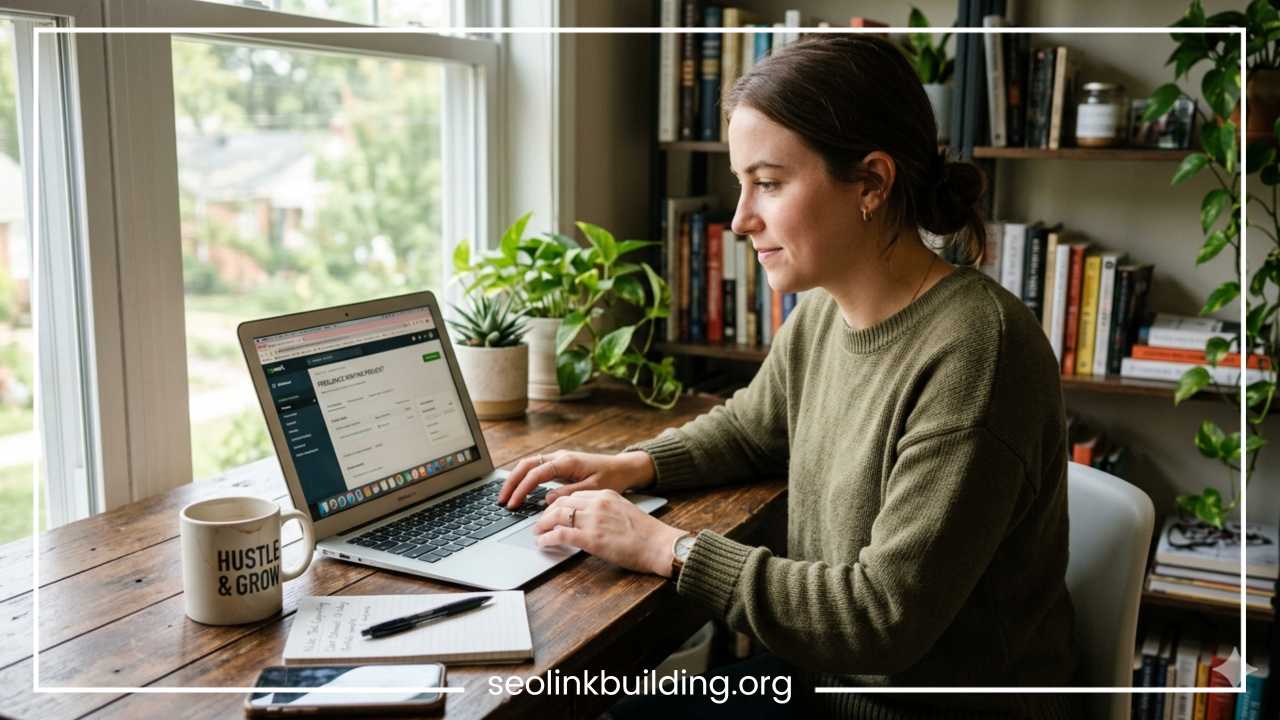
The fastest way to go from zero to your first dollar is freelancing. This is because freelancing is a direct exchange of value. You have a skill, a business has a problem, and they pay you to solve it. There is no inventory to buy and no long-term audience building required before you see a return.
Identifying Your Marketable Skills
Most people underestimate what they can get paid for. If you can write a coherent email, edit a video for social media, or organize a spreadsheet, you have a marketable skill. High-demand areas include:
-
Copywriting: Writing sales pages, emails, or advertisements.
-
Content Writing: Crafting blog posts and articles for search engines.
-
Graphic Design: Creating social media posts, logos, or pitch decks.
-
Video Editing: Specifically for short-form platforms like Reels.
-
Social Media Management: Handling the posting and engagement for brands.
-
Virtual Assistance: Managing emails, scheduling, and data entry.
Utilizing Platforms for Discovery
When starting with no budget, you shouldn’t spend money on a fancy portfolio website. Instead, go where the clients already are. Marketplaces act as search engines for services. While they take a percentage of your earnings, the entry fee is nothing.
The key to winning on these platforms is a hyper-specific profile. Don’t be a general writer; be a specialist in a specific industry. Specialization allows you to charge more and makes it easier for clients to choose you over a generalist.
Building a Portfolio From Scratch
The biggest hurdle for new freelancers is the lack of social proof. The solution is to do two or three beta projects. Reach out to a non-profit or a friend with a small business. Offer to do a project for free or at a deep discount in exchange for a glowing testimonial and permission to use the work in your portfolio. Once you have three solid samples and three testimonials, you are a professional with a track record.
Scaling Into an Agency
Once you have mastered your workflow and have more client requests than you can handle, you can transition into an agency model. You begin to outsource the execution to other freelancers while you focus on sales and strategy. This is how you stop trading hours for dollars and start building a scalable business.
Way #2: Print-on-Demand (No Inventory Needed)
Traditional retail requires you to buy hundreds of units of a product and hope they sell. Print-on-Demand (POD) eliminates this risk. In this model, you design a product—like a t-shirt, mug, or phone case—list it online, and the product is only manufactured and shipped after a customer pays for it.
How the Model Works
You act as the designer and marketer. You connect a POD provider to an online storefront. When a customer buys a shirt, the POD provider takes their cut for the material and printing, and you keep the remaining amount as profit. You never touch the product, and you never pay for inventory upfront.
Using Free Design Tools
You do not need to be a professional artist to succeed. In fact, some of the best-selling designs are simple text-based shirts that resonate with a specific subculture or hobby. Use free tools like Canva to create your designs. Focus on typography and clear messaging. A witty phrase for a specific profession often sells better than a complex illustration.
Niche Selection
The secret to POD is niche selection. Don’t just make generic shirts. Make shirts for very specific groups, like specific breeds of dog owners or niche hobbies. The more specific the niche, the less competition you have and the more likely someone is to feel a personal connection to the design.
Way #3: Affiliate Marketing (Earn Without Creating a Product)
Affiliate marketing is the process of earning a commission by promoting other people’s or companies’ products. You find a product you like, promote it to others, and earn a piece of the profit for each sale that you make.
Finding Affiliate Programs
Almost every major brand has an affiliate program. There are also high-ticket affiliate programs, often for software or online courses, that pay much higher percentages—sometimes 30% to 50% of the sale.
Traffic Sources
To succeed, you need an audience that trusts your recommendations. You can build this via:
-
A Niche Blog: Write helpful guides or product reviews.
-
Video Content: Create tutorials where you demonstrate the product.
-
Social Media: Build a following by sharing your journey and the tools you use.
The Importance of Trust
The common mistake is spamming links. If you just drop links everywhere without providing value, people will ignore you. Your goal is to be a helpful guide. If you help someone solve a problem, they will be happy to use your link as a way of saying thanks.
Way #4: Dropshipping (Sell Without Holding Stock)
Dropshipping is a retail fulfillment method where a store doesn’t keep the products it sells in stock. Instead, when you sell a product, you purchase the item from a third party and it is shipped directly to the customer.
How it Works
-
A customer places an order on your online store.
-
Your store sends the order to your supplier.
-
The supplier ships the product directly to the customer.
-
You keep the difference between the price you charged and the price the supplier charged you.
Free Traffic Methods
While many people spend thousands on ads, you can start for free by using short-form video platforms. Order a single sample of your product, create engaging videos of it in use, and use trending audio to reach a wide audience. If a video goes viral, you can generate sales with zero ad spend.
Risks and Validation
The risks include long shipping times and thin profit margins. To mitigate this, validate your products before committing. See what is trending on social media and look for products that solve a pain point or have a unique factor that makes people stop scrolling.
Way #5: Content Creation (Build Audience First)
Content creation involves building a brand around your personality, your knowledge, or a specific interest. This is the “media first” approach to business.
Choosing Your Platform
Focus on the platform that aligns with your strengths:
-
Video: Great for educational content and search traffic.
-
Short-Form Video: Perfect for visual storytelling and rapid growth.
-
Newsletters: Ideal for deep-dive writing and direct audience ownership.
Types of Content
You can create educational content, entertainment, or a personal brand. The goal is to provide enough value that people feel compelled to follow you.
Monetization Strategy
In the beginning, you won’t make any money. You are building digital real estate. As your audience grows, you can monetize through sponsorships, affiliate links, or eventually selling your own products. This creates a strong competitive advantage because nobody can replicate your personality.
Way #6: Digital Products (Create Once, Sell Forever)
Digital products are items like E-books, templates, planners, or recorded workshops. They are a powerful no-money business because they cost nothing to manufacture and nothing to ship.
Leveraging Existing Knowledge
Think about what people always ask you for help with. Are you great at organizing? Sell a planner template. Are you an expert at a specific software? Sell a strategy guide. Are you a fitness enthusiast? Sell a workout plan.
Validation and Pricing
Before spending weeks creating a product, create a minimum viable product. Offer a free checklist or a one-page summary. If people download it, you know there is interest. Keep your initial pricing accessible to build a customer list, then introduce higher-priced products later.
Platforms
There are many platforms that allow you to set up a shop for free and only take a small fee when you make a sale. You can also use existing marketplaces that already have a massive built-in audience searching for products.
Way #7: Online Services / Micro-Agency
This is the evolution of freelancing. Instead of selling tasks, you sell results. A micro-agency focuses on a very narrow service and delivers it at scale.
High-Value Services
-
Lead Generation: Finding potential customers for local businesses.
-
Ad Management: Running the social media ads for brands.
-
Reputation Management: Helping businesses get more reviews.
Cold Outreach and Getting Clients
Since you have no budget, you must be the sales department. Use professional networking sites or email to reach out to business owners. A highly effective method is recording a short video showing a business owner exactly how you can help them. It shows initiative and provides immediate value.
Free Tools to Run Your Business
To keep your costs at zero, you need to be savvy about the software you use.
-
Design: Professional-grade free graphic design tools.
-
Communication: Video conferencing and team chat apps.
-
Project Management: Digital boards to keep track of your tasks and clients.
-
Payments: Global payment processors that only charge per transaction.
-
Marketing: Email marketing services that offer free tiers for beginners.
Deep Dive: The Mechanics of Organic Growth
When you are starting with zero dollars, your marketing budget is replaced by your understanding of algorithms and human psychology. Organic growth is the process of getting customers to find you without paying for placement. This is the most critical skill for a zero-budget entrepreneur.
Search Engine Optimization (SEO)
SEO is the art of making your content appear at the top of search results. Whether you are writing a blog post, a YouTube description, or an Etsy listing, you must identify the keywords your target audience is searching for. Tools that offer free daily searches can help you find “long-tail” keywords—specific phrases that have lower competition.
Viral Loops and Social Proof
On social media, the goal is to create content that people want to share. Sharing is the highest form of endorsement. When someone shares your post, they are essentially giving you free advertising to their entire network. To encourage this, your content must be either highly educational, extremely relatable, or emotionally moving.
Common Mistakes to Avoid
The lack of money isn’t what kills most online businesses—it’s the lack of discipline and the trap of common pitfalls.
Shiny Object Syndrome
Because it’s free to start, it’s easy to quit. Many people jump from one idea to another the moment things get difficult. They try one thing for a week, get bored, and try another. They never build enough momentum. Pick one path and commit to it for at least six months. Consistency is the only way to break through the initial “noise” of the internet.
Ignoring Marketing
You can have the best product in the world, but if nobody knows it exists, you don’t have a business. At least half of your time should be spent on marketing—reaching out to clients, optimizing your content, or engaging with your community.
Copying Instead of Differentiating
Don’t just copy what everyone else is doing. If you see a successful freelancer, don’t copy their profile word-for-word. Look for the gap in the market. What are they missing? How can you add a unique twist? Differentiation is how you command higher prices even when you are just starting out.
How to Choose the Right Method
The best business is the one you will actually stick with. To choose, look at the intersection of your skills, your interests, and your personality.
-
Creative/Visual: Print-on-Demand or Content Creation.
-
Analytical/System-Oriented: Dropshipping or Affiliate Marketing.
-
People-Oriented/Helpful: Freelancing or Online Services.
-
Knowledge-Oriented: Digital Products.
Start with just one path. Once that path is generating consistent income, you can use that capital to expand into other models. The “stacking” of business models is how many successful online entrepreneurs build empires.
The Importance of Building an Email List
Regardless of the method you choose, your most valuable asset is your email list. Algorithms on social media can change overnight. A platform might ban you, or your reach might suddenly drop. An email list is a direct line to your customers that you own. Start collecting emails from day one by offering a “lead magnet”—a small piece of free value in exchange for an address.
Managing Your Mental Health and Motivation
Starting a business without capital is mentally taxing. You will face rejection and long periods where it feels like nobody is paying attention. It is vital to celebrate small wins. Your first subscriber, your first five-star review, or your first $5 profit are all proof of concept.
Don’t compare your “Chapter 1” to someone else’s “Chapter 20.” The person you see making six figures likely spent years in the same position you are in now.
Action Plan: Step-by-Step Start Today
You do not need more information; you need execution. Here is your roadmap for the next 14 days.
Day 1: Pick Your Model
Decide today which of the seven ways you will pursue. Don’t sleep until you have made a choice.
Day 2–3: Skill Audit and Learning
Identify the one “bridge skill” you need—be it writing, basic design, or sales—and spend these two days practicing it relentlessly using free resources.
Day 4–7: Create Your First Offer
Set up your profile, design your first product, or write your first post. Get something live on the internet. Perfection is the enemy of progress; “good enough” is your starting line.
Week 2: The Outreach Phase
Start promoting. Send outreach emails or post videos daily. Your only goal this week is to get your first response—because that means you are finally in the game.
Final Thoughts
The barrier to starting an online business is no longer financial; it is mental. We live in a world where the tools of production are available to anyone with an internet connection. A lack of funds is no longer a valid excuse for staying on the sidelines.
The seven methods outlined here represent real, proven paths to income. They require different skills and offer different rewards, but they all share one thing in common: they value your initiative more than your bank account. Starting with nothing is actually an advantage—it forces you to be scrappy, to learn the fundamentals, and to build a business based on real value.
The most important step is the first one. Stop planning, stop researching, and start building. Your future business doesn’t need a loan; it needs your time, your focus, and your commitment. The internet is waiting. Get started today.
Frequently Asked Questions
How can a teenager start an online business with no money?
Teenagers can start by leveraging social media skills or creative talents. Platforms like YouTube or TikTok allow for content creation at zero cost, while sites like Fiverr (with parental consent) offer a space to sell services like video editing, gaming coaching, or graphic design. The key for younger entrepreneurs is to focus on digital products or services that don’t require legal contracts or high overhead.
What are the most profitable online businesses to start with zero capital?
The most profitable models are usually service-based, such as high-ticket freelancing (copywriting, SEO consulting, or software development) and digital product sales. Because these models have no “cost of goods sold,” almost 100% of the revenue is profit. Affiliate marketing for high-end software also offers significant returns without requiring a personal product.
Is it possible to start a dropshipping business with no money for ads?
Yes, it is possible by using organic social media marketing. Instead of paying for Facebook or Google ads, you can create viral content on TikTok, Instagram Reels, or YouTube Shorts. By ordering a single sample and creating engaging demonstrations, you can drive free traffic to your store. This method takes more time and creativity but eliminates the financial risk of ad spend.
Which free tools are best for building an online business from scratch?
For design, Canva is the industry standard for non-designers. For website building and sales, Gumroad or Substack allow you to sell products or newsletters for free. For communication, Google Meet and Slack provide professional infrastructure at no cost. For project management, Notion or Trello are excellent for keeping your business organized without a subscription fee.
How long does it take to see profit when starting an online business with $0?
Typically, service-based businesses like freelancing can see profit within the first 30 days if you are aggressive with outreach. Content-based models, like affiliate marketing or YouTube, usually take 6 to 12 months of consistent posting to build enough trust and traffic to generate significant income.
Can I start an online boutique with no money for inventory?
Yes, by using the Print-on-Demand model. You can create a brand and design apparel or home decor, then list them on a free storefront. The items are only printed and shipped when a customer makes a purchase, meaning you never have to buy stock upfront or manage a warehouse.
What is the easiest online business for beginners to start today?
Freelancing is generally considered the easiest starting point because it requires the least amount of technical setup. If you can perform a task that someone else is willing to pay for, you can start your business simply by sending a pitch or creating a profile on a freelance marketplace.