What Is Music Marketing

What Is Music Marketing | Definition, Strategies & Examples
In the history of music, talent has always been the necessary spark, but marketing is the fuel that turns that spark into a blazing, sustainable career. The world is full of brilliant musicians who remain undiscovered, not due to a lack of artistry, but due to a failure in promotion. Building a successful music career in the 21st century is no longer just about writing a hit song; it’s about crafting a compelling narrative, cultivating a dedicated community, and mastering the complex machinery of modern distribution.
For centuries, an artist’s reach was dictated by gatekeepers—radio stations, record label executives, and physical distributors. Today, the landscape is a dynamic, decentralized digital ecosystem. The power has shifted, and a single song can go from a bedroom studio to global domination overnight, largely thanks to platforms like TikTok and Spotify. However, this democratization has also led to saturation; thousands of songs are uploaded daily, making the competition for attention fiercer than ever.
This is where music marketing becomes indispensable. This article will serve as your definitive guide, exploring the core definition of music marketing, detailing its critical importance, breaking down the essential components of a robust strategy, and illustrating these concepts with powerful, real-world examples.
What Is Music Marketing?
Definition
At its core, music marketing is the strategic process of promoting an artist, their music, and their personal brand to the right audience with the goal of driving streams, sales, and long-term fan engagement. It is the bridge between the finished creative product and the consumer. It involves everything from the micro-level task of designing a single’s cover art to the macro-level strategy of launching a global tour.
Music Marketing vs. Music Promotion
It is crucial to distinguish between music promotion and music marketing. While often used interchangeably, promotion is a tactic within the larger strategy of marketing.
- Music Promotion generally refers to the immediate, short-term actions taken to push a specific piece of music. This includes running a Facebook ad campaign for a new single, sending a pitch to a playlist curator, or getting a press feature on a music blog. It is tactical and often project-focused.
- Music Marketing is the overarching, long-term strategic framework. It encompasses the entirety of the artist’s public identity. This includes defining the artist’s brand, analyzing audience data, deciding on the best content mix (music videos, photos, shorts), choosing distribution channels, and planning the sequence of releases over months or even years. Marketing answers the “why” and “how” of the career, while promotion handles the “what now.”
Key Elements of a Marketing Strategy
A comprehensive music marketing strategy is multi-faceted and involves several key elements working in concert:
- Branding: Defining the artist’s unique visual identity, narrative, and sound aesthetic.
- Content Creation: Producing all the necessary auxiliary assets—not just the music, but the music videos, short-form video content, high-quality photography, and lyric snippets.
- Fan Engagement: Building and maintaining a community through responsive social media interaction, email newsletters, and live experiences.
- Analytics and Data: Monitoring key performance indicators (KPIs) like streams, demographics, conversion rates, and engagement to refine and optimize future campaigns.
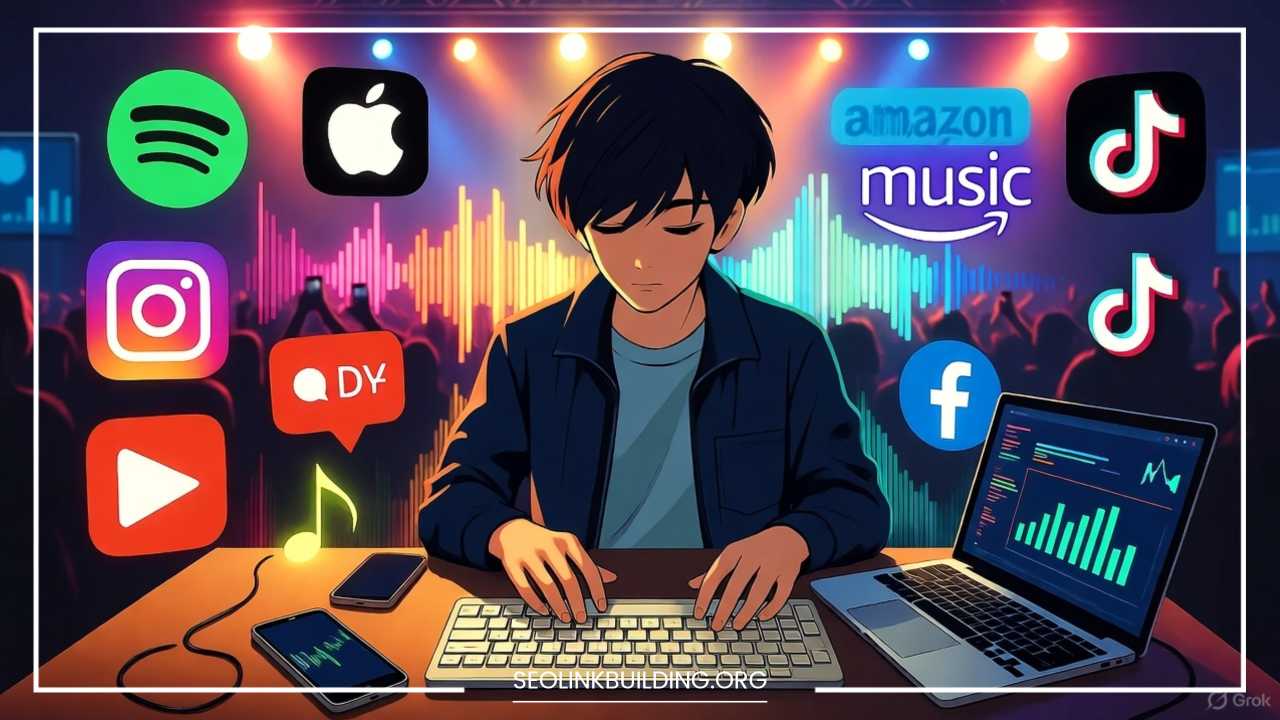
- Distribution: Ensuring the music is available on all major streaming and retail platforms (Spotify, Apple Music, Tidal, Amazon Music, Bandcamp, etc.) with a coordinated release schedule.
Ultimately, music marketing is the essential business plan that supports the creative output. No matter the genre—pop, classical, hip-hop, or experimental—a thoughtful, well-executed marketing plan is mandatory for transforming an artistic endeavor into a viable, lasting career.
Why Music Marketing Matters
In the contemporary music landscape, simply creating great music is a necessary but insufficient condition for success. The sheer volume of music being released daily creates an immense barrier to entry for any artist seeking a sustainable career. This is precisely why effective marketing is the definitive differentiator.
Standing Out in a Saturated Market
Every 24 hours, tens of thousands of songs are uploaded to digital streaming platforms. This vast ocean of content means that an artist’s work, no matter how brilliant, can easily be swallowed up. Marketing provides the beacon that helps the right listeners find the music.
- It helps an artist carve out a niche by clearly defining who they are and who their music is for.
- It provides the velocity needed to push a song past the initial discovery phase and into algorithmic recommendation engines (like Spotify’s Release Radar or Discover Weekly).
Building Identity and Cultivating a Fan Base
Marketing is the process of translating an artist’s inner world into a compelling public identity. An artist’s “brand” is not just a logo or color palette; it is the sum total of the story, the personality, the aesthetic, and the musical themes that resonate with the audience.
Effective marketing creates connection. It moves the listener from being a casual streamer to a dedicated fan who is invested in the artist’s journey. This is achieved by:
- Storytelling: Sharing the “why” behind the music—the inspiration, the production process, and the artist’s personal journey.
- Consistency: Maintaining a cohesive tone and style across all platforms, from the album art to the social media captions.
- Community: Providing fans with exclusive access and a sense of belonging, transforming consumption into conversation.
The Path to Revenue and Opportunity
While the goal of music is often artistic expression, sustainable growth requires streams, sales, and opportunities. Effective marketing is the engine that drives these metrics:
- Increased Streams and Sales: Targeted marketing ensures the music reaches its ideal audience, leading directly to higher streaming numbers, which translate to royalties.
- Live Opportunities: A strong marketing presence and verifiable fan engagement data are crucial leverage points when booking tours, signing with a booking agent, or getting festival slots. Promoters want to know an artist can sell tickets, and marketing metrics prove market demand.
- Brand Partnerships: Artists with a clear brand and a dedicated, demographic-specific audience become attractive partners for commercial brands, opening up significant non-royalty revenue streams.
Core Components of Music Marketing
A successful music marketing campaign is built on five interconnected pillars, each essential to the overall structure.
1. Branding: The Artist’s Identity
Branding is the foundation of music marketing. It is what makes an artist instantly recognizable and memorable. It must be authentic, clear, and consistently applied.
- Artist Persona: Defining the public character—are they mysterious, vulnerable, rebellious, or introspective? This informs all public communication.
- Visuals: Developing a signature aesthetic across all assets: album covers, press photos, logo, website design, and music video style. High-quality, professional visuals are non-negotiable.
- Story & Tone: Crafting a compelling backstory that explains the artist’s motivations and music’s themes. The tone of communication (serious, humorous, energetic) must be consistent with the music itself.
2. Content: The Fuel for the Machine
In the digital age, an artist must be a content creator as much as a musician. Content is everything created that is not the master recording itself, but supports its discovery and consumption.
- Music Videos & Visualizers: High-production videos are essential, but simple visualizers or “official audio” videos help maintain a presence on YouTube.
- Behind-the-Scenes (BTS): Showing the human side of the music creation process—studio sessions, writing struggles, and life on the road—builds relatability.
- Short-Form Video: Clips for TikTok, Instagram Reels, and YouTube Shorts are the most critical format for organic discovery today, often focusing on a specific, engaging snippet of a song.
- Photography & Artwork: Professional press photos, lyric graphics, and promotional countdown assets are crucial for press releases and social media campaigns.
3. Distribution: The Path to the Listener
Distribution ensures the music is available where listeners consume it. The strategy goes beyond just uploading files; it involves platform optimization.
- Digital Streaming Platforms (DSPs): Services like Spotify, Apple Music, and Amazon Music are primary distribution points. Artists must ensure metadata is accurate and optimized for search.
- Niche Platforms: Depending on the genre, platforms like SoundCloud (for early-stage discovery, DJs, and remixes) or Bandcamp (for higher-margin digital and physical sales) are vital.
- Pitching: Proactive pitching of unreleased music to editorial teams (e.g., via Spotify for Artists) is a critical step in the distribution timeline.
4. Audience Engagement: Building the Community
Marketing is a two-way street. Engagement is the act of transforming a passive audience into an active community.
- Social Media Interaction: Going beyond posting to actively responding to comments, direct messages, and even creating content based on fan input.
- Email Lists: This remains one of the most valuable assets, offering a direct, algorithm-free line of communication for exclusive news, pre-sale codes, and merchandise drops.
- Live Shows: Live performances are the ultimate engagement tool, converting digital fans into real-world advocates and providing unique, shareable content.
5. Data & Analytics: Optimization and Insight
The digital ecosystem provides vast amounts of data that, when utilized correctly, inform every subsequent marketing decision. Data removes the guesswork.
- Platform Analytics: Using tools like Spotify for Artists and Apple Music for Artists to track listener demographics, geographical location, source of streams (playlists, radio, search), and saving behavior.
- Social Media Insights: Monitoring engagement rates, best posting times, top-performing content formats, and audience sentiment on platforms like Instagram and TikTok.
- Conversion Tracking: Measuring the effectiveness of paid advertising by tracking how many ad clicks convert into streams, email sign-ups, or merchandise purchases. This ensures marketing spend is maximized.
Modern Music Marketing Strategies
The music marketing playbook is constantly evolving, driven by new technologies and shifts in consumer behavior. A successful modern strategy requires a dynamic mix of organic and paid tactics.
1. Social Media Marketing: The Discovery Engine
Social platforms are the primary engine for organic music discovery. The focus has shifted dramatically from static posts to short-form, engaging video.
- TikTok, Instagram Reels, YouTube Shorts: These platforms prioritize short, looping, high-impact video clips. Artists must create content that is native to the platform, such as lip-sync challenges, aesthetic montages using their track, or personal stories set to the music. The goal is a viral moment around a catchy 10-15 second snippet of the song.
- Consistency and Trend Jacking: Regular posting is essential, but equally important is the ability to quickly adapt a current viral meme or sound to the artist’s unique brand.
- Direct Interaction: Using features like Q&As, polls, and live streams to establish a personal rapport with followers.
2. Influencer & Collaboration Marketing
Instead of purely relying on traditional press, modern campaigns leverage the reach of influential digital voices.
- Micro-Influencers: Partnering with creators (not necessarily music-focused) who have smaller but highly engaged audiences. If an artist’s song fits the vibe of a popular beauty vlogger or gaming streamer, a placement can expose the music to a highly targeted, new demographic.
- Playlist Curators: Pitching music to influential third-party playlist curators on Spotify and Apple Music, as algorithmic playlists often feed off the data from these organic placements.
- Artist Collaborations: Strategic partnerships with artists in adjacent genres can instantly expose one artist’s work to another’s existing fan base.
3. Email & Fanbase Building: The Owned Channel
While social media is rented space controlled by algorithms, the email list is an artist’s owned channel, providing the most reliable avenue for communication.
- Newsletters: Offering fans exclusive, in-depth content—first looks at lyrics, personalized messages, pre-sale links for tickets, and early access to merchandise.
- Lead Magnets: Offering a free incentive (e.g., a bonus track, a discount code, a digital poster) in exchange for an email sign-up. This is critical for moving a casual listener into the “superfan” pipeline.
- Segmentation: Organizing the email list by geographical location, merchandise buyers, or tour attendees allows for highly targeted, personalized communication.
4. Paid Advertising: Precision Targeting
Paid ads are necessary to break through the organic noise and scale an audience quickly. Modern advertising platforms allow for hyper-specific targeting.
- Facebook/Instagram Ads: The most common starting point. Artists can create lookalike audiences based on existing fans who stream their music or interact with their social pages, then run ads to similar profiles. Campaigns are typically optimized for conversion (driving streams or email sign-ups).
- YouTube Ads: Running short, skippable ads using a high-impact clip of the music video, often targeted at viewers who watch videos from similar artists.
- Spotify Marquee: A platform-specific ad unit that promotes a new release to listeners who have shown an affinity for the artist’s music but haven’t streamed the new release yet. This is a powerful tool for driving early streams.
5. Music PR & Press Coverage: Credibility and Narrative
Traditional Public Relations (PR) still plays a vital role in building credibility and a professional narrative.
- Targeted Pitching: Sending professionally crafted press releases and Electronic Press Kits (EPKs) to relevant music blogs, genre-specific online magazines, and local/independent radio stations.
- Story Angle: Successful PR focuses less on “I have a new song” and more on the story—the unique circumstances of the song’s creation, the social themes it addresses, or a major life event it documents.
- Podcast Placement: Securing interviews on relevant music or lifestyle podcasts provides a long-form opportunity for the artist to share their story authentically.
6. SEO for Musicians: Digital Discoverability
Search Engine Optimization (SEO) ensures that when fans search for an artist, they find the official, up-to-date presence immediately.
- Website Optimization: Ensuring the artist’s official website is fast, mobile-friendly, and has clean domain authority. All lyrics, album titles, and the artist name should be correctly tagged for search engines.
- YouTube SEO: Optimizing video titles, descriptions, and tags with relevant keywords and related artists to maximize organic views.
- “Claiming” Profiles: Ensuring all platform profiles (Spotify, YouTube, Instagram) are officially linked and verified, increasing their prominence in search results.
Offline & Experiential Music Marketing
While digital strategy dominates, the real-world connection remains the most potent form of conversion and community building.
Live Performances as Marketing Tools
The show is not just a performance; it’s a branded, shareable experience.
- Touring: Structuring tours not only for profit but to build concentrated fan bases in key markets that can be leveraged later for paid advertising and press.
- Visual Production: Investing in unique stage visuals, lighting, and stage presence that make the show a memorable event, encouraging audience members to film and share clips on social media.
- Meet-and-Greets: Providing dedicated time for fans to interact, strengthening personal bonds, and providing exclusive photo opportunities.
Merchandising and Physical Branding
Physical goods extend the artist’s brand beyond the auditory realm.
- Quality and Creativity: Merch should be high-quality and creatively designed, acting as a walking billboard for the artist. Unique items (e.g., custom vinyl variants, themed accessories) create scarcity and urgency.
- Physical Media: Vinyl and cassette tapes, while no longer mass-market, are high-value collector items that drive revenue and foster deep fan loyalty.
Community and Street Teams
Grassroots efforts can be incredibly effective, especially in local markets.
- Street Teams: Utilizing dedicated fans or volunteers to promote shows, distribute physical flyers, and engage with local venues or businesses.
- Local Community Building: Participating in local workshops, community radio interviews, or charity events. This builds a foundation of local support that can translate to regional and national interest.
- Word-of-Mouth: The most powerful form of marketing remains organic enthusiasm. Experiential marketing is designed to give fans a positive, memorable experience they are compelled to share with their peers.
Digital Tools & Platforms for Music Marketing
The modern music marketer relies on a sophisticated stack of tools to manage the complexity of multi-platform campaigning.
| Category | Tool Examples | Core Function |
| Social Media Management | Hootsuite, Later, Buffer | Scheduling posts across all platforms, unified inbox management, cross-platform reporting. |
| Design & Content Creation | Canva, Adobe Express | Creating professional-looking social media graphics, lyric videos, and ad creative without needing a full design team. |
| Email Marketing | Mailchimp, ConvertKit | Building and managing the email list, designing automated welcome sequences, and sending targeted campaigns. |
| Analytics & Data | Chartmetric, Soundcharts | Aggregating data from multiple DSPs and social platforms into one dashboard for competitive analysis and career tracking. |
| Distribution | DistroKid, TuneCore, CD Baby | Delivering master recordings and metadata to hundreds of streaming and digital retail platforms globally. |
| Fan Engagement | Bandcamp, Patreon | Offering direct-to-fan sales and subscription-based exclusive content for a higher revenue share. |
Effective marketing involves creating an integrated workflow where data from analytics tools informs the creative strategy, which is then deployed through scheduling tools, and distributed via digital distributors. For instance, data from Spotify for Artists showing a high listenership in London can trigger a targeted Facebook ad campaign in the UK (deployed via Facebook Ads Manager) promoting a London tour date (sold via the website, which is powered by Mailchimp sign-ups).
Real-World Examples of Successful Music Marketing
Examining successful campaigns highlights how a unified strategy translates into real-world impact.
1. Billie Eilish: Branding and Digital Storytelling
Billie Eilish’s breakout was a masterclass in cohesive, anti-pop branding.
- The Strategy: Her marketing leaned heavily on a unique, consistent visual identity (oversized clothes, neon green accents, “horror” aesthetic) that was a sharp contrast to the polished pop stars of the time. Her content was dark, intimate, and often unsettling, mirroring her sound.
- Execution: Crucially, her team understood the power of direct connection. Early on, she and her brother/producer Finneas shared their creation process on social media, making fans feel like they were part of an inner circle. The success was built on authenticity and a defined “us vs. them” narrative that resonated with a young, digitally-native audience looking for an alternative voice.
- Key Takeaway: Authenticity and Consistency. A strong brand, consistently applied across all platforms, makes an artist a cultural artifact, not just a musical act.
2. Lil Nas X: Viral Marketing and Meme Culture
Lil Nas X turned a novelty track into a global phenomenon by mastering platform dynamics.
- The Strategy: “Old Town Road” was not initially marketed via traditional PR. It was strategically seeded on TikTok as a sound for the “Yeehaw Challenge.” He understood that success wasn’t about the song, but the interaction the song inspired.
- Execution: Lil Nas X himself was an expert meme creator and digital communicator, actively participating in and encouraging the viral challenge, ensuring the song’s snippet became the inescapable sound of the platform. The subsequent release of numerous remixes (including the Billy Ray Cyrus version) served as mini-marketing campaigns to drive renewed attention and keep the track relevant across multiple genres and demographics.
- Key Takeaway: Platform Nativism. Understand the content format and viral mechanics of the primary discovery platform (in this case, TikTok) and tailor the campaign entirely to that environment.
3. Independent Artist Example: Building Organic Playlist Reach
Many independent artists achieve sustainable success through a patient, data-driven organic strategy focused on Spotify.
- The Strategy: An artist focuses on producing music that fits a specific, high-demand genre niche (e.g., “Lofi Beats for Studying”). They upload music with meticulously optimized metadata and pitch every track to genre-specific third-party playlists.
- Execution: Their branding is minimal and consistent (often an aesthetic animation or static image). Success is built on high-frequency releases and monitoring data. If a song is added to a small playlist and shows high listener retention, they run a hyper-targeted ad campaign to amplify that existing momentum. They don’t try to go “viral” but aim for slow, compounding growth within a specific consumption ecosystem.
- Key Takeaway: Niche Focus and Data Amplification. Find a profitable niche, serve it consistently, and use data to identify organic wins that can be amplified with minimal paid spend.
Future of Music Marketing
The speed of change in technology guarantees that music marketing will continue to evolve, driven by three major forces.
1. AI and Personalization
Artificial Intelligence is already impacting music creation and marketing.
- Content Creation: AI tools will increasingly help artists generate ad copy, draft social media captions, and even create dynamic visualizers tailored to specific platforms.
- Hyper-Personalization: Data will allow for extreme personalization. Instead of general fan newsletters, artists will be able to send emails with curated merch items based on the listener’s past purchase history or recommend specific concert dates based on their geographical location and local attendance likelihood.
- Algorithmic Transparency: As AI drives more music discovery, artists will need to understand how to optimize their music and metadata to be favored by increasingly complex and opaque recommendation engines.
2. Virtual Concerts, NFTs, and Web3 Communities
The next evolution of fan engagement is moving into decentralized, digital-first spaces.
- Metaverse/Virtual Worlds: Concerts held within gaming platforms (like Fortnite or Roblox) or dedicated virtual worlds offer new, highly engaging experiential marketing opportunities. These events are often social, global, and highly shareable.
- NFTs (Non-Fungible Tokens) and Web3: NFTs are evolving from simple collectibles to being used as digital keys for exclusive fan clubs, token-gated access to unreleased music, and even fractional ownership of an artist’s publishing or master royalties. This fosters a highly dedicated, invested fan base.
3. The Unwavering Importance of Authenticity
As algorithms become more complex and technology automates more tasks, the human element—authenticity—will become the ultimate differentiator. Fans are increasingly aware of manufactured campaigns.
- Artist-to-Fan Connection: The future of marketing requires artists to double down on genuine, unscripted connection. The ability to articulate a clear why and share the vulnerable, imperfect reality of the artistic process will cut through the noise of slick, algorithm-optimized content.
- Purpose-Driven Marketing: Audiences, especially younger generations, want to support artists whose values align with their own. Marketing campaigns that tie music to social or environmental causes are proving to be highly effective at building deep loyalty.
Final Thoughts
Music marketing is no longer an optional add-on handled by a record label. For the modern musician, it is a creative extension of the music itself. It is the vital discipline that translates artistic passion into a sustainable career, ensuring that the labor of creation is met with the reward of discovery.
To succeed in this complex, data-driven landscape, artists must operate with the mind of a creator and the structure of an entrepreneur. They must view their brand as a story, their social media as a community meeting place, and their data as the map guiding their next move.
The most powerful marketing strategy is the one rooted in genuine excitement. If you believe deeply in the music, your primary marketing task is simply to give others the tools—the story, the video, the experience—to believe in it too. Music marketing is the art of strategic advocacy, ensuring your unique voice is not just heard, but cherished.
Start today by auditing your current presence, clarifying your core brand story, and experimenting with the new tools and platforms at your disposal. The world is waiting to discover your music; the time to market it is now.