
How to Create a Customer Persona

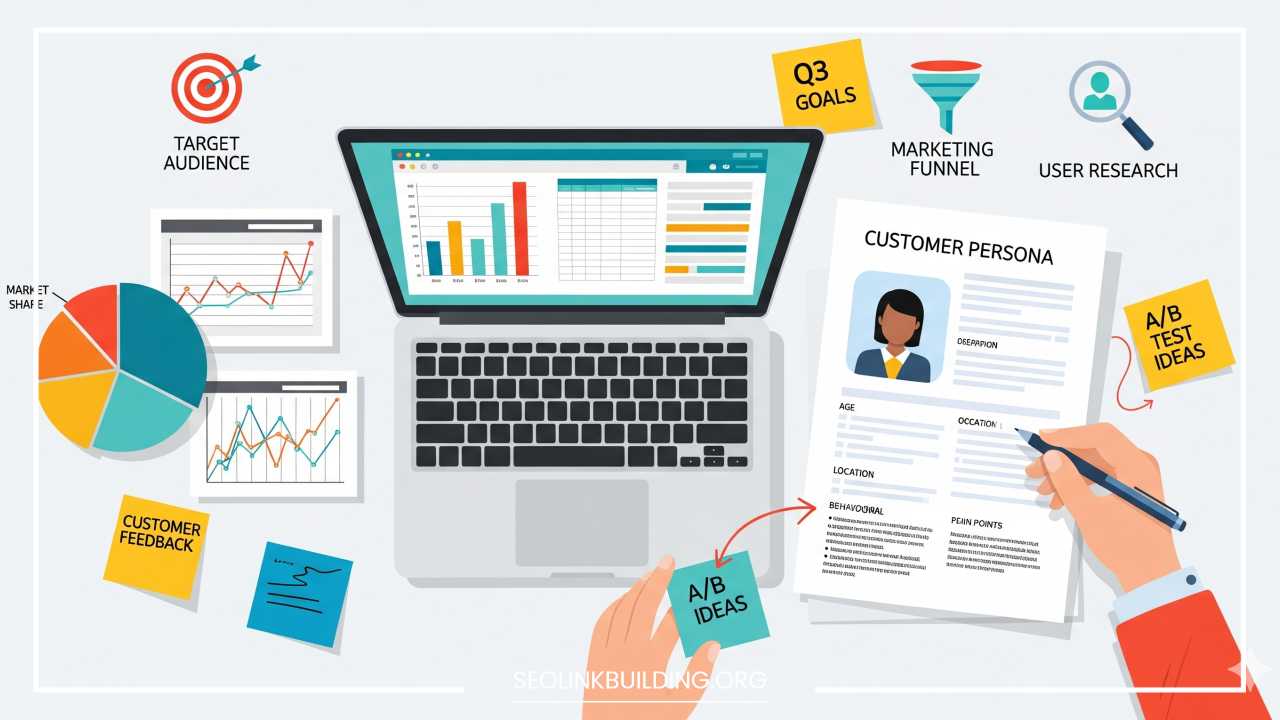
How to Create a Customer Persona | Step-by-Step Guide
Imagine you’re an architect designing a house. You wouldn’t just sketch a floor plan out of thin air. You’d first sit down with your client, understand their lifestyle, their family’s needs, their taste in decor, and their daily routines. Are they a busy professional who needs a home office? A growing family with kids who need a playroom? A retiree who wants an accessible single-story home?
This process of understanding the client is the foundation of a successful project. In the world of business, this is precisely what a customer persona does. It’s the blueprint that helps you design everything from your marketing campaigns to your product features to your customer service scripts, ensuring every decision is made with a real person in mind. It’s the difference between guessing what your audience wants and knowing what they need.
In this comprehensive guide, we will deconstruct the process of creating a customer persona from the ground up. We’ll explore what personas are, why they are indispensable, and provide a detailed, step-by-step framework for building your own, complete with practical tips and common pitfalls to avoid. By the end, you’ll have all the tools you need to move beyond generic marketing and build a strategy that truly resonates with your ideal customers.
What Is a Customer Persona?
A customer persona, often called a buyer persona, is a fictional, generalized representation of your ideal customer. It’s not a single person, but rather a composite of data points and insights about a specific segment of your audience. Instead of thinking of “millennials” or “small business owners,” a persona gives you a single, relatable character: a name, a job, a set of goals, and specific pain points.
While the terms customer persona and buyer persona are often used interchangeably, there is a subtle distinction. A customer persona generally represents an existing user of your product or service, while a buyer persona focuses on the individual who makes the purchasing decision, which is particularly relevant in B2B (business-to-business) contexts. For B2C (business-to-consumer) companies, where the user and the buyer are often the same person, the terms are effectively synonymous.
- B2C Personas: These typically focus on demographic data (age, location), lifestyle, hobbies, and personal goals. For example, “Sarah the Student,” a 20-year-old college student who needs affordable, portable tech.
- B2B Personas: These are more focused on professional details, such as job title, company size, budget authority, and career-related challenges. For example, “Mark the Marketing Director,” a 45-year-old leader responsible for team performance and ROI.
A well-crafted persona breathes life into your data, transforming abstract numbers and spreadsheets into a vivid, human story that your entire team can understand and empathize with.
Why Customer Personas Are Important
You might be asking, “Can’t I just use market segmentation?” While segmentation divides your audience into broad groups, personas take it a step further. They humanize those segments, making them actionable. They are a powerful strategic tool that provides clarity and focus across your entire organization.
- Tailored Marketing Messages: A single marketing message rarely works for everyone. By understanding your persona’s specific goals and pain points, you can craft highly relevant ad copy, email campaigns, and social media posts that speak directly to their needs. A message about “saving time” will resonate with a busy professional, while a message about “easy-to-use” will appeal to a less tech-savvy user.
- Guided Product Development: Personas help your product team prioritize features and make design decisions. When a team is deciding between two new features, they can ask, “Which one would ‘Sarah the Student’ find more valuable?” This ensures you build a product that solves real-world problems for your target audience, not just a list of features you think are cool.
- Improved Customer Experience and Sales: A sales team armed with personas can have more productive conversations. Instead of a generic pitch, they can ask specific, targeted questions that uncover a prospect’s challenges. Customer support teams can also use personas to better understand a user’s frustration and provide more empathetic and effective solutions.
- Enhanced Segmentation and Targeting: Beyond marketing, personas refine your entire strategy. They help you decide which content to create, which channels to focus on, and how to allocate your budget for maximum impact. A company that knows its persona prefers Instagram over LinkedIn, for instance, can focus its resources where they will be most effective.
The impact of this approach is undeniable. According to a study by Cintell, companies that exceed their lead and revenue goals are 2-3 times more likely to use personas than those who miss their goals. In short, personas are a critical component of a data-driven, customer-centric business model.
Key Elements of a Customer Persona
To build a truly useful persona, you need to go beyond basic demographics. A comprehensive persona profile should include a mix of demographic, psychographic, and behavioral data. While not every persona will need all of these elements, a strong profile typically includes:
- Name, Age, and Demographics: A simple but powerful way to humanize the persona. Giving them a name like “Amelia, the Architect” makes the data more memorable. Include age, gender, marital status, and education level.
- Job Title and Professional Details: What is their profession? What is their job role and responsibilities? This is especially crucial for B2B personas, as it helps you understand their daily tasks and the pressures they face.
- Location: Are they in a major urban center or a rural area? This can influence their needs, access to resources, and even their lifestyle.
- Goals and Motivations: What are they trying to achieve, both personally and professionally? What drives them? A persona’s goals are the positive outcomes they seek—the reason they are looking for a solution like yours.
- Pain Points or Challenges: What problems are they trying to solve? What frustrates them in their daily life or work? These are the obstacles that stand in the way of their goals and the problems your product or service is designed to address.
- Buying Behavior & Decision-Making Process: How do they research products? Do they read reviews, ask for recommendations, or consult with colleagues? What factors influence their final decision (e.g., price, quality, convenience)?
- Preferred Channels: Where do they spend their time online? Are they active on LinkedIn, Instagram, TikTok, or Reddit? Do they prefer to communicate via email, phone, or a live chat bot? Knowing this helps you reach them where they are most receptive.
- Personality Traits: (Optional but useful) You can add a layer of depth by including a brief description of their personality. Are they a meticulous planner, a risk-taker, or an early adopter?
- Quotes or Representative Statements: To bring the persona to life, include a quote or two that they might actually say. For example, “I need a tool that’s easy to set up. I don’t have time to spend weeks on training.”
These elements collectively paint a vivid picture of your ideal customer, transforming a list of data points into a living, breathing character that everyone on your team can relate to and remember.
Step-by-Step Guide to Creating a Customer Persona
Creating a customer persona is not an abstract exercise; it’s a data-driven process that requires research, analysis, and a touch of creative storytelling. Follow these steps to build personas that are both accurate and actionable.
1. Define Your Objectives
Before you collect a single piece of data, clarify why you are creating the persona. What problem are you trying to solve? Are you launching a new product, redesigning your website, or trying to improve your marketing ROI? Having a clear objective will guide your research and ensure your personas serve a strategic purpose. For example, if your goal is to reduce customer churn, your research should focus on understanding the pain points of customers who leave.
2. Conduct Thorough Research
This is the most critical step. Your personas are only as good as the data they are built on. You’ll need to gather both quantitative (numbers) and qualitative (insights, stories) data.
- Internal Sources: Start with the data you already have.
- Sales Team: Talk to your sales reps. They are on the front lines and have invaluable insights into what questions prospects ask, what their objections are, and what finally convinces them to buy.
- Customer Support: Your support team knows what problems your customers face. What are the most common questions they get? What are the biggest complaints?
- CRM (Customer Relationship Management) System: Analyze your existing customer data. Look for trends in job titles, company size, and purchase history.
- Website Analytics: Use tools like Google Analytics to understand user behavior. What pages do they visit? How long do they stay? Where do they drop off? This can hint at their interests and pain points.
- External Sources: Now, go beyond your own data.
- Customer Interviews: This is the gold standard for qualitative data. Conduct one-on-one interviews with both your best customers and those who have churned. Ask open-ended questions about their goals, challenges, and how they made their purchasing decision.
- Surveys: Use tools like SurveyMonkey or Typeform to send out surveys to your email list or website visitors. Ask specific questions about their demographics, professional life, and how they solved a problem that your product can address.
- Social Media Listening: Monitor conversations on platforms like Twitter, LinkedIn, and relevant subreddits. What are people saying about your industry, your competitors, and the problems your product solves?
3. Segment Your Audience
Once you have a wealth of data, look for patterns. Don’t try to create a persona for every single customer. Instead, group individuals with similar traits, behaviors, and motivations. You might find distinct segments:
- Based on Demographics: Are there groups that share a similar age, location, or income?
- Based on Psychographics: Do they share similar interests, values, or lifestyles?
- Based on Behavior: Do they use your product in the same way? Did they find you through the same channel?
These segments will form the basis of your distinct personas.
4. Build the Persona Profile
Now, it’s time to bring your data to life. Take all the patterns and insights you’ve found for a specific segment and weave them into a single narrative.
- Give them a name: Something that feels authentic, like “Mark, the Marketing Director” or “Sarah, the Startup Founder.”
- Create a short biography: Write a paragraph or two that summarizes their professional and personal life.
- Fill in the details: Use bullet points or a template to list their goals, pain points, communication preferences, and other key details you’ve uncovered.
- Find a face: Use a stock photo to represent your persona. This makes them instantly more relatable. Be sure to use a high-quality, professional-looking image that reflects their “character.”
5. Validate the Persona
Creating a persona is not a one-and-done task. It’s a hypothesis that needs to be tested and refined.
- Share with your team: Present the persona to your marketing, sales, and product teams. Do they resonate? Do they feel like they accurately represent a real person they’ve interacted with?
- Test with real users: Use your personas to guide A/B tests on your website or in your email campaigns. Does a new piece of content tailored to “Amelia” perform better than a generic one? If so, your persona is likely accurate.
6. Document and Share
Once your personas are validated, make them a core part of your company’s knowledge base.
- Use persona templates: Create a simple one-page template for each persona. There are many free tools and downloadable templates available from companies like HubSpot and Xtensio that can help with this.
- Make them accessible: Print them out and put them on the wall in your office, save them in a shared drive, or integrate them into your project management software. The more visible and accessible they are, the more likely your team is to use them.
Tips for Creating Effective Personas
While the steps above provide a solid framework, here are some pro tips to ensure your personas are as impactful as possible.
- Don’t rely on assumptions: Never build a persona based on what you think your customers are like. Always, always, always base your personas on real data from interviews, surveys, and analytics.
- Avoid overcomplicating with too many personas: Focus on your most critical audience segments. Two to four detailed, well-researched personas are far more useful than 10 or 15 superficial ones that no one will remember.
- Keep them updated over time: Your customers and your market will evolve. Set a reminder to review and update your personas every 6-12 months to ensure they remain relevant.
- Make them visually engaging: Use a clear, concise design. Include a photo, a memorable name, and key bullet points. A well-designed persona is more likely to be used by the team.
- Involve cross-functional teams: The process of creating a persona is just as valuable as the final document itself. Bringing together marketing, sales, product, and support teams to collaborate on the persona-building process ensures alignment and buy-in from the start.
Common Mistakes to Avoid
Even with the best intentions, it’s easy to fall into common traps. Be mindful of these mistakes:
- Creating personas without data: The most common mistake. A persona based on a hunch is useless. It can even be harmful, leading you to make decisions based on inaccurate assumptions.
- Making too many personas: When you have too many personas, they become a burden to manage and lose their strategic value. Stick to the most important ones.
- Ignoring qualitative insights: Numbers from a CRM can tell you what people do, but they can’t tell you why they do it. Don’t skip the customer interviews and focus groups.
- Not aligning personas with business goals: A persona should always be a tool for achieving a specific business objective. If a persona doesn’t help you with a problem you’re trying to solve, it’s likely not the right one to focus on.
- Letting them become outdated: An outdated persona is just as bad as no persona at all. Your market, product, and customers change, and so should your personas.
Real-World Examples / Templates
To see how a persona can come to life, consider this simple example:
Name: Amelia, the Architect
Age: 35
Job Title: Lead Architect, a mid-sized firm
Goals: To streamline project management and deliver projects on time and under budget. To find software that is easy to onboard her team with.
Pain Points: Disorganized project files and communication; spending too much time on administrative tasks instead of design work; finding it difficult to get a full view of a project’s status.
Preferred Channels: Reads industry blogs and newsletters; uses LinkedIn for networking; responds to targeted email campaigns.
Quote: “I’m tired of digging through emails to find project notes. I need a single source of truth for all my projects.”
This simple profile gives you a tangible person to imagine when you’re writing a blog post, designing a feature, or planning a sales call.
How to Use Customer Personas Effectively
Creating a persona is just the first step. The true value lies in how you use them.
- In Marketing Campaigns: Use the persona’s pain points and goals to write compelling ad copy. Target them on their preferred channels with messaging that directly addresses their challenges.
- In Content Strategy: Build a content calendar around your personas. What questions does “Amelia” have? What articles or guides would help her solve her pain points? This ensures your content is always relevant.
- In Product Design or Feature Prioritization: When a product manager is prioritizing the next set of features to build, they can refer to the persona’s goals. If the new feature doesn’t directly help one of your core personas, it might not be worth the development effort.
- In Customer Service and Support Scripts: Personas can help your support team be more empathetic. Understanding a customer’s role and frustrations allows a support agent to offer a more tailored and helpful solution.
- For Sales Enablement: Give your sales team a persona profile to help them qualify leads and prepare for sales calls. They can ask more informed questions and tailor their pitch to the specific needs of the prospect.
Final Thoughts
A customer persona is more than just a marketing tool. It’s a fundamental part of a customer-centric business strategy. It forces you to look beyond the numbers and see the people behind them—their hopes, their frustrations, and their dreams.
By taking the time to build a solid foundation of data-driven personas, you can stop guessing what your customers want and start building products, messages, and experiences that truly resonate. The process of creating them will align your entire team and ensure that every decision you make is focused on solving real problems for real people.
Now that you have the blueprint, it’s time to get started. Don’t wait—begin the research, talk to your customers, and turn your data into the powerful strategic tool that is a customer persona.