What Are the 7Ps of Marketing?

What Are the 7Ps of Marketing? | Marketing Mix Explained
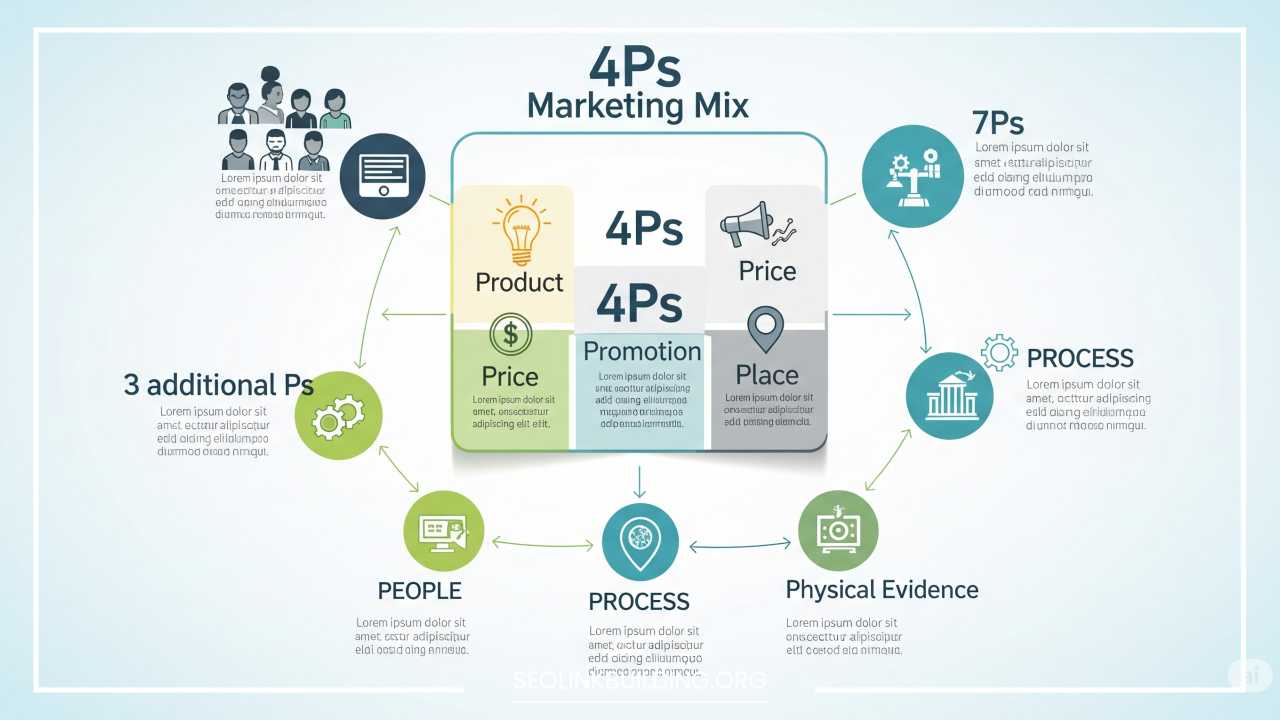
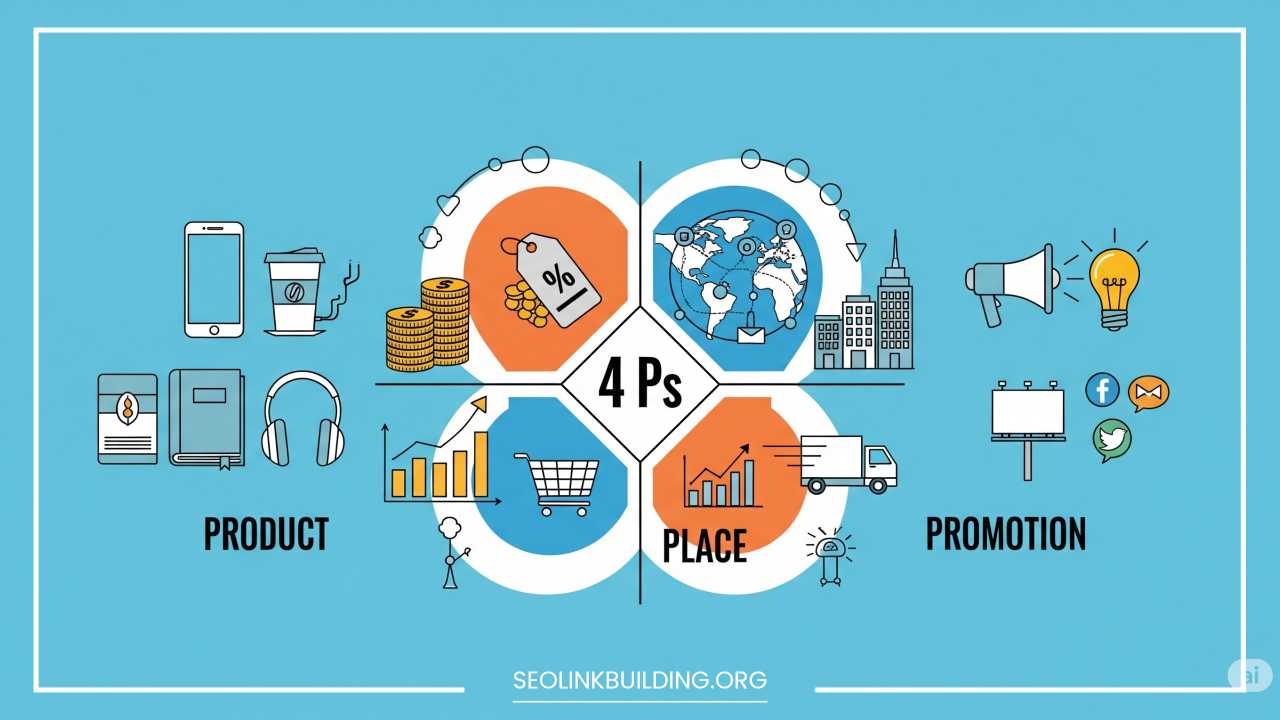
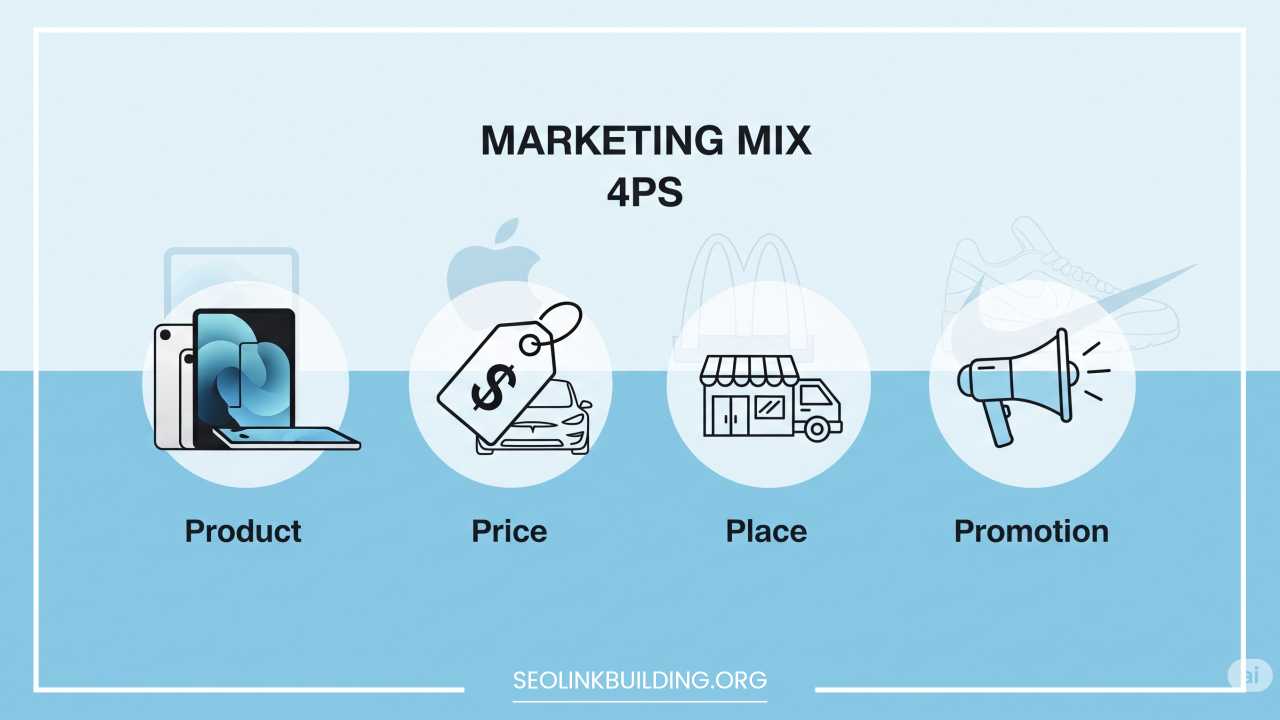
In the dynamic world of business, a well-defined marketing strategy is the bedrock of success. At the core of such a strategy lies the marketing mix, a foundational concept that guides businesses in bringing their products or services to market effectively. The origins of this powerful framework can be traced back to the late 1940s and early 1950s, with Neil Borden of Harvard Business School first popularizing the term “marketing mix.” However, it was E. Jerome McCarthy, an American marketing professor, who, in 1960, simplified this complex concept into the widely recognized “4Ps of Marketing”: Product, Price, Place, and Promotion. This initial framework proved revolutionary, providing a simple yet comprehensive way for businesses to consider the essential elements of their market offering for tangible goods.
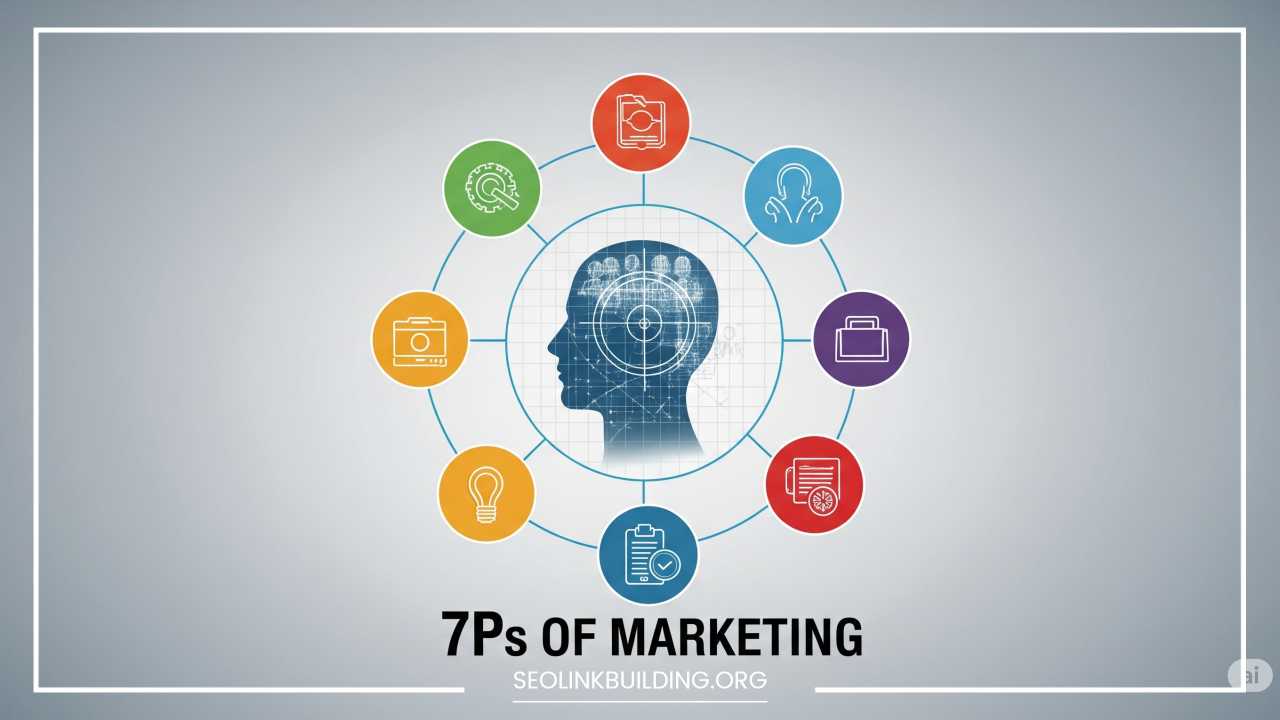
As economies evolved, so too did the nature of commerce. The global shift towards service-based industries in the latter half of the 20th century highlighted a critical limitation of the 4Ps: they didn’t fully capture the unique characteristics of services, which are intangible, perishable, and often involve direct interaction between providers and customers. Recognizing this gap, Bernard H. Booms and Mary J. Bitner, in 1981, expanded McCarthy’s original framework by adding three crucial Ps: People, Process, and Physical Evidence. This evolution gave birth to the 7Ps of Marketing, a more robust and holistic model particularly adept at addressing the complexities of service marketing, though equally applicable to product marketing in a more nuanced way.
Understanding the 7Ps is not merely an academic exercise; it is an indispensable tool in today’s fiercely competitive marketing landscape. It provides a strategic lens through which businesses can analyze, plan, and execute their marketing efforts. In an era characterized by rapid technological advancements, evolving consumer behaviors, and an ever-increasing array of choices, a comprehensive grasp of these seven elements enables companies to create compelling value propositions, build strong customer relationships, and achieve sustainable growth. From startups to multinational corporations, the 7Ps serve as a roadmap for crafting integrated strategies that resonate with target audiences and stand out in a crowded marketplace.
Overview of the 7Ps
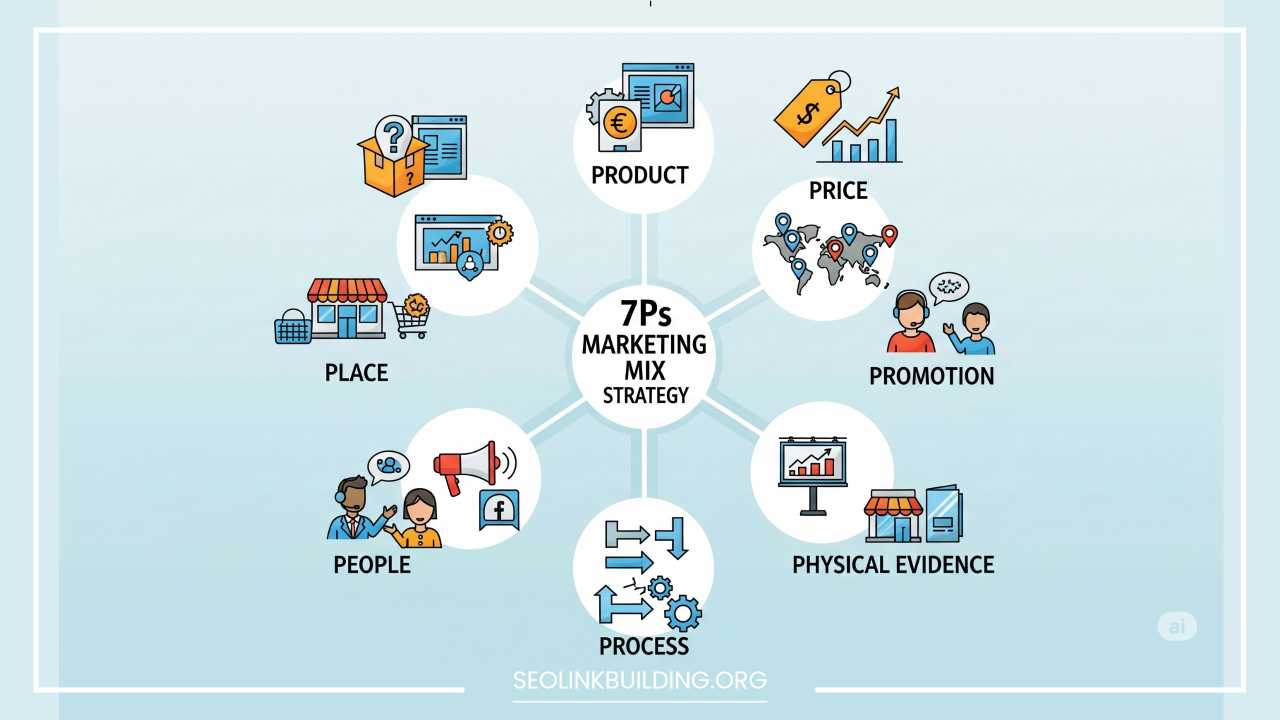
The 7Ps of Marketing represent a comprehensive framework that helps businesses develop and implement effective marketing strategies. They are interconnected elements that, when harmonized, create a powerful and cohesive market offering.
Here’s a quick list and definition of each P:
- Product: Refers to the goods or services a company offers to meet customer needs or wants. It encompasses everything from the core functionality to design, quality, features, branding, and packaging.
- Price: The monetary value customers pay for the product or service. This includes not only the listed price but also discounts, allowances, payment terms, and credit facilities. It directly impacts profitability and customer perception of value.
- Place: Deals with how the product or service is distributed and made available to the target market. This involves distribution channels, logistics, supply chain management, and the physical location or online presence where transactions occur.
- Promotion: The activities undertaken to communicate the value of a product or service to target customers and persuade them to purchase. This includes advertising, public relations, sales promotions, personal selling, and digital marketing efforts.
- People: Encompasses all human actors who play a role in the delivery of the product or service, including employees, management, and even other customers (in service environments). Their attitude, skills, and training significantly impact the customer experience.
- Process: The procedures, mechanisms, and flow of activities by which a service is delivered to the customer. Well-designed processes ensure efficiency, consistency, and a high-quality customer experience.
- Physical Evidence: The tangible clues and environmental factors that customers perceive and use to evaluate a service before and during consumption. This includes the physical environment (e.g., store layout, office decor), branding, packaging, and even digital interfaces.
These seven elements are not independent silos but rather interdependent components that must be strategically aligned. A change in one P often necessitates adjustments in others to maintain a balanced and effective overall strategy. For instance, a premium product (Product) would typically command a higher price (Price), be distributed through selective channels (Place), and be promoted through exclusive campaigns (Promotion). Similarly, in a service business, highly skilled people (People) following efficient processes (Process) in a well-maintained physical environment (Physical Evidence) contribute significantly to customer satisfaction and the perceived value of the service.
Detailed Breakdown of Each P
a. Product
The “Product” element of the marketing mix is the core offering that a business brings to the market to satisfy a customer need or want. It’s not just about the physical item or the service delivered; it encompasses all aspects of the offering, including its features, quality, design, brand name, packaging, warranties, and after-sales service. A well-defined product is the starting point for any successful marketing strategy, as without something of value to offer, there is no market.
Products can broadly be categorized into goods and services. Goods are tangible, meaning they can be seen, touched, and held (e.g., a smartphone, a car, a can of soda). Services, on the other hand, are intangible, perishable, inseparable from the provider, and variable (e.g., a haircut, a legal consultation, a banking service). Understanding this distinction is crucial, as it impacts how the other Ps are managed. For instance, the marketing of a physical product might heavily rely on packaging and durability, while a service might emphasize the skill of the service provider and the efficiency of the delivery process.
Every product goes through a lifecycle: introduction, growth, maturity, and decline. A product strategy involves making decisions about each stage, from developing new products (innovation, research and development) to modifying existing ones (product line extensions, quality improvements) and eventually phasing them out. During the introduction phase, the focus might be on building awareness and trial. In the growth phase, the emphasis shifts to market penetration and expanding distribution. Maturity often involves product differentiation and competitive pricing, while decline requires decisions about discontinuation or revitalization.
Examples of product decisions abound. For a smartphone manufacturer, product decisions involve choosing the operating system, camera specifications, screen size, battery life, material quality, and even the color options available. For a restaurant, product decisions include the menu items, their ingredients, the presentation of the food, the ambiance, and the overall dining experience. In the realm of digital services, product decisions could involve the user interface design, the features of an app, the reliability of a cloud storage service, or the educational content provided by an online learning platform. Ultimately, effective product decisions are deeply rooted in understanding the target audience’s needs and preferences and creating an offering that truly delivers value.
b. Price
“Price” is the only element of the marketing mix that generates revenue; all others represent costs. It is the monetary value that customers exchange for the benefits of acquiring or using a product or service. However, pricing is far more complex than simply assigning a number. It’s a strategic decision that reflects the product’s value, the company’s objectives, the competitive landscape, and customer perceptions. The chosen price directly impacts sales volume, market share, profitability, and the overall brand image.
Businesses employ various pricing strategies depending on their goals and market conditions. Penetration pricing involves setting a low initial price to quickly gain market share, often used for new products entering a competitive market. Conversely, price skimming sets a high initial price for a new, innovative product to capture early adopters and maximize profits before competitors emerge. Value-based pricing focuses on the perceived value of the product to the customer rather than just its cost of production. Cost-plus pricing adds a markup to the cost of producing the product. Other strategies include competitive pricing (matching or beating competitors’ prices), psychological pricing (e.g., setting prices at $9.99 instead of $10.00 to appear cheaper), and dynamic pricing (adjusting prices in real-time based on demand and supply).
Several factors influence pricing decisions. Internal factors include production costs (fixed and variable), marketing objectives (e.g., profit maximization, sales maximization, survival), and organizational capacity. External factors are equally critical: consumer demand and perceived value, the intensity of competition, economic conditions (inflation, recession), legal and regulatory considerations, and the availability of substitutes. For instance, a luxury brand will price its products higher to reflect exclusivity and quality, while a discount retailer will focus on lower prices to attract price-sensitive customers.
Pricing in competitive markets requires constant vigilance. Businesses must analyze competitors’ pricing, understand market elasticity (how sensitive demand is to price changes), and be prepared to adjust their strategies. A price war can erode profits for all players, while a well-executed pricing strategy can differentiate a brand and secure a strong market position. For example, airline ticket prices fluctuate based on demand, time of booking, and seat availability, reflecting a highly competitive and dynamic pricing environment. Similarly, the pricing of software subscriptions often varies based on features, user count, and contract duration, demonstrating flexible pricing models in the digital age.
c. Place
“Place,” also known as distribution, is concerned with how a product or service is made available to the target customer at the right time and in the right location. It encompasses all the activities involved in getting the offering from the producer to the consumer, including channels of distribution, logistics, inventory management, warehousing, and transportation. An effective place strategy ensures convenience for customers and maximizes sales opportunities.
Distribution strategies can be broadly categorized as direct or indirect. In direct distribution, the producer sells directly to the consumer without intermediaries (e.g., a farmer selling produce at a farmers’ market, a company selling its products through its own website or retail stores). This offers greater control over the customer experience and often higher profit margins. Indirect distribution involves one or more intermediaries, such as wholesalers, retailers, agents, or brokers, to reach the final consumer. This approach can provide broader market coverage, specialized expertise, and economies of scale. The choice depends on factors like product type, target market, competitive landscape, and desired control.
The rise of the internet has fundamentally reshaped “Place,” creating distinct online and offline channels. Offline channels include brick-and-mortar stores, supermarkets, department stores, and specialty shops. They offer tangible experiences, immediate gratification, and personal interaction. Online channels encompass e-commerce websites, mobile apps, social media marketplaces, and online aggregators. They provide convenience, wider selection, global reach, and often lower operational costs. Many businesses now adopt an omnichannel strategy, seamlessly integrating online and offline touchpoints to offer a consistent and holistic customer experience.
The importance of supply chain and logistics in the “Place” strategy cannot be overstated. A robust supply chain ensures efficient movement of goods from raw materials to finished products, while effective logistics manages the flow and storage of goods, information, and funds. This includes inventory management (ensuring optimal stock levels), warehousing (storing products before distribution), and transportation (moving products to their destinations). Disruptions in the supply chain can lead to stockouts, delayed deliveries, and frustrated customers, directly impacting sales and brand reputation.
Ultimately, the role of place in customer satisfaction is paramount. Customers expect products and services to be readily available and easily accessible. A convenient location, efficient delivery, and a smooth purchasing experience contribute significantly to customer loyalty. Consider the success of companies like Amazon, whose core strength lies in its highly efficient logistics network, ensuring quick and reliable delivery, or Starbucks, strategically placing its cafes in high-traffic areas for maximum customer accessibility.
d. Promotion
“Promotion” is the communication arm of the marketing mix. It encompasses all activities designed to inform, persuade, and remind target customers about a product, service, or brand, with the ultimate goal of stimulating purchase and building brand loyalty. The purpose of promotion is to create awareness, generate interest, influence desire, and prompt action (the AIDA model).
The promotional mix, also known as the integrated marketing communication (IMC) mix, traditionally includes several key elements:
- Advertising: Non-personal paid communication through various media (TV, radio, print, online) to reach a broad audience.
- Public Relations (PR): Building and maintaining a positive image and fostering favorable relationships with the public, often through unpaid media coverage, press releases, and community involvement.
- Sales Promotion: Short-term incentives to encourage immediate purchase (e.g., discounts, coupons, contests, loyalty programs).
- Personal Selling: Direct, one-on-one communication between a salesperson and a potential customer to build relationships and close sales.
- Digital Marketing: A broad category encompassing online channels like search engine optimization (SEO), social media marketing, content marketing, email marketing, pay-per-click (PPC) advertising, and influencer marketing.
Integrated Marketing Communication (IMC) is a crucial concept in modern promotion. It advocates for a holistic approach where all promotional elements are coordinated and consistent to deliver a clear, compelling, and unified message across all customer touchpoints. This ensures that the brand’s voice is consistent whether a customer sees an ad, visits a website, or interacts with a salesperson. For example, a new product launch might involve TV ads, social media campaigns, in-store promotions, and PR coverage, all conveying the same core message and brand identity.
Measuring the effectiveness of promotion is vital for optimizing marketing spend. This can involve tracking metrics such as website traffic, lead generation, conversion rates, sales revenue, brand awareness surveys, and return on investment (ROI) for specific campaigns. For digital channels, analytical tools provide rich data for real-time optimization. Effective promotion not only drives sales but also builds brand equity, fosters customer relationships, and differentiates a company from its competitors. Consider Coca-Cola’s global advertising campaigns that consistently evoke feelings of happiness and togetherness, or Nike’s powerful storytelling through its “Just Do It” slogan, both demonstrating the immense power of well-executed promotion.
e. People
In the context of the 7Ps, “People” refers to all human actors who play a part in the delivery of a service and thus influence the buyer’s perceptions. This includes not just the employees who directly interact with customers, but also management, support staff, and even other customers within the service environment. In service-based industries, the human element is often the most critical differentiator, as the quality of interaction can significantly impact customer satisfaction and loyalty.
The role of employees, particularly frontline staff, is paramount. They are the face of the organization and directly represent the brand. Their attitude, knowledge, professionalism, and ability to address customer needs directly shape the customer experience. Excellent customer service, characterized by responsiveness, empathy, and problem-solving skills, can turn a one-time customer into a loyal advocate. Conversely, poorly trained or disengaged employees can quickly lead to customer dissatisfaction and negative word-of-mouth.
Training and internal culture are foundational to ensuring that employees consistently deliver high-quality service. Comprehensive training programs equip staff with the necessary skills, product knowledge, and service protocols. A strong internal culture that values customer-centricity, empowerment, and teamwork encourages employees to go the extra mile. Companies like Southwest Airlines are renowned for their positive internal culture, which translates into enthusiastic and helpful employees who create a memorable customer experience.
Customer interaction and the overall experience are heavily influenced by the “People” element. This includes the initial greeting, the efficiency of service delivery, the handling of inquiries or complaints, and the follow-up. In many service settings, such as restaurants or hotels, the interaction with staff is an integral part of the product itself. Moreover, in service environments, the behavior of other customers can also impact the experience (e.g., a quiet library vs. a noisy bar).
The importance of “People” is especially pronounced in service-based industries due to the inherent intangibility of services. Since customers cannot physically inspect a service before purchasing it, they often rely on the people delivering the service as a proxy for its quality. A highly skilled and empathetic nurse, a knowledgeable financial advisor, or a friendly and efficient barista all contribute significantly to the perceived value of the service being provided. Investing in the recruitment, training, and motivation of employees is therefore not just a cost, but a strategic investment in the brand’s reputation and long-term success.
f. Process
“Process” refers to the procedures, mechanisms, and flow of activities by which a product or service is delivered to the customer. It’s about the systems and sequences that ensure efficiency, consistency, and quality in the service delivery. While relevant to physical goods (e.g., manufacturing processes), “Process” is particularly critical in service marketing because the customer is often involved in the service production and consumption simultaneously.
The relevance of well-defined processes lies in their ability to streamline operations, reduce errors, and enhance the customer experience. A smooth, efficient process can lead to faster service, fewer frustrations, and greater customer satisfaction. Conversely, convoluted, inconsistent, or slow processes can lead to long queues, delays, repeated requests, and a generally negative perception of the service. Think about the process of ordering food at a fast-food restaurant, checking into a hotel, or applying for a loan – each involves a series of steps that, if optimized, can significantly improve the customer journey.
Processes affect both the delivery of the service and the overall efficiency of the organization. From the customer’s perspective, a well-designed process minimizes effort and maximizes convenience. From the organization’s perspective, efficient processes reduce operational costs, minimize waste, and enable higher throughput. This often involves automation, standard operating procedures (SOPs), and clear workflows.
A key consideration in process design is the balance between standardization and customization. Standardization ensures consistency and efficiency, particularly for high-volume services (e.g., ATM transactions, airline check-in). It guarantees that customers receive the same quality of service regardless of who provides it or when. However, too much standardization can make the service feel impersonal. Customization, on the other hand, allows for flexibility and tailoring the service to individual customer needs, which can enhance perceived value and satisfaction, particularly for complex or high-value services (e.g., bespoke tailoring, personalized financial advice). The ideal approach often involves a combination, with core processes standardized for efficiency and flexibility built in for personalization where appropriate.
Examples of critical processes include order fulfillment (from placing an order to delivery), customer service flow (how inquiries are handled, complaints resolved), online checkout procedures, booking systems, and even the internal processes for employee training and performance management. A company like McDonald’s thrives on highly standardized processes that ensure consistent product quality and speed of service across thousands of global outlets. In contrast, a high-end consulting firm would rely on more customized processes tailored to each client’s unique challenges, demonstrating the varied application of “Process” in different contexts.
g. Physical Evidence
Physical Evidence” refers to the tangible aspects that customers can observe and use to evaluate the quality of a service, particularly before consumption. Since services are intangible, customers often look for cues in the physical environment and associated materials to form an impression of the service provider. These tangible elements help to bridge the gap between the intangible nature of a service and the customer’s need for assurance and trust.
This P encompasses a wide range of tangible aspects. For a physical service environment, this includes the design and décor of an office, restaurant, hotel, or retail store; the cleanliness and maintenance of the facilities; the uniforms worn by staff; the quality of equipment used; and even the lighting and ambient music. Beyond the physical space, physical evidence also extends to branding elements like logos, brochures, signage, and business cards, as well as packaging (even for services, like a beautifully presented gift certificate or a professional report). The intention is to create a consistent and compelling brand image that reassures customers and reinforces the perceived value of the service.
The importance of physical evidence in building trust cannot be overstated. A well-maintained, professional office can convey competence and reliability for a law firm, while a clean and inviting restaurant signals attention to hygiene and quality food. For an airline, the condition of the aircraft, the cleanliness of the cabin, and the appearance of the flight attendants all contribute to the perception of safety and service quality. These cues provide customers with something concrete to assess and reduce the perceived risk associated with purchasing an intangible service.
In the digital age, “Physical Evidence” has evolved to include online tangible aspects. This primarily refers to a company’s website and its user experience (UX/UI). A well-designed, intuitive, and responsive website with clear navigation, appealing visuals, and easy-to-access information serves as crucial physical evidence for an online business. The quality of online content, the professionalism of digital communications (e.g., email newsletters), and even the presence and quality of online reviews and testimonials (social proof) contribute significantly to a customer’s perception of a digital service. For instance, a clunky website or a confusing app can instantly undermine the credibility of an online service, regardless of its underlying quality. Thus, both offline and online physical evidence play a vital role in differentiating services and building customer confidence.
Real-World Applications
Understanding the 7Ps is one thing; seeing them masterfully applied in the real world provides invaluable insights. Global giants like Apple, Starbucks, and Amazon offer compelling case studies of how effectively integrating all seven elements leads to market dominance and customer loyalty.
Consider Apple, a company renowned for its innovative products and premium brand.
- Product: Apple’s success stems from its commitment to elegant design, intuitive user experience (UX), and seamless integration across its ecosystem (iPhones, Macs, iPads, Apple Watch). Their products are not just devices; they are status symbols and lifestyle enablers, constantly updated with new features and software.
- Price: Apple employs a premium pricing strategy, positioning its products as high-value, aspirational items. This is supported by perceived superior quality, innovation, and strong branding, allowing them to command higher margins.
- Place: While Apple sells through authorized retailers, its own Apple Stores are a crucial part of its “Place” strategy. These stores are meticulously designed, high-traffic experiential hubs, offering product demonstrations, workshops, and Genius Bar support. Online, Apple.com is a sophisticated e-commerce platform.
- Promotion: Apple’s promotion is iconic – minimalist, aspirational advertising that focuses on benefits and user experience rather than just features. They rely heavily on word-of-mouth, product launches as major media events, and subtle, consistent branding.
- People: Apple Store employees, known as “Genius Bar” staff and “Specialists,” are highly trained, knowledgeable, and empathetic. Their focus is on customer education, support, and building relationships, contributing significantly to the in-store experience.
- Process: The Genius Bar appointment system, the smooth in-store checkout process, and the seamless onboarding for new devices are examples of Apple’s refined processes that prioritize customer convenience and efficiency. Their supply chain processes are also famously optimized.
- Physical Evidence: The sleek design of Apple products themselves, the minimalist and welcoming aesthetic of Apple Stores, the iconic packaging, and even the clean, user-friendly interface of their software all serve as powerful physical evidence reinforcing their premium brand.
Another excellent example is Starbucks.
- Product: Beyond coffee, Starbucks sells an “experience.” Their product includes a wide range of beverages and food, but also the third place environment, consistent quality, and customization options.
- Price: Starbucks positions itself with premium pricing, reflecting the quality of ingredients, the comfortable ambiance, and the convenience.
- Place: Ubiquitous and strategically located stores in high-traffic areas are key. They offer a comfortable place for work, meetings, or relaxation. Their mobile ordering and drive-thru options enhance accessibility.
- Promotion: Starbucks primarily uses in-store promotions, loyalty programs (Starbucks Rewards), social media engagement, and community involvement. Their marketing often emphasizes ethical sourcing and sustainability.
- People: Baristas are central to the Starbucks experience. They are trained not just in coffee making but also in customer service, creating personalized interactions and building relationships with regulars.
- Process: Efficient order taking, drink preparation, and a consistent service flow ensure speed and accuracy, especially during peak hours. The mobile order & pay system exemplifies a process innovation that enhances convenience.
- Physical Evidence: The signature green logo, comfortable seating, free Wi-Fi, background music, and distinct aroma all contribute to the recognizable “Starbucks experience” that provides tangible cues for their service.
These examples illustrate that success isn’t about excelling at just one P, but about strategically integrating all seven to create a coherent and compelling market offering that resonates deeply with the target audience.
7Ps in the Digital Age
The advent of the digital age has profoundly transformed the marketing landscape, requiring businesses to adapt the traditional 7Ps to an online environment. While the core principles remain, their application has evolved significantly, leading to the rise of e-commerce, digital services, and omnichannel marketing.
Adapting each P to online environments:
- Product: In the digital realm, products can be purely digital (software, e-books, online courses, streaming services) or physical goods sold online. The digital “product” emphasis shifts to user interface (UI), user experience (UX), digital features, subscription models, and continuous updates. For physical goods, product descriptions, high-quality images, and customer reviews become crucial online product attributes.
- Price: Online pricing can be highly dynamic, influenced by algorithms, real-time demand, and competitive intelligence. Digital businesses often use flexible pricing models like freemium, subscription tiers, pay-per-use, and personalized pricing based on user data. Price transparency through comparison websites also plays a significant role.
- Place: This is fundamentally redefined by e-commerce. The “place” is now a website, mobile app, or online marketplace. Global reach becomes possible without physical storefronts. The efficiency of the supply chain, logistics, and digital delivery mechanisms (e.g., instant downloads) are paramount.
- Promotion: Digital promotion is diverse and highly targeted. It includes Search Engine Optimization (SEO), Pay-Per-Click (PPC) advertising, social media marketing, content marketing, email marketing, influencer marketing, and affiliate programs. Data analytics allows for precise targeting and real-time campaign optimization.
- People: In online environments, “People” extend to customer support agents available via chat, email, or phone. The professionalism of online interactions, the speed of response, and the clarity of communication become vital. User-generated content, reviews, and community forums also highlight the role of other “people” (customers) in influencing perceptions.
- Process: Online processes must be seamless, intuitive, and efficient. Examples include streamlined online checkout flows, automated customer service chatbots, easy account registration, simplified return processes, and rapid digital product delivery. Any friction in the online process can lead to high abandonment rates.
- Physical Evidence: Online physical evidence translates into the website’s design, aesthetics, and navigability (UX/UI). High-quality imagery, video demonstrations, virtual tours, and professional branding are crucial. Customer reviews, ratings, testimonials, and trust badges (e.g., security certificates) serve as digital proxies for tangible assurance.
The rise of e-commerce and digital services has fundamentally altered how businesses operate. E-commerce platforms like Amazon and Alibaba have revolutionized retail, offering unparalleled convenience and choice. Digital services, from SaaS (Software as a Service) providers like Salesforce to streaming platforms like Netflix, have created entirely new industries and business models. These services often leverage data analytics to personalize experiences and constantly evolve their offerings.
Furthermore, omnichannel marketing and experience personalization are key trends driven by the digital age. Omnichannel strategy ensures a consistent and seamless customer experience across all touchpoints, whether online, offline, mobile, or in-person. For example, a customer might browse products on a mobile app, add them to a cart, pick them up in-store, and later receive customer support via chat – all with a unified brand experience. Personalization, powered by data, allows businesses to tailor marketing messages, product recommendations, and service interactions to individual customer preferences, significantly enhancing engagement and conversion rates. The 7Ps provide the necessary framework to navigate these complex digital dynamics, ensuring a cohesive and customer-centric approach in an increasingly connected world.
Common Mistakes & How to Avoid Them
Even with a clear understanding of the 7Ps, businesses often fall into common pitfalls that can undermine their marketing efforts. Avoiding these mistakes requires diligence, integration, and a commitment to continuous adaptation.
One of the most prevalent errors is overlooking one or more Ps. Many businesses, particularly those focused on tangible products, might meticulously plan their Product, Price, Place, and Promotion, but neglect the critical “People,” “Process,” or “Physical Evidence” aspects, especially if they perceive themselves as not being a “service” business. For instance, a tech company might build a groundbreaking software product (Product) with competitive pricing (Price) and effective digital promotion (Promotion), but if their customer support (People) is unresponsive, their onboarding process (Process) is convoluted, or their website design (Physical Evidence) is clunky, the overall customer experience suffers, leading to dissatisfaction and churn. To avoid this, marketers must adopt a holistic view, recognizing that all seven Ps are interconnected and contribute to the overall brand perception and customer journey. A simple checklist or regular audit of all 7Ps can help ensure no element is neglected.
Another significant mistake is failing to integrate the 7Ps into a cohesive strategy. The 7Ps are not independent silos; they must work in harmony to create a consistent and compelling value proposition. For example, promoting a product as high-quality and luxurious (Promotion, Product) while simultaneously offering it at a bargain-basement price (Price) can create confusion and erode brand credibility. Similarly, an excellent product delivered by highly skilled people but through an inefficient and frustrating process will still lead to customer dissatisfaction. The key is strategic alignment. Each P should reinforce the others, telling a consistent brand story and delivering a unified customer experience. Regular cross-functional meetings, shared objectives, and a clear understanding of the target customer can foster this integration. Marketing, sales, operations, and HR teams must collaborate closely to ensure all touchpoints align with the overall marketing strategy.
Finally, a common pitfall is not evolving with customer expectations and market changes. The business environment is dynamic, and what worked yesterday may not work today. This includes shifts in consumer behavior, technological advancements, new competitors, and economic fluctuations. For example, a “Place” strategy that relied solely on brick-and-mortar stores before the e-commerce boom would quickly become obsolete. A “Promotion” strategy that doesn’t embrace digital channels in today’s mobile-first world will miss vast segments of the audience. To avoid this, businesses must commit to continuous market research, competitive analysis, and customer feedback loops. Regularly reviewing and optimizing each of the 7Ps, being open to innovation, and being agile in response to market signals are essential for long-term relevance and success. This proactive approach ensures that the marketing mix remains fresh, competitive, and truly resonant with the target audience.
Final Thoughts
In summation, the 7Ps of Marketing – Product, Price, Place, Promotion, People, Process, and Physical Evidence – form an indispensable framework for crafting and executing effective marketing strategies in today’s multifaceted business landscape. Rooted in the foundational 4Ps for goods, the expansion to 7Ps specifically addresses the unique complexities and nuances inherent in service delivery, while also offering a more comprehensive lens for tangible products. Each P represents a critical lever that businesses can adjust and optimize to influence customer perceptions, drive sales, and build lasting brand value.
Recapping the key points, the Product defines what is offered and how it meets needs. Price dictates value and profitability. Place ensures accessibility and efficient distribution. Promotion communicates value and persuades customers. Crucially for services, People embody the brand and deliver the experience, Process defines the efficiency and consistency of delivery, and Physical Evidence provides tangible cues for quality and trust. These elements are not isolated components but rather an interconnected ecosystem, where the strength of the entire strategy hinges on their synergistic interplay.
The importance of regularly reviewing and optimizing the 7Ps cannot be overstated. The marketplace is in a constant state of flux, driven by technological advancements, evolving consumer behaviors, emergent competitors, and shifting economic conditions. A static marketing mix is a recipe for obsolescence. Businesses must continuously gather market intelligence, solicit customer feedback, analyze performance metrics, and be prepared to adapt each P to remain relevant and competitive. This iterative process of assessment and adjustment ensures that the marketing strategy remains aligned with current market realities and future opportunities.
Ultimately, the 7Ps serve as a powerful strategic blueprint. Their effective implementation goes beyond simply ticking boxes; it requires a deep understanding of the target market, a clear vision for the brand, and a commitment to delivering superior customer value at every touchpoint. By strategically weaving together Product, Price, Place, Promotion, People, Process, and Physical Evidence into a cohesive and customer-centric strategy, businesses can not only navigate the complexities of modern marketing but also build strong, enduring brands that resonate deeply with their audiences and achieve sustainable success.