
What Is an Integrated Marketing Communication?

What Is Integrated Marketing Communication? | IMC Explained
In today’s fast-paced, fragmented media landscape, consumers are bombarded with thousands of marketing messages every day. From social media ads and sponsored posts to traditional television commercials and billboards, the sheer volume of information can be overwhelming. In this chaotic environment, a brand’s ability to stand out and connect with its audience hinges on more than just a clever slogan or a well-placed ad. It requires a unified, cohesive strategy that speaks with one voice across all channels. This is the core principle behind Integrated Marketing Communication (IMC).
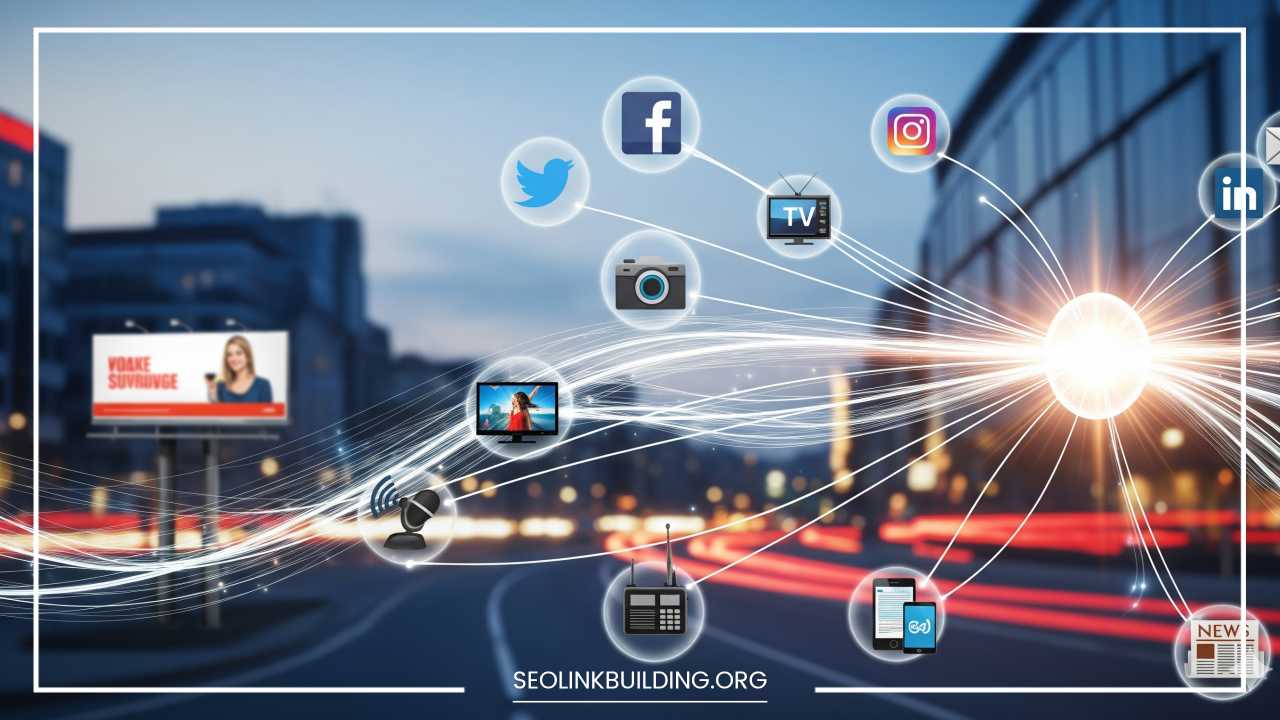
IMC is a strategic approach that seeks to coordinate and integrate all marketing communication tools, avenues, and sources to create a seamless, consistent, and synergistic brand experience. It moves beyond the siloed thinking of traditional marketing, where advertising, public relations, and sales promotions operated as separate entities. Instead, IMC focuses on building a singular, compelling brand narrative that is consistently delivered across every touchpoint a customer has with the brand, from the first time they see an ad to the moment they make a purchase and beyond.
The importance of IMC in the modern landscape cannot be overstated. With the rise of digital platforms, consumers can interact with brands on multiple devices and through countless channels. A brand that presents a different message or a disjointed identity on its website, its social media accounts, and its physical store risks confusing its audience and eroding trust. IMC ensures that every communication, regardless of its source or medium, reinforces the same core message, strengthening the brand’s identity and maximizing the effectiveness of its marketing efforts.
Definition of Integrated Marketing Communication
Integrated Marketing Communication is a strategic business process used to plan, develop, execute, and evaluate coordinated, measurable, persuasive brand communication programs over time with consumers, customers, prospects, and other targeted, relevant external and internal audiences. The ultimate goal is to generate short-term financial returns and build long-term brand and shareholder value.
The three key components of this definition are consistency, coordination, and synergy. Consistency means that the brand’s message is unwavering, regardless of the channel. A customer should be able to recognize the brand’s personality, tone, and core values whether they are reading an email, watching a video, or interacting with a customer service representative. Coordination is the logistical and strategic alignment of all communication efforts. This means that a social media campaign is launched in tandem with a new product ad, and a public relations initiative is timed to support a sales promotion. All elements work together in a planned, orchestrated manner. Finally, synergy is the idea that the combined effect of all communication channels working together is greater than the sum of their individual parts. When a consistent message is delivered across multiple touchpoints, it creates a powerful and memorable brand presence that resonates deeply with the audience.
Traditional marketing communication, in contrast, often operated in silos. The advertising department might have worked on a television campaign with little to no input from the public relations team, who were busy drafting press releases. The sales team might have developed their own promotions without coordinating with the marketing department. This fragmented approach could lead to conflicting messages, wasted resources, and a disjointed brand image that confused consumers. IMC, therefore, is a paradigm shift, moving from a channel-centric approach to a customer-centric one, where the focus is on creating a unified and seamless experience for the consumer.
Core Objectives of IMC
The primary goal of IMC is to achieve a singular, unified brand message, but this umbrella objective breaks down into several key aims that drive success in the modern marketplace.
First, IMC is about building a consistent brand message. A strong brand is built on trust and recognition. When a brand’s message is consistent across all platforms—from a quirky social media post to a formal corporate press release—it reinforces its identity and builds reliability in the minds of consumers. This consistency ensures that the brand’s core values, mission, and personality are clearly and repeatedly communicated, helping to solidify its position in the market.
Second, IMC aims to maximize marketing effectiveness. By coordinating different communication channels, marketers can ensure that each channel reinforces the others, leading to a more impactful and memorable campaign. For example, a television ad might create brand awareness, while a corresponding social media campaign encourages engagement and a direct email provides a call to action. This synergy ensures that every dollar spent on marketing is working to its full potential, leading to a higher return on investment (ROI).
Third, IMC is focused on creating a seamless customer experience. Today’s customers expect a smooth and personalized journey. Whether they discover a brand on Instagram, research it on the company’s website, or make a purchase in-store, their experience should be effortless and consistent. A successful IMC strategy ensures that the transition between these touchpoints is fluid, eliminating friction and building a positive relationship with the customer.
Finally, IMC is designed to drive stronger customer relationships. When a brand communicates with a clear, consistent, and authentic voice, it fosters a sense of trust and connection. Customers feel they know and understand the brand, which can lead to increased loyalty and advocacy. By engaging with customers on their preferred platforms and delivering tailored, relevant content, IMC helps to build a community around the brand, turning one-time buyers into lifelong fans.
Key Elements/Channels of IMC
A successful IMC strategy integrates a wide range of marketing channels, ensuring each one plays a specific, coordinated role in delivering the brand message.
- Advertising: This includes traditional media like TV, radio, and print, as well as modern digital formats such as banner ads, search engine marketing (SEM), and video pre-rolls. The role of advertising in IMC is to create broad awareness and build a specific brand image. For example, a Nike television ad might evoke a feeling of inspiration and athletic excellence, a message that is then reinforced across its digital platforms.
- Public Relations (PR): PR focuses on managing the flow of information between an organization and its public. This includes press releases, media relations, sponsorships, and crisis communication. In an IMC context, PR is crucial for building credibility and third-party validation. A glowing article in a reputable news outlet reinforces the positive message created by advertising and other channels.
- Sales Promotion: These are short-term incentives designed to stimulate immediate sales, such as discounts, coupons, contests, and limited-time offers. Sales promotions work within an IMC strategy to drive specific behaviors. A sales promotion might be announced on social media, detailed in an email, and featured on a website banner, all working together to encourage a quick purchase.
- Direct Marketing: This involves communicating directly with individual customers to elicit a specific response. Channels include email marketing, SMS, direct mail catalogs, and personalized online ads. Direct marketing in an IMC strategy is key for building one-to-one relationships and delivering highly personalized messages, often based on customer data. A company might send a personalized email with a discount code to a customer who has previously shown interest in a specific product.
- Personal Selling: This is the most direct form of communication, involving a face-to-face interaction between a salesperson and a potential customer. This is particularly important in B2B marketing and for high-value products. In an IMC framework, the salesperson’s message and presentation must be aligned with all other brand communications. The company website, brochures, and sales presentations should all tell the same story.
- Digital Marketing: This is a vast category that includes social media marketing, influencer collaborations, search engine optimization (SEO), and paid advertising. Digital channels are central to modern IMC because they allow for real-time interaction, data collection, and personalized messaging. A brand might use social media to build a community, work with an influencer to reach a new audience, and use SEO to ensure its content is easily discoverable.
- Content Marketing: This involves creating and distributing valuable, relevant, and consistent content to attract and retain a clearly defined audience. Examples include blog posts, videos, podcasts, and whitepapers. Content marketing is the engine of a modern IMC strategy, as it provides the substance for all other channels. A blog post might be promoted on social media, linked in an email newsletter, and used by a salesperson as a resource for a client.
By integrating these diverse channels, a brand can create a powerful and cohesive marketing ecosystem. Each channel reinforces the others, creating a seamless and unforgettable customer journey.
IMC Process and Planning Steps
A successful IMC campaign doesn’t happen by chance; it is the result of a deliberate, well-structured process. This planning framework ensures that all communication efforts are aligned with the brand’s overall business objectives.
- Situational Analysis: The process begins with a thorough understanding of the current market landscape. This involves analyzing the brand’s internal strengths and weaknesses, as well as external opportunities and threats (a SWOT analysis). Marketers also need to assess the competitive environment, customer perceptions, and technological trends. This step provides the foundational knowledge needed to build an effective strategy.
- Identifying the Target Audience: You can’t speak with one voice until you know who you are talking to. This step involves segmenting the market and identifying the specific consumer groups the brand wants to reach. Marketers create detailed buyer personas that go beyond demographics to include psychographics, behaviors, motivations, and media habits. This deep understanding is crucial for tailoring the message and selecting the right channels.
- Setting Communication Objectives: Before creating any content, it is essential to define what the communication is meant to achieve. Objectives should be S.M.A.R.T. (Specific, Measurable, Achievable, Relevant, Time-bound). Examples include increasing brand awareness by 20% within six months, generating 1,000 new leads per month, or increasing customer engagement on social media by 15%.
- Budgeting for IMC: Allocating a budget is a critical step. A single, integrated budget for all marketing communications is often more effective than separate budgets for each department. This allows for a more flexible and strategic allocation of funds, ensuring that resources are directed to the channels that will have the most impact and work best together.
- Strategy Formulation: This is where the creative and tactical work begins. Based on the target audience and objectives, marketers develop a core message or creative brief. They then select the mix of channels that will best deliver this message. This step involves deciding on the specific tactics for each channel, such as the type of ad campaign, the content for a blog, or the nature of a sales promotion.
- Implementation: This is the execution phase. All the plans and strategies are put into action. This requires tight coordination between different teams, agencies, and vendors to ensure that all communication efforts are launched at the right time and with the right message. A coordinated launch, for example, might involve a press release going out the same day as a new digital ad campaign.
- Evaluation and Control: The final step is to measure the effectiveness of the campaign against the initial objectives. This involves collecting data and using analytics to determine what worked and what didn’t. Marketers analyze key performance indicators (KPIs) like website traffic, social media engagement, sales figures, and brand sentiment. The insights gained from this evaluation are then used to refine and improve future campaigns, making the IMC process a continuous cycle of planning, execution, and learning.
Benefits of Integrated Marketing Communication
The effort required to implement a successful IMC strategy is significant, but the rewards are substantial. IMC provides a clear competitive advantage in a crowded marketplace.
One of the most significant benefits is brand consistency and clarity. A unified message ensures that the brand’s identity is not diluted or misrepresented. This clarity builds trust and makes the brand more recognizable and memorable to consumers, which is a key driver of long-term loyalty.
Another major benefit is improved ROI. By eliminating fragmented efforts and ensuring that each marketing dollar is working in concert with others, IMC campaigns are often more efficient and effective. The synergy created between different channels means that the overall impact is greater than the sum of the individual parts, leading to more conversions and sales for the same investment.
IMC also leads to better customer engagement. When a brand communicates with a single voice across all platforms, it creates a more compelling narrative that customers can connect with. Personalized, consistent messaging at every touchpoint makes the customer feel understood and valued, fostering a deeper, more meaningful relationship with the brand. This increased engagement often translates into higher customer satisfaction and repeat business.
Furthermore, IMC helps to achieve increased efficiency across teams. When advertising, PR, sales, and digital marketing teams are all working from the same playbook and toward the same goals, communication silos are broken down. This leads to better collaboration, reduced redundancy, and a more streamlined workflow.
Finally, a consistent and powerful brand message built through IMC can significantly strengthen brand equity. Brand equity is the value a brand gains from customer perception and experience. By creating a strong, positive, and consistent image, IMC helps to build brand recognition, perceived quality, and brand loyalty, all of which contribute to the brand’s overall value.
Challenges in Implementing IMC
Despite its clear benefits, implementing an IMC strategy is not without its difficulties. Businesses often face several hurdles when trying to break down traditional silos and create a unified marketing front.
One of the primary challenges is organizational silos. In many large companies, different departments (marketing, sales, PR) have their own budgets, goals, and leadership. They may even see themselves as competing with each other rather than working together. Overcoming this internal friction requires a change in company culture and strong leadership from the top down to foster a collaborative environment.
Another hurdle is budget constraints. While a coordinated budget is ideal for IMC, getting different departments to pool their resources can be a difficult political battle. Departments may be hesitant to give up control over their budget, and a single, unified marketing budget may not be feasible in all organizations.
Maintaining consistency across diverse platforms is a constant challenge, especially in a world with new social media platforms and communication technologies emerging regularly. A message that works well on a professional platform like LinkedIn may feel out of place on a more informal platform like TikTok. Marketers must be able to adapt the message to each channel’s unique tone while still preserving the core brand identity.
Finally, managing multiple external agencies and vendors can be a logistical nightmare. A company might work with a creative advertising agency, a separate PR firm, a digital marketing consultant, and an SEO specialist. Ensuring all these disparate partners are on the same page and working toward a unified goal requires strong project management and communication skills.
Real-World Examples of IMC Campaigns
Examining successful IMC campaigns provides valuable insight into how these principles are applied in practice.
1. Coca-Cola’s “Share a Coke” Campaign: Coca-Cola is a master of IMC. Their “Share a Coke” campaign is a classic example of using personalization to create a powerful, integrated message. The campaign started with physical bottles and cans featuring popular names. This was supported by a massive social media campaign where consumers were encouraged to share photos of their personalized bottles using a specific hashtag. Digital billboards displayed user-generated content, and television commercials reinforced the message of sharing and connection. Every element of the campaign—from the physical product to the digital and traditional advertising—was flawlessly coordinated, creating a viral sensation and a memorable experience for consumers.
2. Apple Product Launches: Apple is a benchmark for IMC. Their product launches are a masterclass in building anticipation and delivering a consistent message. The campaign begins with mysterious leaks and buzz from tech journalists (PR), followed by a highly anticipated keynote presentation (a combination of personal selling and event marketing). The presentation is live-streamed and generates immediate press coverage. Following the announcement, a multi-channel campaign of print ads, digital banners, and television commercials (advertising) reinforces the key features and benefits. The message is always simple, elegant, and consistent: Apple products are intuitive, beautiful, and innovative. This seamless narrative is what makes their product launches so effective.
3. Nike’s Multi-Channel Storytelling: Nike has always been a leader in creating emotional connections through its marketing. Their campaigns, such as “Just Do It,” are a perfect example of multi-channel storytelling. A powerful television commercial featuring an inspiring athlete is released, followed by behind-the-scenes videos and interviews on their social media channels (content marketing). The brand’s website and app feature personalized content and workout plans (direct marketing). The in-store experience reflects the same empowering message, with visuals and product placement that reinforce the brand’s narrative. Nike’s success lies in its ability to tell a consistent, empowering story across every single touchpoint, from an Instagram post to a marathon event.
IMC in the Digital Age
The rise of digital technology has made IMC both more complex and more critical. Data, personalization, and automation have become central to modern IMC strategies.
The availability of vast amounts of data and analytics has revolutionized how marketers understand their audience. Today, businesses can track customer journeys across multiple devices, from the initial search query on a smartphone to the final purchase on a desktop. This data allows for a much more precise understanding of consumer behavior, enabling marketers to deliver the right message at the right time.
Customer journey mapping has become an essential tool in IMC. By visualizing a customer’s path from awareness to purchase and loyalty, marketers can identify and optimize every touchpoint. This ensures that the message is not only consistent but also relevant to the customer’s mindset at each stage of their journey.
The integration of traditional and digital channels is a key aspect of modern IMC. A TV commercial can drive viewers to a specific hashtag on Twitter, a print ad can feature a QR code that leads to a personalized landing page, and an in-store display can encourage a customer to sign up for a loyalty program via a mobile app. This seamless blend of online and offline experiences creates a truly immersive brand world.
Finally, automation and AI are playing an increasingly important role. Marketing automation platforms can deliver personalized emails based on a customer’s browsing history, and AI-powered chatbots can provide instant customer service that is consistent with the brand’s voice. These technologies enable brands to scale their personalized communication efforts in a way that was previously impossible.
Future Trends in IMC
The world of marketing is constantly evolving, and several trends are poised to shape the future of IMC.
- Personalization at Scale: While personalization has been a buzzword for a while, the next wave will focus on delivering hyper-personalized content to millions of consumers in real-time. This will be driven by advancements in AI and machine learning, allowing brands to create truly one-to-one communication.
- Cross-Device and Omnichannel Marketing: Consumers now switch between multiple devices throughout the day. Future IMC strategies will need to seamlessly track and engage customers across their smartphones, tablets, laptops, and even smart home devices, creating a truly unified omnichannel experience.
- User-Generated Content (UGC) and Influencer Synergy: Brands are moving beyond simply collaborating with influencers to creating symbiotic relationships. Future IMC will see brands actively encouraging and integrating UGC and influencer-created content into their official campaigns, leveraging the authenticity and trust of these voices to amplify their message.
- Privacy and Ethical Concerns: As data becomes more central to IMC, so do consumer privacy concerns. Future IMC will need to navigate this landscape carefully, prioritizing transparency, ethical data collection, and respectful communication that avoids being overly intrusive. Brands that can build trust in their data practices will have a significant advantage.
Final Thoughts
Integrated Marketing Communication is no longer just a buzzword or a clever strategy; it is a fundamental requirement for success in the modern business world. As media channels continue to multiply and consumer attention becomes more fragmented, the ability to speak with a single, clear, and consistent voice across all platforms is paramount.
IMC is about more than just matching colors and logos; it’s about building a powerful and memorable brand narrative that resonates with customers on a deep, emotional level. By breaking down organizational silos, aligning every communication effort, and focusing on the customer’s journey, businesses can achieve a synergy that maximizes their marketing effectiveness and builds lasting brand value. In a world of noise, IMC provides the clear, unified signal that cuts through the clutter and connects with the audience, turning fleeting interest into enduring loyalty.