How to Promote Your Website

How to Promote Your Website – Proven Strategies to Increase Traffic
The digital landscape is more competitive than ever, and simply launching a website is no longer enough to guarantee success. Your website is a digital storefront, a professional portfolio, or a dynamic content hub, but without consistent, high-quality traffic, it remains a hidden gem. In the world of online business, traffic is the lifeblood that fuels growth, generates leads, and solidifies brand visibility.
This comprehensive guide will walk you through a powerful mix of foundational, actionable, and advanced strategies, providing you with a complete roadmap for promoting your website effectively. By the end of this article, you will have a clear understanding of the proven methods used by successful online businesses to drive consistent and scalable traffic.
Understand Your Audience
Before you spend a single hour on promotion, you must first spend time understanding who you are trying to reach. Promoting a website without a clear audience is like shouting into a void—you’ll make noise, but you won’t make a connection. The most effective promotion starts with deep audience knowledge.
Importance of Identifying Your Target Audience
Your target audience is the specific group of people most likely to be interested in your product, service, or content. Identifying them allows you to:
-
Tailor Content: Create articles, videos, and offers that directly address their pain points and interests.
-
Optimize Channels: Focus your promotional efforts (and budget) on the social media platforms, search engines, and websites they actually use.
-
Refine Messaging: Use the language, tone, and framing that resonates with them, maximizing conversion rates.
Creating User Personas
To move beyond vague demographics, you need to create user personas. A persona is a semi-fictional, generalized representation of your ideal customer based on market research and real data about your existing customers. A complete persona includes:
-
Demographics: Age, location, income, job title.
-
Psychographics: Hobbies, values, attitudes, lifestyle.
-
Goals: What they are trying to achieve.
-
Challenges/Pain Points: What problems they are trying to solve.
-
Digital Behavior: Preferred social networks, time spent online, search habits.
Creating 3-5 detailed personas provides a concrete reference point for every promotional decision.
Understanding Audience Needs and Search Intent
Your audience’s needs translate directly into their search intent. When someone types a query into a search engine, they are generally looking for one of four things:
-
Informational: They want to learn (e.g., “how to start a podcast”).
-
Navigational: They want to find a specific site (e.g., “Amazon login”).
-
Commercial Investigation: They are researching a product (e.g., “best budget laptop 2025 review”).
-
Transactional: They are ready to buy (e.g., “buy cheap laptop online”).
Understanding the intent behind the keywords your audience uses is critical. You must match your content to that intent: an informational query needs a blog post, while a transactional query needs a well-optimized product page.
On-Page SEO Strategies
Search Engine Optimization (SEO) is the fundamental, long-term strategy for driving organic, high-quality traffic. On-page SEO involves optimizing the actual content and HTML source code of a page to rank higher in search engines and bring targeted visitors to your site.
Keyword Research
The cornerstone of successful SEO is keyword research. This process involves identifying the terms and phrases your audience uses when searching for information related to your business.
-
Tools: Use professional tools like Ahrefs, SEMrush, or Google’s Keyword Planner to identify high-volume, low-competition keywords.
-
Long-Tail Keywords: Don’t just focus on highly competitive, broad keywords (like “marketing”). Instead, target long-tail keywords—longer, more specific phrases (like “affordable digital marketing strategies for small business”). These have lower search volume but much higher conversion intent.
Optimizing Meta Titles, Descriptions, and Headings
These are the elements that communicate your page’s relevance to both search engines and users:
-
Meta Titles ($\lt title>$): The most important on-page element. It must be unique, concise (around 50-60 characters), and contain your primary target keyword, ideally near the front.
-
Meta Descriptions: While not a direct ranking factor, they are your ad copy in the search results. Write compelling descriptions (around 150-160 characters) that encourage a click, accurately summarizing the page and including a call-to-action (CTA).
-
Headings ($\lt H1>$, $\lt H2>$, etc.): Use your $\lt H1>$ tag for the page title, ensuring it contains the primary keyword. Use $\lt H2>$ and $\lt H3>$ tags to organize your content logically, incorporating secondary and related keywords.
Internal Linking and Site Structure
A clean, logical site structure helps both users and search engines navigate your content.
-
Internal Linking: When creating new content, link to older, relevant pages on your site. This distributes “link equity” (ranking power) across your site, helps Google discover new pages, and reduces bounce rate by keeping users engaged.
-
Site Structure: Aim for a “pyramid” structure: your homepage links to main category pages, which link to sub-category and individual product/content pages. All pages should be reachable in three clicks or fewer from the homepage.
Content Optimization
Optimization extends beyond just keywords:
-
Readability: Break up dense text with short paragraphs, bulleted lists, and clear headings. An easily readable page keeps users engaged longer.
-
Multimedia: Incorporate relevant images, videos, and charts. These assets improve user experience and signal to search engines that your content is comprehensive.
-
Schema Markup: Implement Schema.org markup (structured data) to help search engines better understand your content, making you eligible for rich results (e.g., star ratings, recipes, FAQs) in the SERPs, which significantly increases click-through rates.
Content Marketing
Content marketing is the strategic creation and distribution of valuable, relevant, and consistent content to attract and retain a clearly defined audience—and ultimately, to drive profitable customer action.
Blogging and Articles
A well-maintained blog is the engine of your content strategy. Consistent, high-quality articles optimized for target keywords establish your authority and are the primary driver of organic traffic.
-
Answer Questions: Focus your articles on answering the questions your target audience is asking (the “informational” search intent).
-
Pillar Content: Create comprehensive, long-form articles (2,000+ words) on broad topics that can serve as foundational “pillar” content. These pages are often highly linked to and rank for numerous related keywords.
Creating Valuable Resources
Not all content should be a standard blog post. To truly generate leads and capture audience attention, create high-value, ungated or gated resources:
-
Guides and Ebooks: Comprehensive, downloadable documents that solve a major problem for your audience.
-
Checklists and Templates: Highly practical resources that streamline a task for the user.
-
White Papers and Case Studies: Authoritative content that provides industry insights and showcases your expertise.
Video Content and Infographics
Diversifying your content formats is crucial, as different audiences prefer different consumption methods.
-
Video Content: Host short, engaging videos on YouTube (the world’s second-largest search engine) and embed them on your website. Tutorials, product demos, and expert interviews are highly effective for driving traffic and engagement.
-
Infographics: Highly shareable visual summaries of complex data or processes. They are a powerful tool for driving social media shares and generating backlinks (as other sites use them and link back to the source).
Content Repurposing for Social Media
Maximize the return on your content investment by repurposing it:
-
A 2,500-word blog post can be turned into:
-
A YouTube video script.
-
10-15 tweets/LinkedIn posts using key statistics.
-
5-7 short-form videos (Reels/TikToks) focusing on specific tips.
-
An infographic summarizing the key points.
-
Social Media Promotion
Social media is a powerful amplification tool, allowing you to proactively push your content in front of your audience rather than waiting for them to find it through search.
Choosing the Right Platforms
The mistake many businesses make is trying to be everywhere. Focus your efforts on the platforms where your target audience (as defined by your personas) is most active:
-
LinkedIn: Ideal for B2B, professional services, and high-value, long-form content distribution.
-
Instagram/TikTok: Perfect for visual brands, consumer goods (B2C), and short, highly engaging video content.
-
Facebook: Remains a strong channel for building community groups and targeted paid advertising.
-
X (formerly Twitter): Excellent for breaking news, rapid-fire commentary, and real-time customer service.
Sharing Content Strategically and Consistently
Consistency is key. Develop a content calendar that dictates when and what you share.
-
The 80/20 Rule: Dedicate about 80% of your posts to providing value, entertainment, or education, and only 20% to direct promotion.
-
Vary the Format: Use polls, questions, behind-the-scenes glimpses, and curated content from other sources to keep your feed fresh and engaging.
Engaging with Your Audience and Building Communities
Social media is a two-way street. Engagement drives visibility.
-
Respond Quickly: Reply to comments and messages promptly to show you value your audience.
-
Ask Questions: Use posts to spark conversation and encourage user-generated content.
-
Create or Join Groups: Establish a private Facebook or LinkedIn group dedicated to your niche. These communities are high-value traffic drivers because they bring together your most loyal and engaged customers.
Paid Social Media Ads (Overview)
While organic reach is valuable, paid social ads offer immediate, hyper-targeted traffic. Platforms like Facebook and Instagram allow you to precisely target users based on demographics, interests, and even recent purchase behavior. Use paid ads to promote your best lead magnets or pillar content to a cold audience.
Email Marketing
Email marketing remains one of the highest ROI channels for driving traffic and conversions. The subscribers on your list are owned traffic—they have already opted in, making them a highly qualified and receptive audience.
Building and Segmenting Email Lists
The primary goal of your website (outside of direct sales) should be to capture email addresses.
-
Clear CTAs: Place prominent, compelling opt-in forms across your site (header, sidebar, end of articles).
-
List Segmentation: Don’t send the same email to everyone. Segment your list based on user behavior (e.g., product purchased, articles read, level of engagement) to ensure recipients only receive highly relevant communications.
Creating Newsletters and Promotional Campaigns
Emails are not just for selling; they are for providing value and driving traffic back to your website.
-
Newsletters: Regular (weekly/bi-weekly) emails summarizing your latest blog posts, important industry news, and internal updates, all linked back to the original content on your site.
-
Promotional Campaigns: Targeted emails announcing sales, new product launches, or special offers.
Using Lead Magnets to Attract Subscribers
A lead magnet is an irresistible, valuable piece of content offered in exchange for an email address. They are the single best tool for rapidly growing your list. Examples include:
-
Free checklists or templates.
-
Exclusive webinars.
-
First chapter of an ebook.
-
A free mini-course.
Personalization and Automation
Modern email marketing relies on automation to send the right message at the right time.
-
Automation: Set up “drip campaigns” (sequences of emails) for new subscribers, sending them a welcome series that introduces your brand and guides them toward valuable content.
-
Personalization: Use the subscriber’s name in the subject line or greeting, and personalize content recommendations based on their past activity.
Link Building & Backlinks
In the world of SEO, backlinks (links from other websites to yours) are essentially votes of confidence. The more high-quality, relevant votes you have, the higher your website will rank. This process is called link building.
Importance of Backlinks for SEO
Backlinks are a top-tier ranking factor for Google. They signal to search engines that your content is trustworthy and authoritative. Not all links are equal; a link from a respected, high-authority website in your industry is worth far more than dozens of links from low-quality sites. Focus on quality over quantity.
Guest Posting and Collaborations
Guest posting involves writing an article for another company’s website in exchange for a link back to your site (usually in the author bio).
-
Strategy: Find websites that have a similar, non-competing audience and a high Domain Authority (DA). Pitch topics that are valuable to their readers and naturally allow you to link back to a piece of relevant, high-quality content on your site.
Influencer Outreach
Identify key industry leaders, bloggers, or journalists who frequently write about your niche.
-
The Skyscraper Technique: Find popular content that is already well-linked, then create a piece of content that is significantly better, longer, or more up-to-date. Reach out to everyone who linked to the old, inferior content and ask them to link to your superior new version instead.
-
Resource Pitching: If you have created an exceptional resource (like a comprehensive guide or a unique data set), reach out to influencers who could use it to support their own articles or pages.
Building Links Through Resource Pages or Mentions
-
Unlinked Mentions: Use tools to monitor the web for mentions of your brand or products that don’t currently include a link. Contact the editor and politely ask them to turn the mention into a clickable link.
-
Resource Pages: Look for “best resources” or “tools” pages on industry websites. If your product or content fits, pitch it as a valuable addition to their list.
Paid Advertising
While organic traffic is the long-term goal, paid advertising provides immediate, scalable, and highly measurable traffic, especially when launching a new site or product.
Google Ads / Bing Ads
Search engine marketing (SEM) allows you to place your website at the very top of the search results for highly commercial keywords.
-
Targeting Intent: Since users are actively searching, ads placed here capture the highest purchase intent. Bid on the transactional and commercial investigation keywords that your site may not yet rank for organically.
-
Landing Page Optimization: Ensure the page you send traffic to (the landing page) is directly relevant to the ad copy and is highly optimized for conversion.
Social Media Ads
As mentioned previously, social ads (Facebook, Instagram, LinkedIn, YouTube) excel at highly specific demographic and interest targeting.
-
Awareness: Use ads to introduce your brand or content to a cold audience that matches your persona profile.
-
Lead Generation: Run campaigns specifically designed to capture email addresses by promoting your lead magnets.
Retargeting Campaigns
This is one of the highest-ROI forms of paid advertising. Retargeting (or remarketing) involves placing a tracking pixel on your website. When a visitor leaves your site, the pixel allows you to serve them your ads across other websites and social platforms.
-
Focus: Target users who have visited product pages but didn’t buy, or abandoned their shopping cart. Since they are already familiar with your brand, conversion rates are typically much higher.
Measuring ROI and Conversions
Never run paid ads without clear tracking.
-
Cost Per Acquisition (CPA): Track how much it costs you to acquire a customer through a specific ad campaign.
-
Return on Ad Spend (ROAS): Calculate the revenue generated for every dollar spent on ads. Only continue campaigns that yield a positive, profitable return.
Analytics and Tracking
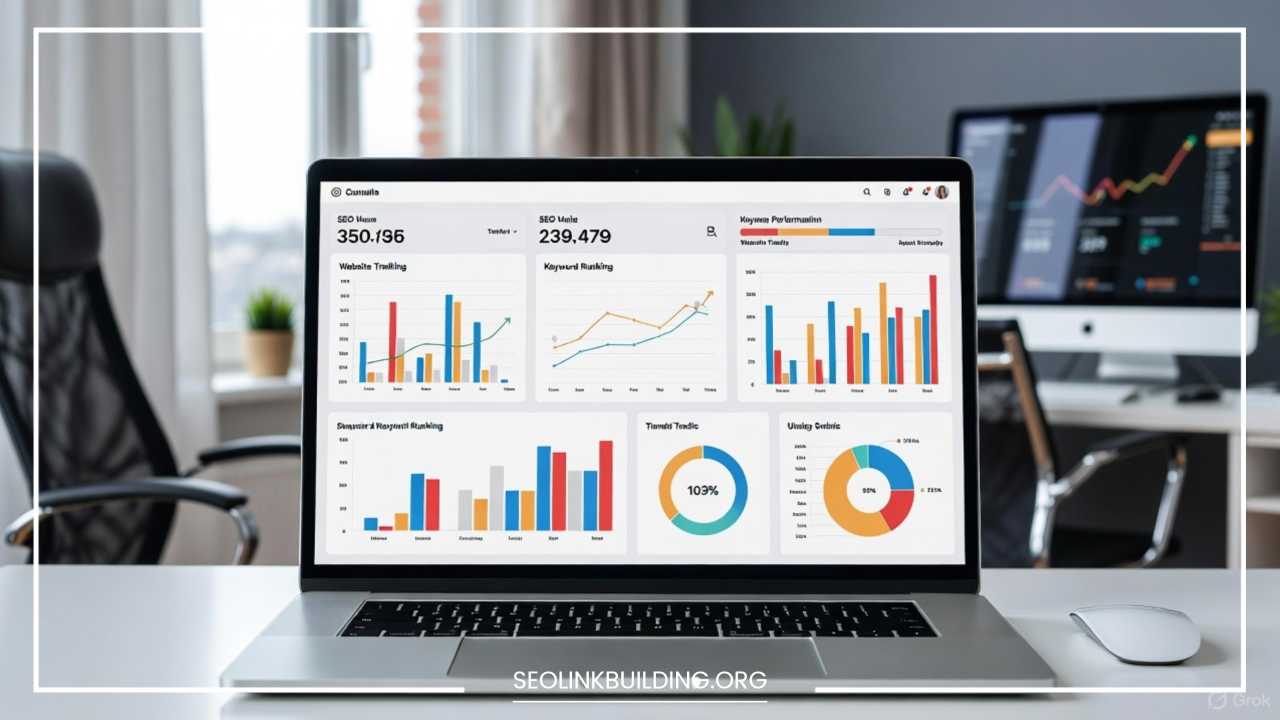
If you can’t measure it, you can’t improve it. Data is the key to optimizing your promotional efforts, shifting resources to the most profitable channels, and stopping what isn’t working.
Using Google Analytics, Search Console, and Other Tools
These tools provide the foundational data necessary for informed decision-making:
-
Google Analytics (GA): Provides detailed insights into what visitors do on your site (page views, time on page, bounce rate, conversions) and where they came from (source/medium).
-
Google Search Console (GSC): Shows you how your site performs in Google Search results (keywords you rank for, technical issues, click-through rate in SERPs).
-
Heatmap Tools (e.g., Hotjar): Provide visual data on where users click, how far they scroll, and where they get stuck.
Tracking Traffic Sources and User Behavior
Use the data in GA to analyze the effectiveness of your channels:
-
Which channel (Organic Search, Social, Email, Paid) is driving the most traffic?
-
Which channel is driving the highest quality traffic (lowest bounce rate, highest time on page)?
-
Which channel provides the most conversions/sales?
Adjusting Promotion Strategies Based on Data
Use your findings to guide your strategy:
-
Observation: “My LinkedIn traffic is low, but the visitors convert at a high rate.” Action: Increase your LinkedIn posting frequency and budget.
-
Observation: “The bounce rate for blog post A is 90%.” Action: Improve the content readability, add more internal links, or optimize the page speed.
Advanced Strategies
Once the foundational and core strategies are in place, you can explore more advanced and high-leverage techniques to sustain growth.
Content Syndication and Partnerships
Syndication involves republishing your content on third-party, high-authority sites (like Medium, or large industry publications).
-
The Goal: It primarily generates brand awareness and targeted referral traffic.
-
The Rule: Ensure the original version remains the “canonical” version (using the canonical tag) to avoid duplicate content penalties from search engines.
Webinars and Podcasts
Hosting or appearing on webinars and podcasts positions you as an expert and introduces your brand to a large, engaged, and highly trusting audience.
-
Webinars: Excellent for complex topics, deep Q&A, and high-value lead generation, as they require a high sign-up commitment.
-
Podcasts: Offer evergreen traffic potential and are highly effective for building familiarity and trust with listeners.
Community Building
While social media is part of this, true community building involves creating exclusive, high-value spaces:
-
Exclusive Groups/Forums: Dedicated spaces for paying customers or premium subscribers build loyalty and generate organic referrals.
-
User-Generated Content (UGC): Encourage customers to share their experiences or creations using your product. UGC is incredibly effective for driving social proof and referral traffic.
Emerging Trends (AI Tools, Automation, etc.)
Stay current with technological shifts to maintain a competitive edge:
-
AI Content Tools: Use AI responsibly to assist with research, outline creation, or repurposing, but ensure all final content is human-edited, fact-checked, and injected with unique expertise.
-
Automation: Automate routine tasks like social media scheduling, email sending, and reporting analysis to free up time for strategic, high-value promotional work.
Final Thoughts
Promoting a website is not a one-time task; it is an ongoing, multifaceted discipline. Success comes from adopting a holistic strategy that combines the long-term, compounding effects of On-Page SEO and Link Building with the immediate, high-impact visibility of Paid Advertising and Social Media.
Start by mastering the fundamentals: truly understand your audience and optimize your core website content. Then, systematically implement and measure the effectiveness of your content creation, social sharing, and email marketing efforts.
The key is continuous improvement and experimentation. The digital landscape is always evolving. Regularly analyze your data, double down on the strategies that deliver the highest ROI, and never stop testing new channels and creative approaches. By committing to these proven strategies, you will ensure your website not only survives but thrives in the competitive online world.