Example of Indirect Advertising


Example of Indirect Advertising: The Art of Subtle Persuasion
“Sometimes the most powerful ads don’t look like ads at all.”
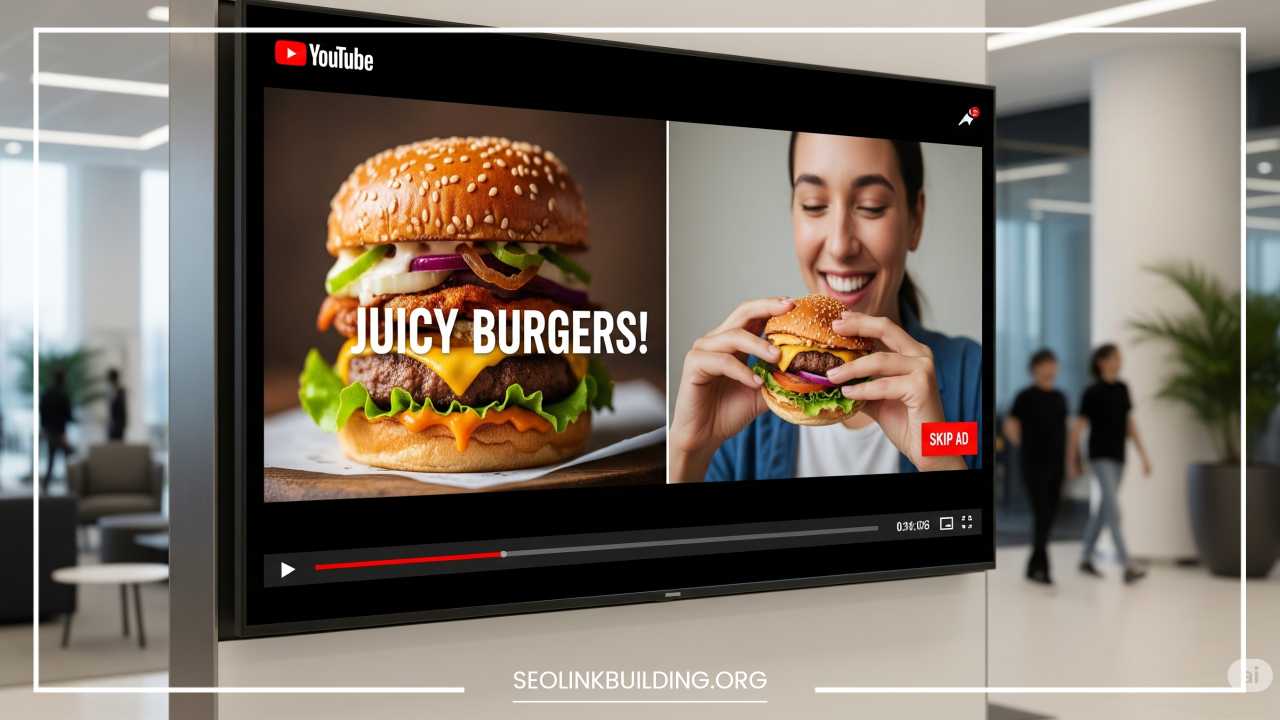
Sometimes the most powerful ads don’t look like ads at all. In an era where the average person is bombarded by thousands of marketing messages every single day, the human brain has developed a sophisticated defense mechanism known as advertising blindness. We skip YouTube commercials as fast as the countdown allows, we install ad-blockers on our browsers, and we mentally tune out the billboards lining the highway. Traditional advertising, with its loud “Buy Now” slogans and flashing discount signs, is facing a crisis of relevance. To break through this noise, brands have turned toward a more sophisticated, nuanced strategy: indirect advertising.
At its core, advertising is the act of calling public attention to a product or service. However, the method of delivery defines the relationship between the brand and the consumer. Direct advertising is a frontal assault; it is an explicit request for a transaction. Indirect advertising, by contrast, is a slow burn. It focuses on building brand awareness, establishing authority, and creating an emotional resonance that stays with the consumer long after they have turned off their screen. It is the difference between a salesperson knocking on your door and a friend mentioning a product they genuinely love during a conversation.
The rise of digital media and social networks has accelerated this shift. Today, consumers value authenticity above all else. They want to see how a product fits into a lifestyle they admire, rather than being told why a product is technically superior. As we navigate this complex landscape, understanding the mechanics of indirect advertising becomes essential for marketers and consumers alike.
What Is Indirect Advertising?
Indirect advertising is a marketing strategy that promotes a product or service through subtle, non-explicit means. Unlike traditional ads that feature a clear Call to Action (CTA), indirect advertising weaves the brand into the fabric of entertainment, information, or social interaction. It is designed to influence the viewer’s subconscious, creating a positive association with the brand without triggering the skepticism that usually accompanies a sales pitch.
The psychology behind this approach is rooted in the concept of “low-involvement processing.” When we watch a movie or read a helpful blog post, our guard is down. We are in a state of reception rather than a state of evaluation. When a brand appears naturally within that context, we don’t feel like we are being sold to; instead, we perceive the brand as a natural part of our environment. Over time, these repeated, subtle exposures build a foundation of trust and familiarity.
Differences Between Direct and Indirect Advertising
To truly grasp the concept, it is helpful to look at how these two approaches differ in practice. While direct advertising seeks an immediate response, indirect advertising plays the long game.
| Direct Advertising | Indirect Advertising |
| “Buy now” or “Limited time offer” messaging | Soft persuasion and lifestyle integration |
| TV commercials, radio spots, and pop-up ads | Product placement, sponsorships, and content |
| Focuses on immediate sales and conversions | Focuses on brand awareness and sentiment |
| Highly intrusive and easily ignored | Non-intrusive and naturally engaging |
| Measures success through Click-Through Rates (CTR) | Measures success through engagement and recall |
Direct advertising is a sprint; indirect advertising is a marathon. A brand might use a direct ad to clear out inventory during a holiday sale, but it uses indirect advertising to ensure that when a consumer thinks of “quality” or “coolness,” that brand is the first name that comes to mind.
Types of Indirect Advertising
The beauty of indirect advertising lies in its versatility. It can take many forms, ranging from high-budget movie placements to a simple educational article written by a company expert.
Product Placement
Product placement is perhaps the most recognizable form of indirect advertising. It involves integrating a brand’s products into movies, television shows, or video games. The goal is for the product to appear as a natural part of the setting or the character’s life.
When we see a protagonist in a high-stakes thriller driving a specific luxury car, the brand isn’t just showing us a vehicle; it is associating that car with speed, power, and success. James Bond’s long-standing association with luxury watches and high-end automotive brands is a masterclass in this. The audience doesn’t see an ad for a watch; they see a hero who happens to wear a masterpiece of engineering. Similarly, Apple has mastered the art of having its glowing logo appear in the background of almost every cinematic office or coffee shop scene, subtly reinforcing the idea that “creative professionals use Macs.”
Influencer Marketing
In the digital age, influencer marketing has become the powerhouse of indirect promotion. Influencers are individuals who have built a dedicated following based on their expertise, personality, or lifestyle. When an influencer mentions a product in a “Day in My Life” video or a social media post, it feels like a recommendation from a peer.
The magic of influencer marketing is in its naturalism. A fitness influencer might post a photo of their morning routine, which happens to include a specific brand of yoga mat or a particular protein powder. There is no “Buy Now” button flashing on the screen, but the message is clear: “This product helps me achieve the lifestyle you admire.”
Sponsorship Marketing
Sponsorship is about association. By funding an event, a sports team, or a music festival, a brand aligns itself with the values and excitement of that event. Red Bull is the gold standard here. They rarely run traditional ads telling you how their drink tastes; instead, they sponsor extreme sports, record-breaking stunts, and high-energy music events. When you see the Red Bull logo on a Formula 1 car or a cliff-diver’s jersey, the brand is telling you that Red Bull equals adrenaline and boundary-pushing performance.
Content Marketing
Content marketing is the practice of creating valuable, relevant content to attract and retain an audience. This includes blogs, podcasts, and educational videos. Instead of shouting “Look at our product,” the brand says, “Here is something useful for you.”
For example, a company that sells high-end kitchenware might host a series of cooking tutorials or write articles on the best techniques for searing steak. By providing value first, the brand establishes itself as an authority. When the consumer eventually decides they need a new pan, they are far more likely to buy from the company that taught them how to cook.
Celebrity Endorsements
While some celebrity ads are very direct, the most effective ones are indirect. This happens when a celebrity is seen using a brand in their daily life or at public appearances without it being a formal commercial. When a world-class athlete like Cristiano Ronaldo is seen wearing a specific brand of sportswear during training, it creates a powerful emotional link. The consumer thinks, “If it’s good enough for the best player in the world, it’s good enough for me.”
Real-Life Examples of Indirect Advertising
To understand the impact of these strategies, we must look at how the world’s most successful brands implement them.
Coca-Cola in Movies and Television
Coca-Cola is a master of “omnipresence.” They don’t just want you to see their ads; they want you to see their red-and-white logo as a natural part of the human experience. In countless films and TV shows, characters are seen sharing a meal with a bottle of Coke on the table. There is no dialogue about the taste or the price. The bottle is simply there, acting as a symbol of comfort, friendship, and everyday life. This creates an “emotional anchor”—whenever we see the product, we subconsciously associate it with the positive feelings of the scene we are watching.
Nike’s Athlete Partnerships
Nike’s strategy goes far beyond thirty-second commercials. Their most effective indirect advertising comes from their presence at the highest levels of sport. When a marathon runner breaks a world record wearing Nike shoes, or a basketball star hits a game-winning shot in Nike sneakers, the brand is part of a historic moment. The advertising isn’t the logo on the shoe; the advertising is the victory itself. Nike positions itself not as a shoe seller, but as a partner in human achievement.
Apple’s Premium Placement Strategy
Apple rarely pays for traditional product placement in the way other brands do. Instead, they provide their hardware to production studios because they know their sleek design enhances the visual aesthetic of a film. When you see a row of MacBooks in a modern, high-tech office on a TV show, it reinforces the image of Apple as the choice for the intelligent, the successful, and the modern. This has helped Apple maintain a premium image without having to constantly tell people they are a premium brand.
Red Bull’s Media House
Red Bull is perhaps the only company that has successfully transitioned from a beverage company to a media empire. Their “Stratos” project, where Felix Baumgartner jumped from the edge of space, was one of the most-watched live events in history. Red Bull’s name was everywhere, yet the event wasn’t about the drink. It was about the feat of human engineering and bravery. By creating content that people actually want to watch, Red Bull ensures their brand is associated with excitement and “giving you wings.”
Starbucks and Lifestyle Visibility
Starbucks has become a cultural shorthand for the “on-the-go” professional lifestyle. Their cups appear in paparazzi photos of celebrities, in the hands of characters in sitcoms, and in the background of countless “study with me” videos on social media. This visibility isn’t always paid for; often, it happens because Starbucks is so ingrained in the culture that including it makes a scene feel more “real.” This is the ultimate goal of indirect advertising: becoming so synonymous with a lifestyle that your presence is required for authenticity.
Why Indirect Advertising Works
The effectiveness of indirect advertising can be explained by several psychological and social factors. As consumers become more sophisticated, the “hard sell” becomes less effective, making room for these more subtle approaches.
Lowering Consumer Resistance
When we know we are being sold to, we naturally become skeptical. We look for the “catch” and question the claims being made. Indirect advertising bypasses this critical filter. Because the brand is integrated into entertainment or helpful content, the brain doesn’t categorize it as a “threat” to our wallet. We accept the brand’s presence as part of the story, which makes us much more receptive to its influence.
Building Long-Term Trust
Trust is not built through a single transaction; it is built through repeated positive interactions. Indirect advertising, particularly through content marketing and influencer partnerships, allows a brand to provide value before asking for anything in return. When a brand helps you solve a problem or provides you with entertainment, you develop a sense of gratitude and trust toward that brand.
Creating Emotional Connections
Direct ads often focus on features and benefits (e.g., “this car has better gas mileage”). Indirect advertising focuses on feelings. By associating a brand with a beloved movie character, a thrilling sporting event, or a beautiful travel vlog, marketers can “borrow” the emotions generated by those experiences and attach them to the brand.
Improving Memory Retention
We are much more likely to remember a brand if it is part of a narrative. Humans are hardwired to remember stories, not statistics. A product that plays a key role in a movie plot is far more memorable than a product featured in a standard commercial during the break.
Advantages of Indirect Advertising
The shift toward indirect methods offers several tangible benefits for businesses looking to build a lasting legacy.
-
Higher Engagement: People choose to consume the media where indirect ads live. They choose to watch the movie, read the blog, or follow the influencer. This means the brand is reaching an audience that is already engaged and attentive.
-
Credibility and Authority: When a third party (like an influencer or an educational article) presents a brand, it carries an implicit “seal of approval.” This is far more credible than a brand boasting about itself.
-
Effective for Younger Generations: Millennials and Gen Z are famously averse to traditional advertising. They value transparency and community. Indirect advertising, when done authentically, aligns with these values.
-
Longevity: A direct ad campaign has an expiration date. However, a product placement in a classic movie or an SEO-optimized blog post can continue to provide value and brand exposure for years, if not decades.
Disadvantages and Ethical Concerns
Despite its many benefits, indirect advertising is not without its pitfalls. The very thing that makes it effective—its subtlety—can also make it controversial.
Issues of Transparency
The primary ethical concern with indirect advertising is the lack of transparency. If a consumer doesn’t realize they are being advertised to, are they being manipulated? This is especially relevant in influencer marketing, where the line between a genuine recommendation and a paid partnership can be blurry. Many regions have introduced laws requiring influencers to use tags like #ad or #sponsored, but enforcement remains a challenge.
Hidden Persuasion
Critics argue that indirect advertising is a form of “stealth marketing” that targets the subconscious mind, depriving the consumer of the ability to make a rational, informed decision. When brands are woven into the lives of fictional characters, it can create unrealistic lifestyle expectations for viewers who want to emulate what they see on screen.
Risk of Misalignment
If a brand chooses the wrong influencer or sponsors an event that later becomes involved in a scandal, the association can backfire. Because indirect advertising is so closely tied to the “vibe” of the content, any negativity surrounding the content will inevitably stain the brand as well.
Indirect Advertising in the Digital Age
The digital landscape has provided a massive playground for indirect advertising. Technology has made it easier than ever to integrate brands into our daily digital lives.
Social Media and Native Advertising
Native ads are designed to match the look, feel, and function of the media format in which they appear. On social media, these might look like regular posts in your feed, but they are actually sponsored. When done well, they provide content that is just as interesting as the posts from your friends, making the “ad” feel like a natural part of your social experience.
AI Recommendations and Personalization
Algorithms play a huge role in indirect promotion today. When a streaming service suggests a “branded” documentary or a shopping app shows you products “inspired by your style,” it is a form of indirect advertising. The brand isn’t shouting at you; the system is quietly placing it in your path based on your existing preferences.
The Power of Podcasts and Branded Memes
Podcasts offer a unique opportunity for indirect advertising through “host-read” ads. Because listeners often feel a deep personal connection with podcast hosts, a subtle mention of a sponsor feels like a tip from a friend. Furthermore, the world of “branded memes” allows companies to participate in internet culture. When a brand creates a funny, shareable meme that doesn’t focus on sales, they are using indirect advertising to stay relevant in the fast-paced digital conversation.
Tips for Businesses Using Indirect Advertising
For businesses looking to implement these strategies, the key is to prioritize the audience’s experience over the brand’s ego.
-
Focus on Authenticity: The fastest way to fail at indirect advertising is to be “cringe.” If a product placement feels forced or an influencer’s recommendation feels scripted, the audience will sniff it out immediately and lose trust.
-
Choose the Right Partners: Whether it’s an influencer, a movie, or a sports team, ensure their values align perfectly with yours. The association must feel natural to the consumer.
-
Provide Real Value: If you are using content marketing, make sure the content is actually good. Don’t just write a blog post as an excuse to link to your product; write something that genuinely helps the reader.
-
Tell a Story: Instead of listing features, show how your product fits into a narrative. How does it solve a problem? How does it make someone’s life more exciting, easier, or more beautiful?
-
Be Patient: You won’t see a spike in sales the day after a subtle product placement. Indirect advertising is about building a “brand bank account” of goodwill that you can draw from for years to come.
Final Thoughts
The evolution of marketing is a mirror of our evolution as consumers. We have grown tired of being “targeted” and “captured.” We want to be inspired, educated, and entertained. Indirect advertising is the industry’s response to this shift. It recognizes that in a world of infinite choice, the brands that win are not the ones with the loudest voices, but the ones with the deepest connections.
By moving away from the “hard sell” and toward subtle, meaningful integration, brands can build a level of loyalty that traditional ads could never achieve. Whether it is a bottle of soda in a blockbuster movie, a helpful tutorial from a software company, or a sponsored extreme sports event, indirect advertising works because it respects the consumer’s intelligence and time.
In modern marketing, the brands people remember are often the ones that never appeared to advertise directly. As we look to the future, the line between content and commerce will likely continue to blur. The brands that succeed will be those that master the art of being present without being intrusive, proving that sometimes, the best way to be seen is to blend in perfectly.
Frequently Asked Questions About Indirect Advertising
To further clarify how subtle marketing strategies function in the real world, here are answers to some of the most common questions regarding indirect promotional tactics and their impact on consumer behavior.
What are the most effective examples of indirect advertising for small businesses?
Small businesses can leverage indirect advertising by focusing on content marketing and local community engagement. Instead of high-cost movie placements, a small business might write “how-to” guides or host educational webinars that solve specific problems for their target audience. By positioning themselves as helpful experts rather than aggressive sellers, they build a foundation of trust. Another effective method is micro-influencer partnerships, where the business collaborates with local creators who have a smaller but highly engaged and loyal following, ensuring the recommendation feels like a genuine community tip.
How does indirect advertising influence consumer buying behavior subconsciously?
Indirect advertising works through a psychological phenomenon called the mere-exposure effect, where people tend to develop a preference for things merely because they are familiar with them. When a brand appears repeatedly in a non-threatening context—such as a favorite TV show or a helpful blog—the brain records the brand as “safe” and “familiar.” When the consumer is later faced with a choice at the point of purchase, they are subconsciously drawn to the familiar brand over a competitor, often without realizing that their preference was shaped by previous subtle exposures.
Why is indirect advertising considered better than direct advertising for Gen Z?
Gen Z consumers have grown up in a digital-first world and are highly sensitive to “corporate” or “inauthentic” messaging. They often use ad-blockers and favor streaming services that eliminate traditional commercials. Indirect advertising appeals to Gen Z because it prioritizes authenticity and entertainment value. Strategies like branded memes, native social media content, and transparent influencer collaborations feel more like a part of their social circle and less like a forced intrusion. For this demographic, a brand that contributes to the culture is far more respected than a brand that simply buys airtime.
What is the difference between native advertising and product placement?
While both are forms of indirect marketing, they differ in execution. Native advertising refers to paid content that mimics the look and feel of the platform it is on, such as a “Sponsored Article” on a news website that reads like a standard piece of journalism. Product placement, on the other hand, is the physical or visual integration of a product into a creative work, such as a character drinking a specific brand of soda in a movie. Native ads are usually informative and text-based, whereas product placement is visual and relies on the context of the story to build brand image.
Are there legal requirements for disclosing indirect advertising on social media?
Yes, transparency is becoming a legal priority globally. In many jurisdictions, the law requires that any “material connection” between a brand and a creator must be disclosed. This means if an influencer is paid to feature a product, or even if they received the product for free, they must use clear identifiers such as #ad, #sponsored, or the platform’s “Paid Partnership” tool. These regulations are designed to prevent “deceptive marketing” and ensure that consumers are aware when they are being influenced by a paid arrangement, even if the content looks natural or organic.
How do brands measure the success of an indirect advertising campaign?
Because indirect advertising focuses on long-term brand equity, it is rarely measured by direct sales alone. Instead, marketers look at Brand Lift metrics, which include brand recall, sentiment analysis (whether people are talking about the brand positively), and “Share of Voice” in social conversations. Digital tools also allow for tracking engagement rates—such as shares, saves, and comments—on branded content. For product placements, companies often use specialized firms to calculate the “media value” of the screen time, comparing it to what a traditional commercial of the same length would have cost.
Can indirect advertising be used for B2B marketing?
Absolutely. In the B2B (Business-to-Business) sector, indirect advertising often takes the form of Thought Leadership. Instead of running ads that say “Buy our software,” a company might publish a deep-dive industry report, host a high-level podcast for executives, or speak at major industry conferences. This builds the brand’s reputation as an industry authority. When a business eventually looks for a service provider, they are more likely to choose the firm that has been providing them with free, high-value insights for months, as the “indirect” approach has already proven the company’s competence.