
How to Get More Website Traffic

How to Get More Website Traffic | Proven Strategies to Boost Visitors
In the vast digital landscape, a website without traffic is like a shop without customers – it exists, but it serves no purpose. Whether you’re running an e-commerce store, a service-based business, a personal blog, or a corporate site, attracting visitors is the fundamental first step towards achieving your online goals. More traffic translates directly into more leads, increased conversions, improved brand visibility, and stronger search engine rankings.
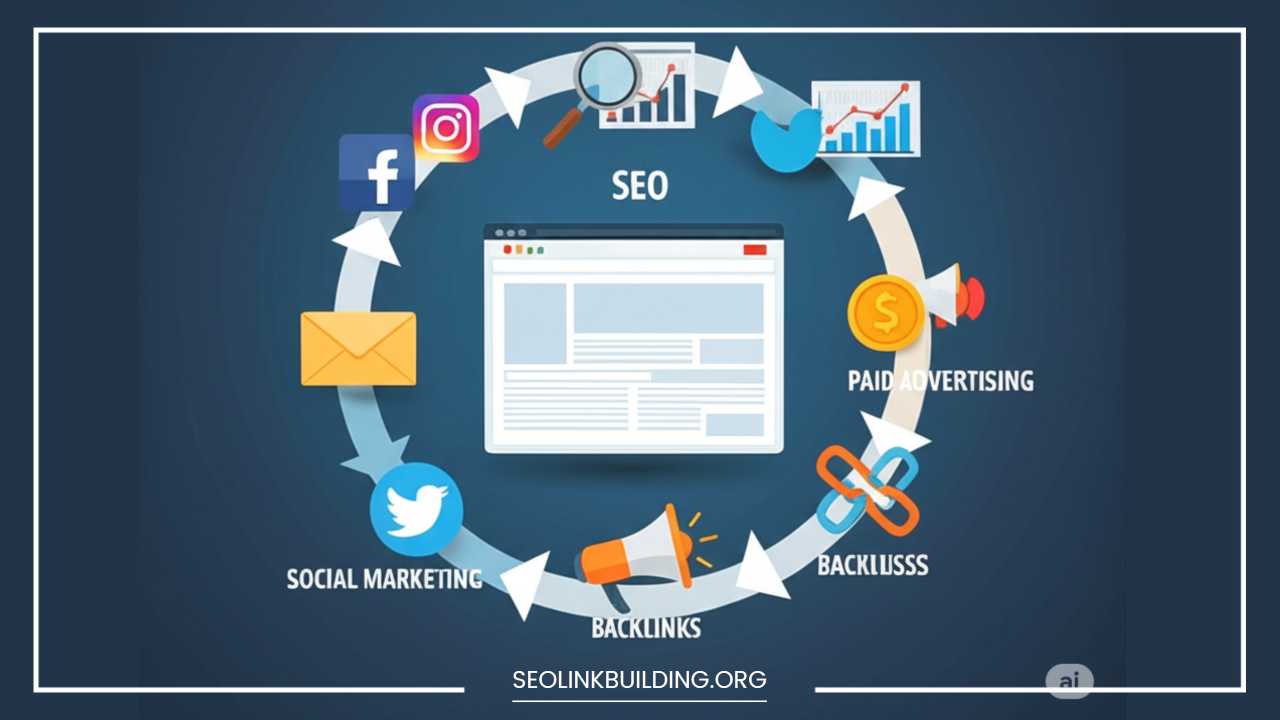
This comprehensive guide will walk you through a myriad of strategies, from foundational SEO to advanced paid advertising, helping you unlock the full potential of your online presence.
Optimize for Search Engines (SEO Basics)
Search Engine Optimization (SEO) is the cornerstone of sustainable website traffic. It’s the process of improving your site to increase its visibility for relevant searches in search engines like Google. When done right, SEO can deliver a steady stream of highly qualified visitors.
Keyword Research
The journey begins with understanding what your target audience is searching for. Keyword research isn’t just about finding popular terms; it’s about identifying keywords that align with your content, products, or services and have a realistic chance of ranking. Tools like Google Keyword Planner, Ubersuggest, and Ahrefs allow you to:
- Discover new keywords: Find related terms and long-tail variations (more specific, longer phrases).
- Analyze search volume: Understand how many people are searching for a particular term.
- Assess keyword difficulty: Gauge how challenging it will be to rank for a keyword based on competition.
- Identify user intent: Crucially, determine why someone is searching for that keyword (informational, transactional, navigational).
Focus on a mix of high-volume, competitive keywords and lower-volume, long-tail keywords that often have higher conversion rates due to their specificity.
On-Page SEO
Once you have your keywords, integrate them strategically into your website’s pages. On-page SEO involves optimizing elements on your actual web pages to rank higher and earn more relevant traffic.
- Title Tags: The most critical on-page element. Keep them concise (under 60 characters), include your primary keyword, and make them compelling enough to entice clicks.
- Meta Descriptions: These short summaries appear under the title tag in search results. While not a direct ranking factor, a well-crafted meta description can significantly improve click-through rates. Include your keyword and a strong call to action.
- Headings (H1, H2, H3, etc.): Use headings to structure your content, making it easier to read for both users and search engines. Your H1 tag should be your main topic, usually mirroring your title. Use H2s and H3s for sub-sections, incorporating secondary keywords where natural.
- Internal Linking: Link relevant pages within your own website. This helps search engines understand the structure of your site, distributes “link equity” (ranking power) across your pages, and keeps visitors engaged by guiding them to related content.
- Image Alt Text: Describe images using relevant keywords. This helps search engines understand the image content and improves accessibility for visually impaired1 users.
Technical SEO
Technical SEO deals with the backend of your website to ensure search engines can easily crawl, index, and understand your site.
- Site Speed: A slow website frustrates users and negatively impacts rankings. Optimize images, leverage browser caching, use a Content Delivery Network (CDN), and choose a reliable hosting provider.
- Mobile-Friendliness: With the majority of internet users accessing sites on mobile devices, a responsive design that adapts to different screen sizes is no longer optional – it’s mandatory. Google uses mobile-first indexing, meaning it primarily uses the mobile version of your content for indexing and ranking.2
- XML Sitemaps: An XML sitemap lists all the important pages on your website, helping search engines discover and crawl them more efficiently. Submit your sitemap to Google Search Console.
- Robots.txt: This file tells search engine bots which pages they can or cannot crawl on your site. Use it wisely to block irrelevant or private pages from being indexed.
Content Optimization: E-E-A-T Principles
Beyond keywords and technicalities, the quality of your content is paramount. Google’s E-E-A-T framework (Experience, Expertise, Authoritativeness, Trustworthiness) is crucial for ranking well.
- Experience: Does the content reflect personal experience with the topic?
- Expertise: Is the content created by someone knowledgeable in the field?
- Authoritativeness: Is the website or author recognized as a go-to source for the topic?
- Trustworthiness: Is the information accurate, reliable, and presented safely (e.g., secure website)?
Produce well-researched, accurate, and valuable content that directly answers user queries and establishes you as a credible source.
Create High-Quality, Shareable Content
Content is the fuel for your traffic engine. High-quality, engaging content not only attracts visitors but also encourages them to stay longer, explore more, and share with their networks.
Types of Content
Diversify your content formats to appeal to different preferences:
- Blog Posts: The backbone of content marketing, offering flexibility for various topics, lengths, and depths.
- Guides & Tutorials: Long-form, in-depth content that establishes expertise and provides immense value.
- Listicles: Easy to digest, highly shareable articles presented in a list format.
- Infographics: Visual representations of data or complex information, excellent for sharing on social media.
- Videos: Highly engaging and increasingly popular, especially for tutorials, product demos, or storytelling.
- Case Studies: Demonstrate your expertise and results through real-world examples.
Evergreen vs. Trending Content
Strike a balance between:
- Evergreen Content: Content that remains relevant and valuable over a long period (e.g., “How to Start a Blog,” “Beginner’s Guide to SEO”). This content consistently drives organic traffic over time.
- Trending Content: Content that capitalizes on current events, news, or popular topics. While its shelf life might be shorter, it can generate significant spikes in traffic and social shares.
Importance of Content Consistency
Regularly publishing new, high-quality content signals to search engines that your site is active and relevant. It also gives your audience a reason to keep coming back. Develop a content calendar to plan topics, formats, and publishing schedules.
Content Creation Tools
Tools can help refine your content and improve its SEO potential:
- Grammarly & Hemingway Editor: Essential for improving grammar, spelling, and readability.
- Surfer SEO & Clearscope: Help optimize your content for specific keywords by analyzing top-ranking pages and suggesting relevant terms and entities to include.
- Canva: For creating visually appealing graphics, social media posts, and simple infographics.
Leverage Social Media Platforms
Social media isn’t just for connecting with friends; it’s a powerful traffic driver, especially for content promotion and brand building.
Choosing the Right Platforms
Not every platform is right for every business. Focus your efforts where your target audience spends their time:
- Facebook: Broad appeal, good for community building, groups, and diverse content (text, image, video).
- LinkedIn: Ideal for B2B, professional networking, thought leadership, and industry news.
- Instagram: Visually driven, excellent for brands with strong aesthetics, product showcases, and lifestyle content.
- X (formerly Twitter): Real-time updates, news, quick tips, and engaging in conversations.
- Pinterest: Visual search engine for inspiration, product discovery, and DIY content. Great for e-commerce and creative industries.
- TikTok: Short-form video, highly engaging, particularly popular with younger demographics.
Repurposing Content for Social Media
Don’t just share a link to your blog post. Adapt your content for each platform:
- Turn a blog post into a series of Instagram carousels or short TikTok videos.
- Extract key statistics from an article to create an infographic for Pinterest.
- Share compelling quotes from a guide as individual posts on X.
- Summarize a LinkedIn article into a concise update.
Using Hashtags and Community Groups
- Hashtags: Research relevant hashtags to increase visibility and reach. Use a mix of broad, niche-specific, and trending hashtags.
- Community Groups: Join relevant Facebook groups, LinkedIn groups, or subreddits (Reddit) where your target audience congregates. Share your valuable content when it genuinely adds to the conversation and adheres to group rules. Avoid spamming.
Social Sharing Plugins
Make it easy for visitors to share your content directly from your website. Install social sharing buttons prominently on your blog posts and other shareable content.
Email Marketing & Newsletters
While social media offers broad reach, email marketing provides a direct, highly effective channel for driving repeat traffic and nurturing leads.
Building an Email List
You can’t send newsletters without an audience. Focus on building a robust email list:
- Lead Magnets: Offer something valuable in exchange for an email address (e.g., free e-book, checklist, template, exclusive webinar).
- Opt-in Forms: Place sign-up forms strategically on your website – in the sidebar, footer, within blog posts, or as a dedicated “subscribe” page.
- Pop-ups: Use well-timed, non-intrusive pop-ups (exit-intent pop-ups are often effective) to capture email addresses.
- Landing Pages: Create dedicated landing pages for lead magnet offers, free trials, or exclusive content, optimized for conversion.
Driving Repeat Traffic Through Newsletters
Once you have a list, use newsletters to bring people back to your site:
- New Content Alerts: Notify subscribers about your latest blog posts, videos, or product updates.
- Curated Content: Share a roundup of your best content from the past month or links to other valuable resources.
- Exclusive Offers: Provide special discounts, early access, or subscriber-only content.
- Personalization: Segment your list and tailor content to specific interests to increase engagement.
- Clear CTAs: Always include a clear call to action encouraging subscribers to visit your website.
Utilize Paid Advertising
While organic methods build long-term traffic, paid advertising offers immediate visibility and highly targeted reach. It’s an investment that, when managed effectively, can deliver significant ROI.
Google Ads (Search and Display)
- Search Ads: Appear at the top of Google search results. Ideal for capturing users with high commercial intent who are actively searching for your products or services. Target specific keywords and bid strategically.
- Display Ads: Appear on websites across the Google Display Network. Great for brand awareness, reaching a broad audience, and visual campaigns. You can target audiences based on interests, demographics, or websites they visit.
Social Media Ads
Platforms like Facebook, Instagram, and LinkedIn offer sophisticated targeting options to reach highly specific demographics, interests, behaviors, and even custom audiences.
- Facebook/Instagram Ads: Powerful for reaching B2C audiences. You can run campaigns for lead generation, website traffic, engagement, or app installs.
- LinkedIn Ads: Excellent for B2B lead generation, targeting professionals by job title, industry, company size, and skills. More expensive but highly effective for niche audiences.
Retargeting/Remarketing Campaigns
This is a highly effective strategy where you show ads to people who have previously visited your website but didn’t convert. Since they’re already familiar with your brand, they are more likely to return and complete a desired action.
Budgeting Tips and A/B Testing
- Start Small: Begin with a modest budget and gradually scale up as you see results.
- Define Goals: Clearly define what you want to achieve with your ads (e.g., website clicks, leads, sales).
- A/B Testing: Continuously test different ad copy, headlines, visuals, and calls to action to see what resonates best with your audience. This iterative process optimizes your spend and improves performance.
- Monitor & Optimize: Regularly review your campaign performance metrics (CTR, CPC, conversions) and make adjustments to improve efficiency.
Collaborations and Guest Posting
Leveraging the audience of others is a highly effective way to expand your reach and build valuable backlinks, which are crucial for SEO.
Guest Blogging on Authoritative Sites
- Find Opportunities: Identify authoritative websites in your niche that accept guest contributions. Look for sites with high domain authority and relevant audiences.
- Pitch Relevant Ideas: Don’t just pitch generic topics. Propose unique, valuable content that aligns with their audience’s interests and demonstrates your expertise.
- Include a Bio with a Link: Most guest posts allow a short author bio with a link back to your website. This is your primary traffic driver from guest posting.
- Focus on Value: The goal is to provide genuine value to the host site’s audience, not just to get a link. High-quality content increases the likelihood of acceptance and traffic.
Podcast Interviews, Expert Roundups, or Joint Webinars
- Podcast Interviews: Being a guest on a relevant podcast exposes you to a new, engaged audience. Be sure to mention your website and a specific call to action during the interview.
- Expert Roundups: Contribute your insights to articles where multiple experts share their opinions on a topic. This can lead to backlinks and exposure.
- Joint Webinars: Partner with a complementary business or influencer to host a webinar. You both promote the webinar to your respective audiences, cross-pollinating traffic.
Link-Building Opportunities Through Collaboration
Collaborations naturally lead to valuable backlinks from high-authority sites, signaling to search engines that your site is trustworthy and relevant. This significantly boosts your SEO.
Participate in Online Communities
Engaging in online communities where your target audience gathers can be a powerful, albeit subtle, way to drive traffic and establish thought leadership.
Reddit, Quora, Niche Forums
- Identify Relevant Communities: Find subreddits (Reddit), spaces (Quora), or dedicated forums related to your industry or target audience’s interests.
- Provide Value First: The golden rule of community engagement is to provide value without being overtly promotional. Answer questions thoroughly and genuinely.
- Link When Appropriate: Only link back to your website when it directly answers a question, provides further valuable context, or is explicitly allowed by community guidelines. Spamming will get you banned.
- Build a Reputation: Over time, consistent valuable contributions will build your reputation as an expert, leading people to naturally seek out your website.
Community Guidelines and Etiquette
Each community has its own rules. Read and respect them. Some communities are very strict about self-promotion, while others are more lenient. The key is to be helpful and integrate naturally.
Use Analytics to Guide Strategy
Guessing games won’t get you far in driving website traffic. Data-driven decisions are essential for continuous improvement.
Google Analytics, Search Console Basics
- Google Analytics: Your primary tool for understanding website traffic. It provides insights into:
- Traffic Sources: Where are your visitors coming from (organic search, social, direct, referral, paid)?
- Audience Demographics: Who are your visitors (age, gender, interests, location)?
- User Behavior: What pages are they visiting, how long do they stay, what’s their bounce rate?
- Conversions: Are they completing desired actions (purchases, form submissions)?
- Google Search Console: Crucial for understanding how your site performs in Google Search. It shows you:
- Search Queries: What keywords are people using to find your site?
- Impressions and Clicks: How often your site appears in search results and how often it’s clicked.
- Indexing Status: Whether Google is able to crawl and index your pages.
- Crawl Errors: Issues preventing Google from accessing your content.
Monitoring Traffic Sources and User Behavior
Regularly review your analytics to identify trends:
- Which traffic sources are performing best?
- Which content pieces are attracting the most visitors?
- Are visitors engaging with your content, or are they bouncing quickly?
- Are there any pages losing traffic that need optimization?
Making Data-Driven Content Decisions
Use your analytics to inform your content strategy:
- Create more of what works: If certain topics or formats consistently attract traffic, produce more of them.
- Optimize underperforming content: Identify pages with high bounce rates or low time-on-page and look for ways to improve them (better readability, stronger CTAs, updated information).
- Identify content gaps: Use search queries in Search Console to find terms people are searching for where you don’t yet have content.
- Refine your SEO strategy: Adjust your keyword targeting based on what’s actually driving traffic.
Final Thoughts + Action Plan
Generating consistent website traffic isn’t a one-time task; it’s an ongoing process that requires dedication, experimentation, and adaptation. We’ve explored a wide array of strategies, from the foundational elements of SEO and high-quality content creation to the proactive outreach of social media, email marketing, paid advertising, and community engagement.
The sheer number of options can be overwhelming. The most effective approach is not to try everything at once, but to start small and iterate.
Your Action Plan:
- Prioritize 1-2 Methods: Based on your resources, target audience, and business goals, select one or two strategies from this guide to focus on first. For instance, if you’re just starting, mastering SEO basics and consistent content creation might be your best bet. If you need immediate results, a targeted paid ad campaign could be your initial focus.
- Implement Consistently: Don’t just dabble. Dedicate time and resources to your chosen methods consistently.
- Measure and Analyze: Regularly check your analytics to see what’s working and what isn’t. Data is your compass.
- Optimize and Expand: Based on your data, refine your current strategies and then, and only then, consider adding another traffic-generation method to your arsenal.
Remember, every visit to your website is an opportunity – an opportunity to engage, educate, convert, and build a lasting relationship. By systematically applying these strategies, you’ll not only attract more visitors but also build a robust and thriving online presence. The digital world is dynamic, so stay curious, keep learning, and keep adapting. Your increased website traffic awaits!